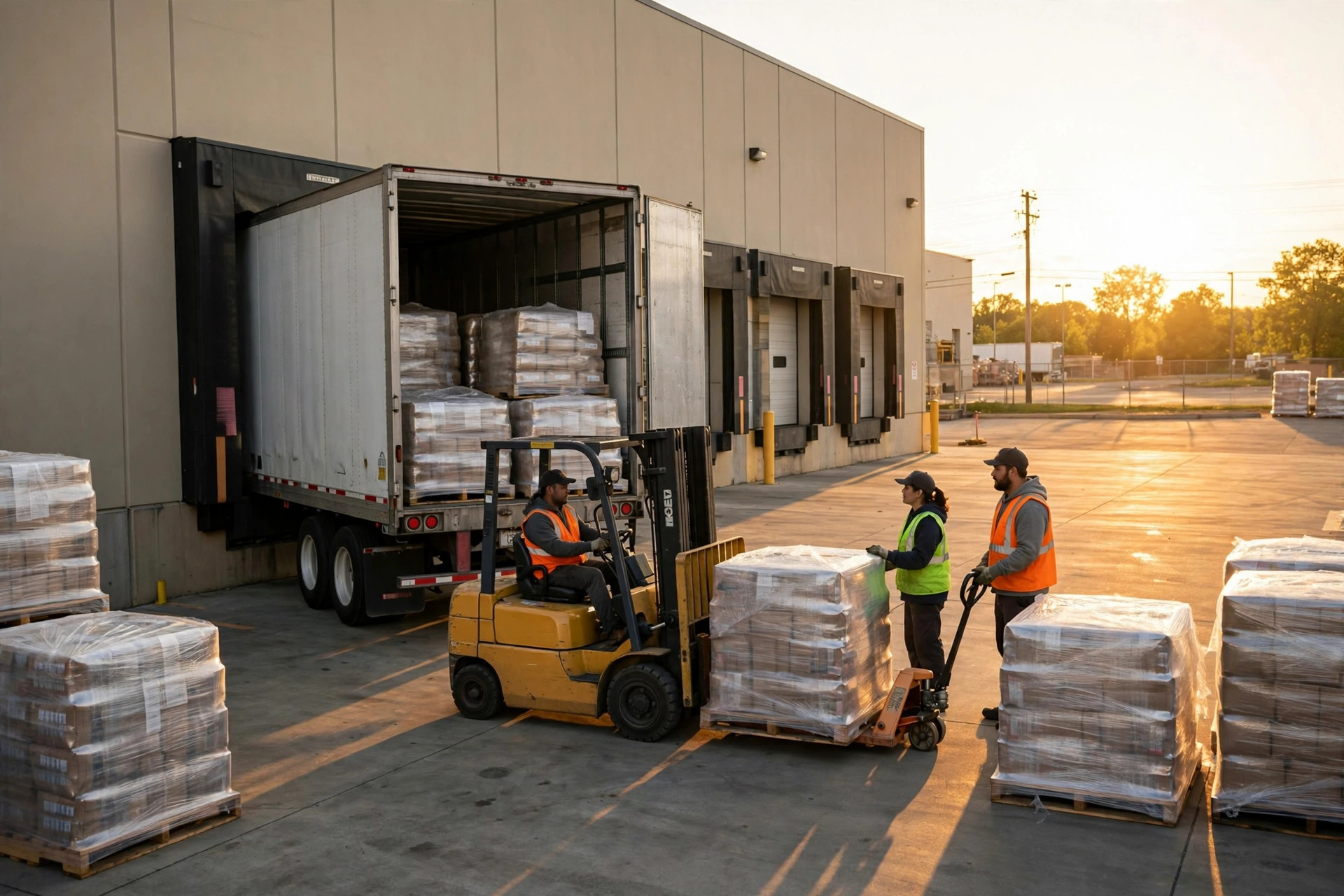
Fifteen years behind the wheel taught me this: most shippers do their inbound freight management vendor routing math wrong. Last week I delivered to a warehouse out in California's Inland Empire. Pulled in at 8 AM, six trucks ahead of me in line. The receiving clerk came out and waved us off — all of today's trucks were supplier prepaid, no appointments, first come, first served.
I asked him: doesn't the plant control which carrier the suppliers use? He just laughed. They tried, he said. The suppliers told them the freight was theirs, so the trucks were theirs. So I sat there for over three hours waiting on a dock door. Six drivers in line, every one of us cursing. A couple of us had pickups at other shippers the next morning, and the whole schedule went up in smoke sitting in that yard.
Now compare that with a factory in Dallas I delivered to last year. That one runs collect: the plant pays the freight and picks the carrier. Three days before my run, dispatch sent me an appointment sheet — what time to arrive, which dock door, exactly what had to be on the BOL, line by line. I backed into door 7, got unloaded in twenty minutes, and the receiver handed me a bottle of water on my way out. The difference between those two warehouses? Not the size. Not the equipment. The difference is who the inbound trucks answer to.
Inbound Freight Management: Figure Out Who's Actually Paying
From the driver's seat, there are only two ways the money moves on a supplier delivery, and I have hauled both.
Prepaid means the supplier pays the freight. Sounds worry-free — freight baked into the unit price, basically free shipping. But stop and think: whose carrier discount is that? The supplier's, not yours. And the version I see most often is prepaid and add: the supplier pays the carrier, then adds the freight to your invoice — plus whatever markup they feel like slipping in. You never see it. I'm telling you, there is deep water under that surface.
Collect means you pay the freight and you pick the truck. Your carrier contract, your discount, your TMS running the schedule. The invoice is one clean bill — what it costs is what it costs.
Here is the side-by-side, plain and simple:
| Prepaid / Prepaid and Add | Collect | |
|---|---|---|
| Who pays the freight | Supplier (rolled into the price) | You, the shipper |
| Who picks the carrier | Supplier | You |
| Cost transparency | Opaque — markups are invisible | Itemized bill, everything visible |
| Who controls timing | Supplier and their carrier | Your own dock plan |
| Dock scheduling | Hard — trucks show up whenever | Appointment-based, predictable |
| Best for | Low volume, hands-off | Steady volume, cost-conscious |
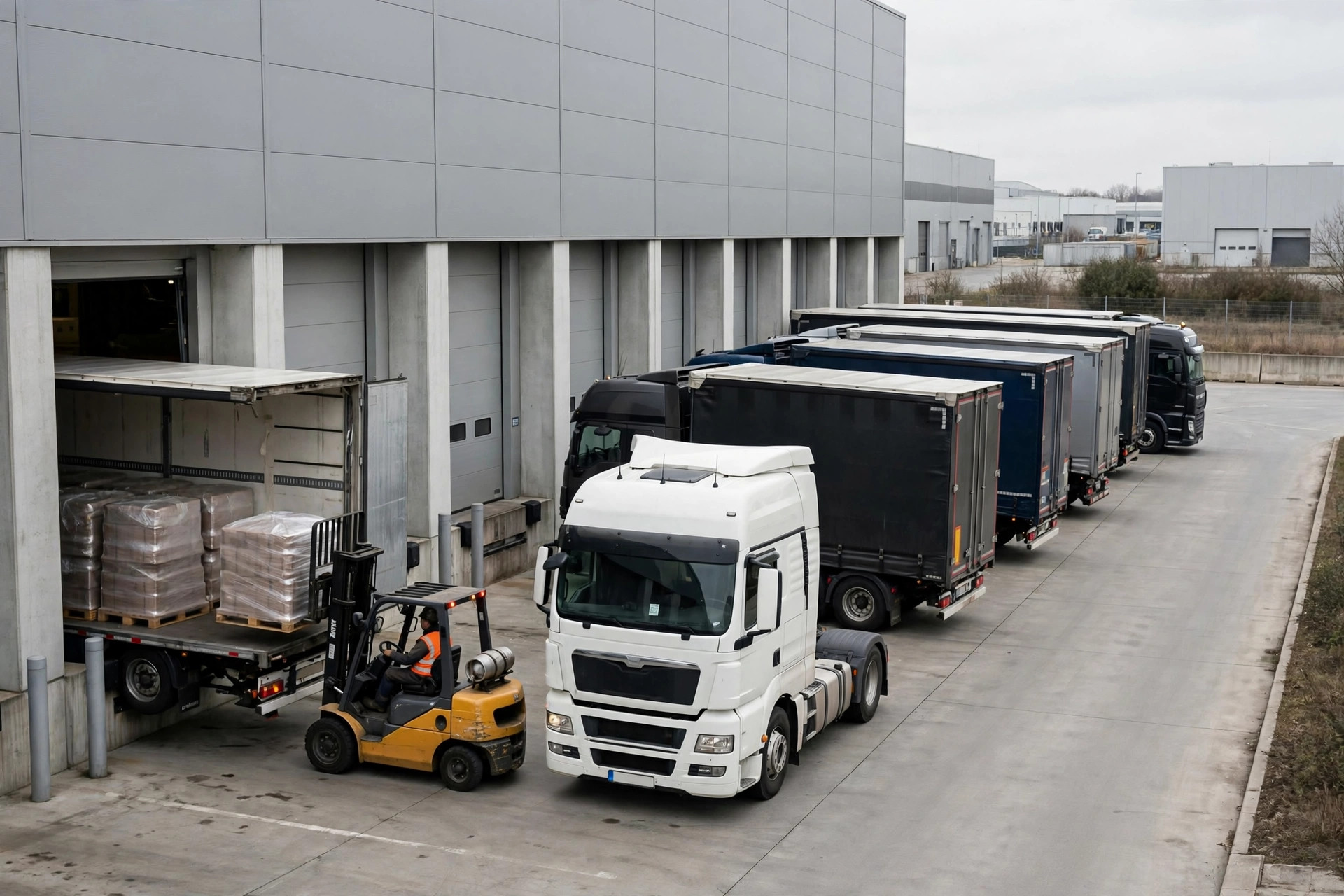
Vendor Routing: How to Keep Your Suppliers' Trucks in Line
If you run collect — or even if you run prepaid but still want some control over the chaos — you need one thing: a routing guide. It is not complicated. It is a document that goes to every supplier, in black and white:
First, approved carriers. Which carriers they may use, which they may not. Supplier wants to send their own truck? Fine — register it in advance, get it approved first.
Second, delivery appointments. Trucks book a time and a dock door before they roll. Late arrivals wait. No appointment, no jumping the line. This one rule alone fixes half the chaos I see in receiving yards.
Third, BOL requirements. The bill of lading must show the PO number, piece count, and weight. A receiver should be able to refuse a load with a sloppy BOL. I have seen BOLs with no PO number on them at all — try reconciling that a month later when accounting comes asking.
Fourth, vendor compliance penalties. Spell out the consequences in the contract: late arrival, no appointment, bad paperwork — each with a chargeback. Exact amounts vary by company policy, so check each shipper's published terms, but the clause has to exist. A routing guide without teeth is just paper.
Takes an hour to write. Saves a year of arguments. The plants that actually stand up a real inbound freight management vendor routing discipline never have a line of trucks at the gate.
The Uncomfortable Truth: Cheap Freight Costs More Than Obedient Trucks
Most people do the inbound math on the freight rate alone. Prepaid looks "free" and easy; collect means negotiating with carriers and running your own appointments — more work. But fifteen years of watching this from the cab taught me something counterintuitive: the real value of collect is not a cheaper rate. It is a schedule you control.
Trucks that answer to you do not clog the dock. A dock that is not clogged does not need overtime. Receiving gets done on time, and inventory records stay accurate. Flip it around: prepaid trucks show up whenever they feel like it, six of them stack up at the gate, receivers work until midnight, and the next morning's production line is still waiting on material. Whatever you saved on the rate, you spend twice over on overtime and downtime.
Run the real math: the freight rate is the visible ledger; time and scheduling are the hidden one. Save pennies on the visible ledger, bleed dollars on the hidden one.
Three Pieces of Advice for Shippers
One: switch to collect once your volume justifies it. A few hundred inbound loads a year? Stop doing prepaid. Negotiate your own carrier rates, run your own schedule. Keep the money and the trucks in your own hands.
Two: put the routing guide in every supplier's hands — signed and acknowledged. Verbal agreements do not count. If it is not on paper with a signature, it did not happen.
Three: enforce the penalties for real. First offense, a warning. Second, a real chargeback. Third, a different supplier. An unenforced guide is worse than no guide at all, because now everyone knows the rules are a joke.
I will leave you with an old saying we have on the road: the buyer is never sharper than the seller — so the shipper has to do their own math on freight. If the trucks do not answer to you, somebody else is pocketing your money.
By Shifu Zhao, Trucking Veteran (15 yrs)