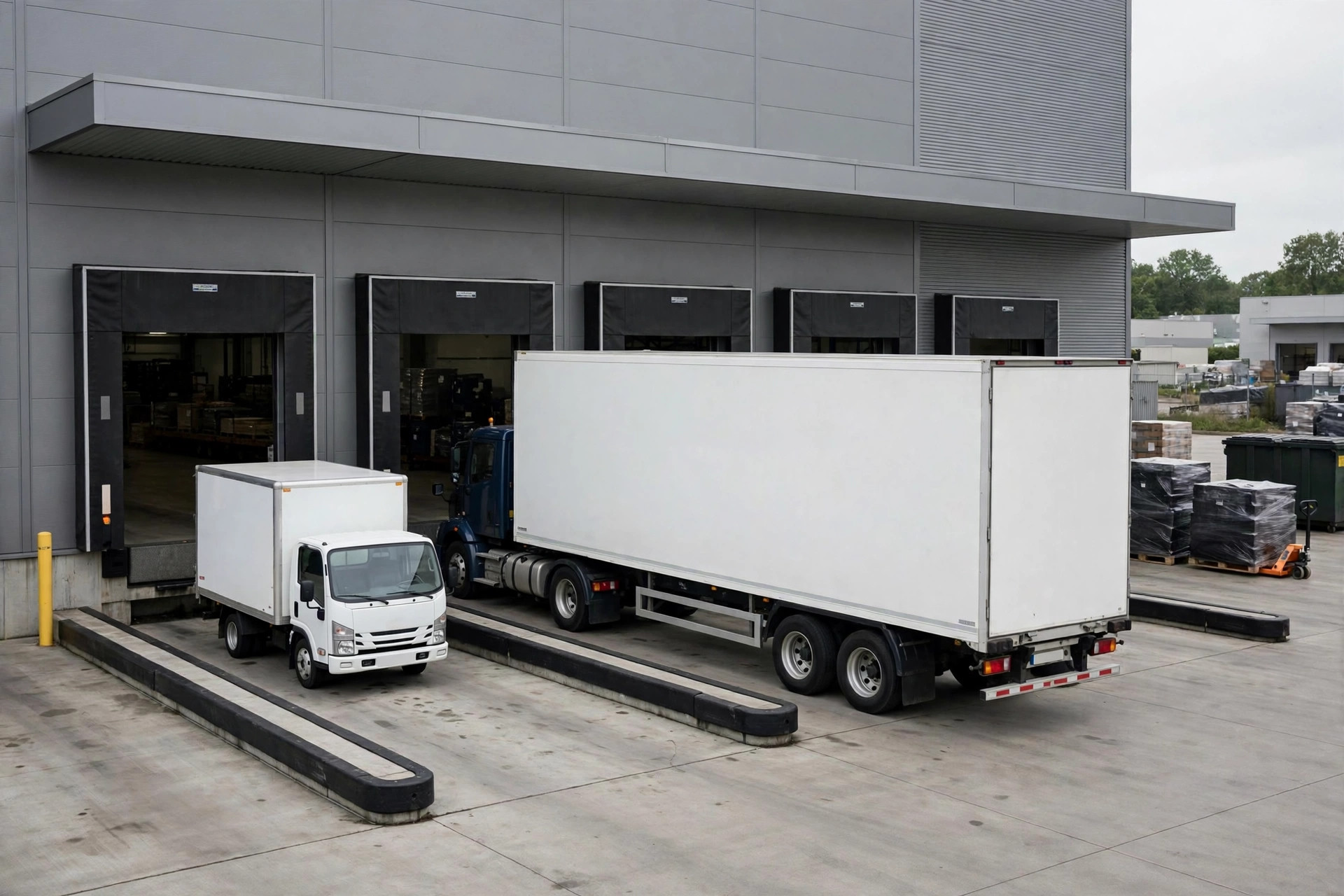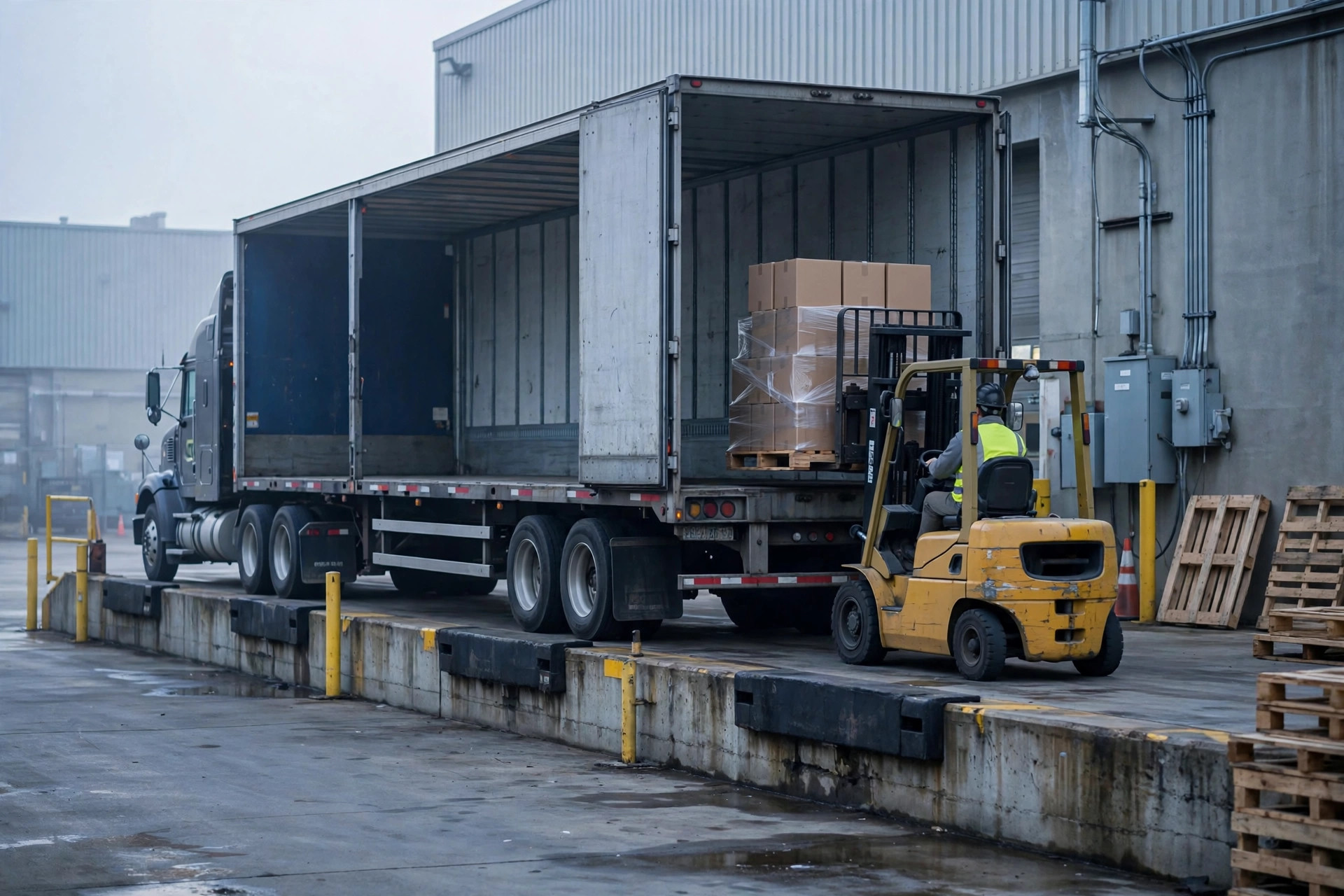
Last fall I was waiting at a shipper's dock in Ontario, California, when the woman who runs accounting came out carrying a stack of LTL invoices. "Shifu," she said, "tell me straight — these bills keep getting bigger every month, and we are not shipping more freight. Am I going crazy?"
Fifteen years on the road, and I have heard that question more times than I can count. Most of those shippers have never run a freight audit in their lives. Shippers fight tooth and nail at the negotiating table — a 2% discount and they are celebrating for weeks. Meanwhile 3% to 5% gets quietly overbilled on every invoice, and nobody goes to get it back. It is like a leaky pipe. Small drip, but it never stops.
A freight audit is just this: you take what the carrier billed you, line it up against the rate you agreed to and the freight you actually moved, and you check whether they charged you too much. If they did, you go get it back. That is the whole game.
The Story From the Dock: $60,000 Hiding in a Stack of Invoices
That Ontario shipper imports outdoor furniture from China, drays it out of the LA ports, breaks bulk in their warehouse, and ships LTL nationwide — 180 to 220 loads a month. At the end of 2024, they hired an audit firm to go through 12 months of invoices. They got back over $60,000.
I did the math with him. He spends about $2 million a year on freight. The industry's public numbers say carriers overbill roughly 3% to 5% of total freight spend, and it can run as high as 7%. At 3%, that is $60,000 a year. I told him: the discount you squeezed out at the negotiating table is smaller than what they quietly took back through the invoices.
Here is what they found — every one of them something I have seen on the road:
First, DIM reweigh markups. You tender a shipment at 800 pounds. Their dimension scanner reads it, the dimensional weight comes out at 1,100 pounds, and the difference lands on your invoice. About those scanners — you almost never see a reweigh come back lighter. It only ever goes one direction: up.
Second, misapplied accessorials. Residential delivery, liftgate, appointment delivery — the legit ones get added, and so do the ones that are not legit. A shipment going to a commercial address with a dock shows up with a residential surcharge. If you never check, you never know.
Third, duplicate charges. Same shipment, two PRO numbers, billed twice. It happens when the bill of lading number gets crossed up between systems, and it happens more than people think.
Fourth, wrong service level. You paid for three-day transit. It took five days. The invoice still charges the three-day rate. Late and billed at expedited prices — how does that make sense?
Fifth, address-correction abuse. Ninety-five dollars a pop, added automatically. A 3PL warehouse east of LA had a three-year-old address in the carrier's system, and every load got hit with a $95 correction fee. Sixty-plus loads in six months — over $5,700 gone. The warehouse manager told me he "just found out." It is like toll roads. You drive them every day, you pay every day, and after a while you stop feeling it.

The published numbers are scarier than anything I have seen firsthand. FreightWaves has reported that roughly 80% of carrier invoices have discrepancies, and about a quarter of those are worth disputing in full. Other public reporting says U.S. shippers leave over $1 billion a year in recoverable refunds unclaimed, mostly with FedEx and UPS. And back in 2020, the Journal of Commerce surveyed 77 shippers and found an average invoice error rate of 20.8% — small sample, a few years old, so take it as a directional signal, not gospel. The direction is clear: invoice errors are the norm. A clean invoice is the news.
What This Really Tells You: The Mistake May Be Innocent, But Ignoring It Is Not
Here is the truth: the carrier is not necessarily trying to rob you. Behind one LTL invoice sit dozens of line items — weight, dimensions, zones, accessorials, fuel surcharges — system talking to system. One wrong step in the middle and the math goes sideways. It is complicated enough that anyone would make mistakes.
But have you noticed the pattern? The mistake only ever goes one direction — overbilling you. Fifteen years, and I have never once seen an invoice error that charged a shipper less. A mistake can be innocent. But if you never audit, they have no reason to fix it. And if you never claim it back, they treat your silence as agreement. That is the part that stings.
So do not let audits pile up. Invoice disputes usually have a window of just a few months — check your carrier's policy. Save it all up for year-end and the money is already gone.
What a Freight Audit Actually Checks
Do not let the word "audit" scare you. It is three things:
Check the rate. Billed rate versus contracted rate. Did the discount you negotiated actually make it onto the invoice? Plenty of shippers negotiate a discount and the carrier's billing system never gets updated. You negotiated for nothing.
Check the quantity. Billed weight and piece count versus what you actually shipped. DIM reweigh markups and miscounted pieces live here. Take photos at load time — pallet count, packaging. When a DIM dispute comes up, pictures beat a hundred phone calls.
Check the service. Actual transit time versus the promised service level. Late but billed at expedited rates gets disputed, full stop. The POD timestamps and tracking data in your TMS are your evidence.
Put dollars on it: $2 million in annual freight, overbilled 3%, is $60,000 — enough for a half-time auditor. At 5%, $100,000. That is not savings. It is your money, taken, and you going to get it back.
Manual Checks vs TMS Auto-Audit vs Outsourced Audit Firms
Three roads. Here is the honest comparison:
| Manual spot-checks | TMS auto-audit | Outsourced audit firm | |
|---|---|---|---|
| Cost | Your staff's time | A TMS module or feature | Contingency — a cut of what they recover, nothing if they find nothing |
| Coverage | Spot-checks, one load in ten | 100%, every invoice | Historical deep-dives, usually 12 to 24 months back |
| Strength | No new systems to buy | Catches it the day the invoice arrives | You lift no finger, and old money comes back |
| Weakness | Falls apart at volume; people get sloppy | You must maintain contract rates and rules in the system first | They take a cut; and they only look backward, not forward |
| Best for | Small shippers, dozens of loads a month | Shippers running LTL or truckload daily with a TMS in place | Shippers who want to look back at two years of bills first |
And here is the part nobody wants to hear: the hardest part is not the technology. It is step one — figuring out what each load should have cost. Contract rates, discounts, accessorial tables, entered into the TMS exactly as written. That is the baseline everything gets checked against. Without it, no system on earth can audit anything. I have seen shippers who bought a TMS three years ago with the carrier contracts still sitting in the sales rep's drawer. That system is a very expensive paperweight.
How TMS Invoice Overcharge Audits Work in Practice
Here is the order that works:
Step one, build the baseline. Every carrier's contract rates, discounts, and accessorial waivers go into the TMS, word for word. This is the foundation. A shaky foundation and everything after it is wasted effort.
Step two, audit before you pay. The TMS checks every invoice against the rules automatically. Anything over your threshold — say $25 or 2% — gets held for review, and a human only looks at the flagged ones. Do not expect your accounting team to eyeball every invoice. They cannot.
Step three, keep evidence at the dock. Photograph the load, count the pallets, note the packaging. Make it a habit. When a DIM or damage dispute lands, photos make your case.
Step four, review monthly. Pull a top-5 list of overcharge types — which carrier, which fee, how often. When contract renewal comes around, put that report on the table. Discounts get a lot easier to negotiate when you are holding the evidence.
Step five, do not write off the past. If you have never run a freight audit, hire an outside firm for a historical pass first. The recovered money pays for building the whole program.
One last thing, an old saying from back home: even brothers settle accounts clearly. Your carrier is your partner on the road, and long-term relationships run on goodwill — but the books have to be straight. You do not check, they will not check for you. And once you do check, they respect you more, because there is no room left for games — only for good service.
By Shifu Zhao, Trucking Veteran (15 yrs)