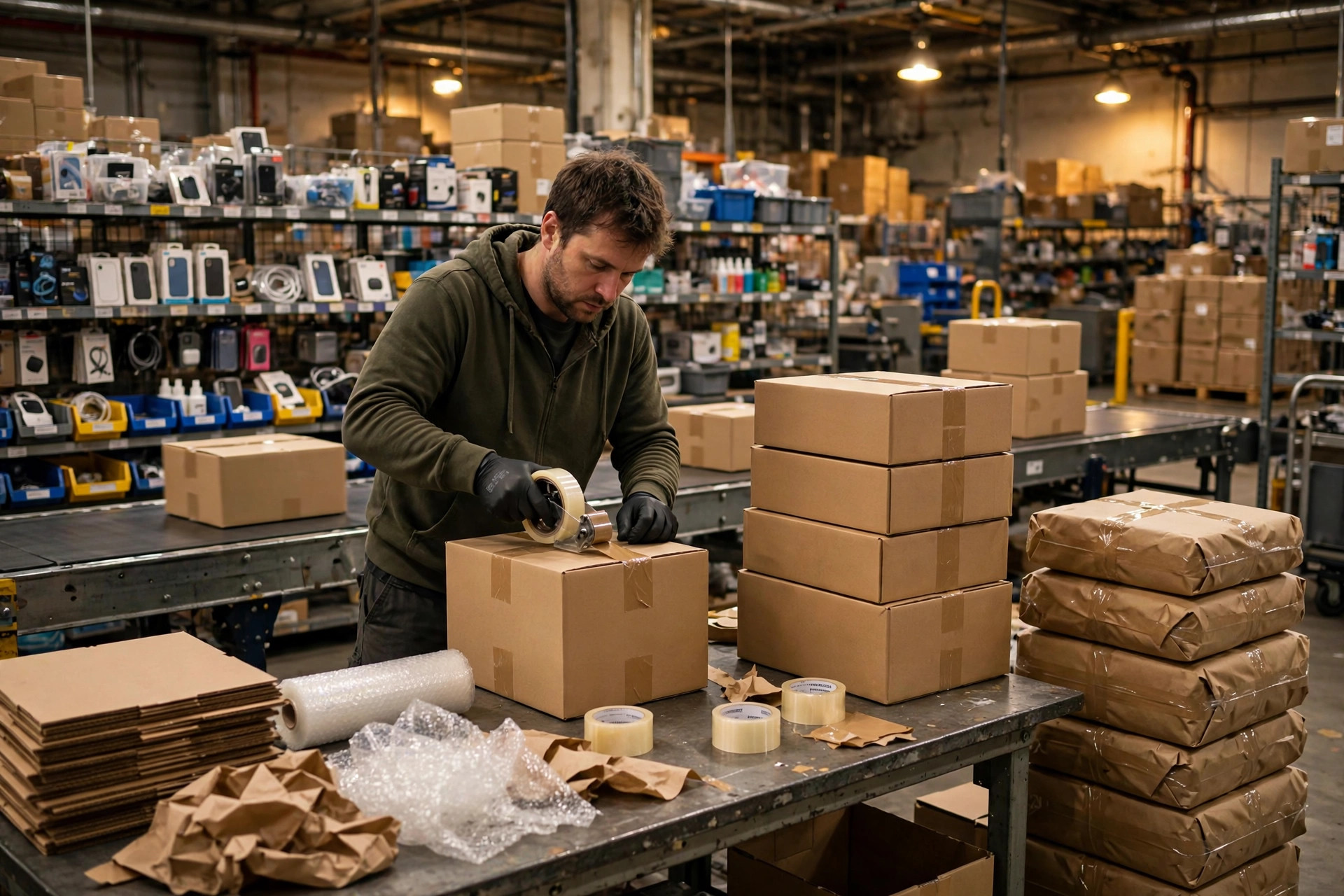
We had a client, a beauty brand out of Guangzhou, who came to us last year to talk about outsourcing their warehousing. Before that conversation, they had just taken a hard hit from TikTok Shop live warehouse fulfillment gone wrong. During one livestream, the host talked for two hours, orders flooded in, and the warehouse kept picking at its normal pace. By day three, only half the orders had shipped. The platform flagged a pile of late dispatches, the shop rating dropped, and the host didn't dare promise "in stock, ships today" in the next session. Their first question to me was simple: how is a warehouse supposed to catch livestream orders at all?
Start with the scale. Third-party estimates put TikTok Shop's 2025 gross merchandise value at roughly $64.3 billion globally and about $15.1 billion in the US, with livestreams accounting for around 14% of US GMV. The pie is still growing, and livestream volume will only get more concentrated. On the other side, the platform's shipping ruler doesn't bend. For regular US orders, TikTok Shop requires a carrier scan within 2 business days and delivery within 6 business days; an order with no tracking after 5 business days gets auto-cancelled. The valid tracking rate has to stay above 95%, and the late dispatch rate is supposed to stay under 4%. Confirm the exact numbers in Seller Center, since the platform updates its policies, but the direction is clear: the livestream room throws the orders in, and the warehouse has two days to digest them. There is no room to negotiate.
TikTok Shop Live Warehouse Fulfillment Orders Arrive in Waves, Not a Stream
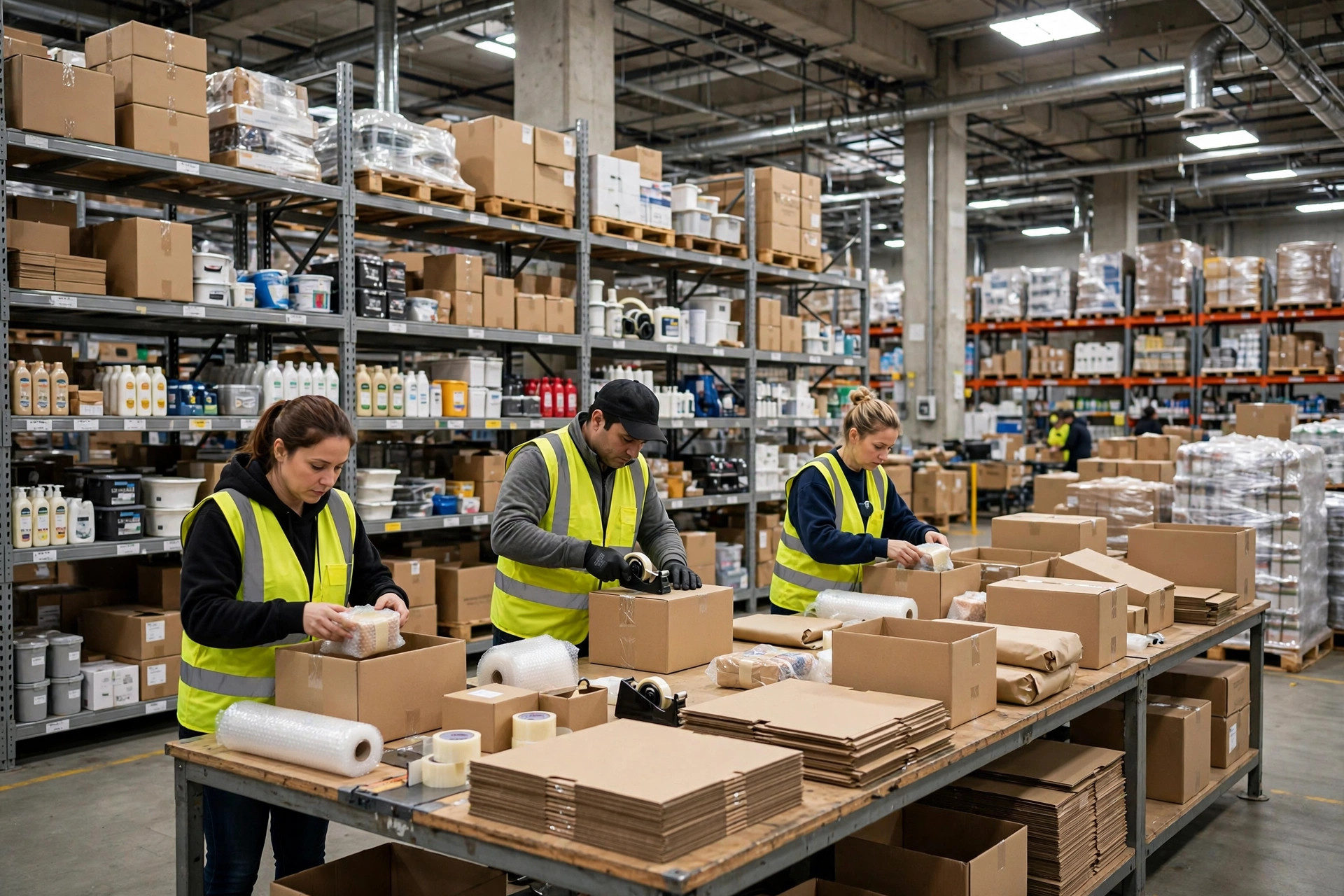
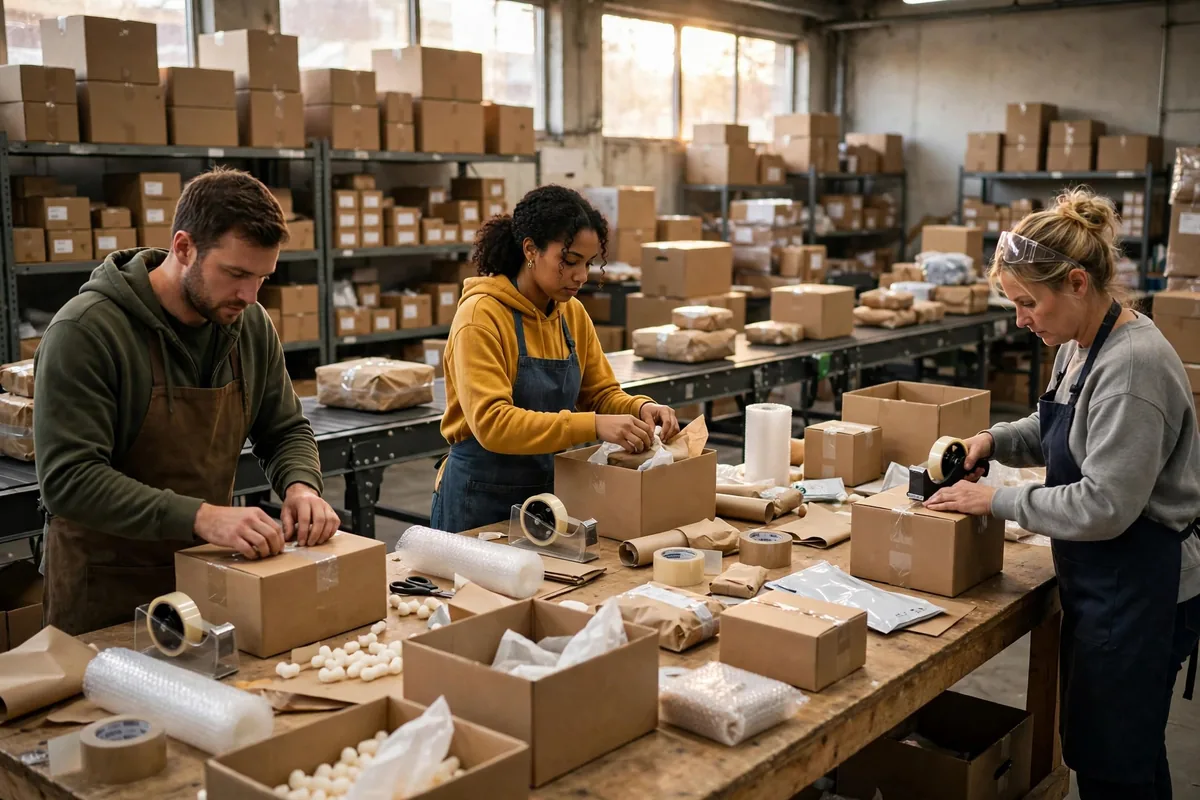
Livestream orders are a different animal from everyday orders. Daily orders trickle in all day, and the warehouse can schedule picking, packing, and dispatch in a steady rhythm. Livestream orders arrive because a host said one sentence, and thousands of them land within two hours. Our Guangzhou client is the example (illustrative scenario): a normal day meant 800 orders, but one livestream from 7 to 9 p.m. pulled in more than 6,000 orders in two hours, over seven times the daily average. That night the warehouse still ran six people on one packing line. By 1 a.m. they had shipped 2,000 orders, and the rest had to wait.
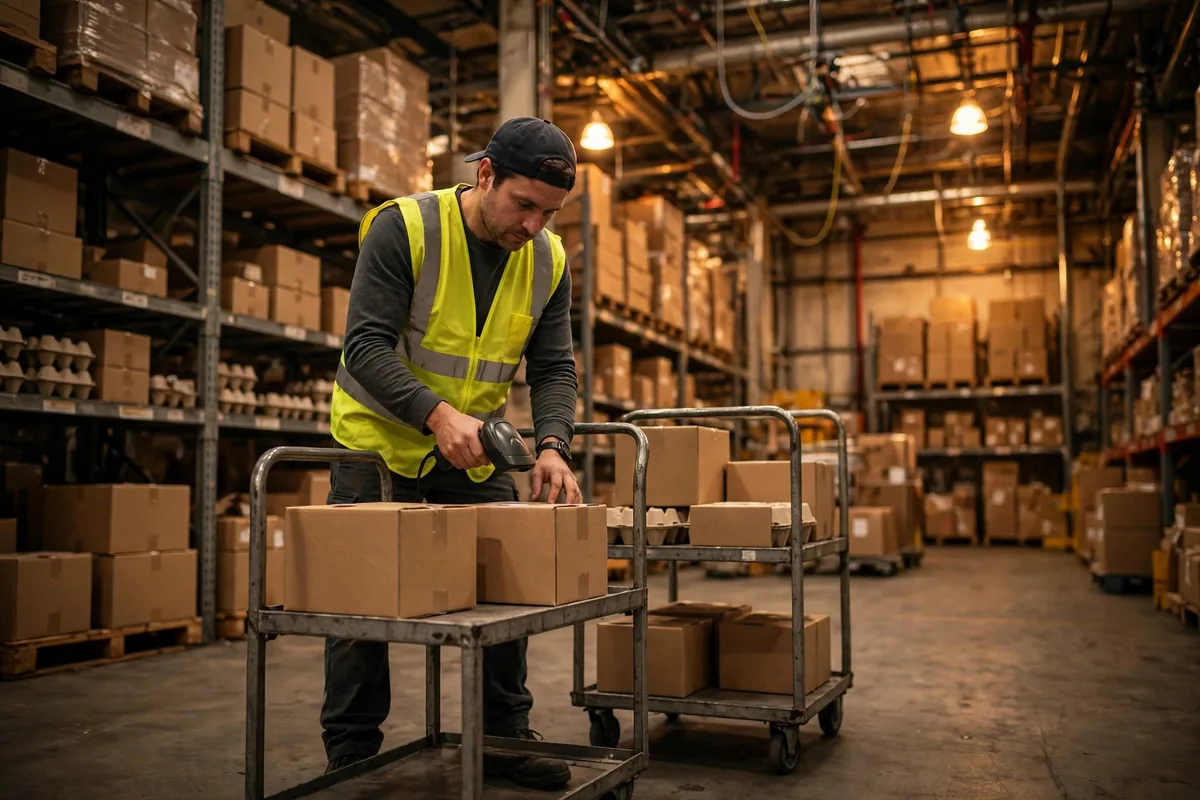
With a curve like that, the first step in taking the orders is not adding people. It is locking inventory. Before the livestream starts, the warehouse should fence off the handful of SKUs the host will push, lock the quantities, and make sure no other channel can sell from that same pool. This is where most sellers trip: the livestream sells out, inventory was never locked, another platform sells the same stock, and the livestream orders end up with nothing to ship. Cancellations pile up, the cancellation rate climbs, and the shop gets throttled.
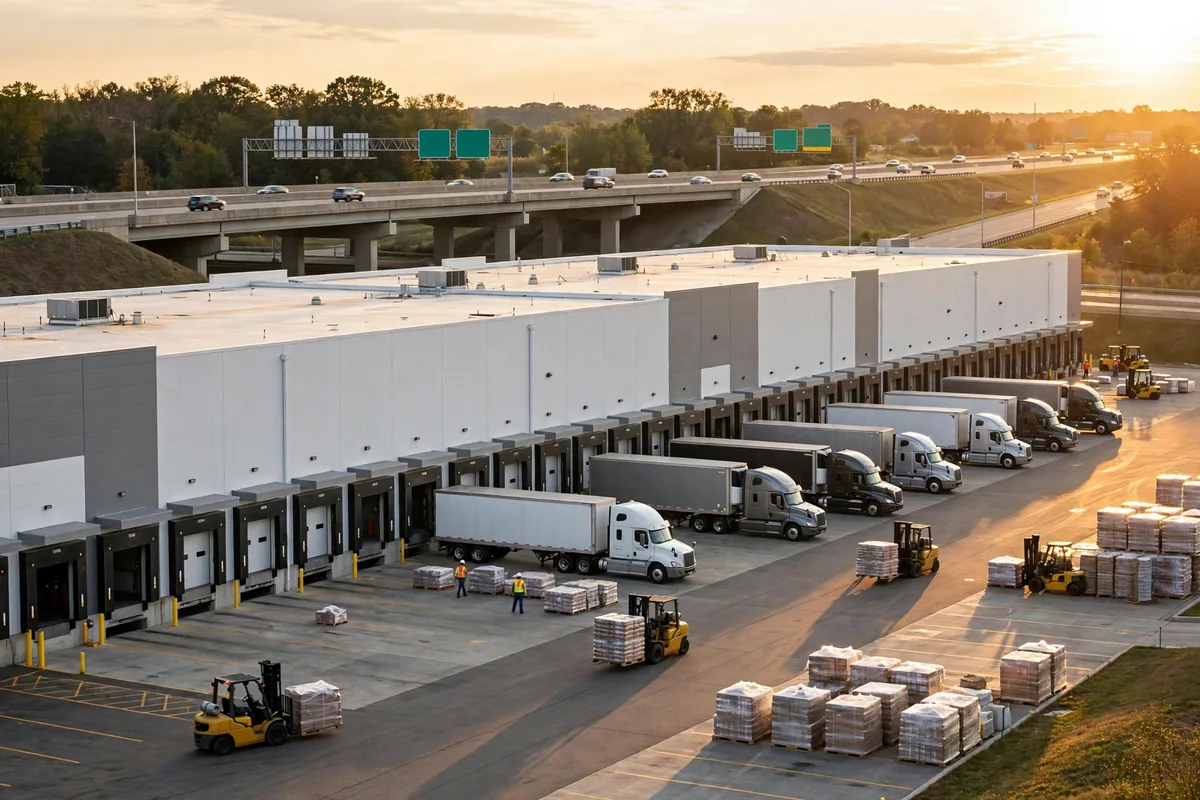
The second step is wave planning. Don't try to pick 6,000 orders in one go. Cut them into three waves by cutoff time: orders placed before the livestream ends ship that night, orders placed overnight ship the next morning, and the rest ship the next afternoon. Once the waves are cut, picking routes, packing stations, and carrier pickups can actually be scheduled. The pickup time has to be negotiated with the carrier in advance, with an extra evening pickup on livestream nights instead of waiting for the regular morning run.
The Two-Day Clock Is Never Really About Headcount
Most people assume orders go unshipped because there aren't enough hands. Headcount is usually just the surface. Three things actually jam the warehouse.
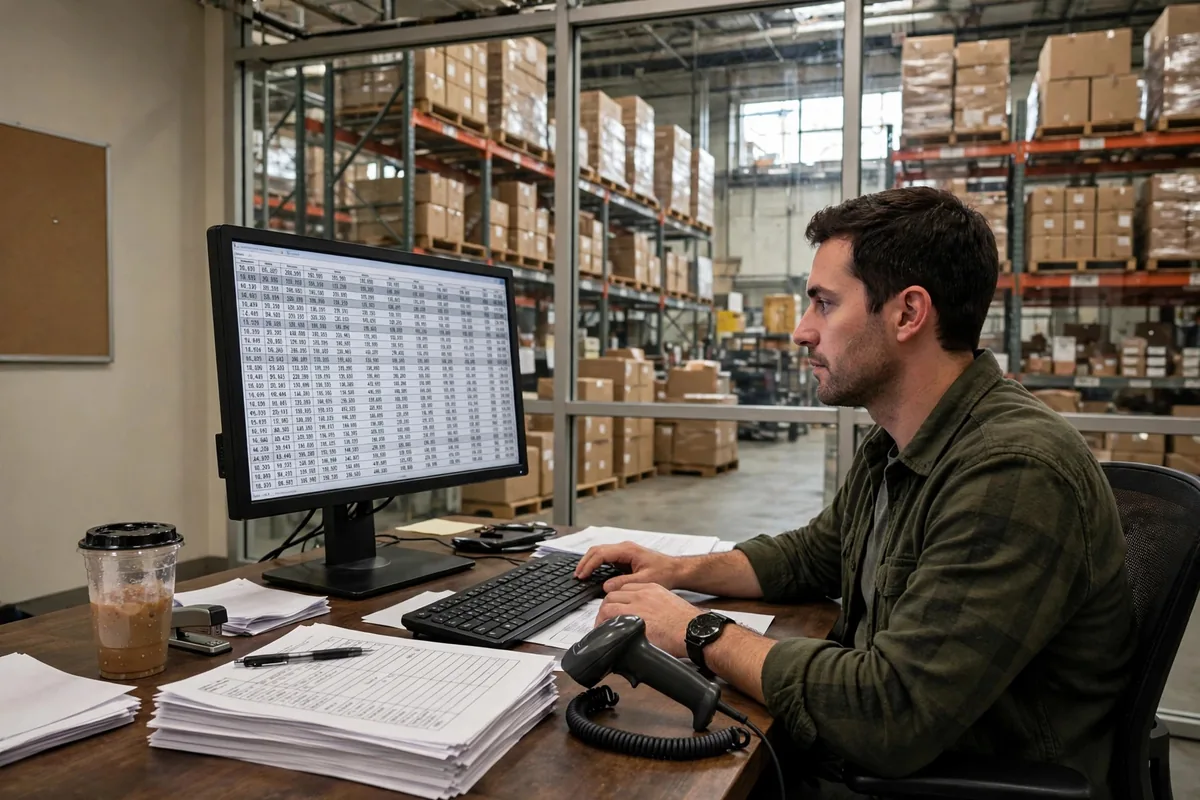
The first is labels and systems. Livestream orders often come with free gifts, bundles, and multi-piece sets. The label prints, and only then does someone notice the gift wasn't allocated or the bundle was picked wrong. Reworking one of those orders costs three times a normal one. Before the broadcast, the warehouse has to configure that night's gifts and bundles in the system and run one test order through the full flow. No test, no broadcast.
The second is a cutoff time nobody agreed on. The seller promises the host "order tonight, ships tomorrow," but the warehouse contract says the cutoff is 4 p.m. Both sides talk past each other, a 10 p.m. order counts as next-day in the contract and same-day on the platform, and the late dispatch is born right there. The cutoff has to be written into the contract, with a separate cutoff for livestream nights, and nothing the host promises on air can run past it.
The third is returns with nowhere to go. Livestream shopping runs on impulse, so return rates run far higher than everyday sales. One of our clients, a Shenzhen seller of phone accessories (illustrative scenario), sees about 8% returns on normal days and up to 25% on livestream days: 4,000 orders in one session, 1,000 of them coming back. If returned goods have no dedicated inspection and restocking lane, they pile up in the receiving area, eat floor space, and can't be sold again. That is inventory sitting idle.
Here is the counterintuitive part: the hotter the livestream sells, the less the warehouse should rush into all-hands overtime. The right move is the opposite. Stop, lock inventory, cut the waves, confirm the cutoff, and only then start picking. Rushed orders are the ones that go wrong, and one wrong order in rework and customer complaints costs more than half a day of delay. The rhythm of a warehouse is priced in errors avoided, not overtime hours worked.
TikTok Shop Live Warehouse Fulfillment Needs a Separate Returns Lane
Returns are the most underestimated piece of livestream fulfillment. The platform gives buyers a 30-day return window, and the return peak usually lands about a week after delivery. The warehouse needs a dedicated returns lane: receive, inspect, sort, restock, four steps before anything goes back into the system. Items fit for resale go back on the shelf the same day; damaged items go to a separate defect zone. Never mix returns with normal stock.
The returns math deserves its own line too. What share of returned goods gets restocked, what share is defective, and who pays the return freight, these three numbers decide whether the livestream actually made money. Plenty of sellers count only the margin on what sold and never count what came back. The books look lively until month-end, when the holes show up.
Three Ways to Take the Volume, Three Different Bets (Hypothetical Example)
| Model | Cost per order | Shipping reliability | Best for |
|---|---|---|---|
| Own small warehouse | Lowest, but you carry the payroll | Depends on you | Stable daily volume, infrequent livestreams |
| 3PL warehouse | Mid-range, pay per order | Cutoff and SLA written in the contract | Frequent livestreams, spiky volume |
| Platform fulfillment (FBT) | Higher, but the most stable timing | Run by the platform | Big promotions, sellers chasing platform traffic |
The figures in this table are a hypothetical example, useful for comparing directions, not for quoting prices. In a real negotiation, the per-order price has to be recalculated against your volume, average order value, and return rate. The question isn't which model is cheapest. It's which one doesn't fall over on the night orders double.
Before You Sign With a 3PL, Ask These Three Questions
Next time you negotiate a contract, ask these three questions. First, what is the cutoff time on livestream nights, and how are overtime and extra carrier pickups charged when volume doubles? Second, is the error rate on gifts and bundles written into the contract, and what do you pay me when one goes wrong? Third, how many days after a return arrives can it be back on the shelf, and how are defective items handled? Get clear answers to those three, and your TikTok Shop live warehouse fulfillment setup is genuinely connected. Leave them vague, and the better the livestream sells, the bigger the hole in the warehouse.
By Susan, 3PL Sales Director