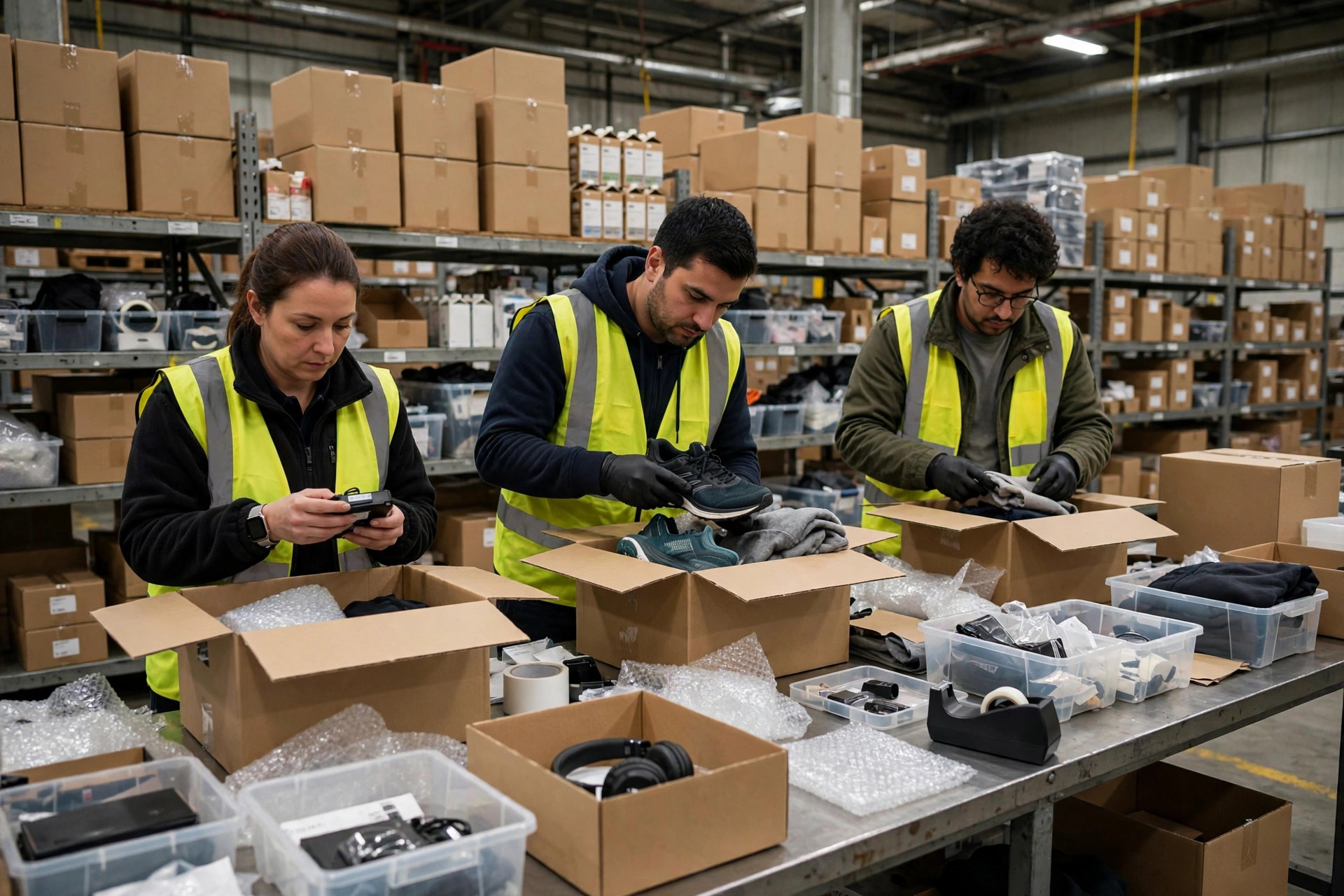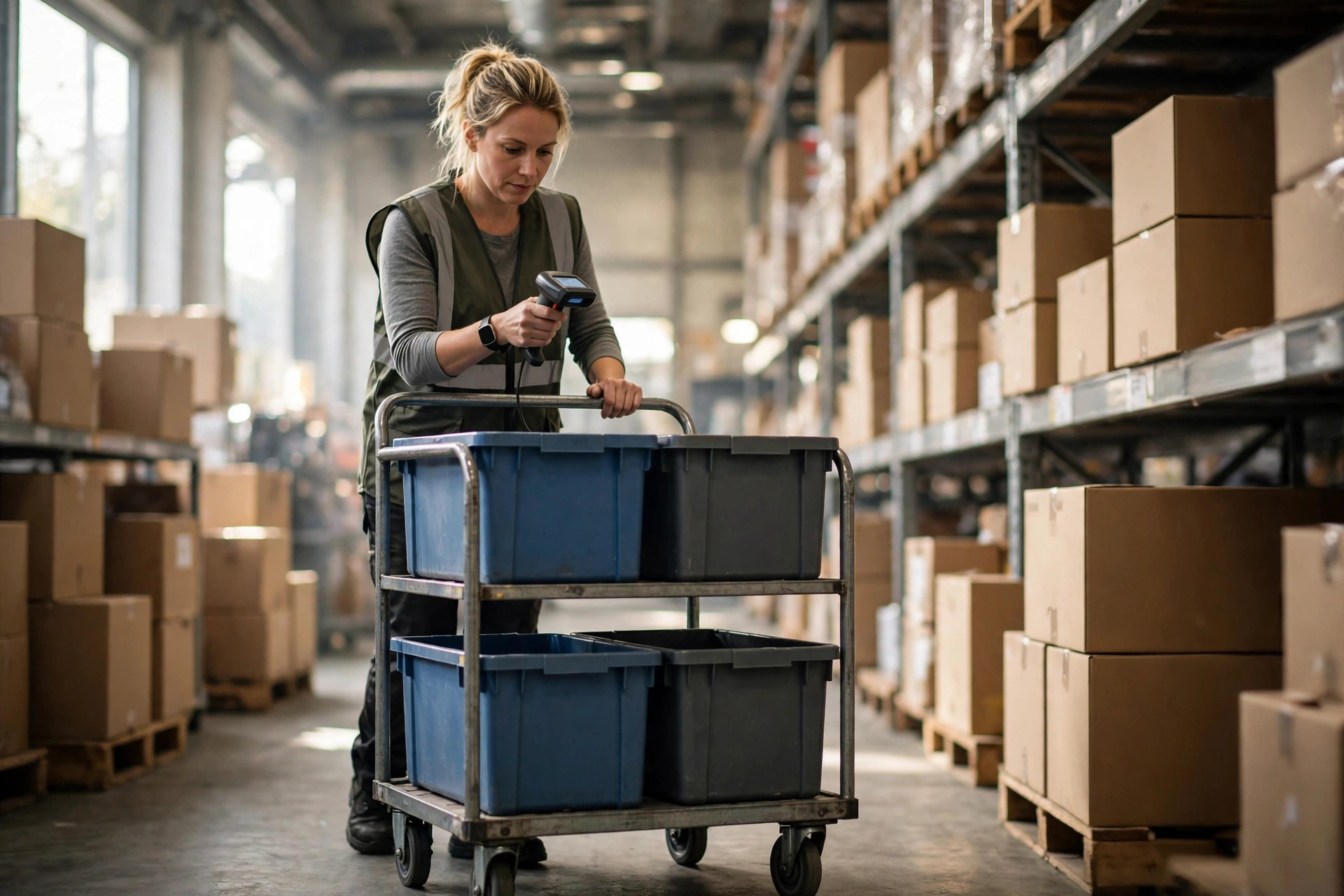
The call came in at ten at night. A seller I know — he rents a 30,000-square-foot warehouse in Chino, California — had just watched his host sell through two hours of a TikTok live session. Over 4,000 orders had landed in the system. Six warehouse workers were standing around with nowhere to start: two packing tables, half the day's cartons already gone. "Is it too late to call in temp workers?" he asked.
It wasn't too late. But it was late. Live-commerce orders don't flow — they spike. A quiet day of a few hundred orders, then thousands in a two-hour window. If your warehouse still runs on its everyday rhythm, no amount of hustle that night will save you. In twenty years of warehouse work, I've seen this movie many times, and the ending is almost always the same: the front end sells out, the back end can't ship, and bad reviews plus returns eat every dollar of profit.
Three Days Before: Forecast From Data, Not Hype
Let me start with the uncomfortable part. Most sellers stock up based on what the host says they'll sell. That number is fiction — hosts are paid to be optimistic. Your warehouse needs to work from conversion history.
The method is boring and it works. Pull the last three live sessions: viewers, store visits, order conversion rate, per-SKU conversion. Then work backward: expected viewers × historical conversion × 1.2. That 1.2 is your buffer for hero SKUs, because live commerce follows the 80/20 rule brutally — one or two products will eat half your orders. Give those two SKUs an extra 30% safety stock on top.
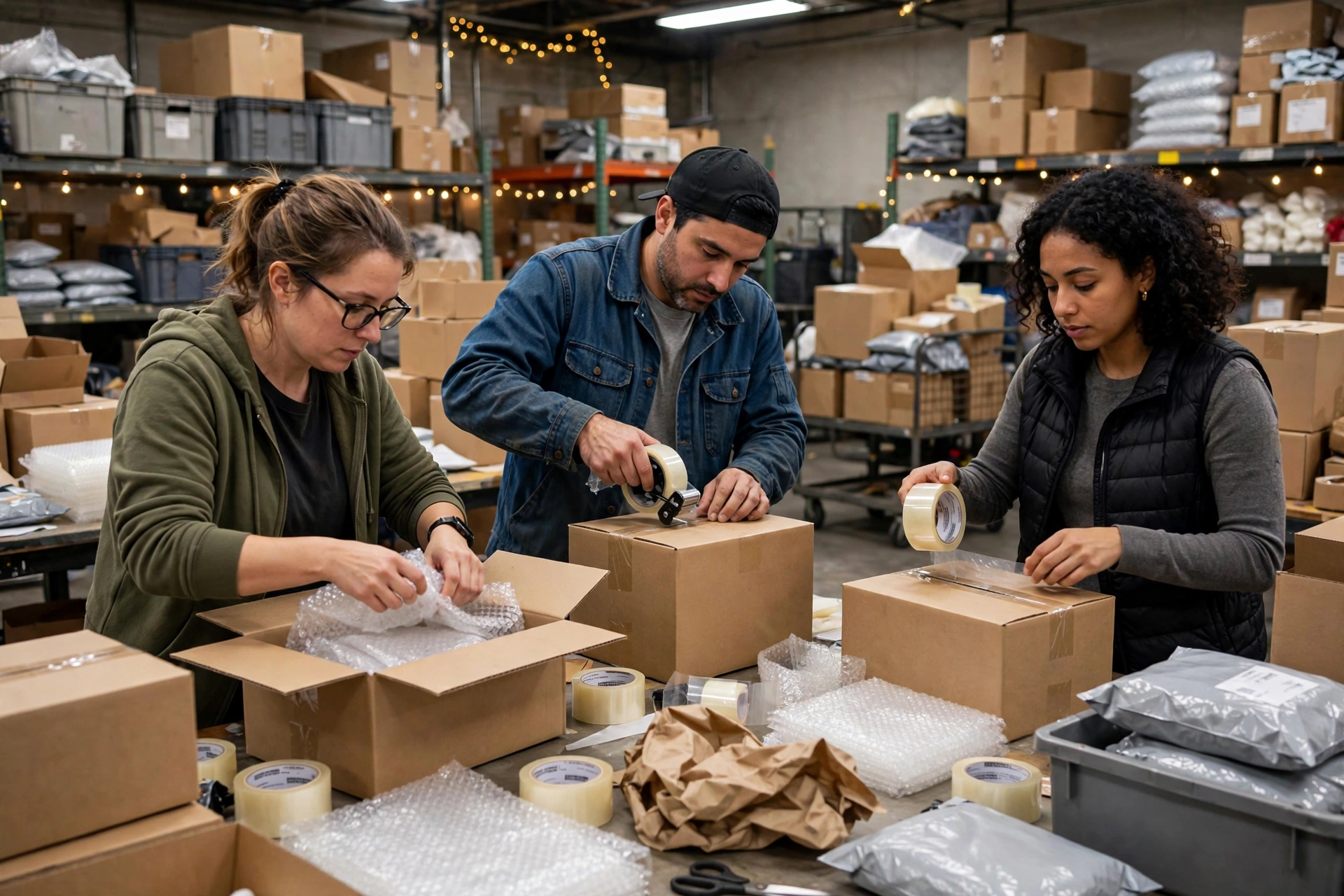
Here's the trap nobody talks about: sellers stock the product but forget the packaging. I've watched it happen more than once — shelves full of product, cartons gone within the first hour, workers driving out to buy boxes while the carrier waits at the dock for two hours. Order cartons at 1.5× your product volume. Tape, labels, dunnage, all of it. Cartons are cheap. A stopped line is not.
Slotting matters too. The day before the stream, move your forecasted hero SKUs out of deep storage to a dedicated "live zone" right next to packing — a single flow-rack bay, SKUs ranked by expected velocity, close enough that pickers can grab without walking. A beauty seller I worked with skipped this step once; pickers walked 40 meters per order for the hero SKU and racked up kilometers over the night. Move the winners within 5 meters of the pack stations. Zero cost, instant payoff.
Then there's the operating model, which you have to lock in before showtime. I've seen three, and the trade-offs are clear.
Stream from inside the warehouse. The host sits in front of the racks, pulls product from behind, packs on camera. Fastest rhythm, and "ships today from our own warehouse" builds real trust with viewers. Downside: it's loud and chaotic — studio lighting fights with forklifts, and returns piling up on camera kill the vibe. Best for single-hero-SKU sellers with steady daily volume.
Studio plus back warehouse. The host streams from a proper studio; the warehouse just fulfills, synced by system. This is the most common mature setup. Everything is average — which means the system is everything. If your inventory sync lags more than 15 minutes, overselling will find you.
Forward-staged inventory. Push forecasted winners to a forward warehouse or a 3PL near your buyers before the stream, so orders ship short-zone the moment they land. Highest cost, best speed, built for big promotional events and top hosts. My verdict: if your monthly live revenue is under $500K, don't touch this one. The management overhead will drown you.
Whichever model you pick, set an "inventory red line" with the host before going live. When a SKU hits 80% of its staged quantity, the warehouse shouts in the group chat and the host cools that product down and moves on. I've seen hosts push "last 500 units" when 200 were left, oversell by 300, and get the comments section shut down by angry buyers. Every oversold order costs double: the refund, the review, the platform penalty. The warehouse owns the red line. The host obeys it.
The Two Hours of the Stream: Cut Orders Into Waves
Once the stream starts, the warehouse goes to wartime footing. One core move: wave cutting.
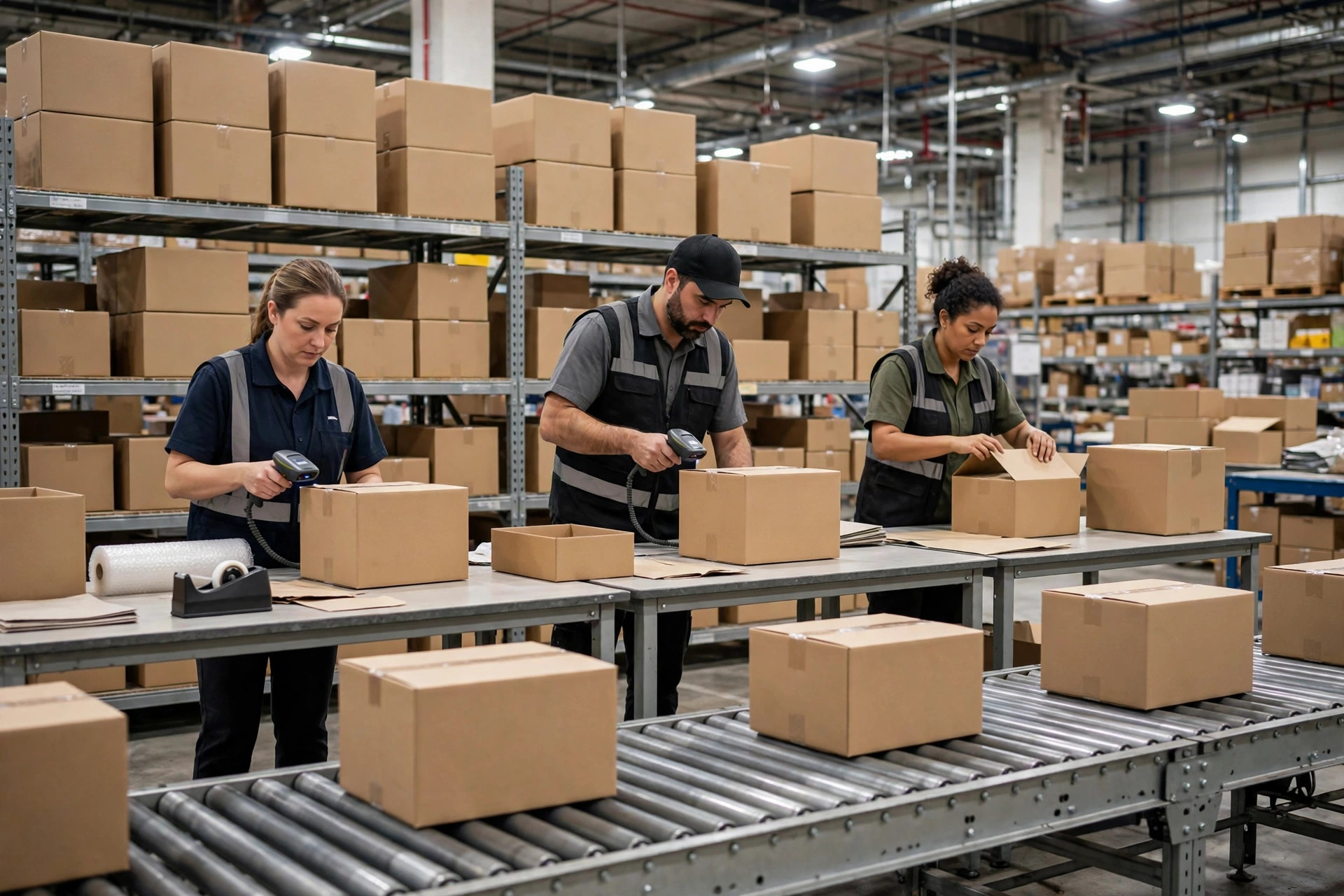
Forget one-piece flow — that's for quiet days. During a spike, batch orders into waves, say every 30 minutes. Pick each wave together, pack together, hand off together. Waves let you consolidate picks: the same SKU picked once and distributed across orders. A home-goods seller I measured went from 25 units per packer-hour to over 60 after switching to waves.
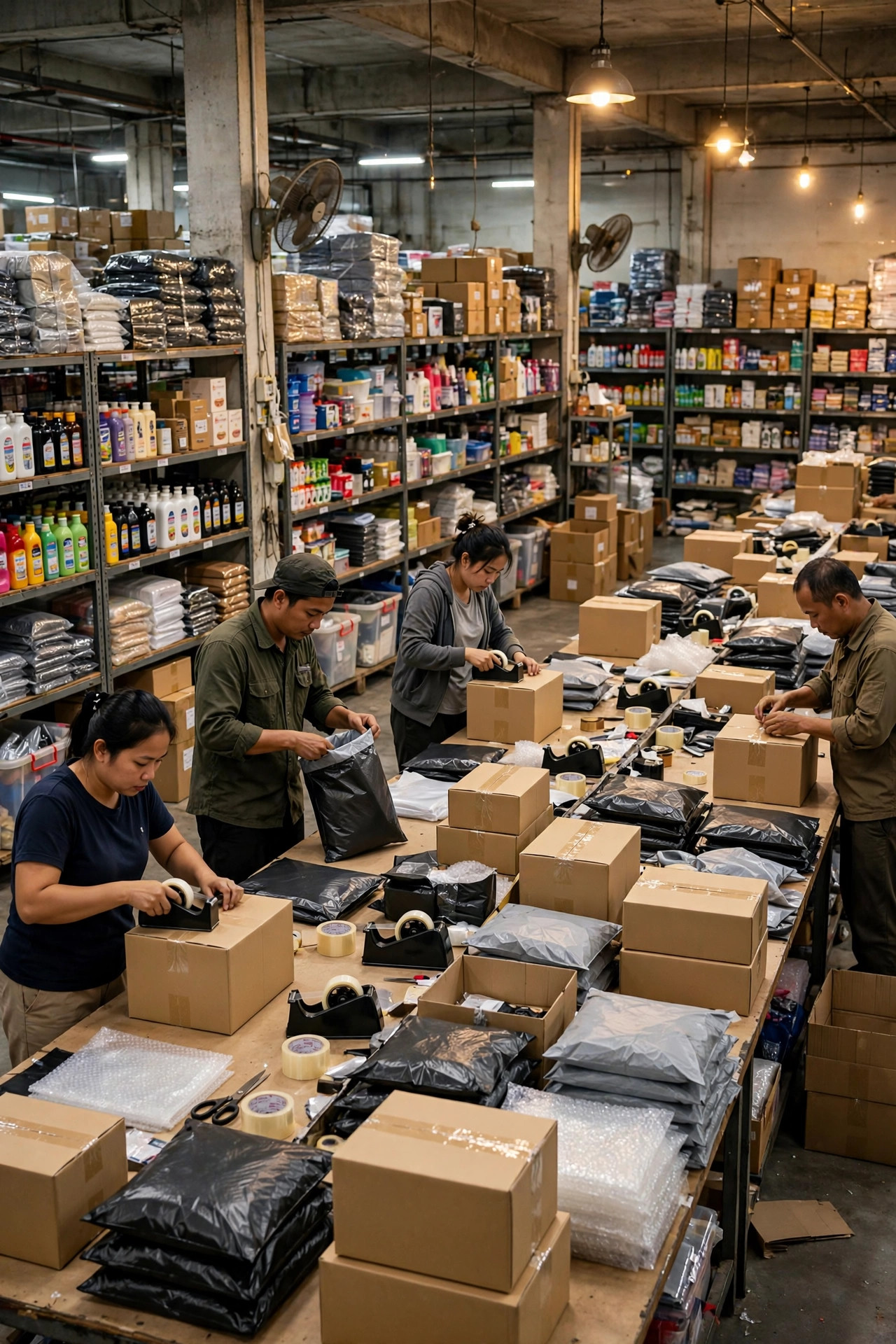
Temp labor has to be booked in advance, not phoned in at 10 p.m. Line up an on-call arrangement with a staffing agency or a local temp group — bodies on site two hours before the stream. Packing stations must be expandable: two tables on a normal day, six when it spikes. Folding tables, spare scanners, backup label printers — keep them staged in a corner and deploy them before showtime. The bottleneck on a spike night is never picking. It's packing and labeling.
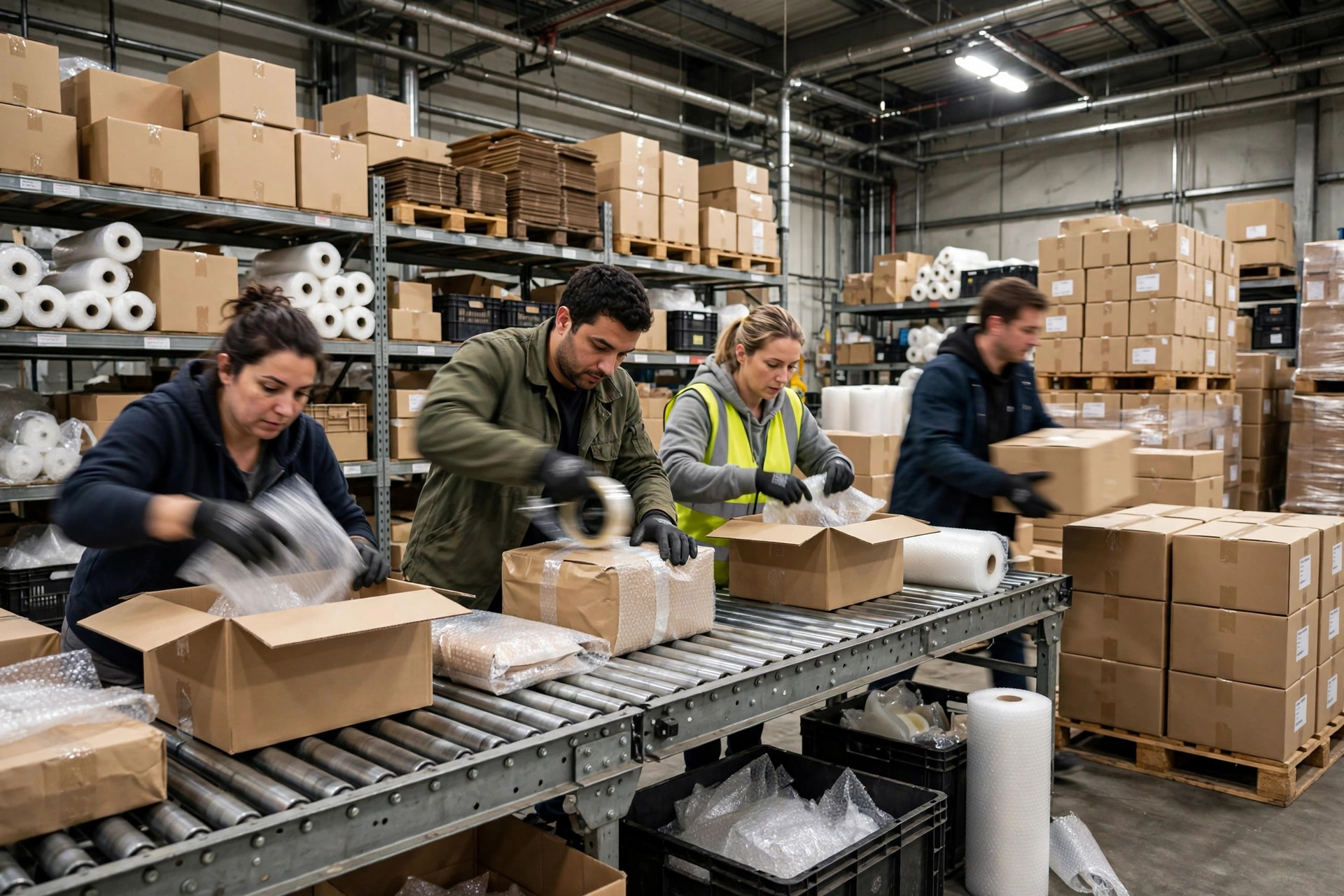
One more detail people miss: carrier pickup. Negotiate an extra pickup run for stream night, or plan to drop freight at the carrier hub yourself. Plenty of sellers get everything packed and then sit on it overnight waiting for the truck — ship it a day late and your on-time score takes the hit. Platform shipping requirements change, so check the latest policy, but one rule never changes: customers bought because you promised "ships today." Delay two days and your return rate climbs.
And give exceptions their own corner. Spikes always produce label-less orders, missing addresses, duplicate pushes from the system. Don't let them clog the main line — set up a small side table before the stream, toss every exception there, and have one person clear it every half hour. The moment the main line stalls on a bad order, the whole rhythm breaks. The worst case I saw: one duplicate label jammed the line for 20 minutes while 300 parcels piled up behind it.
The 72 Hours After: Returns Are the Real Battle
Don't celebrate when the stream ends. Live-commerce return rates run far above normal — impulse buys come back at two to three times the everyday rate. Within 72 hours, returns start flowing back, and you need a dedicated reverse area ready.
Sort returns into three lanes, because speed here is cash flow. Lane A: packaging intact, tags on — QC and restock within 24 hours. Lane B: packaging damaged, product fine — rebox and sell as open-box in the next stream as a deal item. Lane C: damaged or missing parts — write off or clearance. Too many small sellers let returns sit in a corner for a month. That's cash buried in cardboard.
Then do the debrief — a real one, not a checkbox. For the last three streams: how accurate was the forecast, which SKU oversold, which one gathered dust. Feed those numbers back into your next forecast formula. After three or four cycles, that 1.2 buffer becomes your number, tuned to your data. That's the actual moat in warehouse-plus-stream operations. Not the host. Your understanding of your own numbers.
One blunt truth to close on. I've watched too many sellers pour everything into hiring hosts and buying traffic while the warehouse stays a mom-and-pop operation. Live commerce, at the end of the day, isn't won by whoever shouts loudest on camera. It's won by whose warehouse doesn't break on spike night. The front end decides how much you can sell. The back end decides how much you keep.
When's your next stream? Go count your cartons tonight — not on show night.