Temu returns warehouse processing sounded like someone else's problem to me for a long time. I sold the goods, the platform handled the buyer, and the warehouse could just put whatever came back onto a shelf. Then I added up one peak season of returns handling, re-inspection, and refurbishment supplies, and the total had quietly eaten the profit on a whole batch of orders.
Here is the part many sellers miss. Under semi-managed and local warehouse models, a return can pass through several hands before anyone decides what it is worth. Is it resold as-is? Refurbished? Downgraded? Destroyed? If you cannot answer those questions for your own stock, your Temu returns warehouse processing is a black box, and black boxes always charge you. The exact model rules, responsibilities, and fees change, so treat the platform's official latest guidance as the source of truth. What follows is the warehouse floor logic and the seller controls that stay useful regardless.
Temu returns warehouse processing starts with grading, not shelving
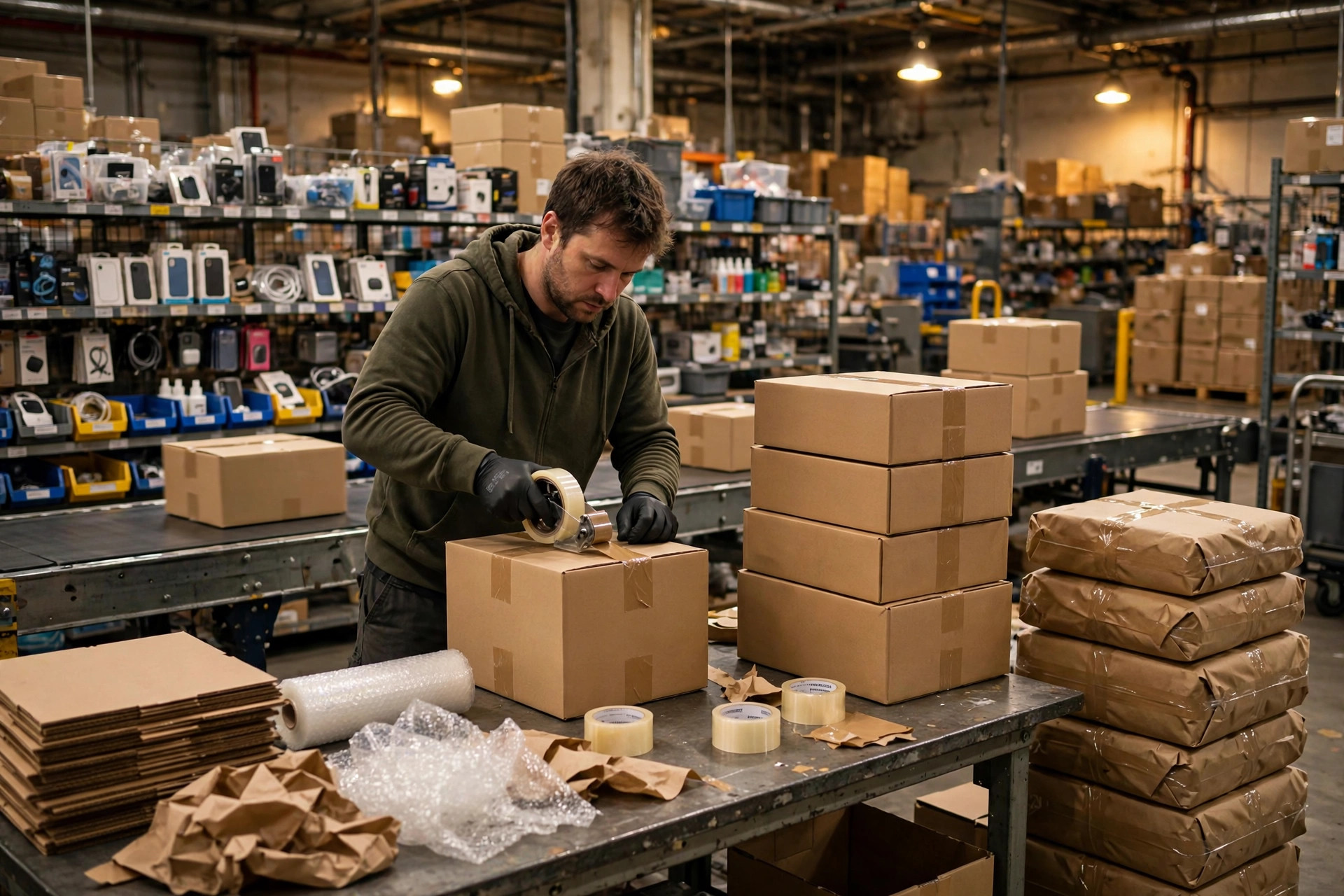
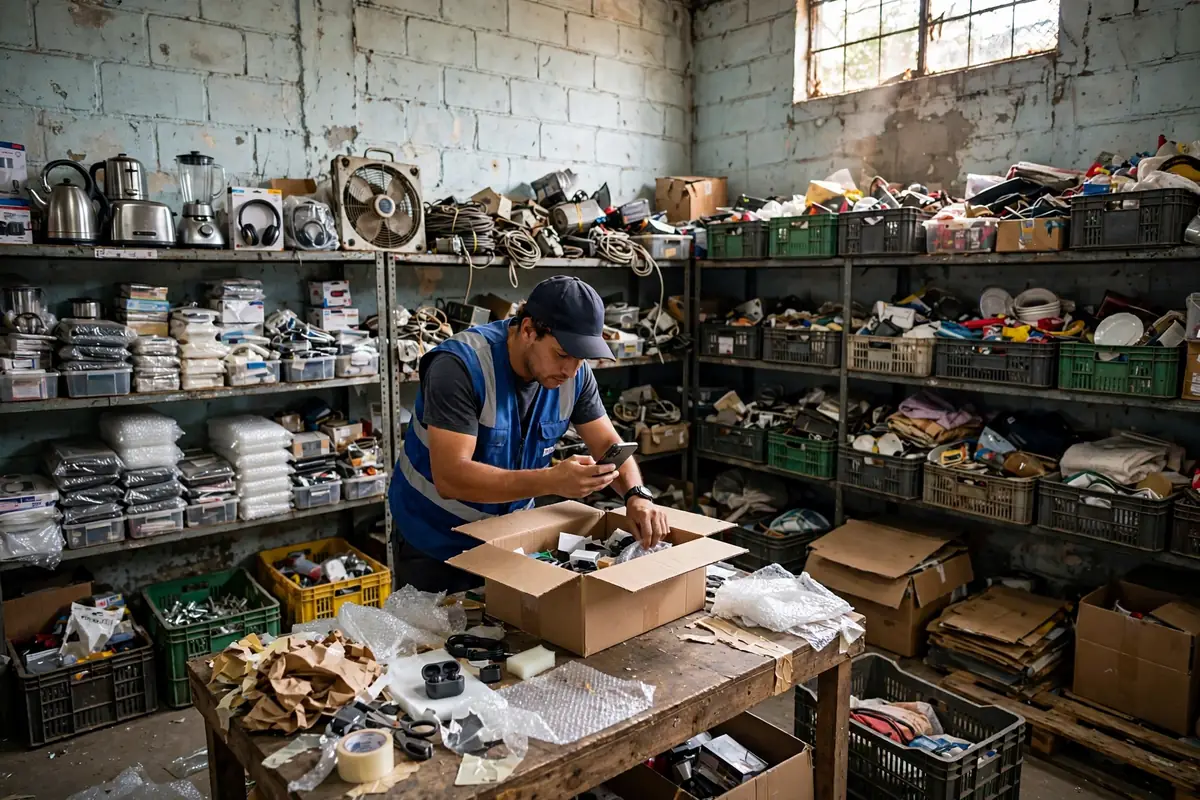
The first job when a return arrives is grading, not putaway. Consider a scenario illustration from last year. A seller I know in southern China was processing returns of small appliances at a local warehouse in the United States after peak season. Returns arrived in a two-week surge, the warehouse was short staffed, and inspectors graded anything that looked intact as resalable. A batch with functional faults went back out, buyers plugged the units in, and the complaints arrived fast. That stock paid freight twice and ended as refunds and bad reviews.
After that, we split grading into four hard grades and taped the sheet to the inspection bench.
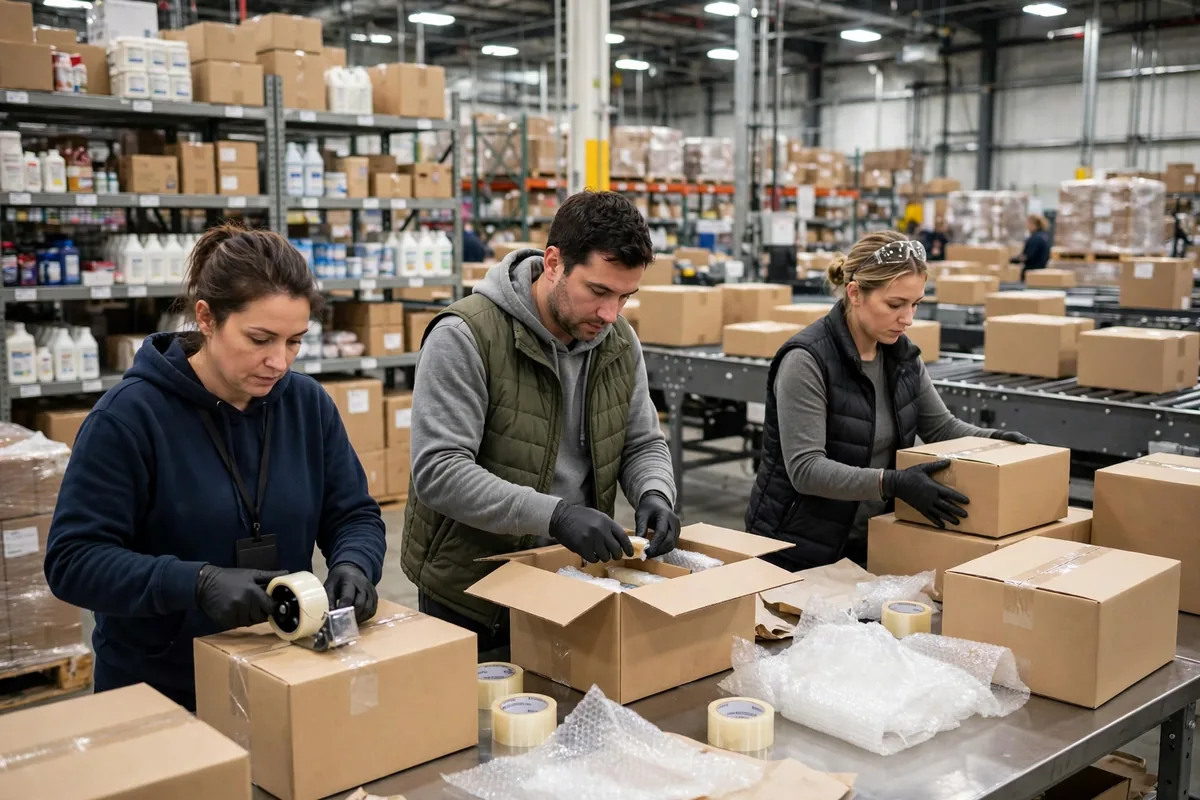
Grade one is unopened and intact, with seals complete and spot checks passing. It can go back to sellable stock. Grade two is opened or lightly used. It needs cleaning, missing accessories replaced, and repackaging before it can be refurbished for resale. Grade three is functionally faulty or visibly damaged. It goes to a hold area, never mixed with sellable stock, while the seller decides on repair, downgrade, or destruction. Grade four raises hygiene or safety concerns, such as used personal items or opened food-contact products. My own rule is to destroy those rather than gamble my store's reputation on a resale.
The counterintuitive point is that stricter grading costs more per minute and less per month. Every faulty unit you wave through returns later as a second return, a support ticket, and a review that warns other buyers away. The extra minutes at the bench are the cheapest quality control you will ever buy.
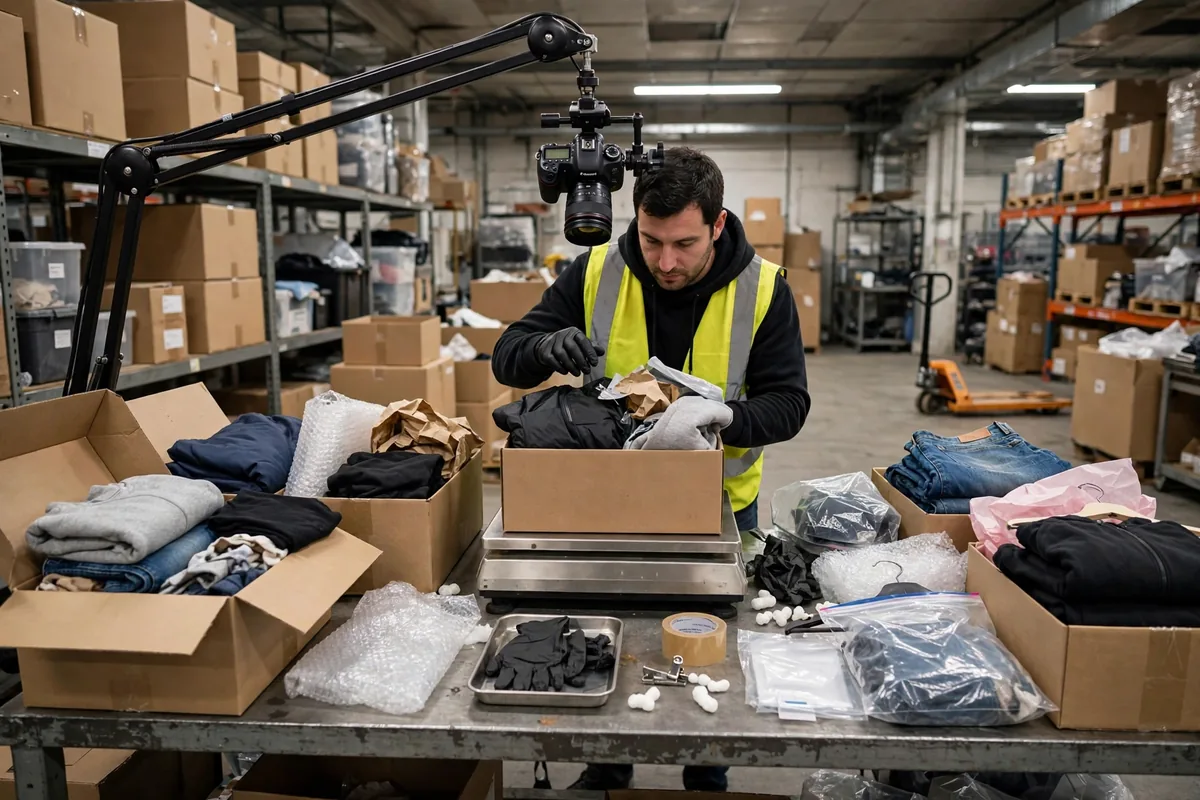
Grading also needs evidence. Every return should leave at least an unboxing photo and a recorded grade that can be traced by order number. Without photos, every dispute between seller and warehouse ends the same way. The seller cannot prove the condition on arrival, so the seller absorbs the loss.
The math behind Temu returns warehouse processing: refurbish, resell, or destroy
Sellers ask me whether a return is worth refurbishing. My answer is to run one inequality before touching the goods. The expected resale recovery must exceed refurbishment labor, supplies, extra storage, and the cost of a possible second return. If the numbers fail that test, refurbishing means working for the warehouse's benefit, not yours.
The table below is a hypothetical worked example. All figures are illustrative scenario assumptions, not platform rates and not any warehouse's actual quote. Use your own contract terms and the platform's official latest guidance for real decisions.
| Option | Illustrative cost shape (hypothetical example) | Best fit | What the seller must verify |
|---|---|---|---|
| Resell as-is | Mostly inspection and relabeling labor, minimal supplies | Unopened, spot-checked, fast-moving standard products | Sampling rate is kept and batches stay traceable |
| Refurbish and resell | Cleaning, accessories, repackaging, and re-inspection stacked together | Higher-value goods with replaceable parts and packaging | A written refurbishment standard defines what counts as pass |
| Downgrade and clear | Accept discounted recovery through clearance or bundles | Functionally sound goods with packaging or cosmetic flaws | The channel is compliant and flawed goods are never sold as new |
| Destroy | Disposal and evidence cost, with zero recovery | Faulty, unsafe, unhygienic, or uneconomic units | Destruction evidence is kept, not just a verbal confirmation |
I ran this on my own stock this spring. A batch of low-priced home goods came back, and my first instinct was to refurbish everything. When I split the batch by grade, the labor and repackaging cost on the cheapest units came close to their likely resale recovery before even counting a second-return risk. I refurbished only the clean, fast-moving portion, cleared the cosmetic cases at a discount, and destroyed the rest. The batch lost less money than the refurbish-everything plan would have. Grade first, calculate second, act third. Reverse that order and you pay for it.
Destruction deserves one more warning. Destroyed does not mean tossed in a bin. Confirm how the warehouse disposes of the goods and what photo or document evidence you receive. Some categories carry environmental or safety duties, and a casual disposal can leave the seller exposed. Follow local rules and the platform's official latest guidance rather than a warehouse assurance that everything is fine.
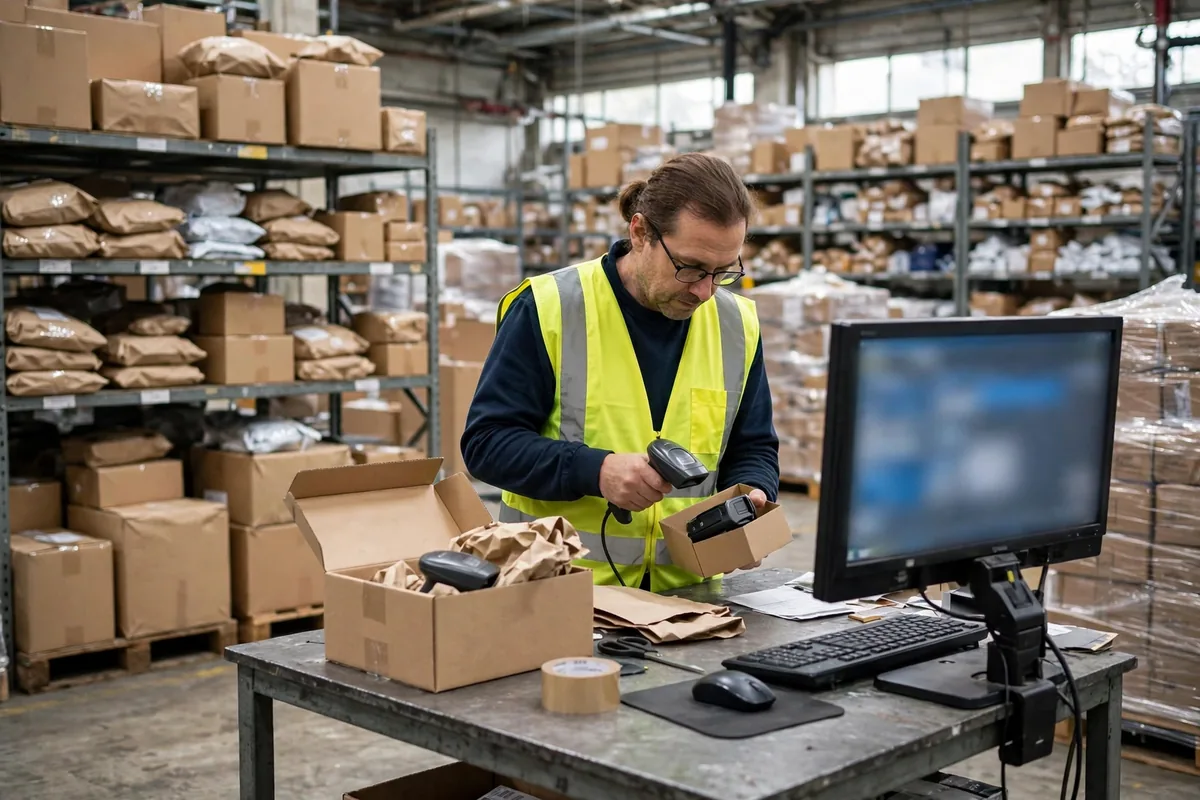
Three traps catch sellers again and again. The first is address and ownership confusion. Returns under different models may land in different warehouses, and a mismatch between your dashboard count and physical stock often means units are sitting in inspection, refurbishment, or hold status without clean status updates. Agree on status reporting that separates in-transit, awaiting inspection, sellable, and awaiting destruction, or your replenishment decisions will be guesses. The second trap is neglect. A clothing seller I know left European warehouse returns untouched for two months last year, paying storage while seasonal stock aged past its selling window. Returns decay, especially apparel, seasonal goods, and dated products, so set a decision deadline for every batch. The third trap is shopping on unit handling price alone. A cheap warehouse with sloppy grading will collect its discount back through second returns and bad reviews. Compare grading accuracy, refurbishment pass quality, second-return behavior, and evidence discipline, not just the per-piece fee.
Temu returns warehouse processing is not a race to move boxes. It is grading discipline, honest math, and evidence you can pull up months later. You cannot stand at an overseas inspection bench every day, but you can write the grades, the formula, and the evidence rules into your warehouse agreement. Next time a returns bill hurts, pull the four-way split for that batch before blaming the platform. The leaking grade will be obvious.
By Ah K, E-commerce Seller (5 yrs)