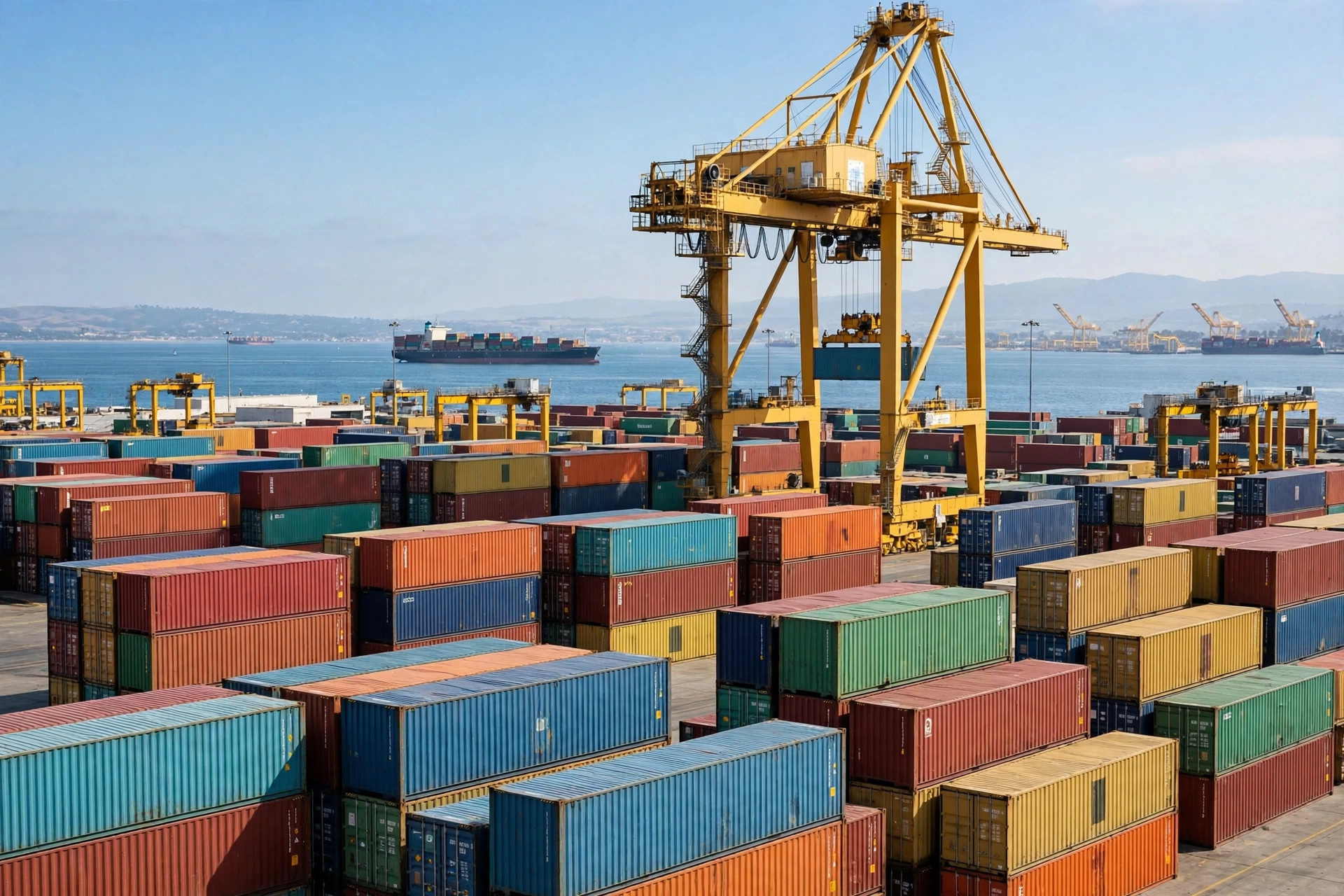
Here's my verdict up front: peak season 2026 started in May, not October.
That's not hyperbole. U.S. container imports hit 2.6 million TEU in August, up 3.3% year over year — the third-highest month on record, per Descartes' monthly shipping report via Transport Topics. The Port of Los Angeles handled 955,907 TEU in August, and the June-through-August stretch topped 2.9 million TEU, the busiest three months in the port's history. Next door, Long Beach moved 919,992 TEU in August, up 2% — its fifth-strongest month ever.
There are two sides to this. Yes, the volume is real. But a lot of this freight was supposed to arrive in September and October.
Why everything arrived early
In May, laden imports through U.S. West Coast ports spiked 19.8% year over year, according to Sea Intelligence. Why May? Because importers were racing a deadline: July 24, the hard date for a new round of permanent tariffs. Courts had struck down an earlier batch of tariff policies, replacement tariffs followed, and nobody wanted to be the importer whose container arrived one day late and paid the higher rate. Halloween costumes, Thanksgiving decor, Christmas gifts — freight that used to land in August and September was stacked into Los Angeles and Long Beach in May and June.
Put simply, this year's "early peak" isn't a consumer boom. It's the tariff calendar scrambling the rhythm. Retailers imported just as much as ever; they just moved the second half of the year into the warehouse early. The National Retail Federation now expects September to be the busiest import month of the year at major U.S. ports — 2.31 million TEU, up 9.6% — which means the traditional October peak may be little more than a tail this year.
I've seen this movie before. The "head start" usually becomes the hole you fall into.
The tariff savings turned into warehouse rent
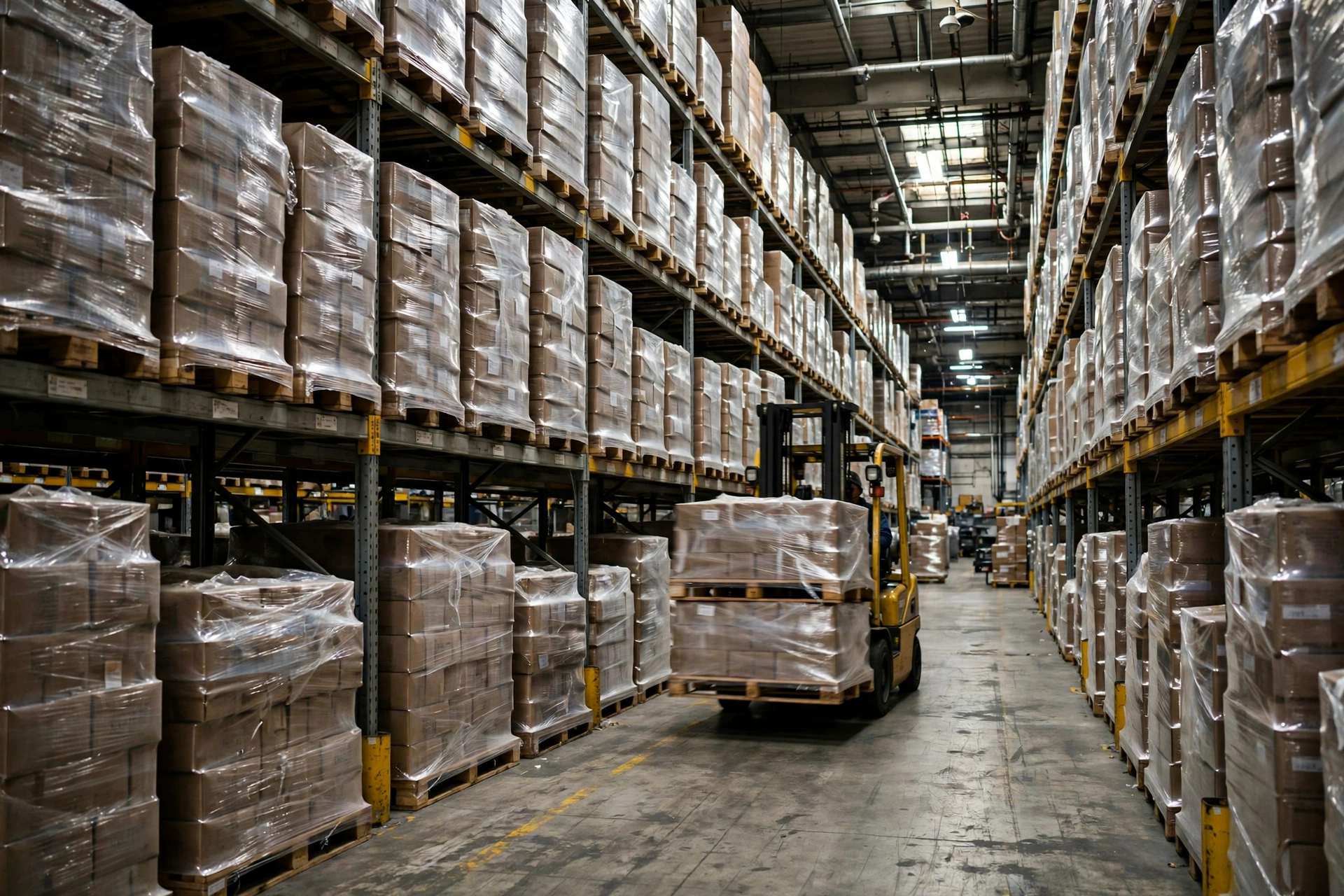
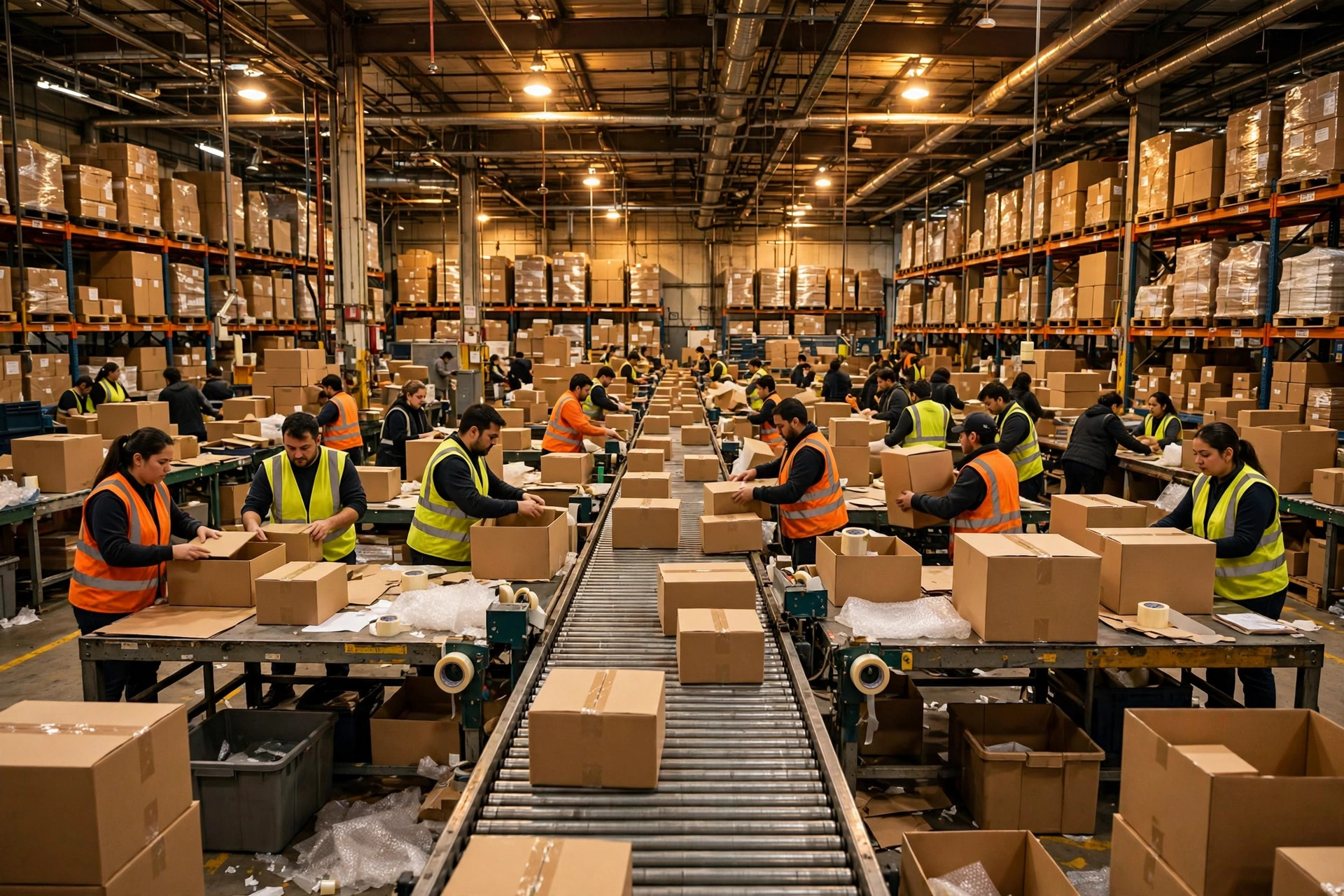
Late June, I walked a client's warehouse in Ontario — home goods, selling on Amazon and their own site. The operations manager pointed at aisles so packed you couldn't walk through: "We brought in three months of inventory in May. Our November freight is sitting in June's slots."
That's not a joke. His building filled up by mid-June, and he had to lease a short-term overflow space in Fontana. Short-term space rents at a steep premium over a term lease — and with inventory split across two buildings, pickers walked farther and mis-picks went up. Worse was dwell time: every extra day a container sits at the port or in the yard is money.
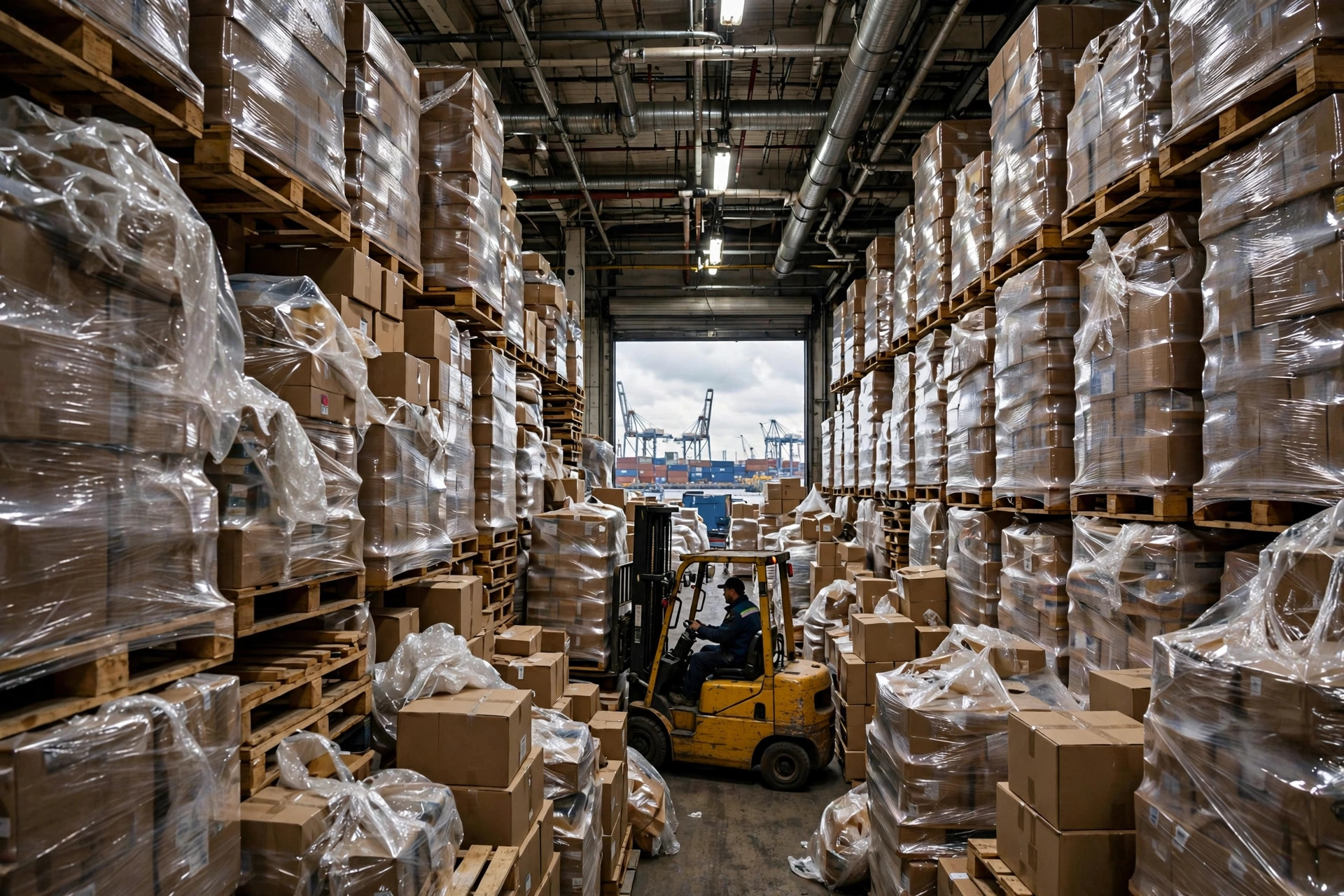
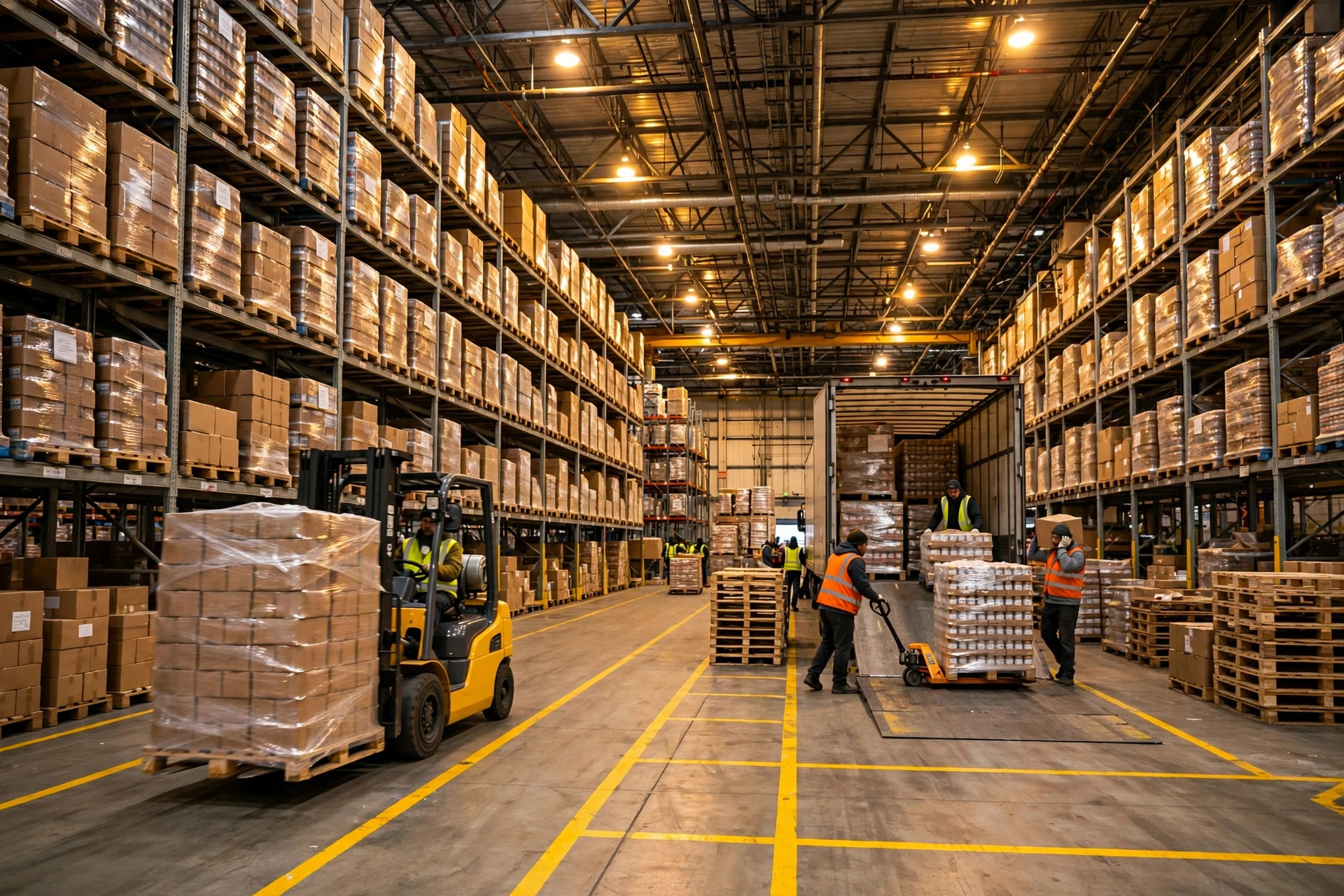
A friend running a 3PL near Long Beach told me the same story from the other side in early August: his devanning appointments were booked two weeks out, customers screaming, crews on overtime — but there was nowhere to put the freight. "It's not that freight can't get in," he said. "It's that once it's in, it has nowhere to go. Everyone's waiting for October, but October's freight arrived in June."
Every strategy has a price. Here's the trade-off I walked that Ontario client through:
| Normal replenishment rhythm | Frontloaded 2–3 months early | |
|---|---|---|
| Tariff cost | Pay the new rate in full | Beat the deadline, save a chunk |
| Warehousing cost | Existing space suffices | Overflow at premium short-term rates |
| Cash tied up | Rolls with the sales cycle | Months of inventory paid for up front |
| Flexibility | Replenish as needed | Styles and quantities locked early; slow sellers become dead stock |
(Illustrative model to show the magnitudes — run your own numbers.)
Frontloading saves on tariffs and eats your cash flow and your cube. That's this year's biggest trade-off: tariffs are a visible tax; warehouse space and cash flow are invisible ones. Most people only did the math on the first.
The ports are booming. So why aren't the trucks?
Here's the contrarian read: record port volume does not mean record trucking demand.
James Roe, who leads shipping and logistics analysis at AlixPartners, put it bluntly in early October: retailers front-loaded holiday inventory, and it "shows up at the ports but not yet on the highway." August's record 2.6 million TEU hasn't translated into dry van demand — the freight is sitting in warehouses, not rolling as highway orders. Consumer confidence is at an eight-month low, and inland freight demand simply hasn't followed the ports.
That doesn't mean transportation is fine. Maersk's September North America market update was clear: the U.S. drayage market is tightening — chassis shortages, fewer qualified drivers — and the pressure holds through peak season. In plain English: getting a box out of the port is getting harder, and when you can get a truck, it isn't cheap.
I've watched too many people get this math wrong: "freight at the port" is not "freight in the warehouse." Not this year. Every extra week of dwell time is a week shaved off your selling season. Between the port and the warehouse sits a last-mile bottleneck nobody budgeted for.
Three things 3PLs and shippers should do now
First, lock up overflow capacity now, not in October. Short-term space, shared warehousing, overflow terms with your current 3PL — negotiate today and you still have leverage; negotiate after you're full and the price is whatever they say. Inland Empire warehouse vacancy hit 8.5% in Q2, a 15-year high per CoStar, so space exists. The trick is moving before everyone else does.
Second, lock in labor 6–8 weeks out. Peak temp workers don't run out in October; they're spoken for by August. Frontloading pulled your receiving, devanning, and putaway workload two full months forward — your staffing plan has to move with it. Don't start recruiting when devanning is already booked two weeks out.
Third, book drayage ahead instead of chasing trucks. Walk your carrier through the October–December pull plan now, and prioritize high-velocity freight. Chassis and drivers are this year's tightest link; spot-market drayage will be expensive, slow, or both.
The most dangerous moment isn't peak season — it's next Q1
One last word of warning, and it's what worries me most: the real risk of frontloading isn't this peak season. It's next year's first quarter.
Pulled-forward volume means pulled-forward demand. If holiday sales don't overdeliver, the early freight doesn't sell through, and Q1 becomes a clearance exercise. Whatever you saved on tariffs comes back out as markdowns — and the warehouse landlord won't be offering a discount.
While your freight queues at the port, your cash is queuing too. This year isn't won by whoever imported earliest. It's won by whoever's cash flow and cube can outlast the gamble.
By Lao Mi, Supply Chain Veteran (20 yrs)