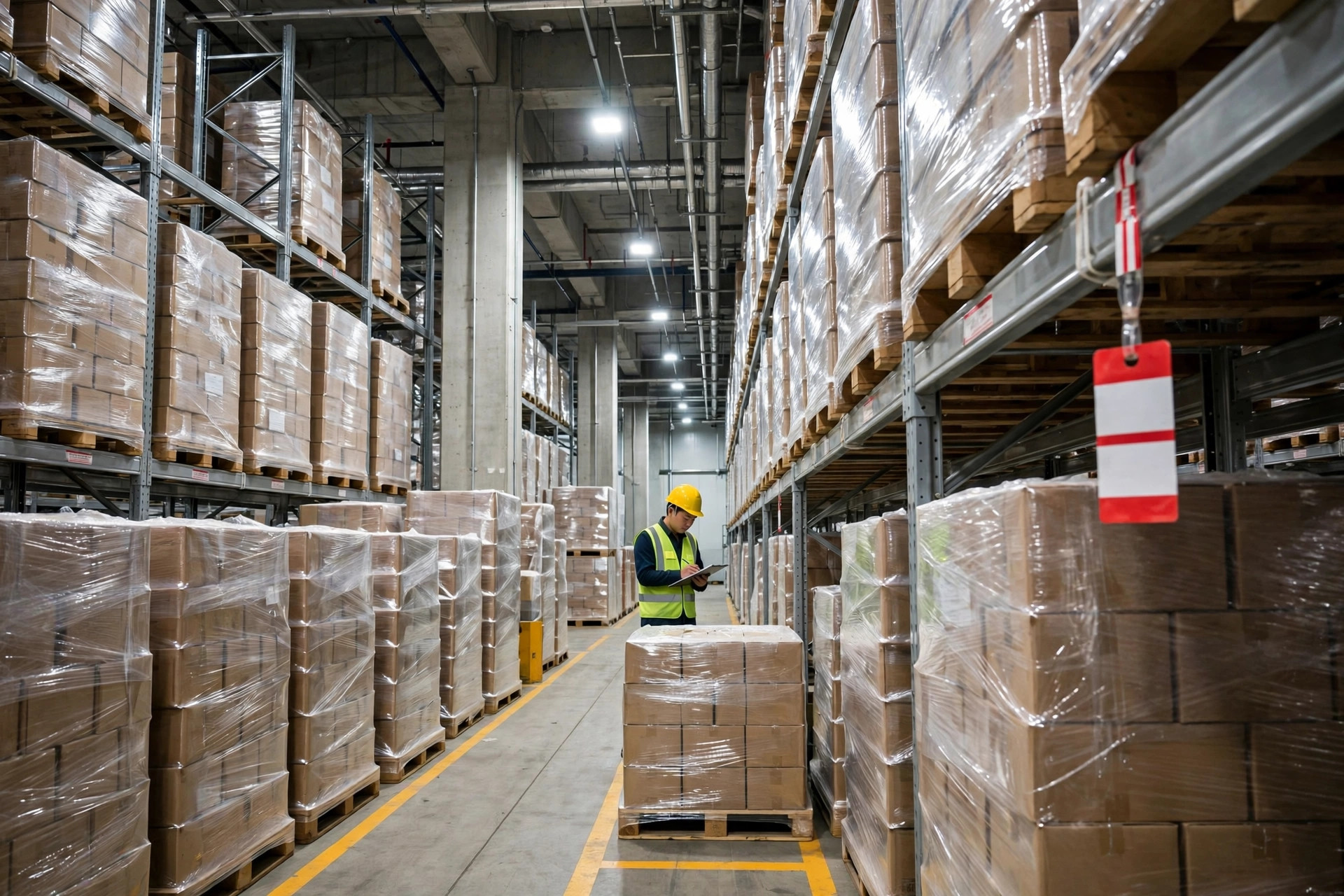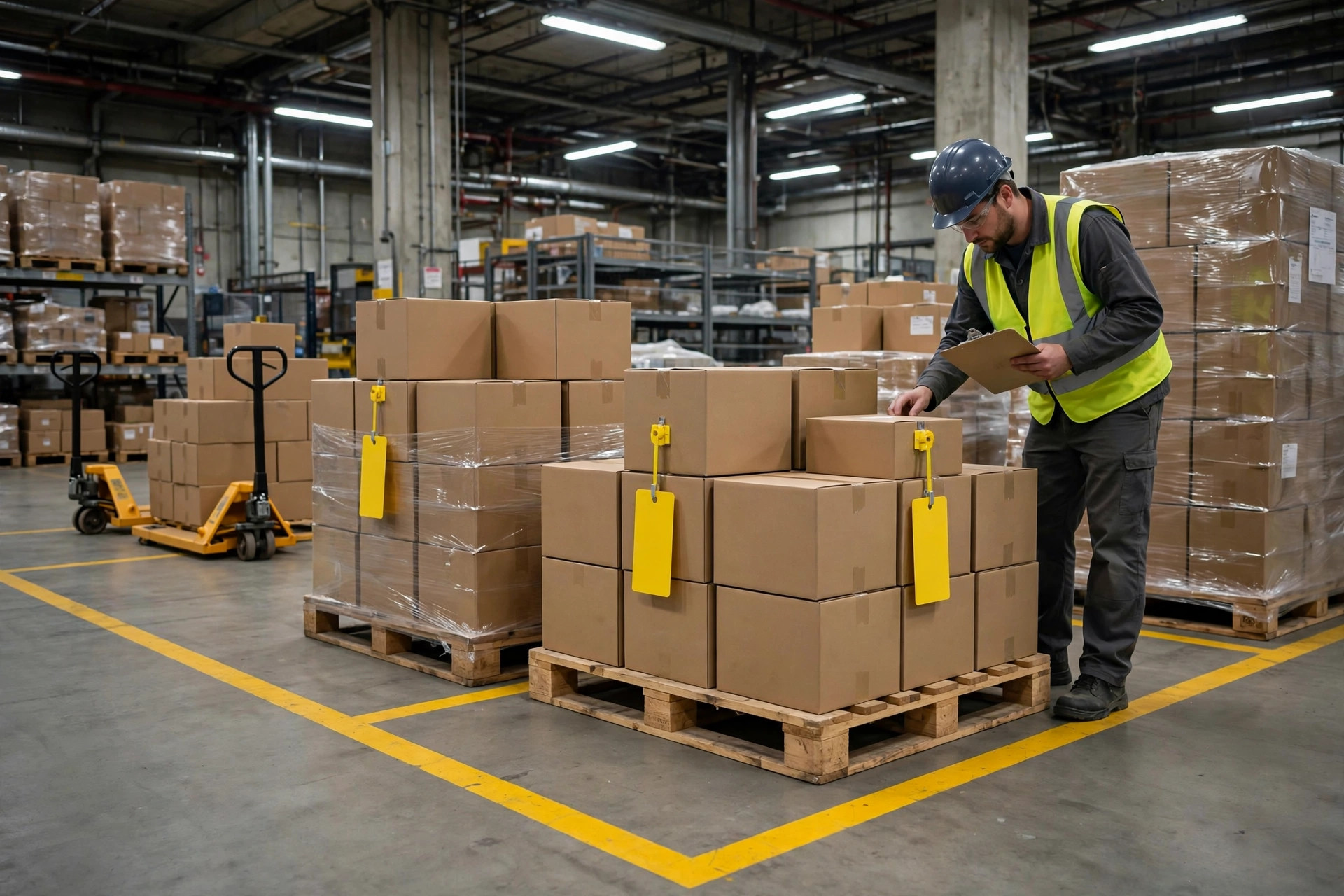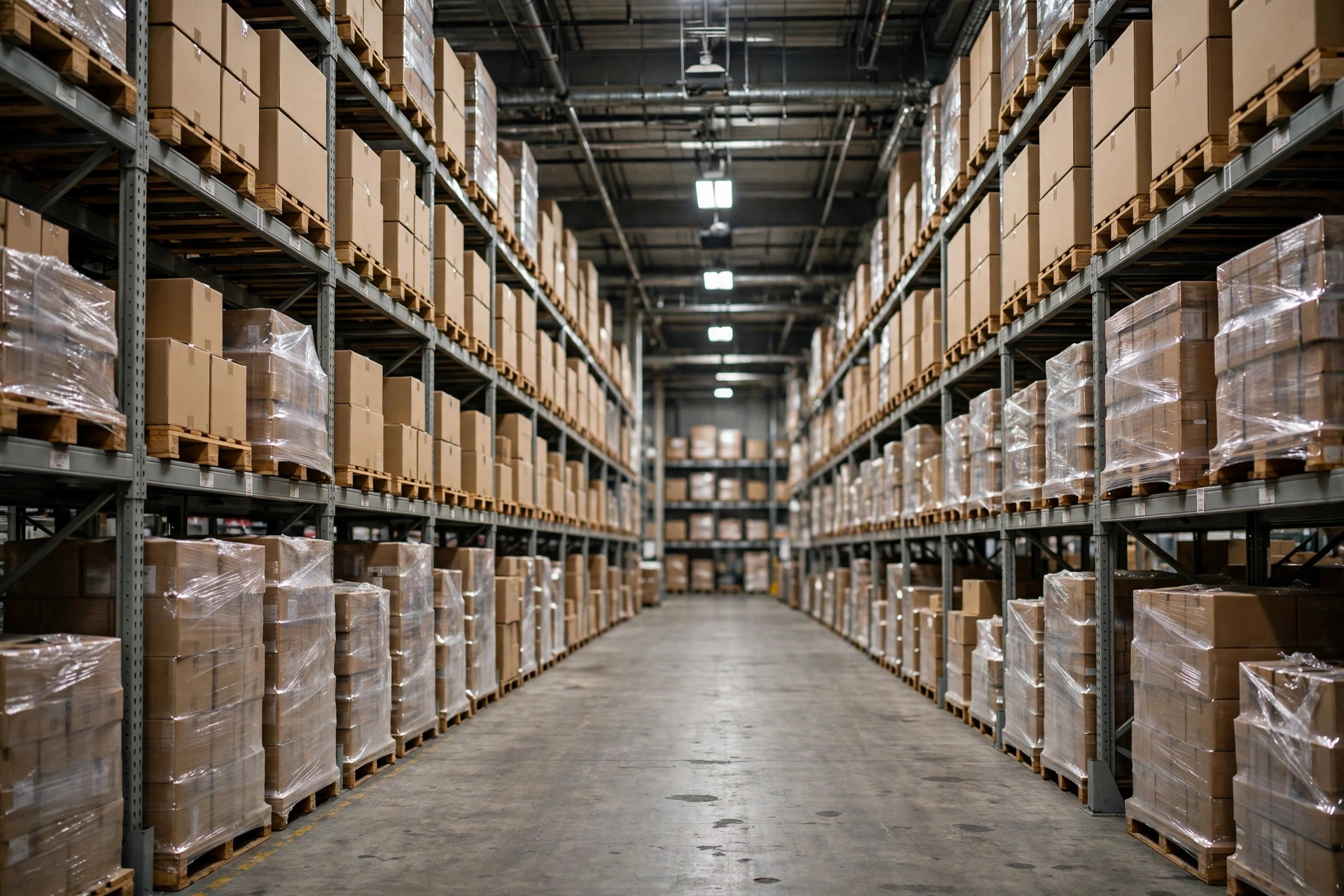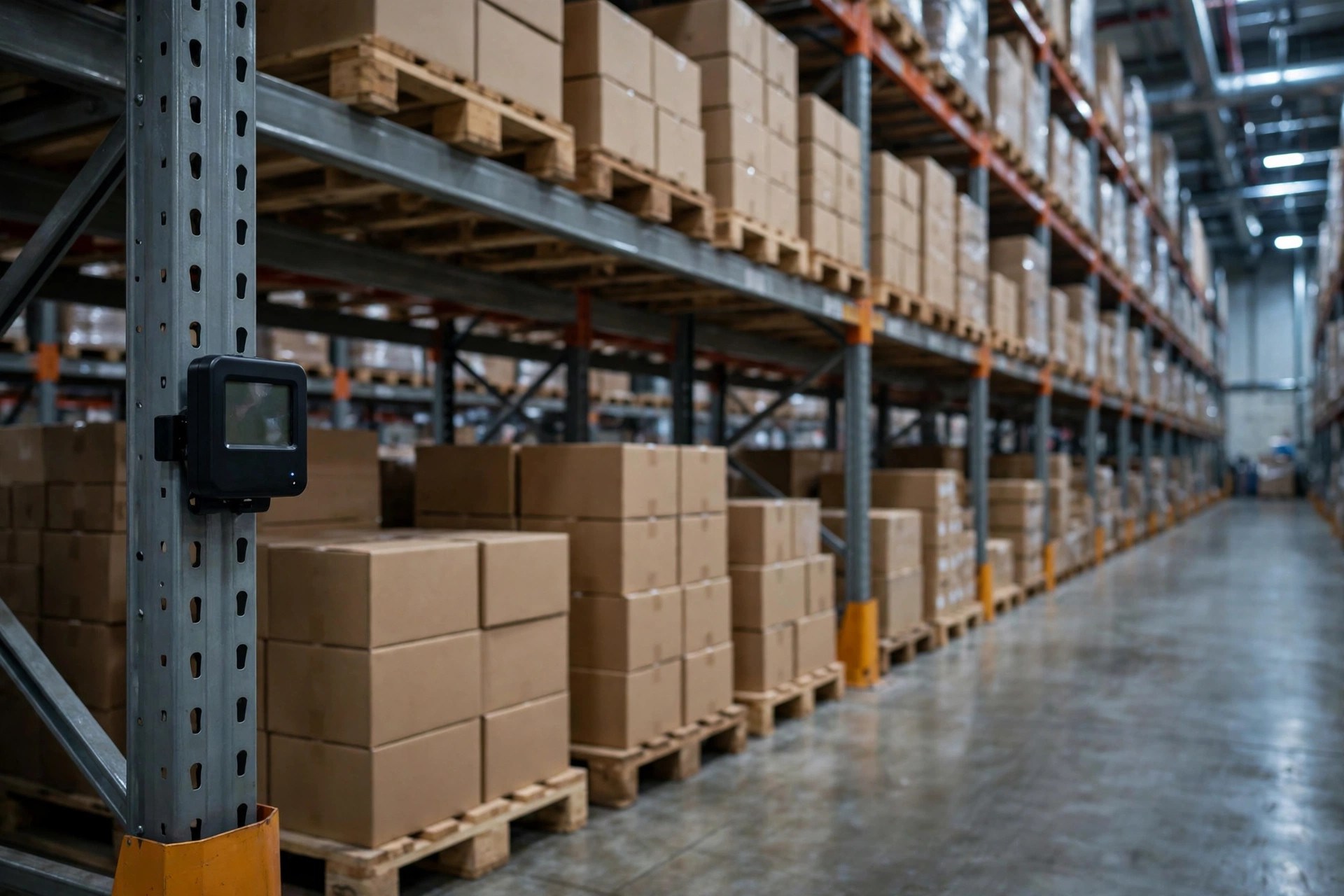
If your warehouse depends on Chinese suppliers, chinese new year factory shutdown warehouse inventory planning is your problem, not your freight forwarder's. Every logistics blog publishes a "booking guide" for importers: book space, beat the cutoff. Nobody writes the warehouse-side playbook — how to staff the two weeks before, where to put the flood of inbound, how many weeks of safety stock to hold, how to receive the first post-holiday wave, and how to tighten QC when the new temp crew shows up. Here is the truth from our floor.
First, the date. Chinese New Year 2026 falls on Tuesday, February 17, the Year of the Horse. It feels far away. It is not. In our warehouse, this plan starts in November.
The Real Shutdown Timeline (It Is Not One Week)
Most people think Chinese New Year means seven days off and full speed on day eight. Wrong. Dead wrong.
Here is the real timeline. The statutory holiday runs roughly a week. But factories start slowing down two to three weeks before — workers head home early, the skilled operators first, so output drops before the calendar says it should. The actual shutdown usually lasts two to three weeks. After reopening, workers trickle back, and industry trackers put full output at two to three weeks after reopening, with some estimates stretching to four to six weeks. On top of that, a meaningful share of workers simply never return to their old factory — one logistics survey puts that figure at up to 25%.
So you are not planning for seven days. You are planning for a six-to-eight-week capacity black hole. And here is the counterintuitive part: the week right after the holiday, which looks perfectly normal on the calendar, is the messiest week on the warehouse floor — short crews, chaotic inbound, new faces, quality swings. Plans built around "seven days off" all need rework. That is exactly why chinese new year factory shutdown warehouse inventory planning has to start in November, not in January.
Chinese New Year Factory Shutdown: Staffing the Two Weeks Before
On the 23rd day of the twelfth lunar month last year, 11:30 at night, I was still in the warehouse with 8% battery on my phone.
That day we shipped 28 trailers out and received 31 in. A normal day is 12. One of the temps, squatting by the dock eating a bun, said, "Boss Feng, this isn't a warehouse, this is the Spring Festival travel rush."
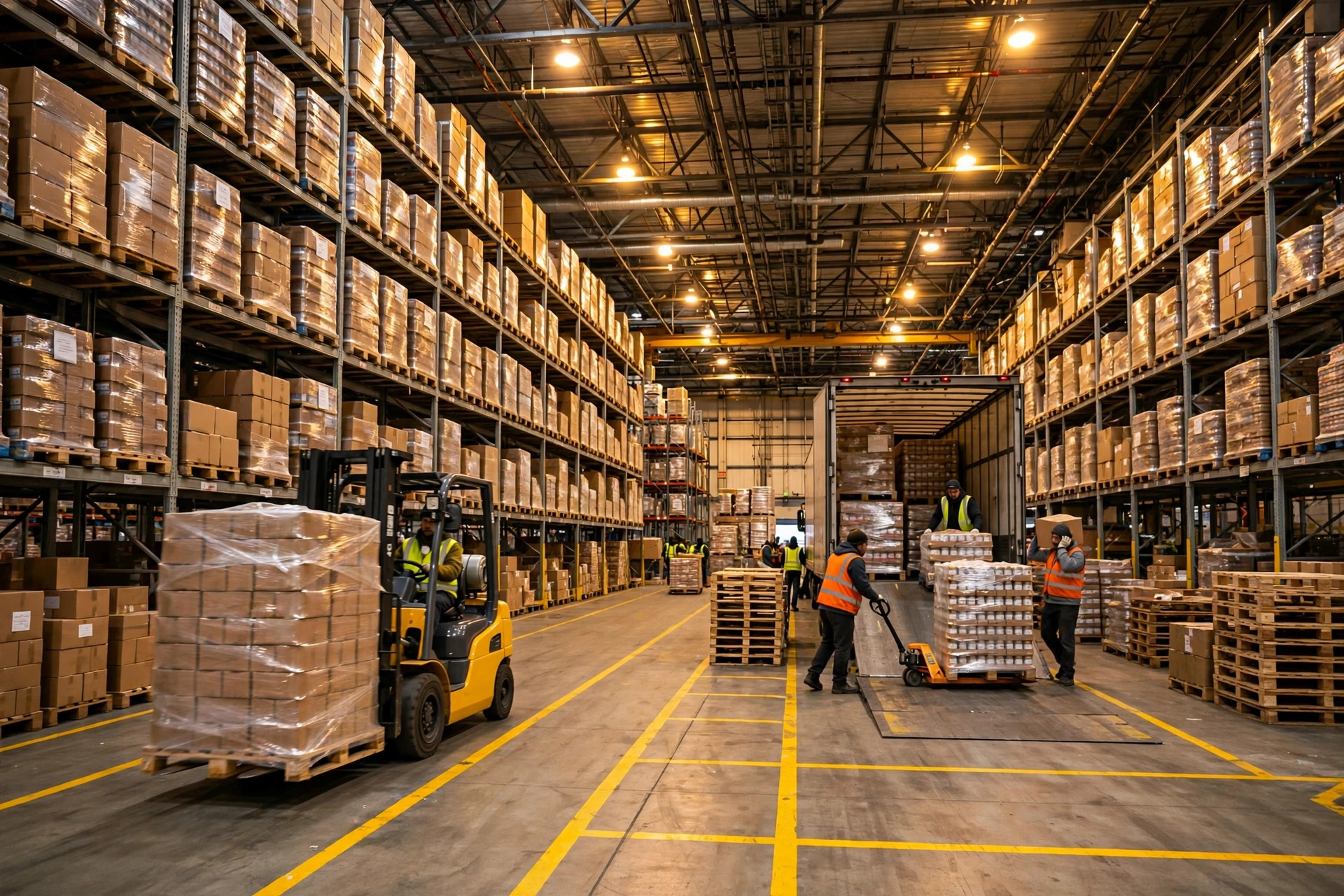
In the final week before the holiday, our daily inbound jumped from 8,000 cartons to 22,000. Trailers went from 12 a day to 28. That is not a plan — that is factories rushing plus customers stockpiling, squeezing from both ends. It will flood you.
Here is how we staff it now. First, lock your temp labor three weeks early. We sign 20-day short contracts and lock in 45 people at once. Do not go to the labor market one week before the holiday — every warehouse in the city is hiring then, rates jump 30%, and whoever is left is whoever nobody else wanted.
Second, key posts are veterans only. The receiving lead and the forklift drivers must be your experienced people. Temps do unstacking, palletizing, and labeling — physical work only. We paid tuition on this in 2023: a temp with three days on the job drove a forklift into a rack. The repair bill was over 20,000 yuan.
Third, double the night-shift premium for the last ten days before the holiday. Do not be stingy here — those ten days, if you do not pay up, people simply will not come back tomorrow. Morale is at its most fragile right before the holiday.
The math: forty-five temps times 20 days times roughly 200 yuan a day is about 180,000 yuan, plus roughly 30,000 in night premiums — call it 210,000 total. In 2023, when we were not ready, the flood week cost us 90,000 in emergency outsourcing over three days plus 40,000 in lost-and-damaged claims. Planned spend beats unplanned disaster. Every time.
Warehouse Inventory Planning: How Many Weeks of Safety Stock?
This is the most important arithmetic in the whole holiday plan. Our rule of thumb: hold three to four weeks of safety stock. Let me be clear — that is not an industry standard. That is the number our warehouse arrived at after years of trial and error.
We break it into three tiers:
| SKU tier | Weeks to hold | Logic |
|---|---|---|
| A items (best sellers, cannot stock out) | 4 weeks | Factories restarting a week late is normal; four weeks lets you sleep |
| B items (regular movers) | 3 weeks | Run with the rule of thumb |
| C items (slow movers) | 2 weeks | A few days of stockout, manageable loss |
| Seasonal / long tail | 1–2 weeks, or clear it | Do not tie up cash in tail stock |
In 2024 we learned this the hard way: one A-level SKU had only two weeks of cover, our factory restarted a full week late, and we ate five days of stockout — 60,000 yuan in customer penalties plus a lost follow-up order. One extra week of stock would have cost a little over 20,000 in carrying cost. Folks, this math is simple — one extra week of stock always costs less than one day of stockout. Never bet on the factory restarting on schedule. Has it ever?
Dock Space: Where Does the Flood Go?
When inbound triples, freight with nowhere to go backs up at the dock, and forklifts fight each other in the aisles. Our fixed routine now: three weeks before the holiday, we start clearing a surge staging area. All C-class slow movers get pushed up to high rack positions and corner slots. The entire ground level gets cleared and dedicated to holiday surge staging.
And one counterintuitive rule: do not fill your slots to 100%. Keep 15% flexible. A warehouse packed to the ceiling actually moves slower — finding stock and putting away takes longer. A full warehouse during a flood is suicide.
Receiving Plan for the First Post-Holiday Wave
The first week after the holiday, do not book receiving to capacity. Our rule: week one after reopening, we accept only 60% of our normal daily trailer count. Why? Because this inbound is the messiest of the year — rushed factory output means damage, mixed SKUs, and short counts are normal. You need to leave time for QC.
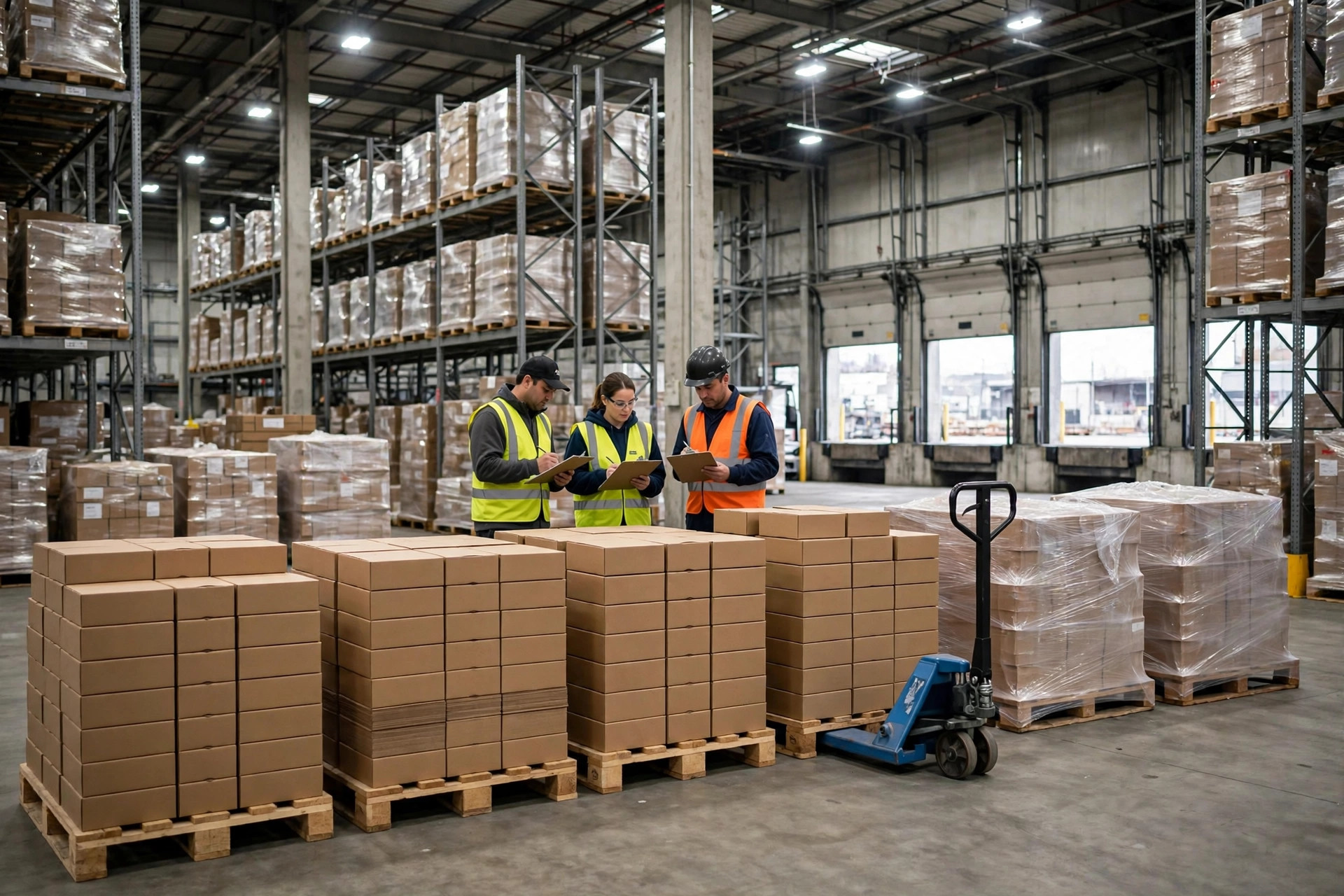
The mechanics: appointment-based receiving. Suppliers and forwarders report their arrival window 48 hours ahead; no report, no dock door. Mixed containers get their own lane. We mark off a quarantine zone by the dock — damaged or abnormal freight goes straight there, never into the normal flow. Tuition paid in 2024: freight from a damaged container got mixed into normal slots, and we later picked out more than 200 defective units. Returns and rework ate half a month.
The Post-Holiday QC Dip: Tighten Inbound Inspection
This is the most overlooked link in the holiday plan. I call it the QC dip — after the holiday you have new workers, the veteran crew is not all back, and inspection quality drops a notch. Guaranteed.
The first inbound after the 2024 holiday: 12 containers, 2 damaged, 1 with mixed SKUs. The new temp QC sampled 5% and released everything. More than 3,000 defective units flowed into the building, and for the next two weeks picking kept bouncing returns while rework never stopped.
Our fixed routine now: for the first two weeks after the holiday, double the sampling rate — routine items go from 5% to 10%, and A-level SKUs get full inspection on key attributes. New QC staff shadow a veteran for three days and pass a process test before working solo. Damaged containers get photographed in full before a single carton is unloaded.
Counterintuitive but true: after the holiday, slow is fast. An extra half day on tightened inspection saves you half a month of rework. The half day you "save" by rushing will always be collected later, with interest, in returns.
Three Reminders for Fellow Operators
First, start this plan in November, not in the twelfth lunar month. Temp labor, staging space, safety stock — none of it comes together in a week.
Second, lock labor first. The temp market two weeks before the holiday is a war zone. Arrive a week late and you do not get workers, you get trouble.
Third, hold one more week of stock than your gut says. Never bet on the factory restarting on schedule. In all these years, I have never seen a factory come back at full output on time.
The holiday cannot be avoided. It can only be planned for early. That is the whole point of this chinese new year factory shutdown warehouse inventory planning routine: when the math is done ahead of time, the pre-holiday flood and the post-holiday shortage are both just part of the plan. And things that are part of the plan are not called accidents.
By Chen Feng, Warehouse Operations Manager