It was 5:30 in the morning, fog still hanging over Tangier Med, and I was already standing at the gate of the bonded warehouse. Let me be straight with you: that day I was not waiting for cargo. I was waiting to see which would arrive first, the sailing schedule or the customs release. Tangier Med port warehouse automotive logistics is not really about the size of the port; it is about whether the warehouse and the port keep the same rhythm.
A batch of finished vehicles bound for Europe was already lined up in the port parking area. The paperwork was stuck at the last step. Drivers were dozing in their cabs. Forklift operators were smoking by the warehouse door. Nobody dared move anything. The cargo was at the port, the ship was at sea, and the people in the warehouse could only wait. That is everyday life in Tangier Med port warehouse automotive logistics. Cargo is not afraid of distance. It is afraid of rhythm going out of sync.
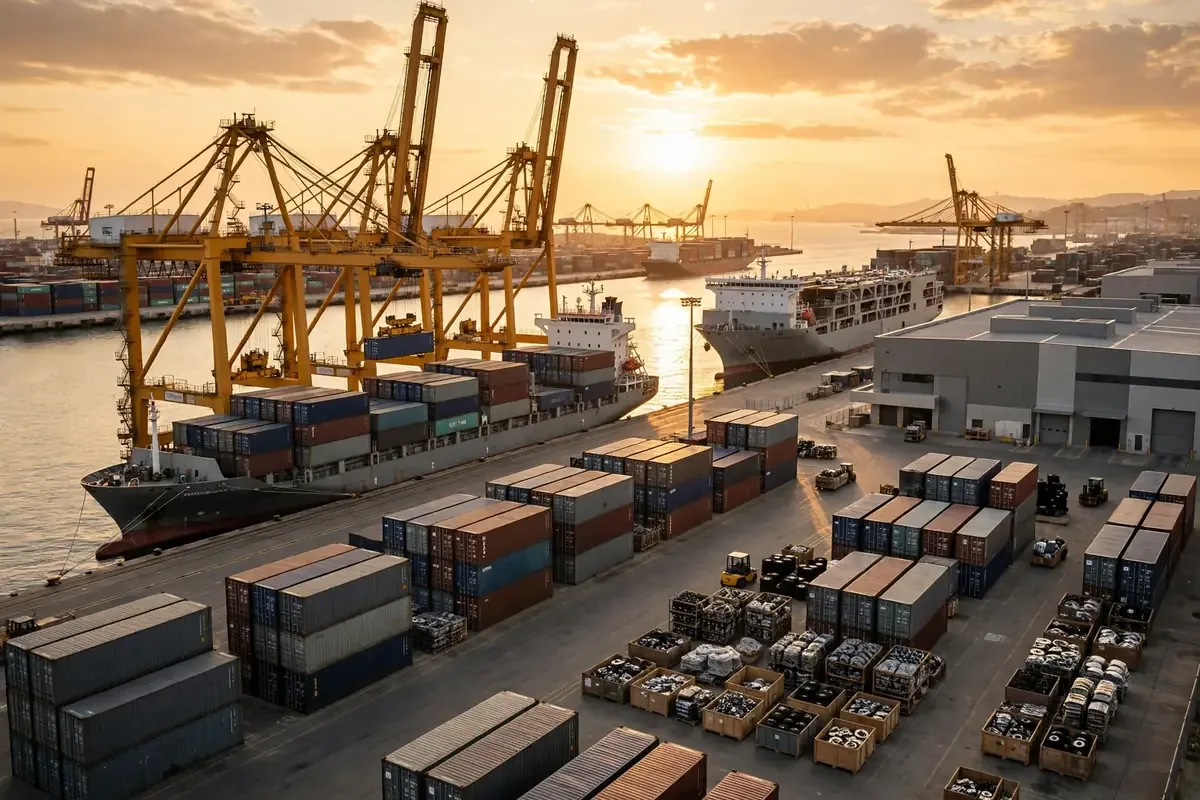
Tangier Med sits on the southern shore of the Strait of Gibraltar, at the northern tip of Morocco. Renault runs a vehicle plant nearby at Melloussa, another carmaker runs a plant down in Kenitra, and dozens of tier-one suppliers cluster around the port and the free zone. The port authority's public figures say the two vehicle terminals handled about 600,000 new vehicles in 2024, and the Renault-dedicated terminal covers 13 hectares with room for 6,000 vehicles. I will not dress those numbers up further. The point is simple: cargo here does not trickle in. It moves in batches, on sailing schedules, on production takt. A warehouse that still runs on ordinary e-commerce habits, first in first out, ship whenever it arrives, will get schooled by the sailing schedule sooner or later.
In Tangier Med Port Warehouse Automotive Logistics, First Ask Who Waits for Whom
The first step is not negotiating warehouse rent. It is writing down, in plain words, who waits for whom.
For finished vehicle exports, the port waits for the ship and the warehouse waits for the port. Cars leave the factory, go into the port vehicle yard, and load by sailing schedule. The warehouse has almost nothing to do here. Force it in and you only add a handling step and one more chance to scratch a car. For imported parts it is the other way around: the ship waits for the warehouse. The container arrives, clears customs, gets unloaded, and the goods go into the bonded warehouse for break-bulk before they are delivered to the factory on its call-off plan. If the ship arrives and there is nowhere to put the cargo, yard charges and lost time climb together.
I learned this the hard way when I first got here. A shipment of wiring harnesses arrived two days earlier than planned. The warehouse roster was set to the original plan, so there were not enough hands for unloading. The container sat in the port area for two extra days. Nothing was damaged, but the whole plan fell apart, and the JIT call-off window at the factory nearly slipped. Since then we have one rule: check the sailing schedule every morning at eight, and if it changed, change that day's unloading and delivery sequence with it. The roster follows the ship, not the calendar.
Let me be straight: what links a warehouse and a port is not cargo. It is information. Where is the ship, where is the paperwork, how many pieces does the factory need today. If those three do not line up, the biggest warehouse in the world will not save you.
JIT Components Fear Disorder, Not Delay
The most grinding part of Tangier Med port warehouse automotive logistics is JIT components. Harnesses, seats, bumpers. The factory does not want "sometime this month." It wants a time and a quantity.
One autumn, a harness supplier ran into trouble. Their goods came in two lots: one by sea, one by air as an urgent top-up. The sea lot cleared customs a day late. The air lot arrived first, and suddenly the warehouse had a pile of urgent stock with nowhere clean to put it. Worse, the factory's call-off plan had not changed. It still wanted goods in the original sequence. That day we moved the urgent lot into a holding area, pulled the planned goods back into order, and checked them one delivery note at a time. We got the deliveries out, but the night shift worked a full extra shift.
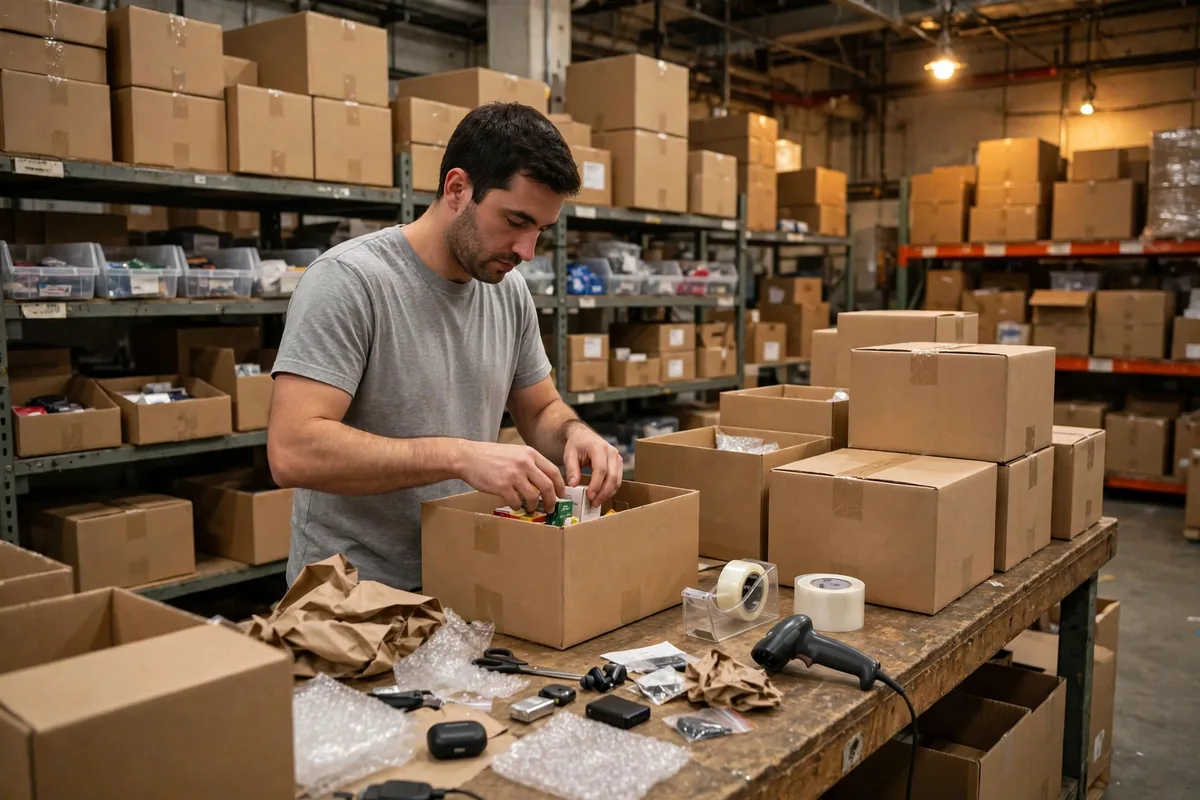
That night taught me something: a JIT warehouse does not just stock goods, it stocks sequence. We now run three zones in the bonded warehouse: inspection, ready-to-ship, and urgent. No matter how urgent a lot is, it never goes straight into the ready-to-ship zone. It passes through the urgent zone first, gets its model, quantity, and batch checked, and only then joins the queue in the factory's call-off order. It looks like an extra step. In practice it saves the midnight re-picking.
Here is the counterintuitive part: the warehouse closest to the port is not always the fastest. Some cargo is better off in a warehouse a little farther away, with one extra shuttle run, as long as the locations are tidy and the paperwork is clean. Port-side space is expensive. Stack it to the ceiling and finding one item means digging through three layers. The shuttle run takes a dozen minutes. Digging through a pile can take an hour. Anyone who has worked the floor can do that math.
Three Kinds of Cargo, Three Automotive Logistics Playbooks
This is how we run it now: classify the cargo first, then set the playbook.
| Cargo type | Role of the warehouse | Link with the port | What it fears most |
|---|---|---|---|
| Finished vehicles for export | Barely enters the warehouse; the port yard is the warehouse | Queue by sailing schedule, rail or truck to the port | Paperwork arriving after the ship |
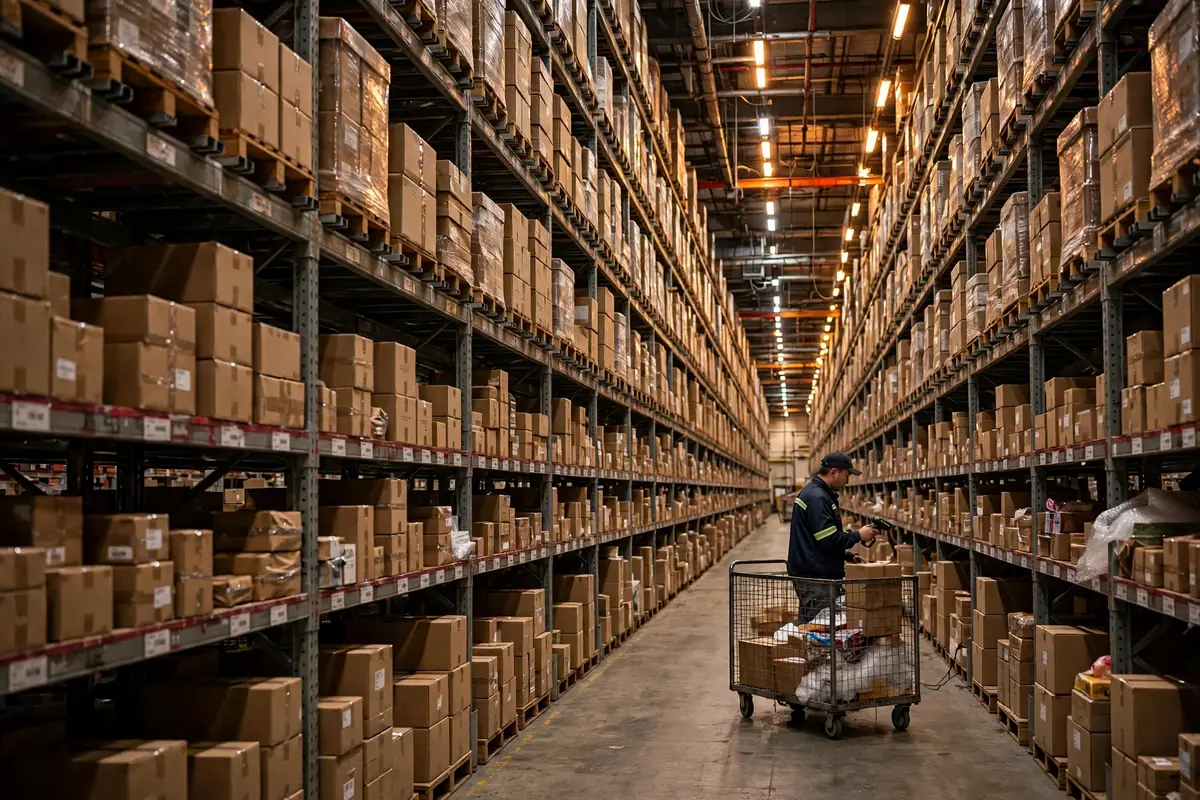
| Imported parts | Bonded warehouse unloads, breaks bulk, holds | Unload on arrival, deliver on the factory plan | Ship arriving early with no hands ready |
| JIT components | Stock by call-off sequence, no big inventory | Daily check of sailing schedule and call-off plan | Urgent lots breaking the sequence |
The table looks simple. Behind it are trade-offs. Finished vehicles skip the warehouse, saving handling and damage risk. Imported parts go through the bonded warehouse, saving customs and break-bulk time. JIT parts carry no big inventory, saving tied-up cash and re-picking. Every kind of cargo gives the warehouse a different job. Force one playbook on all three and something will break.
Inland distribution needs the same kind of trade-off. From Tangier Med heading south, the run toward Casablanca is not the same as the run toward Kenitra. Our rule: urgent goods go direct, never consolidated. Regular goods go on a fixed daily consolidated run, one departure a day, no exceptions. Consolidation saves money. Direct delivery protects the deadline. Do not mix the two in one calculation. Mix them and the urgent goods end up waiting for consolidation while the regular goods eat up direct trucks. You spend the money and still miss the deadline.
On customs, I will give you one piece of floor experience: paperwork first, cargo second. Get the declaration documents ready before the goods reach the port. If the documents are not ready, let the cargo wait an extra day at the origin port rather than arriving and then chasing paperwork. Those days of chasing documents leave the container in the port, the warehouse waiting, and the factory waiting, all three at once. We paid for that lesson with a peak-season night shift.
Brothers, Tangier Med automotive warehousing comes down to one line: the warehouse is the port's buffer, not the port's appendage. A buffer works not because it is big, but because its rhythm matches. Sailing schedule, paperwork, call-off plan: check all three every day, and the warehouse and the port can move together. Miss one, and the best port and the biggest warehouse are just a pile of loose parts.
Next time you take on cargo through Tangier Med, do not start by asking the rent. Ask one question first: did the sailing schedule change today?
By Chen Feng, Warehouse Operations Manager