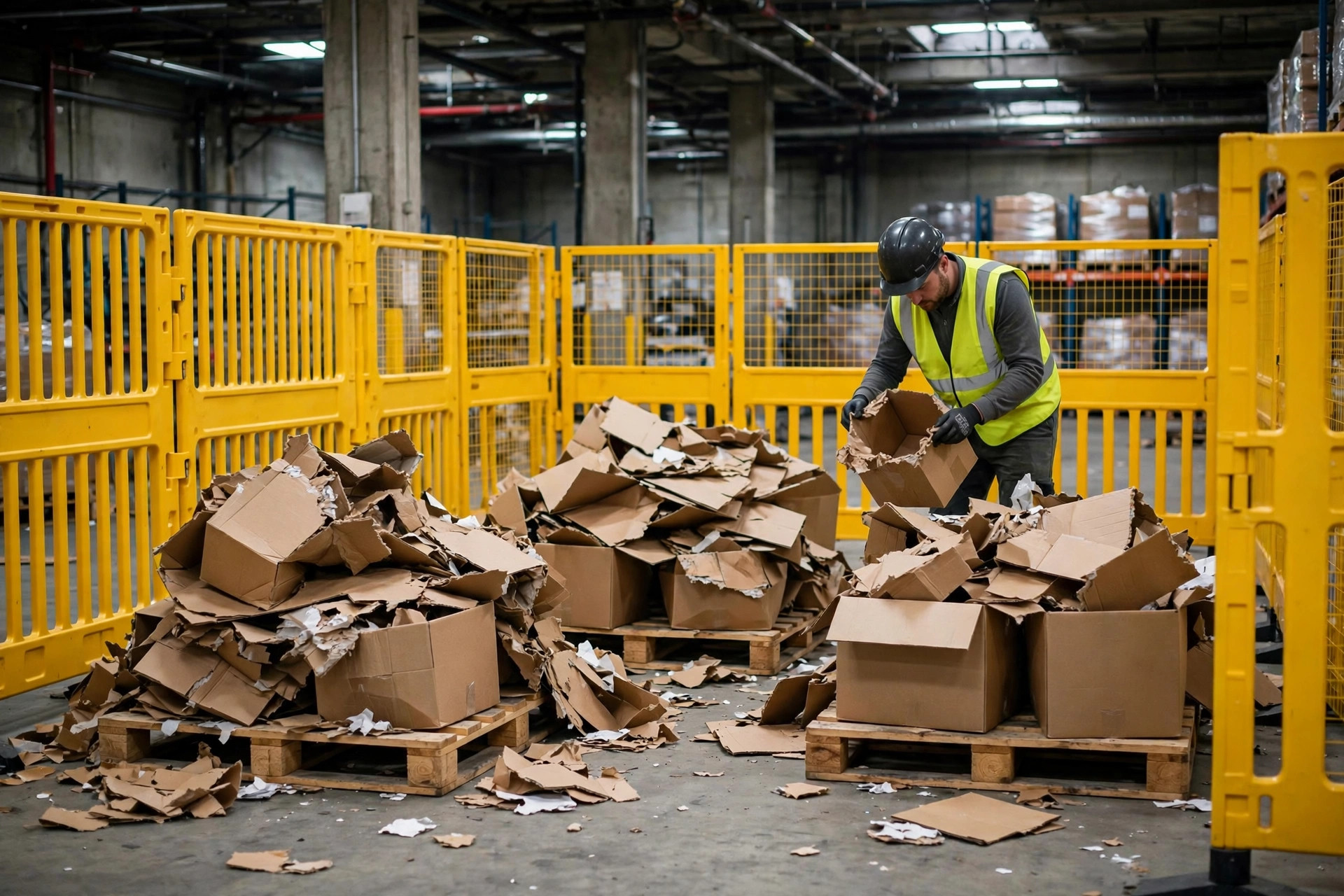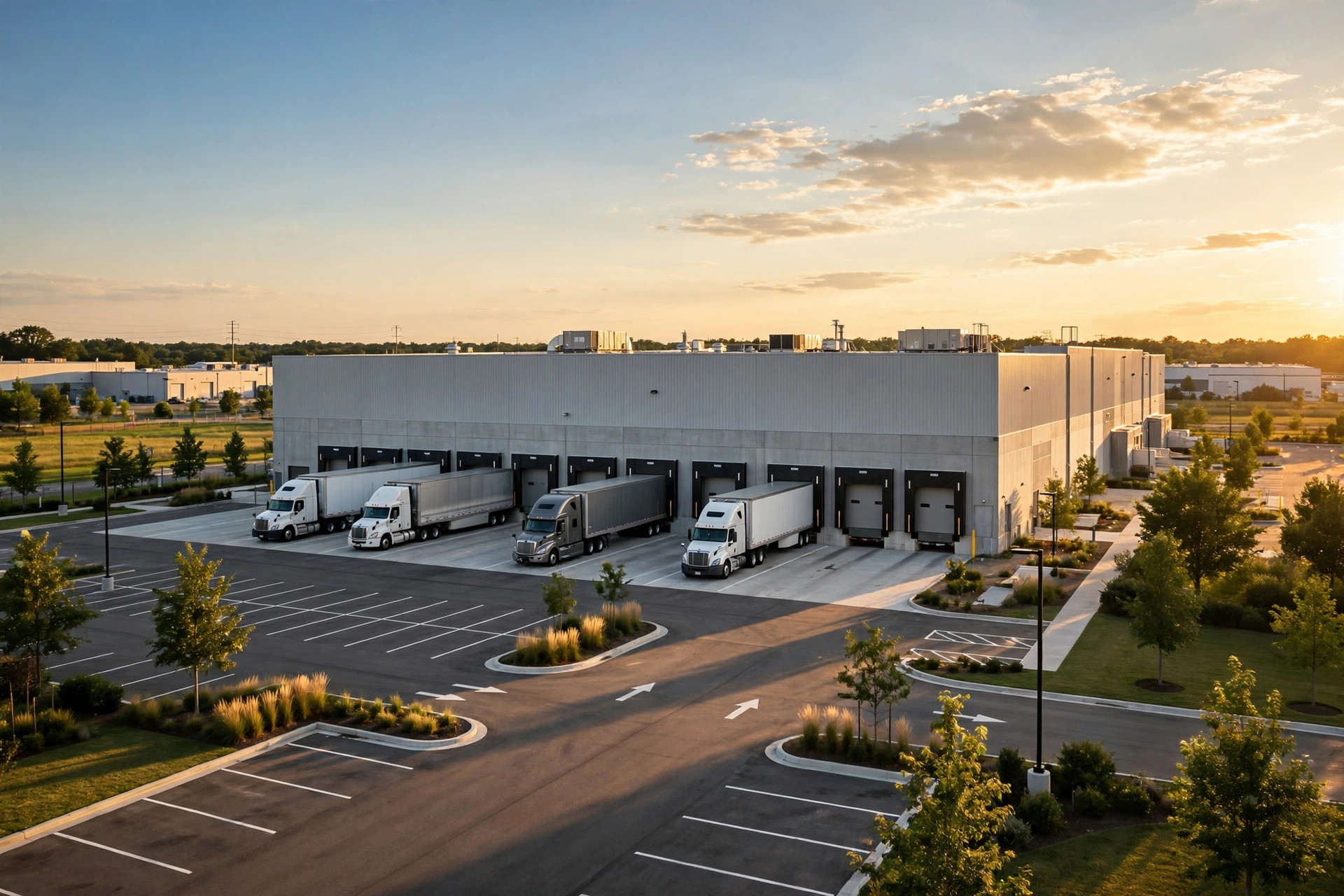
I run a 3,000-square-meter warehouse. In industry terms, that's a rounding error — the big players wouldn't get out of bed for a facility our size. When we needed to expand in the fall of 2023, a broker showed us a subleased unit in Houjie, Dongguan: great location between two of our biggest clients, 20% below market rent. My first thought wasn't "what a deal." It was "where's the catch?"
Two years of living with subleasing warehouse space risks taught me the answer: there were four catches, and none of them were in the brochure. Here's the full story, plus the street-smart fixes that actually work when you can't afford a legal department.
Trap 1: The Biggest Sublease Risk — Your "Landlord" Is Just a Middleman
This is the one that can kill you. A sublessor is, at the end of the day, the original tenant. They rent from the real landlord and re-rent to you. You have zero contractual relationship with the actual property owner — and here's the part that stings: a sublease does nothing to release the original tenant from their obligations to the landlord. Flip that around, and it means the landlord's rights aren't limited by your sublease contract either.
September 2024, Huangpu district, Guangzhou. My friend Lao Chen runs an e-commerce fulfillment operation out of an 800-square-meter subleased unit, paying 28,000 yuan a month. In March 2025, the sublessor — who owed the real landlord three months' rent — vanished. The landlord showed up with a locksmith and changed the locks. Lao Chen's 4,000-plus cartons sat inside while he stood outside for two days. He got his goods back only after fronting two months' rent out of his own pocket. His summary: "I paid rent and bought myself a horror movie."
The street-smart fix: insist on a three-party meeting before you sign — you, the sublessor, and the real landlord (or their property manager) in one room. Demand to see the head lease and verify three things: enough remaining term for your needs, an explicit clause permitting sublease, and no rent arrears on the sublessor's side. If the sublessor dodges the meeting, walk away — no matter how sweet the rent looks. We did exactly this for our 2023 unit. It cost us two extra weeks, but when that sublessor later ran into cash-flow trouble and tried to slap a surprise management fee on us, we pulled out the real landlord's contact and settled it directly. Leverage beats luck.
Trap 2: A Verbal "the Landlord Agreed" Is Worth Nothing
Most head leases require the landlord's written consent before any sublease. Without that piece of paper, your sublease is, in the landlord's eyes, void — and they can terminate it and order you out.
November 2024, Bao'an, Shenzhen. A peer, Xiao Li, took a 1,500-square-meter subleased unit. The sublessor swore up and down: "The landlord said yes — verbally, but he said yes." Six months later, the landlord discovered the sublease during a routine inspection, issued a termination notice, and gave Xiao Li 30 days to vacate. He had just spent 60,000 yuan on racking and fire-safety upgrades. All of it, gone — with no room to negotiate, because the landlord was entirely within their rights.
The street-smart fix: three sentences in your contract, plus one attachment. "The sublessor warrants that written consent for this sublease has been obtained from the head landlord (copy attached). Should the sublessee suffer losses due to any defect in the sublease right, the sublessor shall refund double the deposit and compensate renovation and relocation costs." The attachment must be a stamped copy of the landlord's consent letter. And here's the counter-intuitive part: a thicker sublease contract is not a safer one. For a small operator, the single most valuable page in the whole stack is that landlord consent letter. Everything else is decoration.
Trap 3: Cheap Headline Rent, Expensive Everything Else
This is the classic second-landlord playbook: shave 20% off the rent, claw back 30% in fees.
February 2025, Dongguan — our own near-miss. A subleased unit quoted at 28 yuan per square meter per month against a market rate of 32. Looked delicious. Then I read the supplementary terms: a 4 yuan/sqm/month "management fee" (which, in the head lease, was the sublessor's own obligation), shared-area electricity billed "as apportioned" (no meter readings, no formula), and separate charges for forklift charging. I built a total-cost sheet, and the numbers told a different story:
| Item (1,000 sqm × 12 months) | Subleased unit | Direct from landlord | | Monthly rent | ¥28,000 | ¥32,000 | | Management fee | ¥4,000 | ¥0 (included) | | Shared electricity | ~¥1,500 (no breakdown) | ¥800 (metered) | | Annual total | ~¥402,000 | ~¥394,000 |
The punchline: the sublease looked 12% cheaper and actually cost ¥8,000 more per year. The street-smart fix: build a "total cost sheet" before signing — rent, management fees, utility apportionments, deposit, renovation amortization, every line item, compared side by side against leasing direct. Any fee without a clear formula gets estimated at the worst case. We small warehouses can't afford "looks cheap."
Trap 4: Want Out Early? Sublease and Assignment Are Two Different Animals
This is the trap most people discover only after they've fallen in.
June 2025, Foshan. My friend A-Jie downsized from 2,000 to 800 square meters and tried to sublet the remaining 1,200 sqm of his subleased unit to the next tenant. The sublessor said "sure," but the real landlord said no — the head lease permitted exactly one sublease, and it had already been used. A-Jie ended up paying rent on an empty warehouse through the end of 2026: eight dead months, nearly ¥200,000.
Here's the trade-off nobody explains: the clean legal exit isn't a sub-sublet — it's an assignment, transferring the entire lease to the next tenant so you walk away with zero residual liability. But landlords rarely agree to assignments, because they want to vet the new tenant themselves. So the street-smart move runs in reverse: negotiate your exit on day one. Write in a 60-day early-termination notice period and cap the penalty (say, two months' rent maximum). If it's awkward to discuss the exit while signing, it'll be a lot more awkward — and expensive — when you actually need it. In our current contract template, the exit clause sits on the same page as the rent clause. No agreement on the exit, no signature.
Four Field Rules for Fellow Small Operators
After two years of this, renting subleased space in our operation follows a fixed drill. Sharing it with my fellow small-warehouse crowd:
- Three-party meeting, always. Read the head lease: remaining term, sublease right, arrears check.
- The landlord's written consent letter must be a contract attachment. No attachment, no signature.
- Build the total-cost sheet; never judge by headline rent alone. Estimate unclear fees at the worst case.
- Negotiate exit terms on day one: notice period plus a penalty cap. Can't agree? Don't sign.
One more: put maintenance response times in the contract. With a subleased unit, every repair request goes through the middleman, and slow response is the norm. Ours reads: "If no repair visit occurs within 48 hours of a report, the tenant may arrange repairs independently and deduct the cost from that month's rent." That one clause has saved us from two roof-leak sagas already.
Small warehouses have their own way of surviving. We can't afford big-company legal fees, but we can afford two weeks of patience and one good spreadsheet. Subleased space isn't off-limits — just never sign one with your eyes closed.
By Xiao Ma, Small Warehouse Owner