Bottom line first: opening a warehouse in China means facing the environmental impact assessment (EIA). There is no way around it.
I've advised friends in China on several warehouse projects. One e-commerce warehouse owner had signed the lease and the fit-out crew was already inside when someone asked: "Did you do the EIA?" He was baffled: "A warehouse isn't a chemical plant. It needs one?" The project was halted for two months. Fit-out stopped. Rent kept running.
To be blunt, many people's idea of EIA is stuck at "that's for chemical plants." Two sides to this: no, not every warehouse needs one; but skip it when you do, and the price is bigger than you think.
Three Tiers of Warehouse EIA
China's EIA comes in three tiers: full report, simplified form, and registration, each lighter than the last.
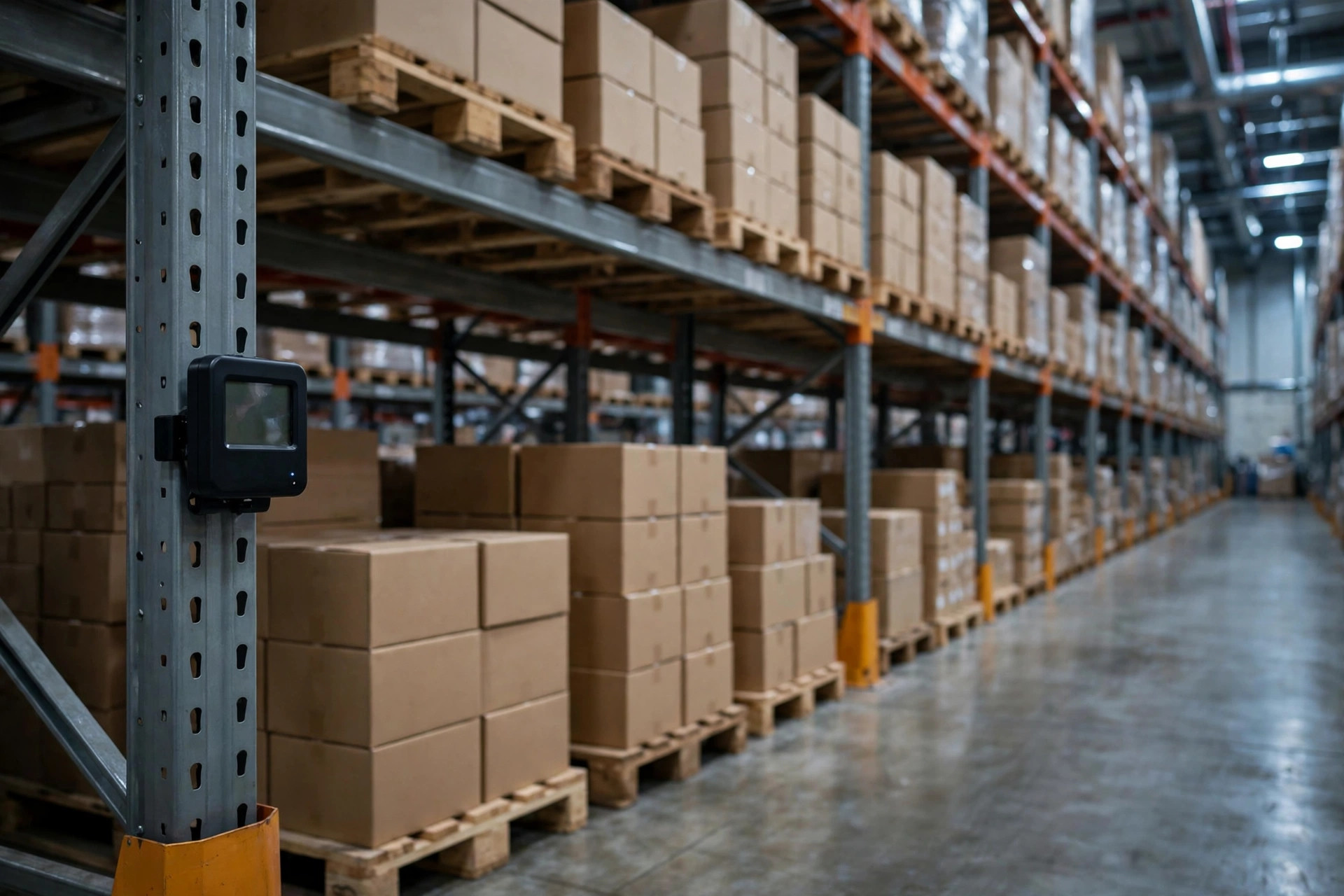
Too many owners hear "EIA" and picture hundreds of thousands in fees. For most ordinary warehouses (no hazmat, no production or processing), you land in the lightest tier, registration, filed online, no big spend.
But three warehouse types can't dodge the heavier tiers:
Hazmat storage. Lithium batteries, paints, adhesives in stock, and the EIA jumps a tier, simplified form at minimum.
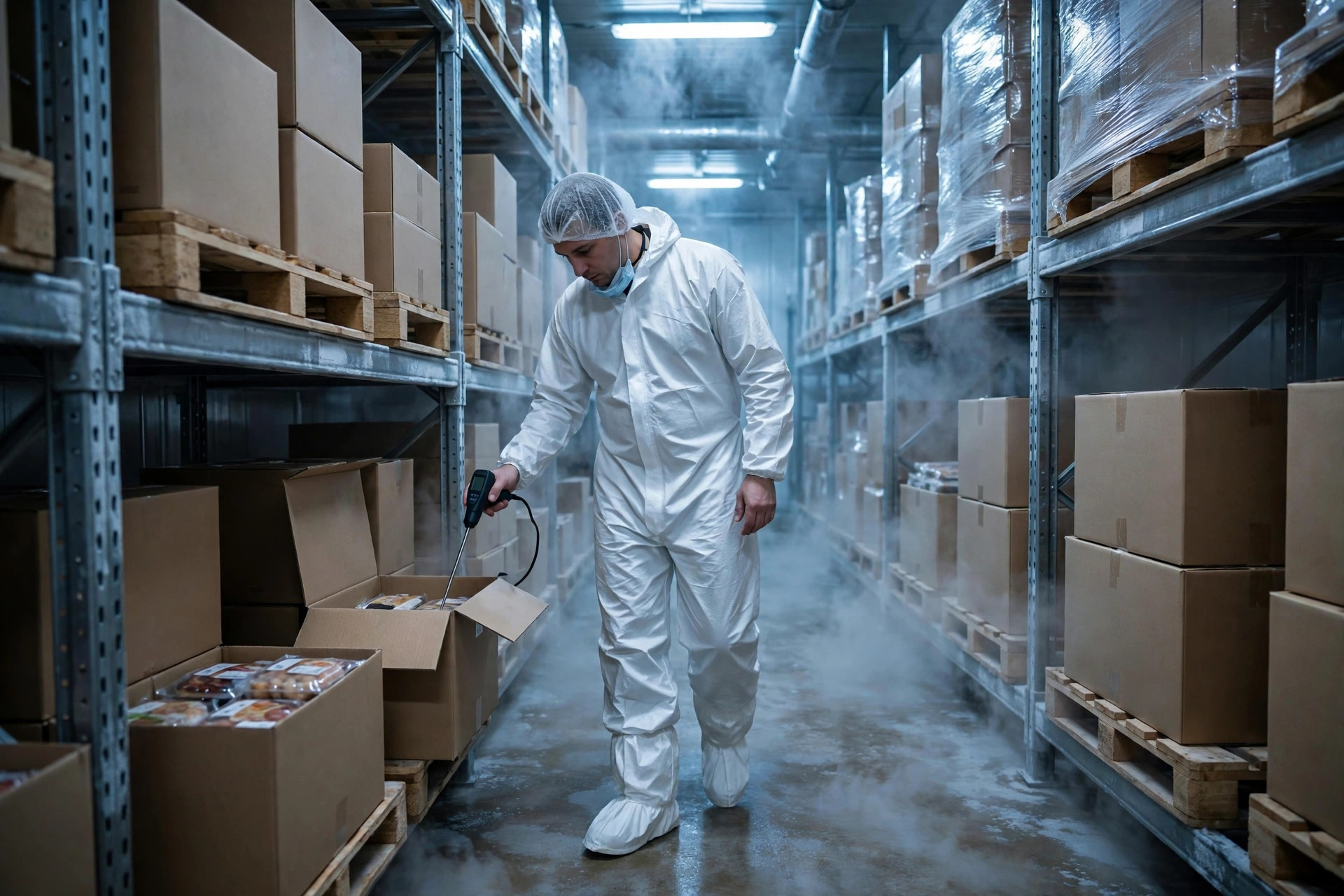
Cold chain. Refrigerant leak risks (ammonia, freon) and noise must be addressed in the filing.
Warehouses with production steps like assembly or kitting. Touch "production" and the nature of the project changes.
Which tier applies follows the latest edition of the Ministry of Ecology and Environment's classified EIA catalog. It gets updated, so check the current version before you act; don't apply three-year-old experience.
Three Traps in the Report
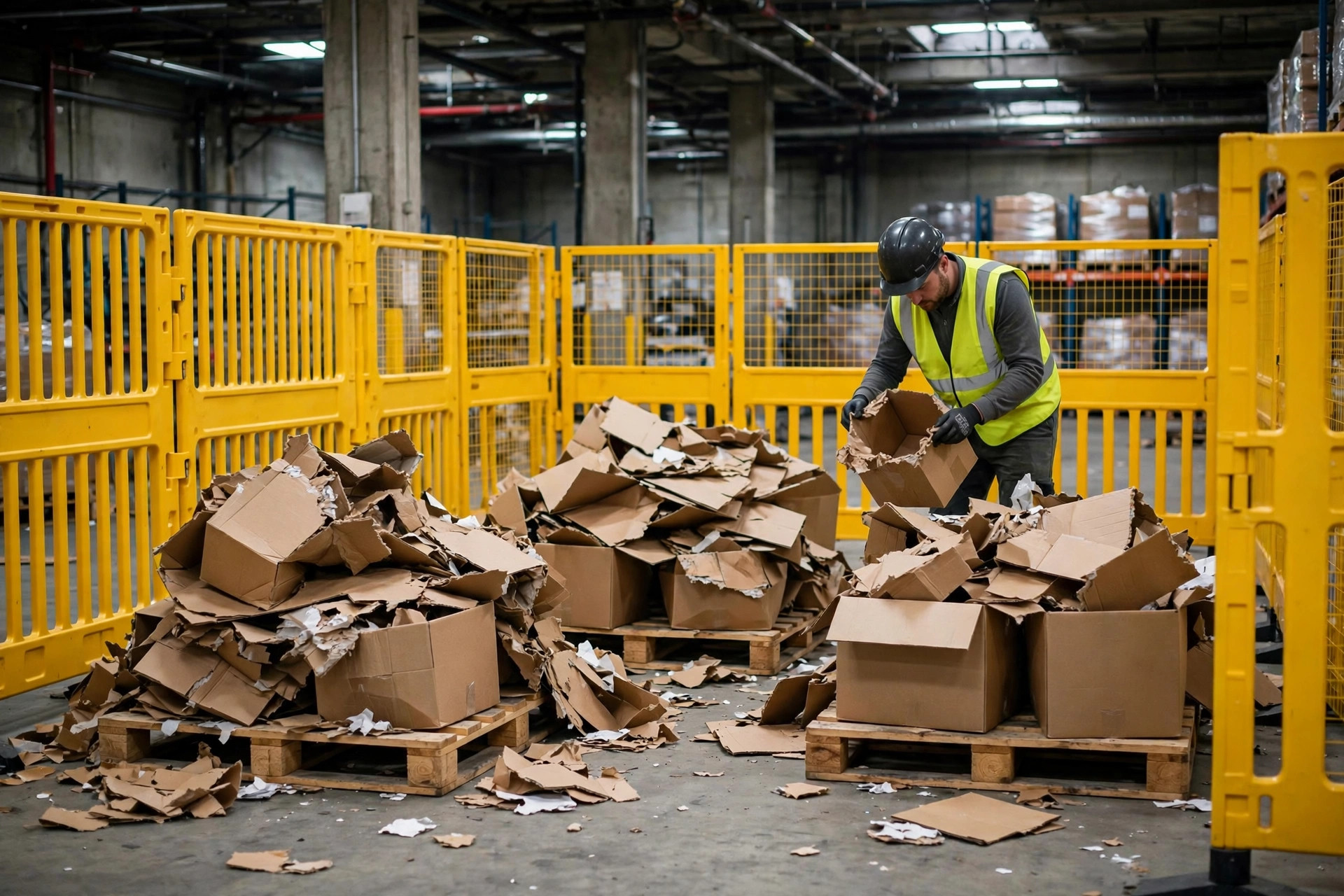
Trap 1: hazardous waste. Warehouse hazmat surprises people: waste oil (forklift service), dead batteries, waste ink (coders), spent activated carbon. The filing must state hazmat types, volumes, and disposal destinations, with a licensed disposal contractor signed. No disposal contract, no acceptance.
Trap 2: noise. Warehouse noise sources: forklifts, loading, refrigeration units, night shifts. If residences sit within 200 meters, noise is a mandatory check. One warehouse I saw measured 5 dB over at night; the fix, acoustic barriers, cost over a hundred thousand yuan.
Trap 3: wastewater. Don't assume warehouses discharge nothing. Canteen effluent, wash water, first-flush rainwater all fall inside the EIA scope. For leased sites, confirm the park's sewer connection is real before acceptance day, not after discovering the septic tank is decorative.
The Time Math
Registration: days, filed online.
Simplified form: hire an EIA firm; drafting plus approval, 1–2 months if smooth.
Full report: major projects, expert review plus public comment, 3–6 months is normal.
So start the EIA in parallel with site selection. The dumbest move I've seen is remembering the EIA after the lease is signed, then burning two months of rent waiting.
One Line of Advice
Before opening a warehouse, ask three questions: does my inventory touch hazmat? Any production steps? Any residences nearby?
One "yes" and the EIA starts early. Don't wait until the fit-out crew is inside to remember this gate.
The bar isn't high, but plenty trip on it. Which kind are you?
By Lao Mi, Supply Chain Veteran (20 yrs)