Here's my verdict up front on Suape port warehouse logistics: Suape is worth your time, but only if you can do the math and live with the waiting. Suape port warehouse logistics is a real opportunity — a petrochemical industrial port sitting close to the Atlantic mainline, serving Brazil's northeast — but the rules are many, the pace is slow, and the people who make money here are the patient ones, not the ones chasing a three-month payback.
I have seen too many people hear "record volume" and rush in. In 2024, Suape handled 646,800 TEU of containers, a record for the port. The number looks great. But let me be blunt: port throughput going up does not mean your cargo moves smoothly or your warehouse rents cheaply. The port's books and the cargo owner's books are two different books.
The Suape Port Warehouse Logistics Bill: Three Costs First
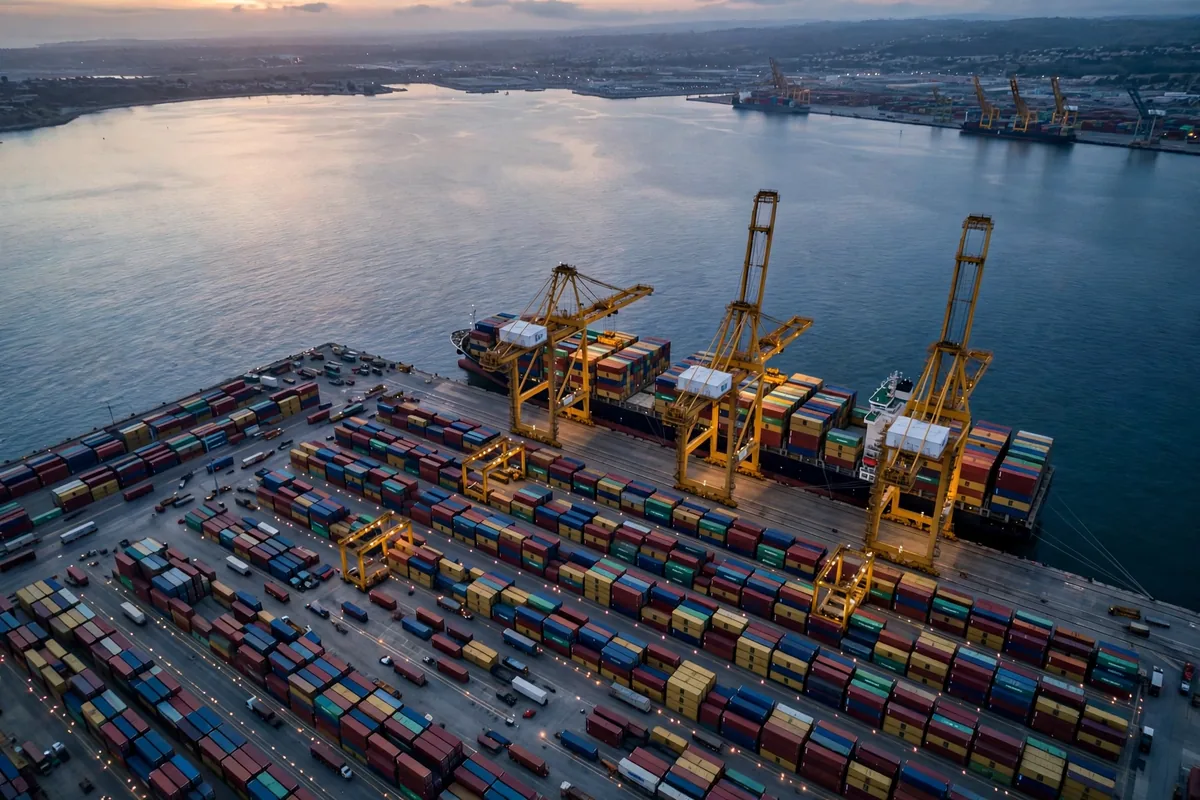
Suape sits in the state of Pernambuco, about 40 kilometers south of Recife. It is not a Santos or a Rio — it is an industrial port for Brazil's northeast. The port has a 3,150-meter L-shaped breakwater, three liquid bulk terminals with six berths, and one multipurpose terminal with two berths. Read that layout and you see the point: the stars here are liquid bulk and petrochemicals, not ordinary boxes.
The first cost is getting in. Tecon Suape, the main container terminal for Brazil's northeast, has a berth of roughly 600–660 meters. That is not long, which limits which ships can call and how often. Whether a big ship can berth, and how long it waits, decides whether your cargo reaches the warehouse on schedule. A colleague of mine moving petrochemical spares had a vessel wait four extra days outside the port a couple of years ago; the forklifts and crew he had booked sat idle for a week. The bill for that week of nothing would make anyone wince. Look at it from both sides: waiting at anchorage is normal here, so building in buffer time is the professional move, not a luxury.
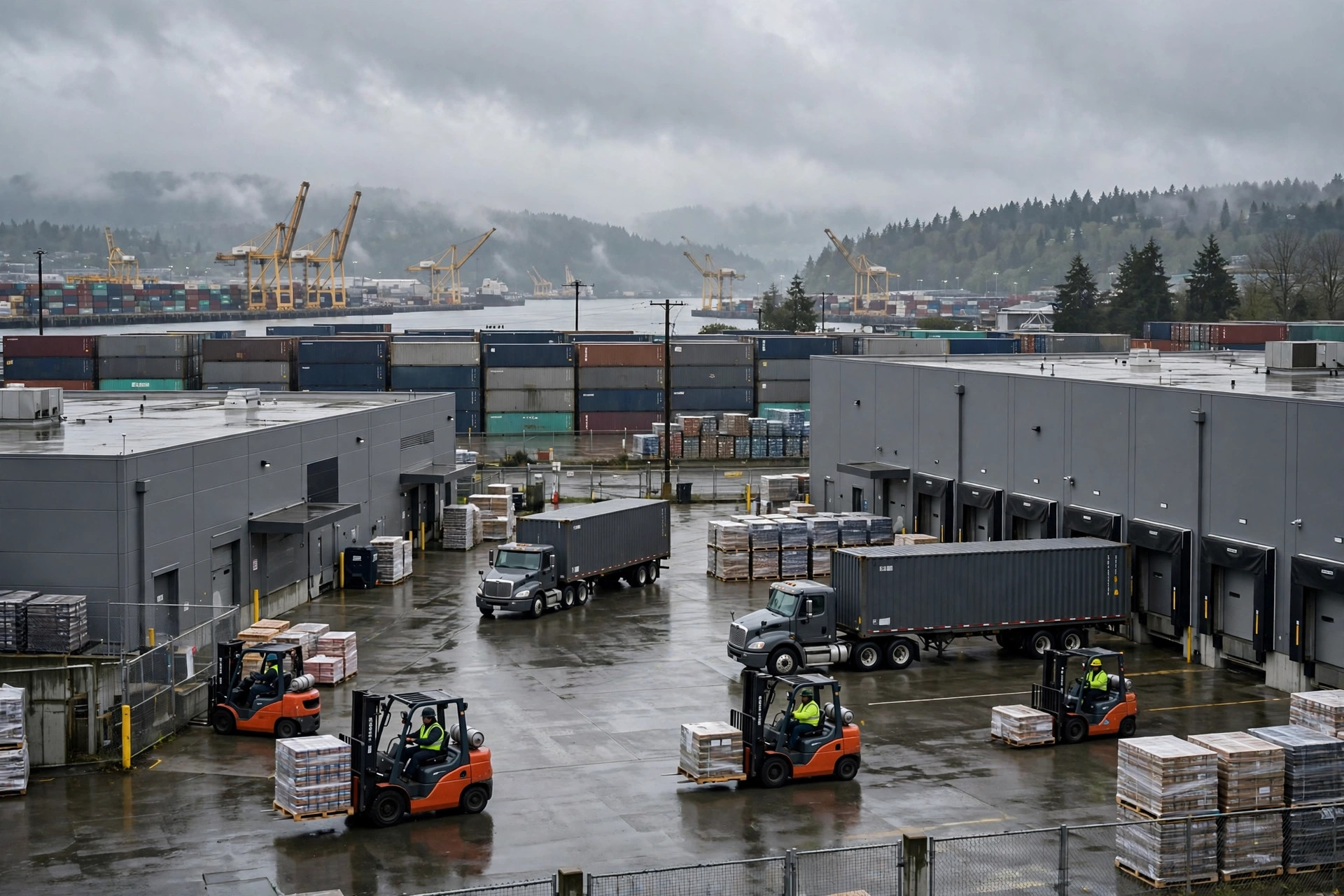
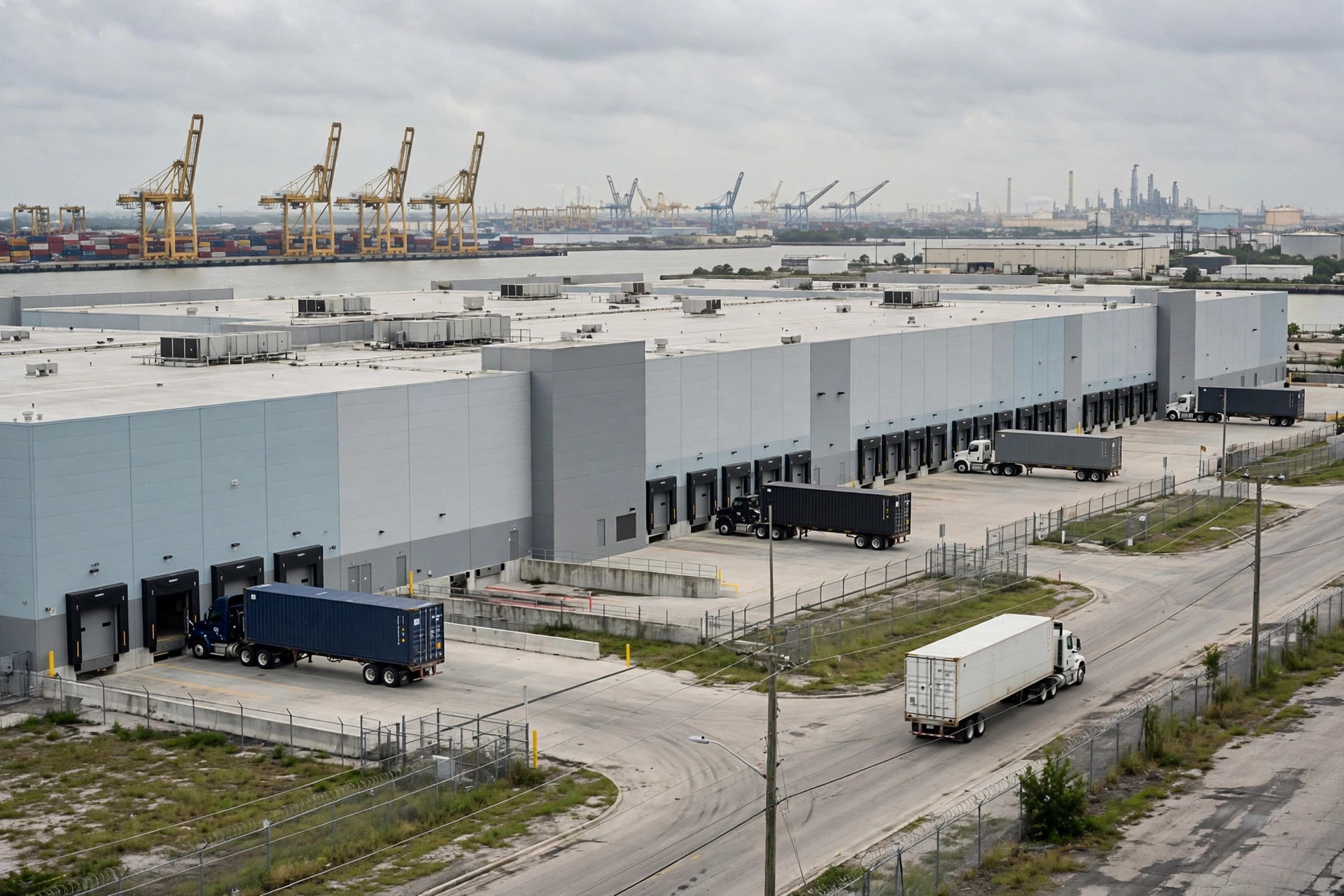
The second cost is the warehouse itself. Around Suape sits a petrochemical complex, and warehousing follows the chemistry: hazmat warehouses, liquid tank farms, and ordinary yards live in completely different price worlds with completely different rules. A dry-goods shed is easy to rent cheaply. The moment your cargo carries a hazmat label, compliance costs jump. So figure out your cargo classification before you talk rent — not after.
The third cost is time. Brazilian customs and paperwork run slow; that is simply the norm. Cargo arrives, documents get checked, release comes through — each step can drag. Warehouse rent is charged by the day, and every day of delay is a day of rent. Plenty of people forget that line when they price the cargo.
How to actually do Suape port warehouse logistics: three routes
Do the math on one sheet of paper. Costs on the left, revenue on the right, risks in the middle. Fill in all three before you decide.
| Cost item | How to estimate it | Note |
|---|---|---|
| Port charges and waiting time | Budget 5–7 days of schedule buffer | Waiting is normal, not an exception |
| Rent and compliance | Price hazmat separately | Never apply ordinary warehouse rates to hazmat |
| Customs and paperwork | Allow at least two weeks of slack | Rent keeps running while papers sit |
(Figures in this table are an illustrative example for the costing framework only; check local quotes and the latest official policies.)
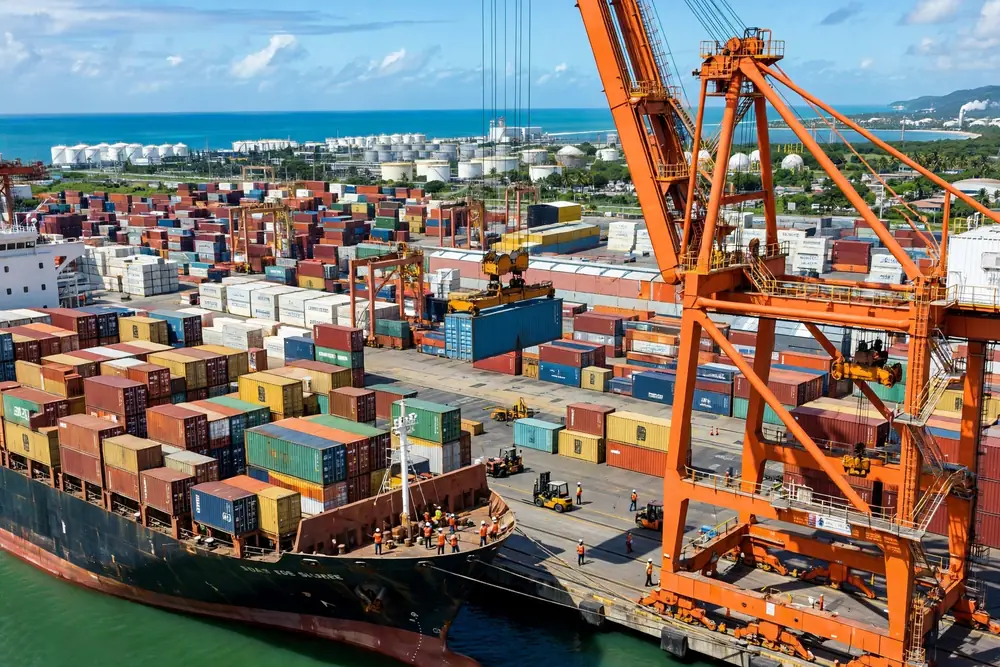
Three routes, in my order of preference. Route one: ride the petrochemical chain. The plants beside the port generate steady inbound and outbound flows, and serving them means stable volumes and clear payment terms — but the bar is high and compliance is strict. Route two: run a distribution warehouse for the northeastern hinterland. Pernambuco and the neighboring states need consumer goods, building materials, and farm products distributed; volumes are modest but flexible. Route three: bet on the new terminal's growth. APM Terminals Suape is investing more than USD 350 million in a new terminal with an initial annual capacity of 400,000 TEU, lifting Suape's total container capacity by about 55%. It is billed as Latin America's first fully electrified container terminal, and Maersk's Aliança service began calling there on 1 September 2026. Phase two is planned for completion in 2028, taking capacity to 600,000 TEU a year. When the terminal is up and running, warehouse demand will follow — but that route demands patience.
Here is the counterintuitive part: most people think the new terminal opening means rents will rise and opportunities will multiply, so they rush to lock in warehouse space early. I think the opposite. The riskiest moment is right after a new terminal opens. Shipping lines are still adjusting their rotations, volumes have not stabilized, yet warehouse rents have already jumped a round. The genuinely good window comes later, once the terminal runs smoothly and volumes climb. Right now, Suape is a place to build relationships and secure a position — not to sign a long lease on day one.
Don't stare at the new terminal — the old one pays the bills
Everyone loves talking about the new terminal, but the work today runs through Tecon Suape. A berth of roughly 600–660 meters, ships coming and going, and the whole rhythm of yards, trucks, and warehouses orbiting it. That record 646,800 TEU in 2024 was earned one box at a time by this older terminal.
I have seen too many people draw castles around the new terminal and forget the old one is what puts food on the table. The new terminal is good news, but phase two only reaches 600,000 TEU a year in 2028 — distant water does not quench present thirst. And the old berth is only so long: when schedules tighten, waiting time and rolled cargo show up fast. If your warehousing plan has no answer for "what if the ship waits three days," then it is not a plan, it is a wish. My own practice: keep one or two days of buffer warehouse space for every arriving batch. Better to pay for buffer space that sits empty than to leave cargo drifting outside the port. That buffer looks like waste; in reality it is the cheapest insurance on the whole chain.
Then there is the old lesson about distance. Years ago I helped a client pick a yard in South America, and we chose the cheapest one — the furthest from the port, about 30 percent cheaper on rent. The trucks made an extra round trip every day, and fuel plus driver hours cost more in a month than the rent we had saved. The lesson is simple: the warehousing bill is not the rent alone, it is the whole journey. Being one kilometer closer to the port is sometimes worth more than a 30 percent discount.
Suape port warehouse logistics is worth doing, but do it in the right order. First the cargo classification, then the vessel schedule and berth, then the warehouse rent. Get the order wrong and the math never adds up.
One last word of advice: before you go to Suape, write the word "wait" into your plan — wait for a berth, wait for papers, wait for customs. The people who can wait are the ones who make money there.
By Lao Mi, Supply Chain Veteran (20 yrs)