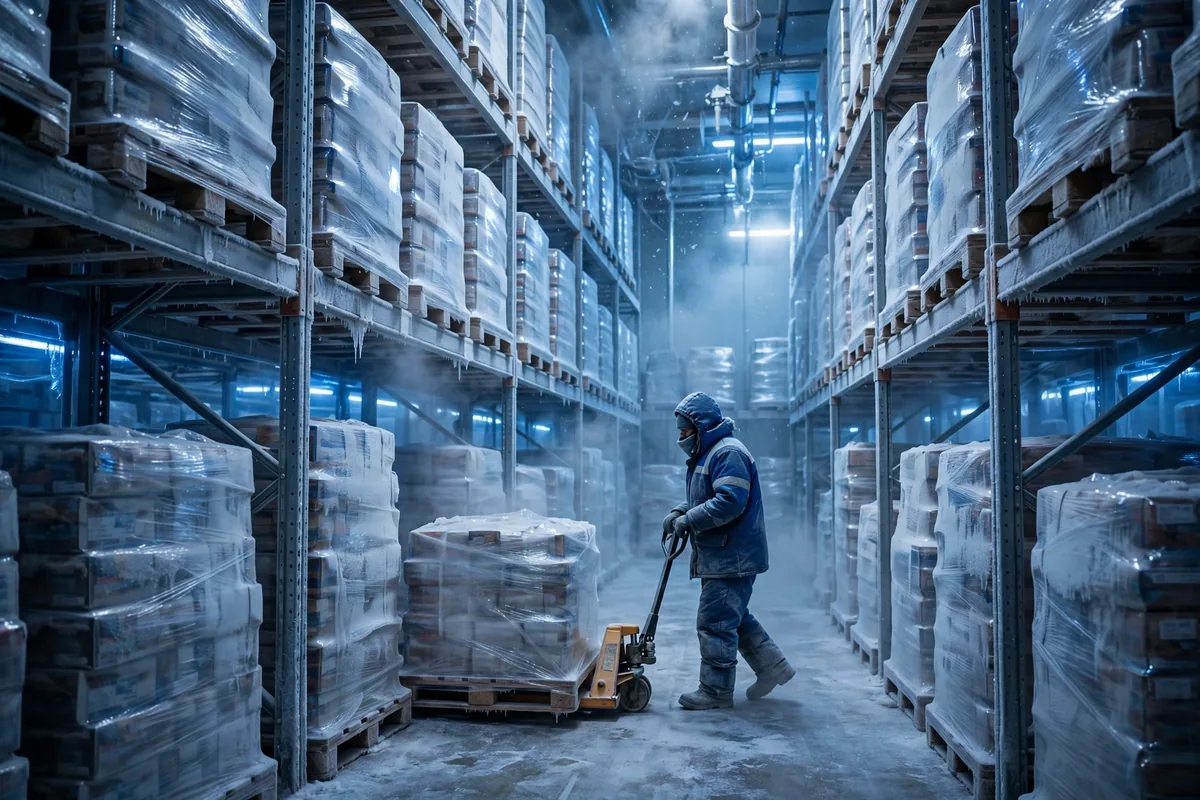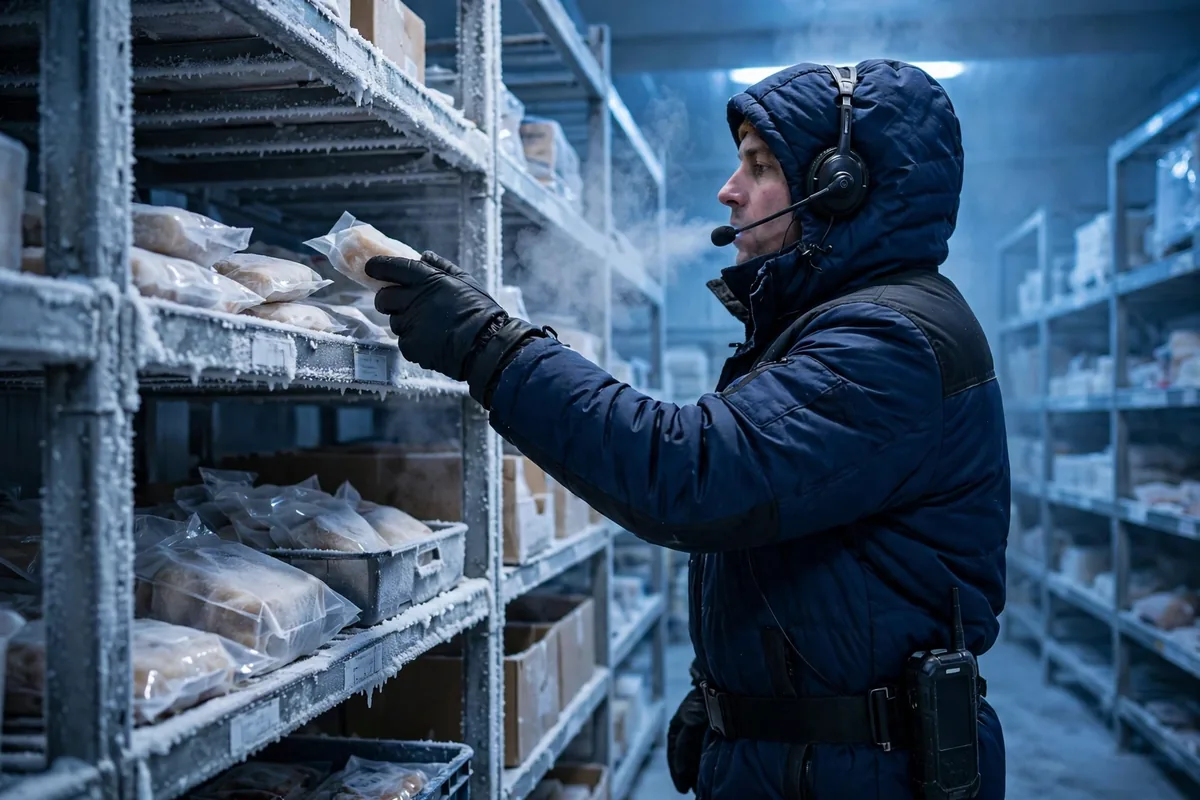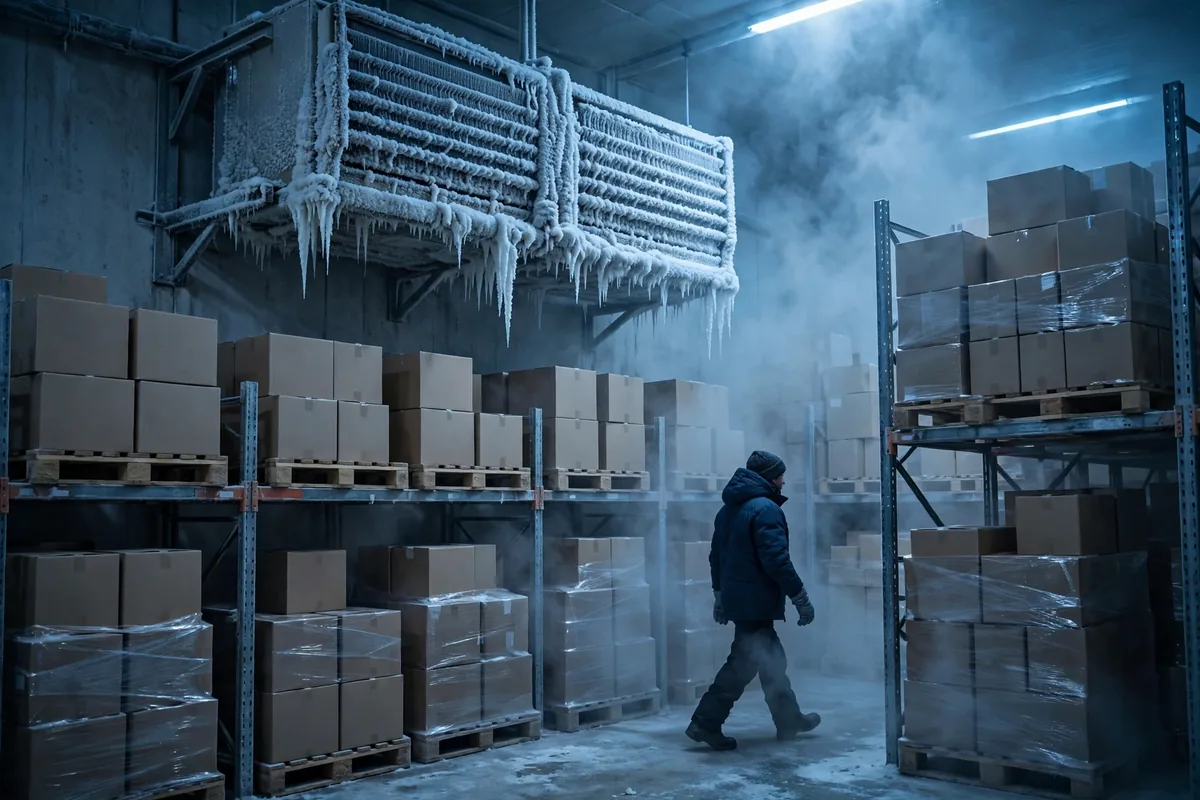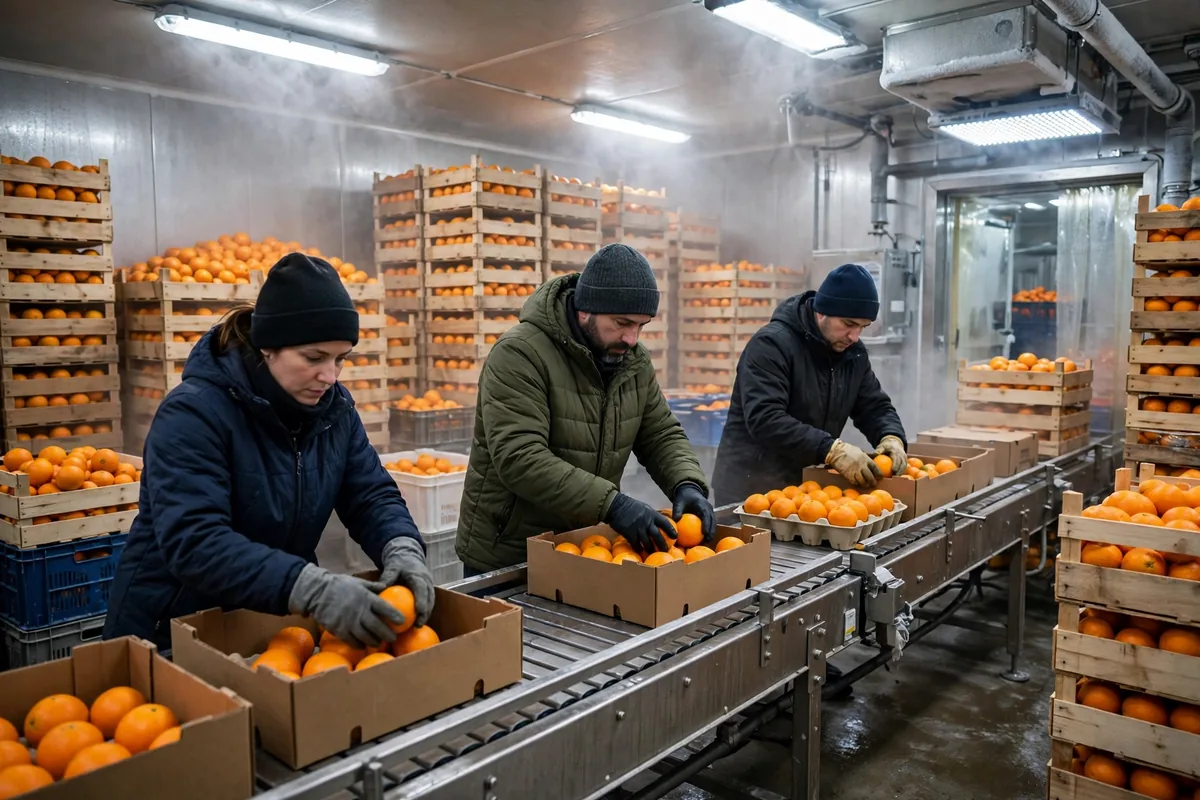
Let me be honest about where I stand. I run a 3,000-square-meter warehouse. We do not own a proper pre-cooling tunnel. On the hottest summer days, my crew keeps the place alive with a few old fans and a lot of stubbornness. So when a friend in farm exports started telling me about the south african citrus export cold chain over drinks last year, my reaction was part awe and part envy. South Africa packed 164.5 million cartons of citrus for export in 2024, 15 kilos a carton, roughly 2.47 million tonnes, making it the second-largest citrus exporter in the world behind Spain. In 2025 it broke its own record with 203.4 million cartons. When the volume is that big, a small crack in the cold chain leaks real money.
Limpopo Province grows more than 40% of the country's citrus, and the countdown starts the second a fruit leaves the tree. My friend put it in one sentence: citrus does not fear distance, it fears heat and broken cold. About 36% of exports go to the European Union, around 19% to the Middle East, and about 15% to Asia. Those ships spend weeks at sea, so an afternoon sitting hot in the orchard can turn into a batch of soft fruit at the other end.
South African Citrus and the Hours Nobody Watches
Picture a harvest morning in Limpopo during the 2025 season. This is a scenario illustration, not a case I can name: picking starts at six in the morning, bins sit at the edge of the field under a hard sun, and the fruit warms up hour by hour. Trucks only get back to the packhouse at three in the afternoon, and then the fruit waits another four hours in a pre-cooling queue. Nothing looks wrong at loading. Inspection passes. Weeks later, the European buyer finds the batch softening early. The failure did not happen on the ship or at the port. It happened on the road between the orchard and the packhouse.
Small warehouse people see this pattern fast, because we live it. Big operators love drawing a long, beautiful chain from orchard to port, every link labeled. I only ask one question: which link gives way? More often than not, the answer is those hours right after picking. A picked orange still carries field heat, and it keeps breathing and burning through its own quality until it gets cold. The best pre-cooler in the world cannot undo a late arrival. That lost time is the quiet leak in the south african citrus export cold chain, and it never shows up on a freight invoice.
Here is the counterintuitive part. Most people assume the cold chain bill is mostly electricity for cold storage. It is not. The most expensive line is the grade and the price lost when fruit cools a few hours too late. One carton dropping from top grade to second grade can cost more than the electricity for the whole cold leg. Skipping pre-cooling to save money is gambling with the value of the cargo itself.
My cheap fix is a rule, not a machine: fruit must reach shade within two hours of picking and enter pre-cooling within four. If the crew cannot hit that, we pick less that day. Pick less, never rush-pick. It sounds crude, and it is. But for a small team, a rule you actually follow beats equipment you cannot run properly. Buying the machine is the easy part. Making people follow the sequence is the real work.
South African Citrus at Durban Port and the Sailing Schedule Math
Durban's port efficiency has been a sore subject for the South African citrus industry for years, and it shows up in the cold chain as waiting time. Fruit that made it through pre-cooling sits in the port yard while a sailing changes. Every extra day pushes reefer charges up and shelf life down. Both sides of the ledger burn at once. Anyone pricing the south african citrus export cold chain by freight alone is pricing half the job.
The table below is a hypothetical worked example. Do not read the numbers as real rates. Read the shape of the trade-off:
| Item | Option A: chase the sailing | Option B: wait for the next reefer slot |
|---|---|---|
| Extra waiting at the port | About 2 days | About 5 days |
| Reefer charges at the port | Lower | Higher |
| Shelf life left on arrival | Room to spare | Eaten away |
| Risk of rejection or downgrade | Low | High |
| Overall result | Costs more in freight, protects value | Saves on freight, loses on value |
The point is plain: a sailing schedule calculation that only counts freight and port charges is missing the row that matters most, the value of the fruit itself. Plenty of small exporters stare at the port charges they can see and ignore the value loss they cannot. The worst losses in my own warehouse years came from exactly that kind of invisible row.
Here is another scenario illustration from that same 2025 season. A citrus shipment bound through Durban had its sailing moved, and the reefer containers waited three more days in the yard. Rerouting through another port would have added a trucking bill, so the exporter waited it out. On arrival in Europe, the buyer's inspection found more soft fruit than expected, and the whole batch was downgraded. The trucking money was saved. The value lost was several times that amount. I have made that same miscalculation in my own warehouse, and the lesson is identical.
Quarantine Rules Change How South African Citrus Moves
The European Union sets strict quarantine rules for citrus black spot and false codling moth, and those rules reach straight into warehouse work. Cold treatment is part of it: fruit must stay at the required low temperature for the full period, with a complete temperature record. A batch that lost its cold leaves a gap in the record, and a data logger does not lie. One missing hour is one missing hour.
For warehouse and distribution teams, that means two things. One, a cold store is not only responsible for being cold, it is responsible for proof. Which store, which hours, which batch, and can you show the temperature curve when someone asks? That question has to be answered before the season starts. Two, the handover between packhouse and cold store needs a paper trail. What time the fruit went in, what time it came out, what the truck temperature was, all written on the handover sheet, never left to a verbal promise. When something goes wrong, a record settles the argument far faster than shouting.
The industry's long-term goal is 260 million cartons. That number sounds far away, but it tells you the direction of travel: this trade is still growing, and cold chain requirements will only get stricter. Batches that slip through on luck and rushed timing will find it harder to slip through next year. Cold treatment, quarantine, and port rhythm cannot be fixed by the warehouse alone. The orchard, the packhouse, the cold store, and the port have to run on the same clock.
My exporter friend now runs a half-hour alignment meeting every week, one person each from the orchard, the packhouse, the cold store, and the forwarder. They only cover three things: how much gets picked tomorrow, what time pre-cooling runs to, and whether the sailing has changed. Short meeting, good results. A small warehouse survives on its own tricks, and a big cold chain survives on a stubborn routine. The logic is the same either way: never leave the fruit waiting somewhere nobody is watching.
By Xiao Ma, Small Warehouse Owner