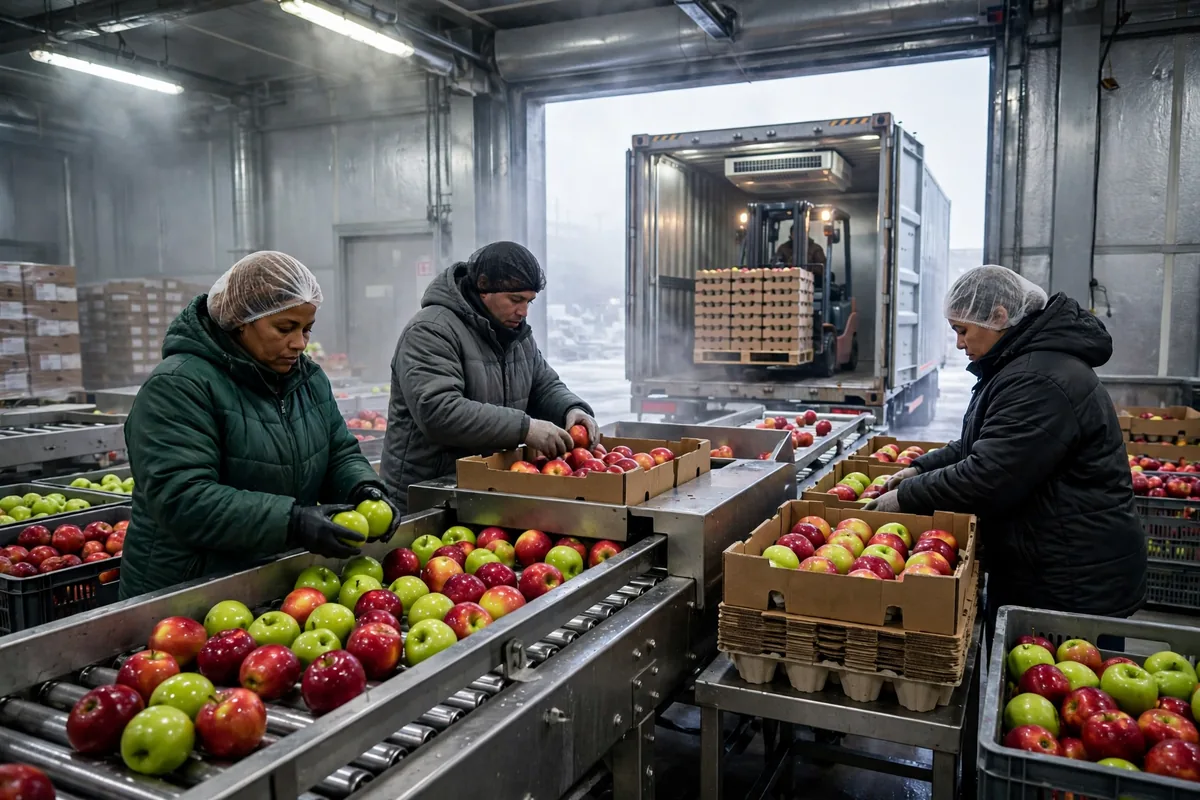
We had a client, Mr. Chen, a Shenzhen importer of Chilean cherries for a decade. In 2024 he tried South African apples, and the south africa apple export trade cost him most of a season's margin.
On signing day he asked: "Susan, these apples travel a month from the Southern Hemisphere. Will they still be crisp when they land?" I said yes, as long as the cold chain never breaks. That year, windstorms kept the vessel outside Cape Town for nearly two extra weeks, and by unloading near Mumbai the fruit had lost a grade of firmness. The buyer docked his payment. The shipping line said the log was clean, the port blamed the wind, the cold store said the fruit left in perfect condition. Three months later he had absorbed most of the loss. On the phone he said one thing: "The cold chain never broke, and the apples still went soft. I still can't make that math work."
That sentence has stayed with me. Most people add up electricity and freight and think they have priced the cold chain. The expensive part is not on any invoice. It is time.
In 2024 South Africa exported about 671,000 tonnes of fresh apples worth roughly 577 million US dollars, per the World Bank's WITS database. Hortgro put the season at about 48.42 million standard cartons of 12.5 kilos, up about 11 percent. The country grows roughly 1.25 to 1.38 million tonnes a year, over 95 percent of it in the Western Cape valleys of Elgin, Grabouw, Vyeboom and Ceres, plus the Langkloof. Supply sits in a handful of valleys, and the cold chain hangs on the few hundred kilometres to the port.
South Africa Apple Export: The First Fight Is Against Field Heat
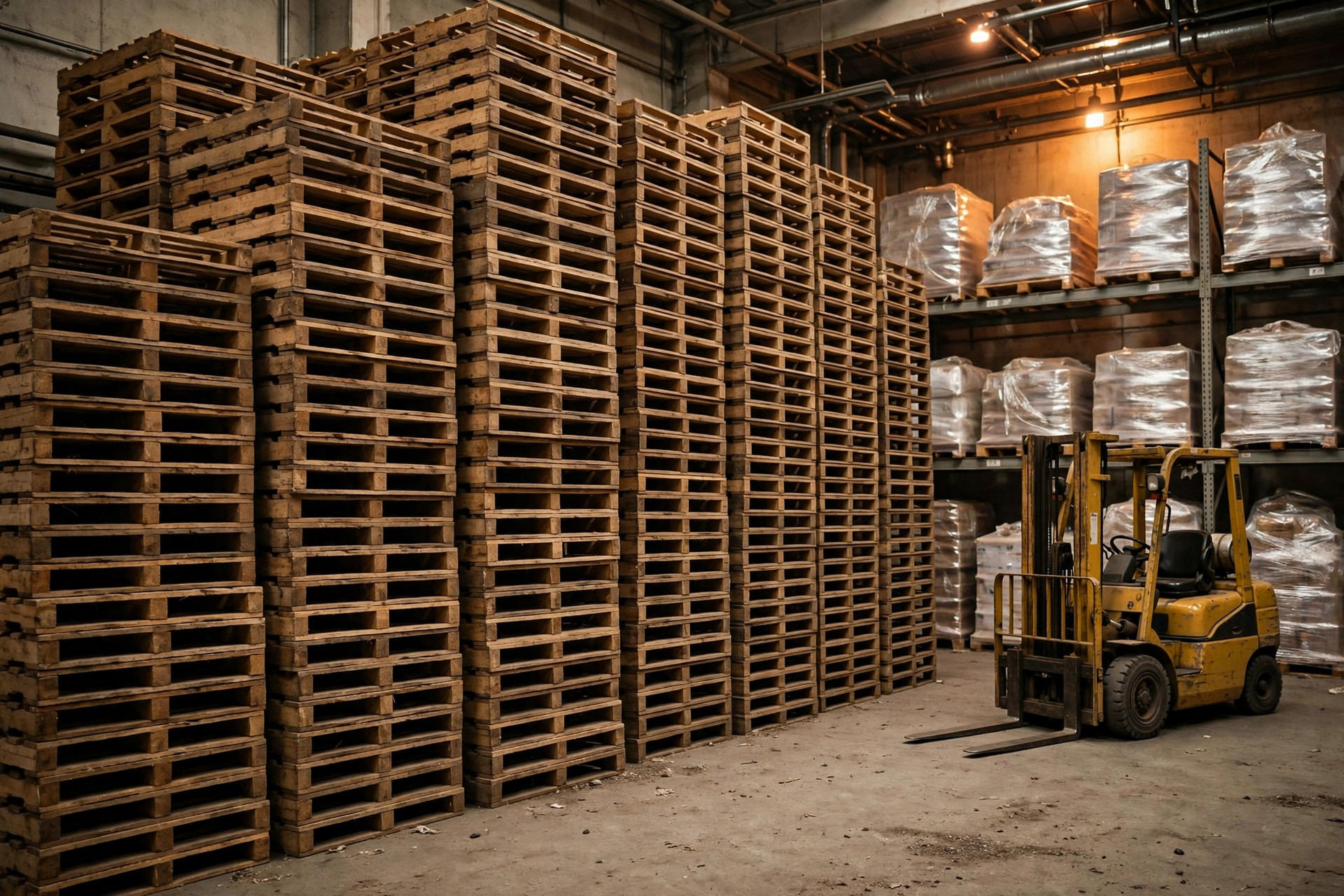
An apple comes off the tree warm, carrying field heat. The rule is blunt: one day at 21 degrees after picking costs 7 to 10 days of storage life, even in controlled atmosphere later. Leave it three days and you can lose a month. So the first battle is not a bigger store. It is the clock: core below 5 degrees fast, then steadily to between minus 1 and 0 degrees, humidity at 90 to 95 percent.
A packhouse exporter in Elgin learned this the expensive way. In the 2024 harvest, rain delayed picking and the fruit sat an extra day before pre-cooling. Same orchard, same day, same Gala, split in two. The lot pre-cooled on time sat in controlled atmosphere for months and arrived in Europe firm and well-coloured. The lot that waited a day arrived a grade softer, repriced as second-grade fruit. A cold store cannot freeze time; it only slows it down, and lost hours never come back.
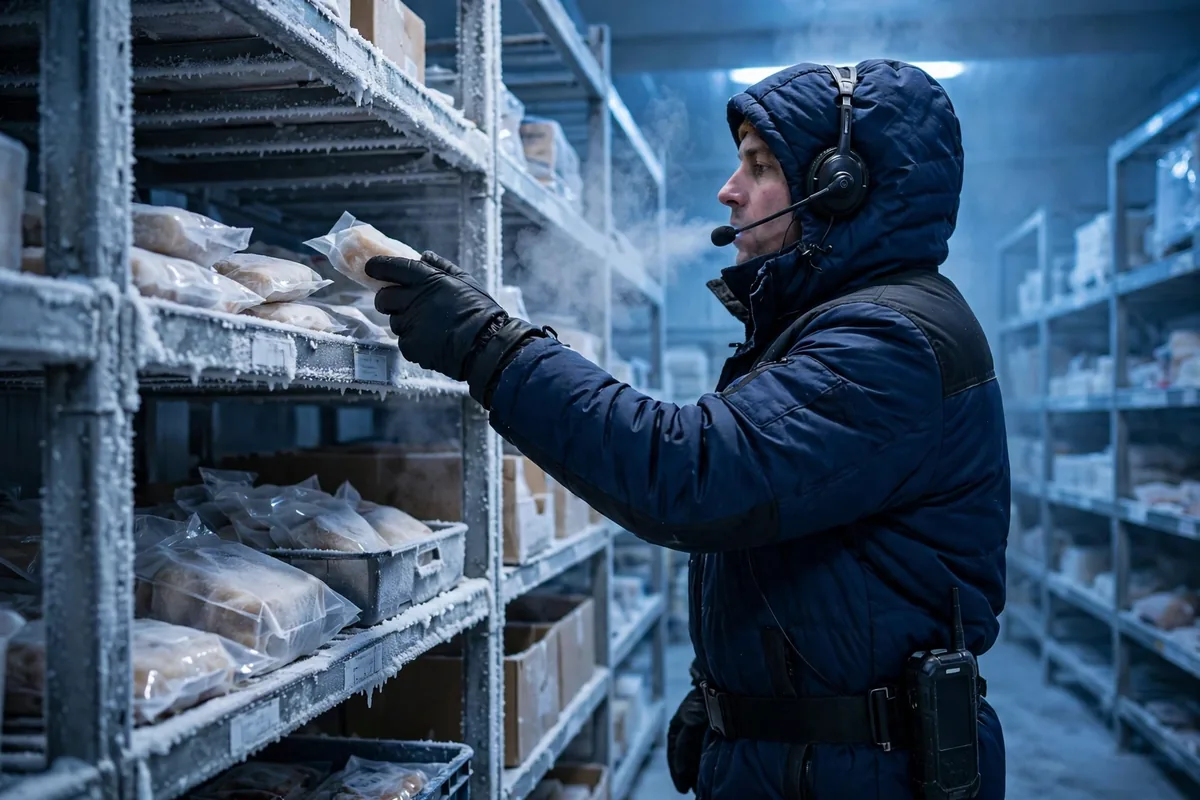
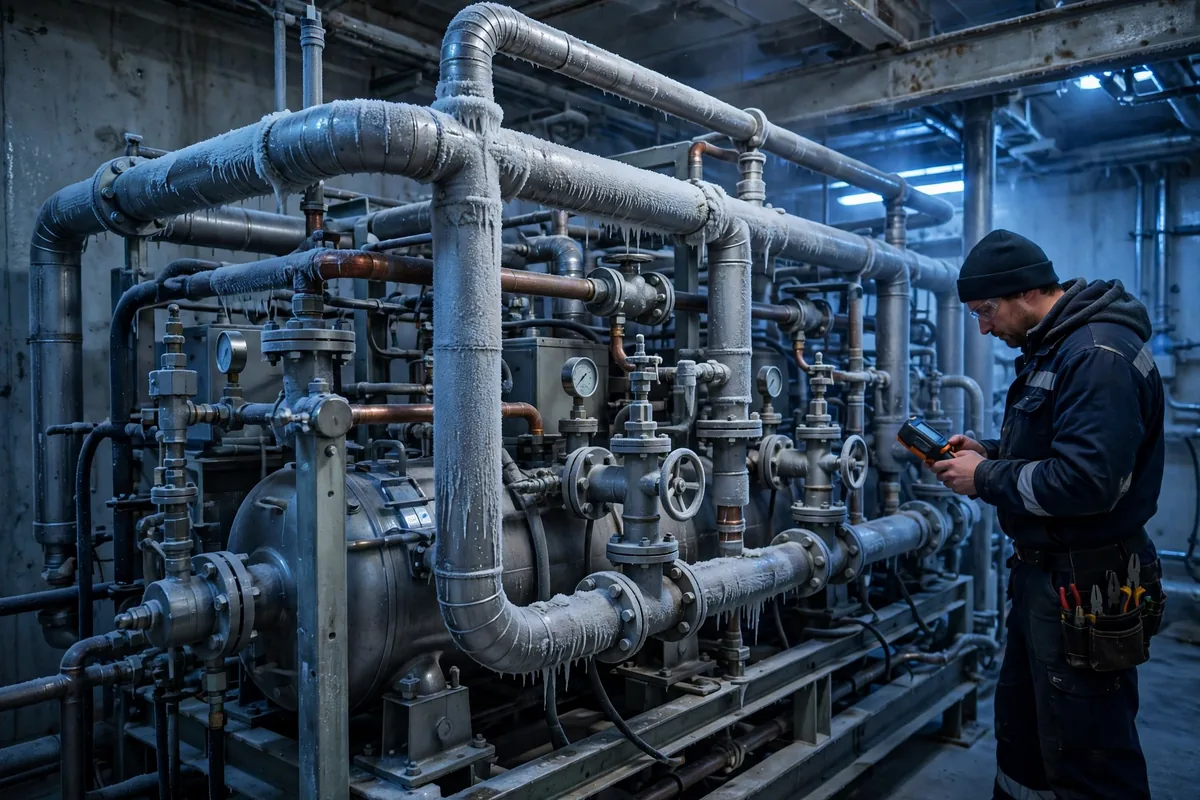
Controlled atmosphere is the second line of defence. A regular cold room manages temperature and humidity; a controlled-atmosphere room also pulls oxygen to 1 to 3 percent and holds carbon dioxide at 1 to 5 percent, putting the fruit close to dormancy. The mix depends on variety: Gala typically runs at 1.5 to 2 percent oxygen with 1 to 2 percent carbon dioxide, Fuji needs carbon dioxide below 0.5 percent. Done right, apples hold 8 to 10 months. Here is the counterintuitive part: being able to store fruit for 10 months does not mean you should. South African apples earn their premium in the counter-seasonal window, harvested in the Southern Hemisphere autumn just as Northern Hemisphere stocks run low. Every extra month in storage hands that window to somebody else. The technology can keep your apples. It cannot keep your market.
Something only the sell side will tell you straight: colder is not better. What apples fear most is freezing injury, not warmth. Drop the room below minus 1 degree and the flesh is damaged for good; the skin can still look fine at arrival, until the buyer bites in and finds mealy flesh. Plenty of first-timers crank the temperature down and destroy more fruit that way than softness ever would. With temperature, accuracy beats aggression.
The Bill, Carton by Carton
Priced carton by carton, the chain looks like this, an illustrative example for a 2,000-carton container, not real quotes:
| Step | Cost (USD per carton) |
|---|---|
| Pre-cooling, grading, packing | 0.60 |
| Controlled-atmosphere storage (2 months) | 0.40 |
| Reefer truck, growing region to Cape Town port | 0.30 |
| Port handling and reefer container | 0.50 |
| Ocean freight, Cape Town to Mumbai | 2.20 |
| Total | 4.00 |
Rough arithmetic on the 2024 customs figures: 577 million dollars over 671,000 tonnes is about 860 dollars a tonne, or about 10.75 dollars per 12.5-kilo carton. Four dollars of cold chain on a carton worth under eleven is already more than a third of its value, before the time bill: arrive a week late and wholesale prices can slide 5 to 8 percent, a scenario illustration, not a market quote. A week of delay on one container can cost more than its ocean freight. The most expensive line is not freight. It is waiting, for a vessel, for a berth, for the wind to drop.
This table is your leverage. Plenty of shippers haggle over ocean freight, win back 200 dollars, then lose 2,000 dollars on a pre-cooling deadline that was never written into the contract. What a 3PL fears most is not a client who negotiates hard. It is a client who does not know what they are paying for.
Cape Town's Wind Is the Real Client
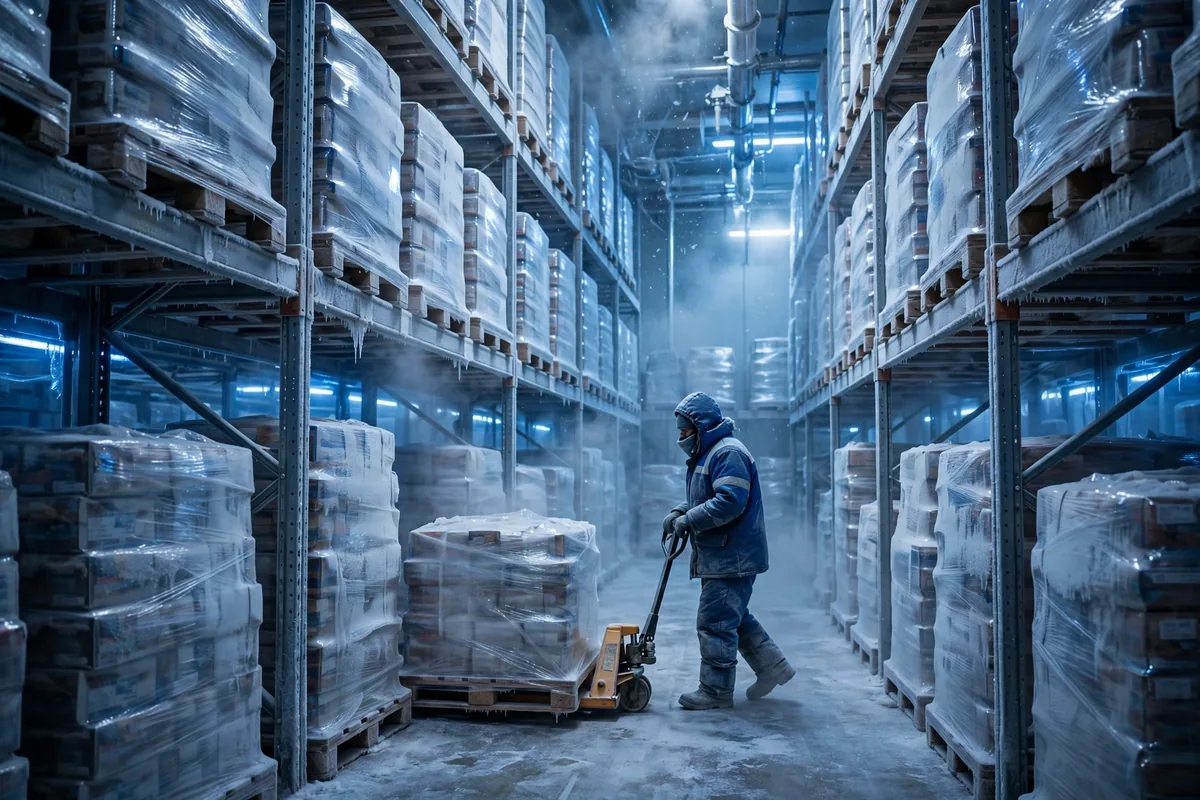
Reefer trucks drive a hundred-plus kilometres of mountain road from Ceres and Elgin to the port. The real bottleneck is the port. Cape Town's summer south-easter, the Cape Doctor, arrives every year, and when it blows, the terminal's cranes stop. In November 2025 alone, wind stoppages added up to more than 400 hours, against 265 hours in the same month of 2024. Some vessels were delayed by more than two weeks; in one week, a single vessel sailed leaving about 350 containers behind. The World Bank once ranked Cape Town's port 400th out of 400, dead last.
When the wind stops the cranes, the usual answer is diversion: north to Walvis Bay in Namibia, or east to the Eastern Cape ports. It works, but it costs far more, and every extra day on the road adds risk. The other answer is conventional reefer vessels loading directly from inland cold stores, which the wind bothers far less. But those sailings must be booked three weeks ahead.
So when I negotiate a South Africa apple export contract now, the port delay clause goes in first. How many hours of wind stoppage trigger automatic diversion? Who pays the extra cost? After how many days can the buyer refuse the cargo or reprice it? Most contracts just write "force majeure" and stop there. The wind comes every year. It is not force majeure. It is daily routine, and daily routine belongs in the contract.
South Africa Apple Export: Why the Far East Keeps Getting Bigger
In 2024 the Far East and Asia were South Africa's largest apple export market at about 33 percent. India took about 3 million cartons, up about 55 percent. Africa took about 23 percent, the UK about 15 percent, the Middle East about 12 percent. The growth is not in the old European markets, it is in Asia, and Asian buyers are pickier about firmness at arrival, because the fruit travels further and waits longer, and one soft grade costs you a price tier.
That changes the business for a 3PL. Serving Europe used to be about a reliable sailing schedule. Serving Asia is about an unbroken chain with paperwork to prove it: temperature logs, cold store dispatch reports, port wind records. Those documents used to appear only when something went wrong. Now they appear at quotation stage. The provider who can lay the full chain of evidence on the table can hold their price. The one who cannot has only price left, and that road ends in working for nothing.
Back to Mr. Chen's line: "The cold chain never broke, and the apples still went soft." In his second season we rewrote his contract: a pre-cooling deadline, a port delay clause, an arrival inspection standard. His cargo was still a few days late, but the contract said who carried the delay, the buyer docked what it allowed, and nobody raised their voice. He told me afterwards the most expensive thing is not the cold store. It is the lines that never made it into the contract.
Next time you negotiate, ask these three questions: Is there a pre-cooling deadline, how many hours after picking, and what happens if it misses? Who carries a port delay, and after how many hours of wind stoppage does diversion kick in? And what exactly counts as acceptable on arrival, firmness, sugar, skin finish, in numbers, not "good quality"?
By Susan, 3PL Sales Director