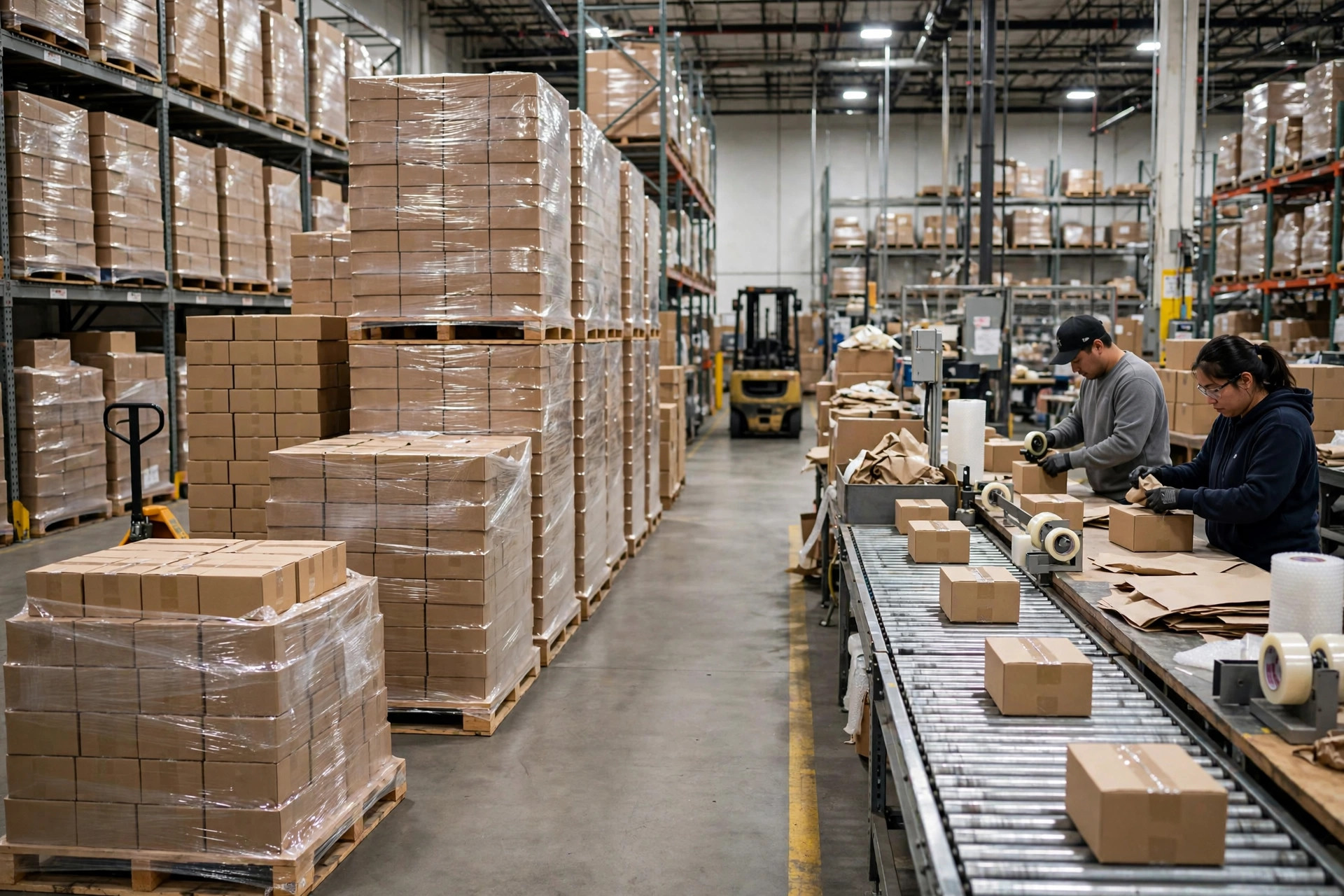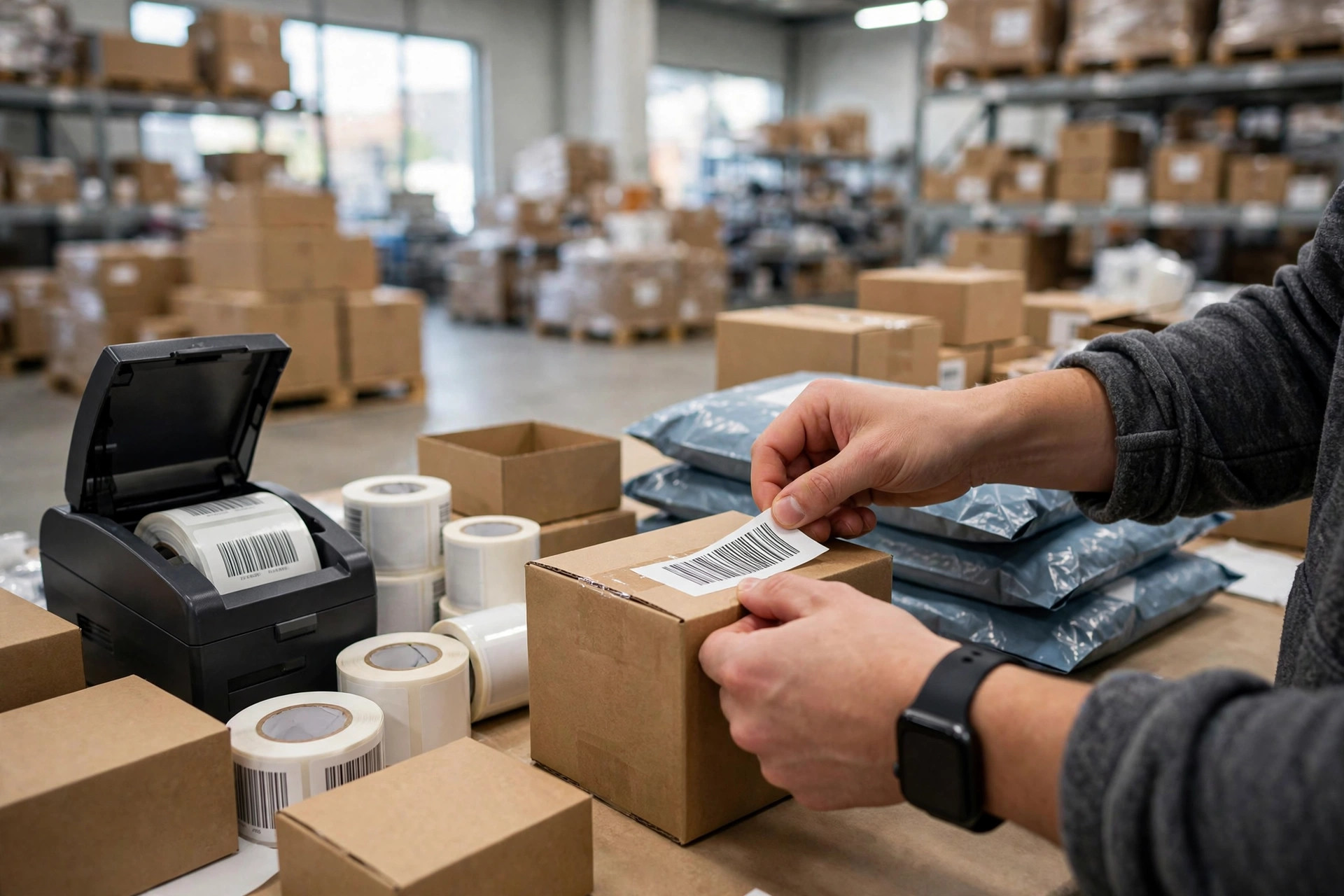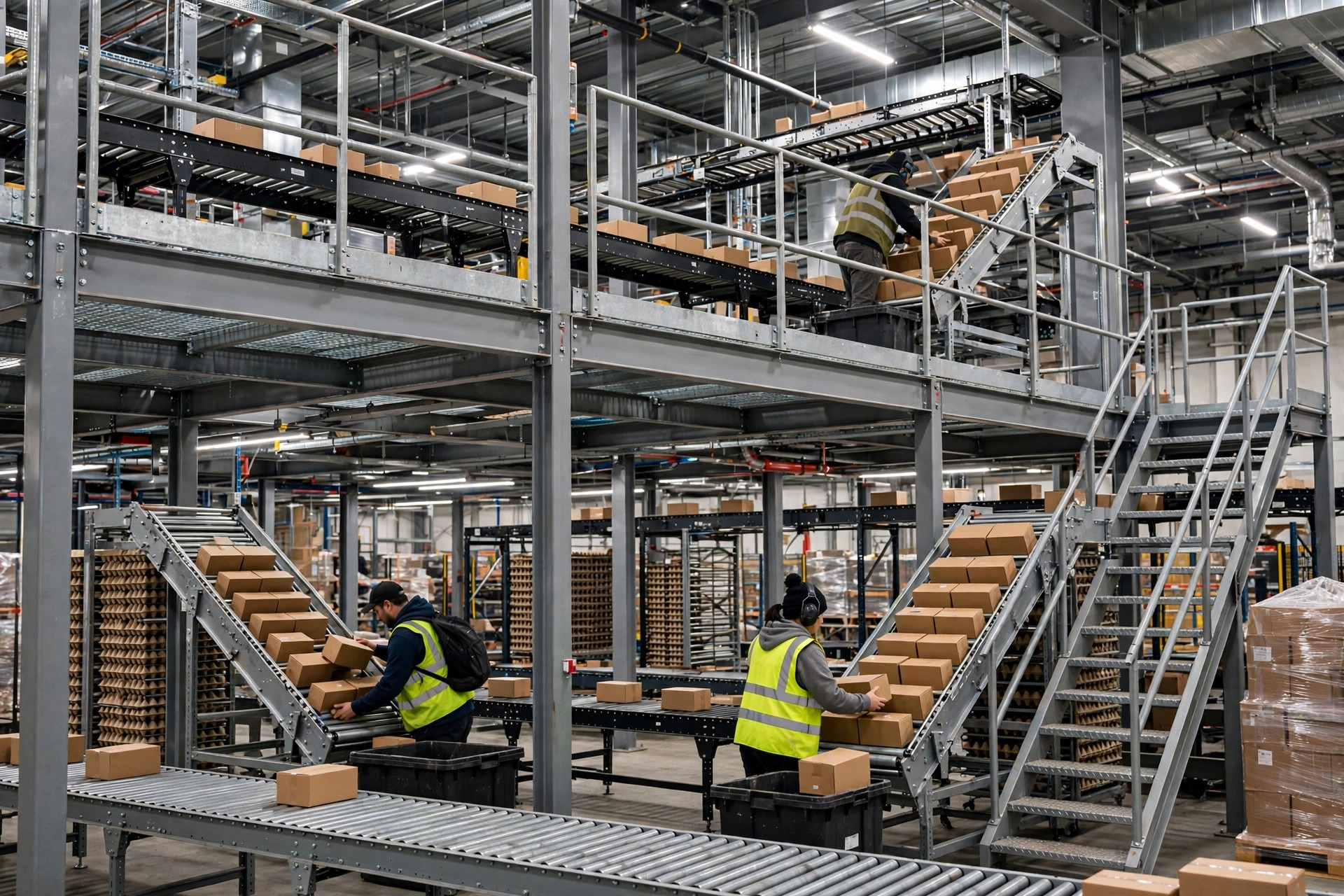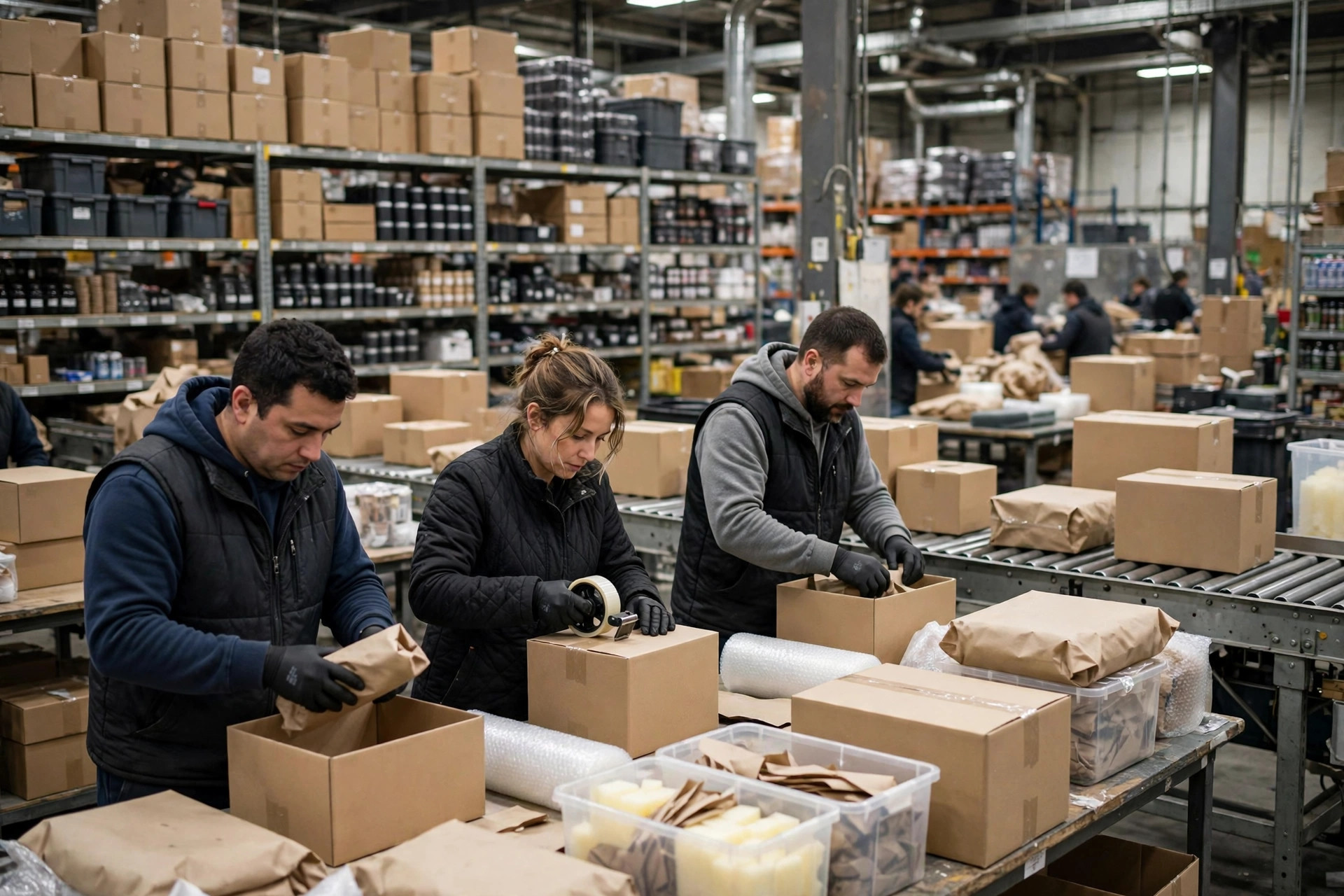
Last Singles' Day eve I was still in my Yiwu warehouse at 2 a.m., orders pouring in while the packing benches had no free space left. That night settled it for me: singles day warehouse preparation is not about who dares to stock more. It is about who calculates earlier, staffs fuller, and locks the cut-off sooner. Platform rules change every year, so check the latest platform rules for anything policy-related. The warehouse side, though, barely changes.
I learned this the stupid way. One storage box sold over two hundred units a day for three straight weeks, so I stocked four thousand of them. When the sale opened, traffic went to a cheaper listing of the same product and mine moved less than half of what I had prepared. The rest sat in the warehouse until after New Year. Storage and tied-up cash hurt far more than the packing cost ever did. Since then I have one rule: identify the real hits first, then talk quantities.
Singles day warehouse preparation starts with the hits, not the whole store
My method is crude, but it works. Forty-five days before the sale, I pull every listing into one sheet and look at three numbers only: average daily orders over the past thirty days, orders in the same period last year, and how many days current stock will last. A listing only enters the hit pool if both its recent daily average and its last-year figure are rising. If only one is rising, it goes into the watch pool. I do not overstock the watch pool.
Last year only six listings made my hit pool, under twenty percent of the store, yet they drove over seventy percent of sale-period orders. A mug in the watch pool looked steady day after day, so I stocked just twenty days of normal volume. It sold out on day three of the sale. I was almost relieved. Losing one watch-pool item costs a little. Getting one hit wrong ties up the whole warehouse.
Calculating a hit also means calculating its bundle. Hits often ship with a free gift or a small accessory. I once stocked the main product and ran out of the gift on day three. Customer service got flooded, and I had to pull the listing to change it. Since then I stock gifts at eighty percent of main-product volume and accessories at sixty percent. Better to have gifts left over than to have a main product that cannot ship because its gift is gone.
Singles day warehouse preparation staffing: more temp workers is not better
Staffing cost me twice, in opposite directions. The first time I hired too few people. Packing benches queued up on day one, orders went out late, and bad reviews followed. The second time I hired too many. New hands did not know the flow, mislabelled parcels, shipped the wrong items, and rework ate more time than the extra hands saved.
Now the rota has three tiers. Experienced staff run packing and final checks. Newcomers only handle unpacking, sorting, and labelling, jobs where a mistake is easy to catch. Temp workers arrive three days early for training, work eight-hour shifts, and never run a night shift alone. A week before the sale I time the full flow once, from order intake to picking, packing, and dispatch, and I add people to whichever step jams. I do not add people evenly across the warehouse.
| Stocking tier | Stock cover | Staffing plan | Best for |
|---|---|---|---|
| Conservative | 15 days of daily volume | Current team plus overtime | New products, watch-pool items |
| Standard | 30 days of daily volume | Core team plus 2 temp workers | Steady hits |
| Aggressive | 45 days of daily volume | Extra staff per bottleneck step, trained early | Hits that doubled last year |
The table looks cautious, and that is the point. It protects cash flow. The longer the stock cover, the more cash sits on shelves. My ceiling is forty-five days, even for a hit I love. Beyond that, the risk of unsold stock outweighs the risk of selling out.
Lock the cut-off early and you will sell more, not less
That sounds backwards. I have now tested it two years running. I used to push the cut-off later and later because I feared losing orders. We were still packing at 10 p.m., orders still went out late the next day, and buyers waited anyway. Refunds and bad reviews piled up from late dispatch, not from the cut-off itself. Then I moved the cut-off two hours earlier, locked it, and put it in the listing page and the customer service replies. Buyers knew before ordering what would ship the same day.
The result surprised me. Orders inside the cut-off shipped on time, delivery scores improved, and orders after the cut-off got a dispatch notice first thing the next morning. Buyers did not mind nearly as much as I feared. Total refunds did not rise when the cut-off moved earlier. Refunds caused by late dispatch fell sharply. A cut-off is not turning buyers away. It is shrinking your promise down to something you can actually keep.
There is a second payoff, and it is why singles day warehouse preparation has to include the clock, not just the stock: the warehouse team finishes on time. A team finishing at 10 p.m. and a team dragging to 2 a.m. do not make mistakes at the same rate. Tired people mislabel parcels. The few extra orders you squeeze in late at night get paid back in rework and reshipments.
Once the cut-off is set, buyers must see it before they order. I put it in three places with identical wording: one line beside the main listing image, one line in the automatic customer service reply, and one line on the order confirmation page. If the three wordings differ by even a little, buyers ask questions. My service templates are written in advance too. Before the cut-off, the promise is same-day dispatch. After it, the answer is next-day dispatch, plain and direct. What buyers hate most is not waiting a day. It is not knowing how long they will wait. Clear timing cuts follow-up messages by about half in my experience, and it frees the service team to handle real exceptions instead of answering the same question all day.
After dispatch, do not relax
Once parcels leave, plenty of sellers think the sale is over. For me, the three days after dispatch matter most. Every morning I check three numbers: parcels not yet collected, parcels with tracking exceptions, and new refund requests. If uncollected parcels climb past a level I can defend, I call the courier depot and ask whether it is overloaded. If a tracking exception appears, I message the buyer with an explanation and a fix before the buyer comes to me.
In the 2024 sale, a sorting hub I used near Dongguan overloaded and over three hundred parcels sat still for two days. I spotted it early, moved later orders to another depot the same day, and messaged every affected buyer about the delay. That batch ended with only a handful of bad reviews. Found a day later, that number could easily have multiplied several times over.
Returns are the other trap, and a good singles day warehouse preparation plan covers them too. Hits sell a lot, so they come back a lot. Returned stock goes into its own zone, gets inspected, and only then returns to sellable inventory. Never mix returns straight back into sellable stock. I have seen sellers reship a returned item with a defect, earn a second return plus a bad review, and pay twice for one sale.
So the whole game comes down to one clean set of books in the warehouse: hits calculated right, staff rostered full, cut-off locked tight, and the rest is execution. This one I tested myself, and it works.
By Ah K, E-commerce Seller (5 yrs)