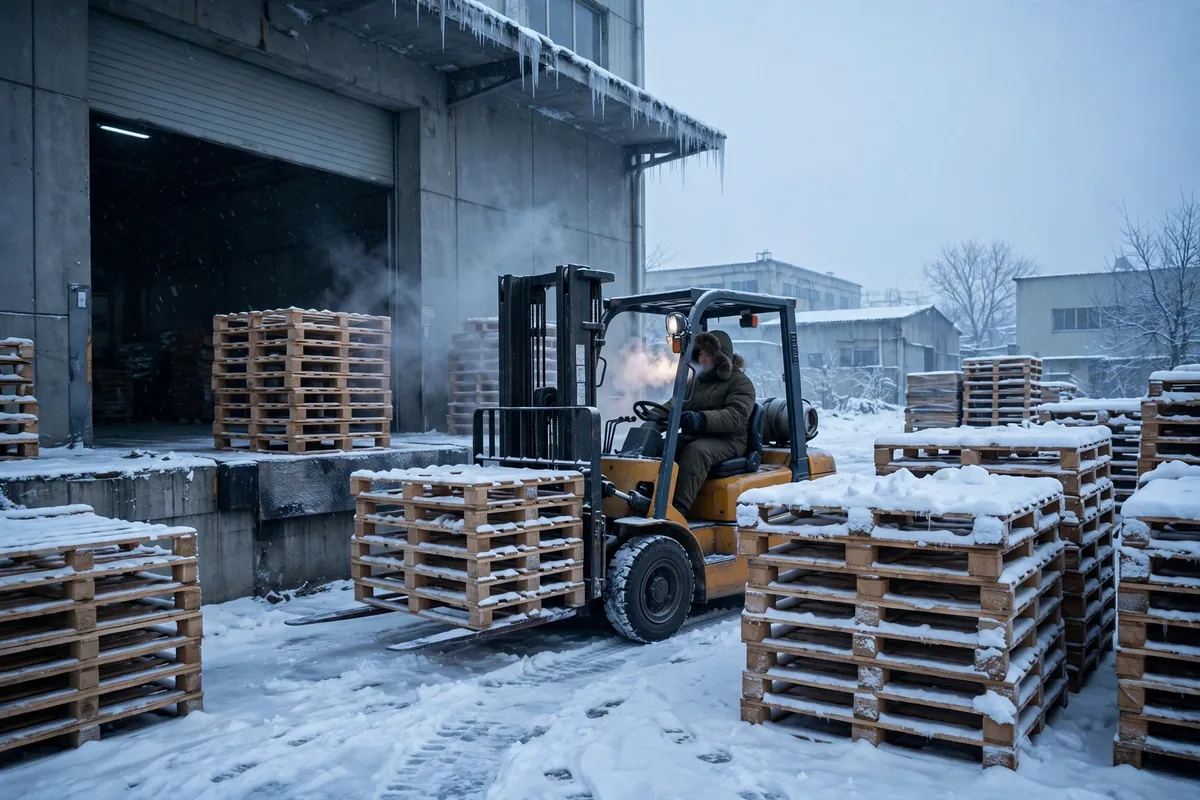
Let me complain first, because Shenyang warehouse logistics is where southern China playbooks go to die. Sellers either ship every Northeast order from far away and watch delivery times collapse in the snow, or they rent the biggest shed they can find near Shenyang and discover in December that size was never their problem. Winter was.
I sell online for a living. My Northeast orders used to ship from a warehouse in North China. On normal days it looked fine. During promotions and snow, it fell apart, and my service team paid for it in complaint tickets. So I put stock in Shenyang, spent two winters learning the expensive way, and now I will save you the tuition.
Geography is the easy part. Shenyang sits like a waist joint for the Northeast. North takes you to Changchun and Harbin, south to Dalian, and the main road and rail flows for Liaoning, Jilin, and Heilongjiang naturally work through or around this hub. Put your main stock here and you shorten the replenishment distance to all three provinces. Put it in Dalian and Harbin becomes a long haul. Put it in Harbin and Liaoning becomes the awkward backtrack. If you only sell inside one province, ignore me. If you sell to the Northeast as a region, Shenyang is the least-wrong hub, and in logistics, least-wrong wins money.
Shenyang warehouse logistics in winter: cold changes the work, not just the weather
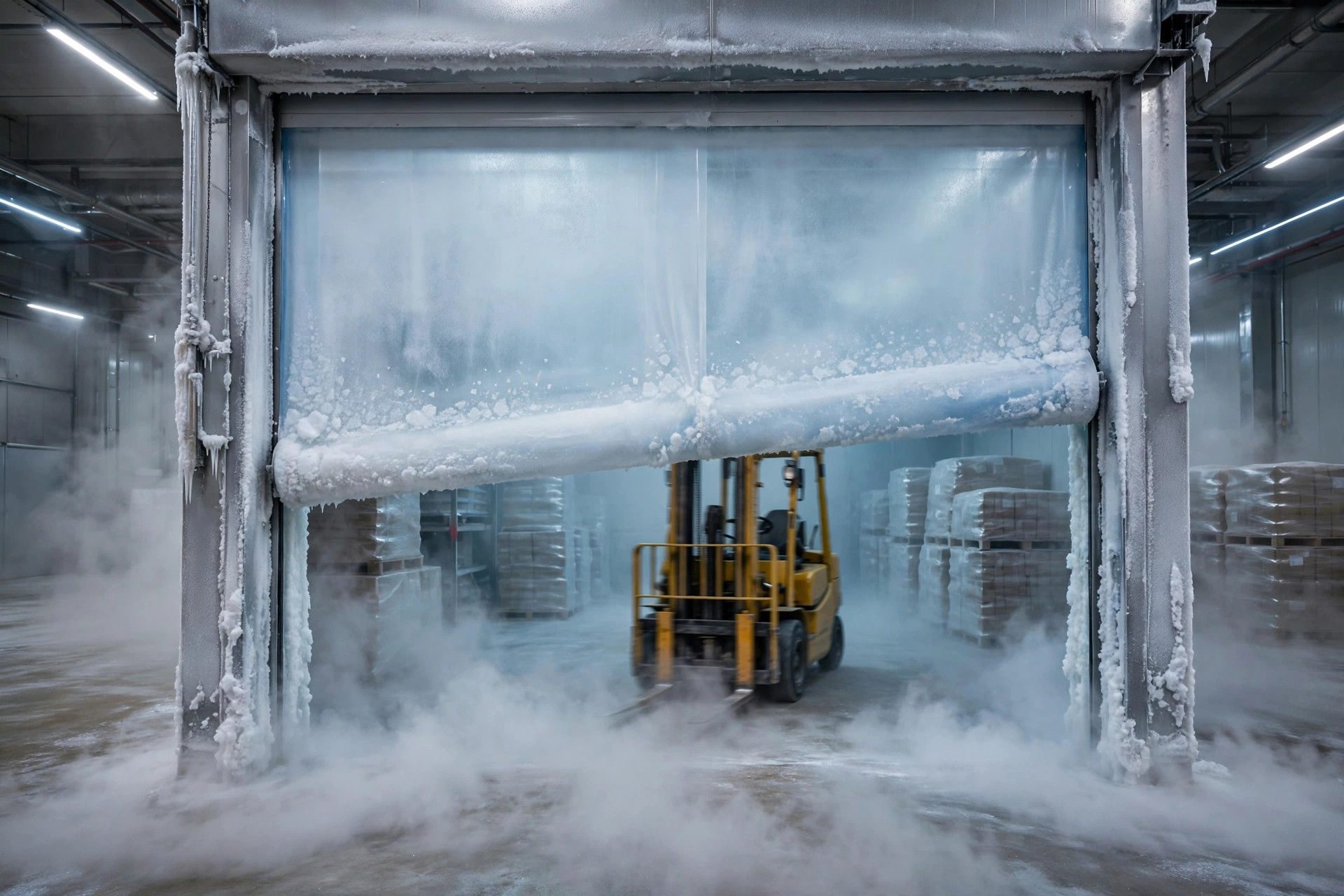
My first winter bill arrived in December 2023. I had battery-powered products and liquid daily goods in the mix, stored as casually as I stored them in the south. Bad idea. In deep cold, batteries behave differently and electric equipment drains faster, tires and handling get less forgiving, packing materials turn brittle, and people scanning and labeling in thick gloves simply move slower. The labor standard I brought from a southern warehouse was fiction by January.
I do not quote a magic temperature number here, because the right storage condition depends on the product; follow the product specification and the warehouse's current rules. What I changed was practical. First, I inspect heating and zoning in person, in winter, and I stand in the aisle for a while instead of trusting a brochure. Freeze-sensitive stock needs a zone that actually stays stable, not a promise. Second, I plan equipment and consumables for winter: more frequent battery rotation, attention to tires and slip risks, and separate handling instructions for liquids. Third, I stopped staffing to the summer plan. On extreme cold and snow days, inbound arrives late, line-haul leaves late, and promising an aggressive delivery date just manufactures apologies.
The data part is simple. When I compared my winter operation with the summer baseline, the same team needed visibly more buffer — I now plan roughly an extra tenth to a fifth of slack in labor and time for the worst winter stretches, as my own operating rule, not an industry standard. That sounds like waste until you count what it saves in breakage, late orders, returns, and service compensation. Staffing winter like summer is the most expensive saving I ever made.
Shenyang warehouse logistics: one suburban main warehouse, one small in-city node
My second mistake was greed for cheap space. I took only a large suburban warehouse. Rent per square meter looked smart, storage was plentiful, and then I watched Shenyang same-city orders gain almost no speed advantage despite being close to the buyer. The building was far from the city carrier network, the cut-off was early, and urgent orders had no flexible exit. Cheap space, expensive conversion loss.
Here is the setup I run now for Shenyang warehouse logistics, and it is boring on purpose:
| Node | What it holds | What it serves | Main risk |
|---|---|---|---|
| Suburban main warehouse | Full core range, seasonal build-up, long-tail SKUs | Line-haul to Changchun, Harbin, and Dalian; wider Northeast orders | Early cut-off, weak same-city speed |
| Small in-city forward warehouse | A short list of proven best-sellers and high-frequency items only | Shenyang same-city and short-distance Liaoning orders | Higher rent, fast stock-outs if picking is wrong |
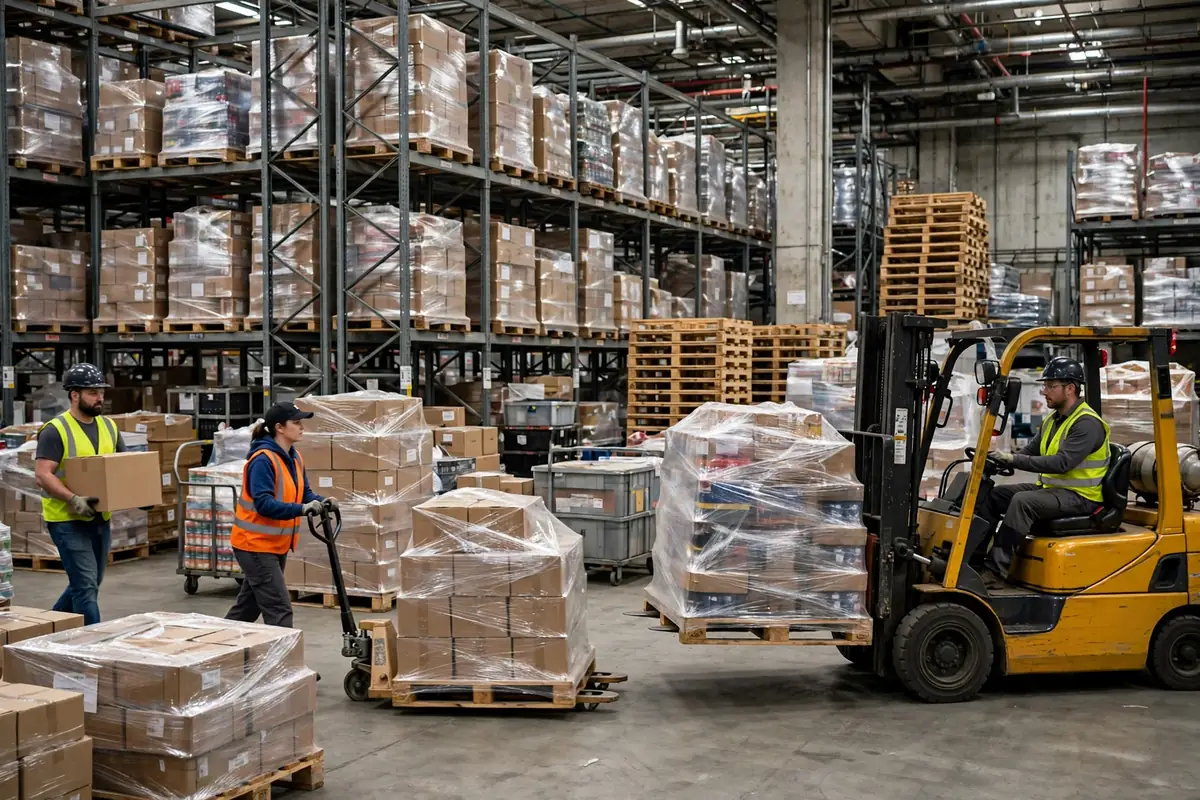
The rule is discipline. The forward node is not a second warehouse; it is a speed tool for a handful of SKUs, replenished from the main warehouse on a daily rhythm. The moment you start spreading the full catalog across both sites, you double your counting pain and guarantee that the item the customer wants is sitting in the other building.
Inventory depth is where Northeast sellers quietly bleed. The market is big, but its rhythm is not the southern rhythm. A product can spike hard and fade fast, and winter stock that misses its window becomes trapped cash by spring. My depth rule: core sellers are stocked to cover the line-haul replenishment cycle with a safety margin; seasonal products go in small and are topped up on real sales data; new products start shallow in Shenyang and earn depth. Never use Shenyang as a dumping ground for stock that failed in the south. That is not regional strategy, that is moving a problem to a colder place.
Line-haul deserves the same paranoia. Shenyang to Harbin, Changchun, and Dalian has plenty of options on a clear day. On snow days and holidays, your carrier choice shows its true character. I keep a primary carrier and a tested backup, I forecast volume before peaks, and in bad weather I would rather dispatch a day early than gamble on the last cut-off. Compare carriers on current quotes and on whether a human answers the phone when a truck is stuck; the cheapest rate is not cheap if the freight sleeps in a yard. Carrier prices change, so confirm the latest quote before you budget — do not build a plan on a screenshot from last season.
Three warnings before you sign anything. One, visit the warehouse in winter; a July tour tells you nothing about Northeast operations. Two, write heating, snow clearing, peak labor, and cut-off times into the contract instead of relying on a good relationship. Three, plan returns space before you need it, especially for apparel and footwear. Forward speed with a blocked returns corner is a warehouse slowly choking on its own success.
Shenyang can be the best hub in the Northeast or an expensive cold storage lesson. Start with a test footprint, run it through one real winter, and scale only when your own numbers say so. That approach sounds slow, but it is the fastest way I have found that actually works.
By Ah K, Cross-border E-commerce Seller