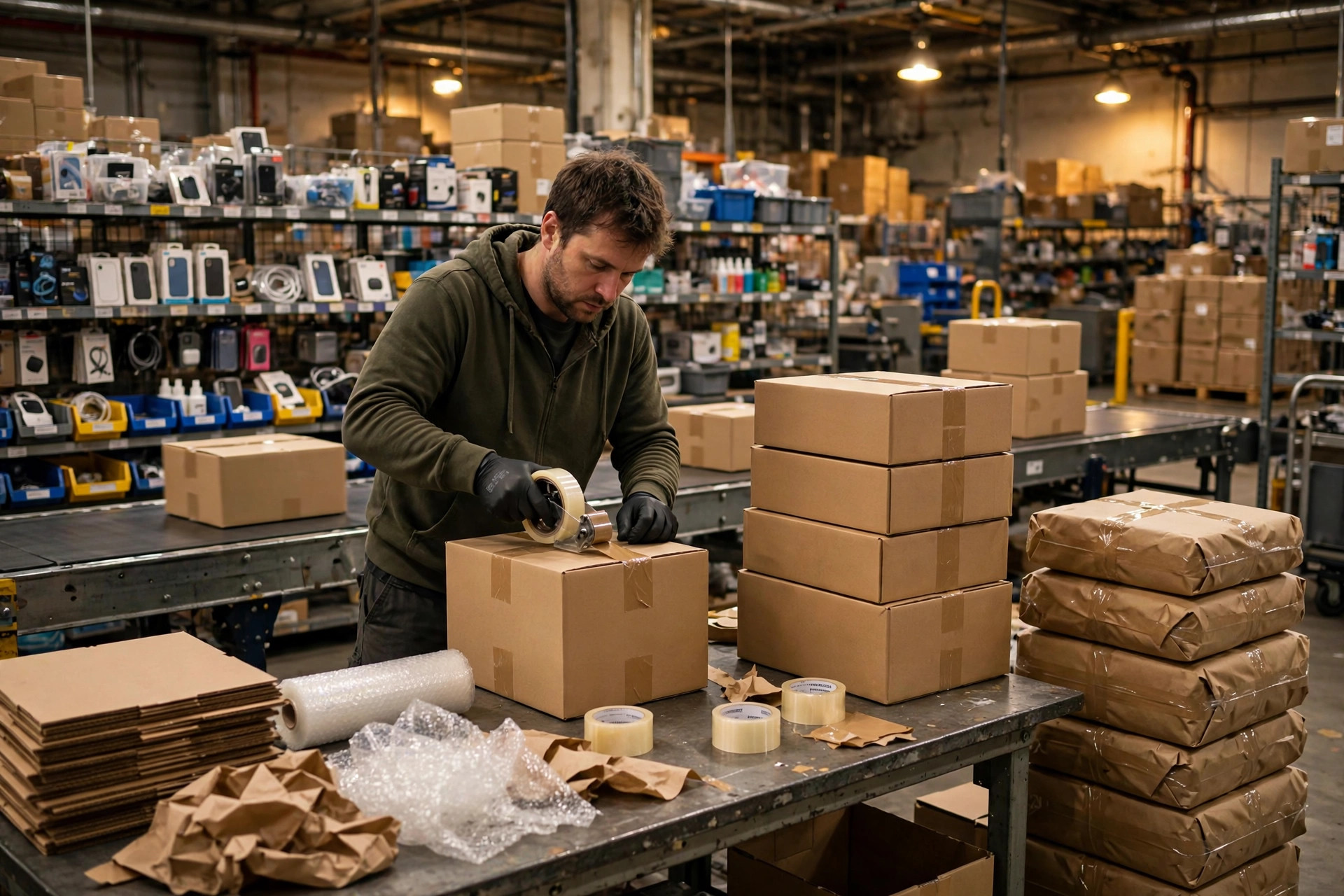
Amazon changed the rules again, and multi-platform returns got a little harder. This time it was not the return policy itself, it was the speed of returns coming back into the warehouse and the way processing fees get charged. I opened Seller Central one morning, saw a processing fee on a return with a vague reason attached, and spent two rounds with support before I understood what happened. That same week, a batch of Walmart returns landed, and my own store's customer service team was still logging returns by hand. Three channels, three ways of working, and my returns team spent every day running a relay between three warehouses that were actually one warehouse.
Multi platform returns warehouse processing is painful, and the pain is not the returns themselves. It is that each channel believes its own way is right. Amazon returns into FBA follow Amazon's flow. Walmart returns follow Walmart's rules. Your own store's returns depend on whatever your support agent remembers that day. Same products, same warehouse, same people, but the moment the process splits three ways, the cost doubles.
My lesson came in November 2024, right after Black Friday. That week the three channels sent back more than 200 units combined. One storage box listing hit a return rate above 20 percent. The returns area had two workstations, and boxes piled up into the aisle. Quality checks could not keep up, and units that could be resold sat on the same pallet as units that belonged in the trash. By the time I counted everything, more than 30 units that could have gone back on sale had sat so long that their packaging got damp, and I had to write them off as defective. That batch alone cost me about a month of rent on the returns area in lost resale value.
Multi Platform Returns Processing Starts With One Master Sheet
Do not start with software. Start with a sheet that puts all three channels' return rules side by side: return window, who pays for shipping, where the return goes, what counts as passing inspection, and what qualifies for resale. On Amazon, most items can be returned within 30 days of delivery, subject to the platform's latest policy. On Walmart, most general merchandise gets 90 days, consumer electronics get 30 days, and wireless phones get 14 days, again subject to the platform's latest policy. Your own store's rules are yours to set, so write them on your returns page and make support follow that page, not memory.
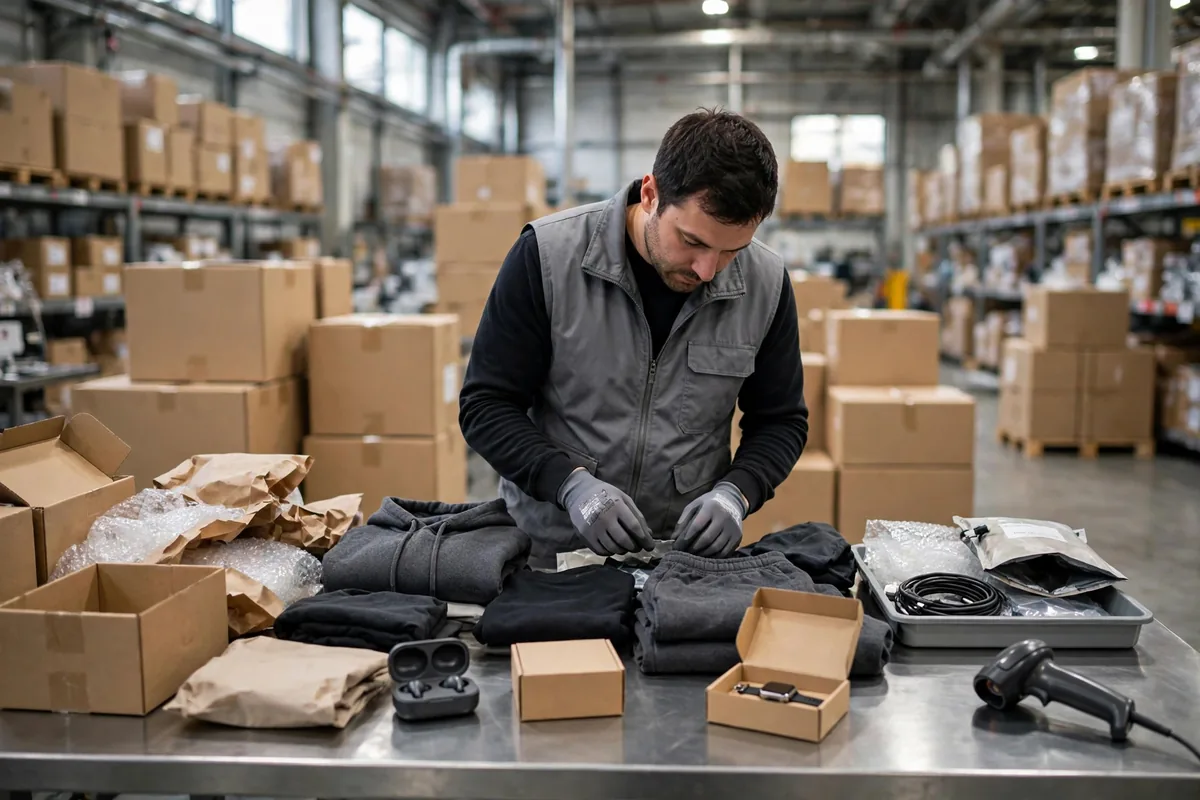
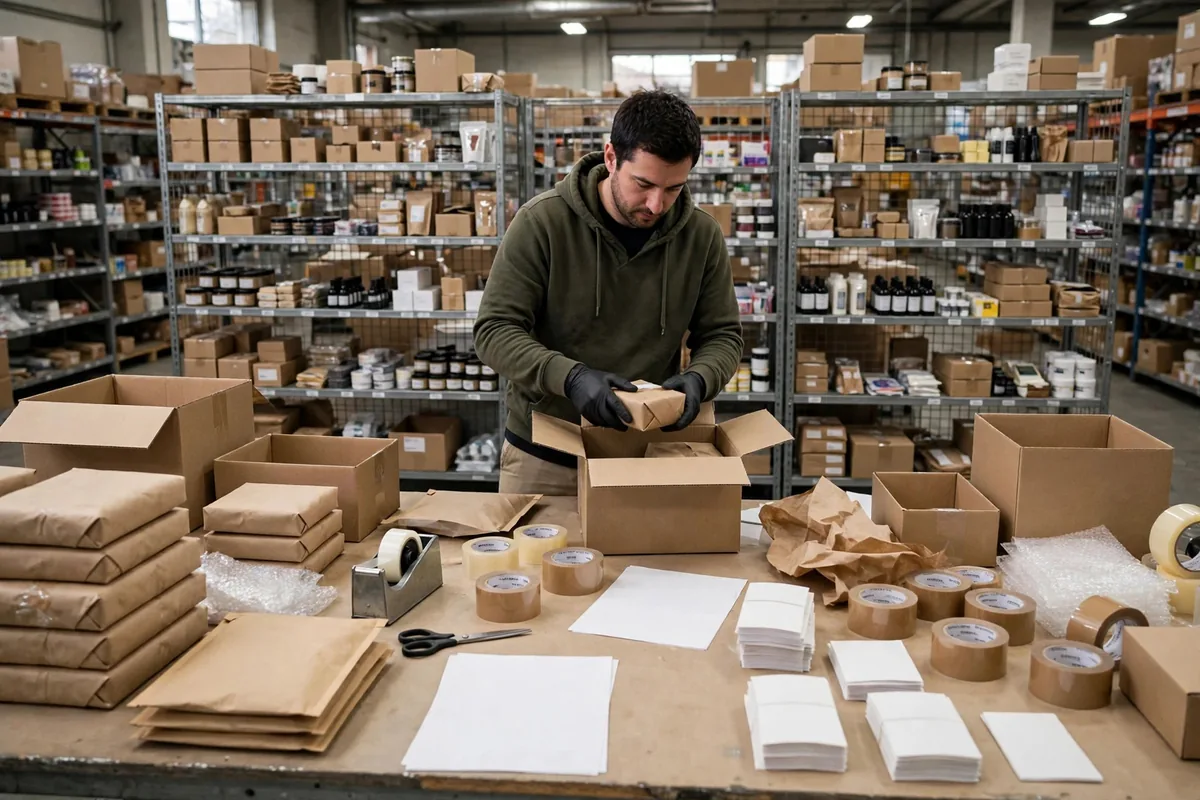
That sheet is not for your boss. It is for the people at the inspection bench. Tape it to the wall next to the bench. Whoever receives a return reads the sheet first, then touches the product. The sheet needs one line per unit: which channel it came from, why it was returned, what inspection found, and where it goes next. Four boxes filled in before the unit leaves the bench. It sounds dumb, and it cut our average returns processing time from four days to under two.
One more detail: the three platforms use different return number formats, so never use a platform number as your internal identifier. The moment a return enters our warehouse, it gets our own returns number, and the platform number goes in the notes field. The number is date plus sequence, and one scan shows the source channel, the return reason, and the inspection status. Support looks up orders with it, finance reconciles with it, and I track return rates with it.
How To Schedule Returns Work So Peak Season Does Not Choke It
Returns are not scary because the volume is big. They are scary because the volume is uneven. Twenty units a day in a normal week, 200 a day in peak, and the same staffing plan will choke. I split returns work into three tiers and queue by priority. Tier one is high-value units that can go back on sale, inspected and relisted within 24 hours. Tier two is ordinary stock, done within 48 hours. Tier three is low-value, obviously dead stock, handled in one batch on the weekend so it never takes a weekday workstation.
A friend who sells pet supplies tried this in March 2025. His warehouse is smaller than mine, one returns workstation, and returns used to sit for over a week. After the change, high-value items like leashes and smart feeders were back in sellable stock the same day. In one month, resale value recovered by nearly 4,000 dollars. No new technology, just a clear answer to the question of what gets handled first.
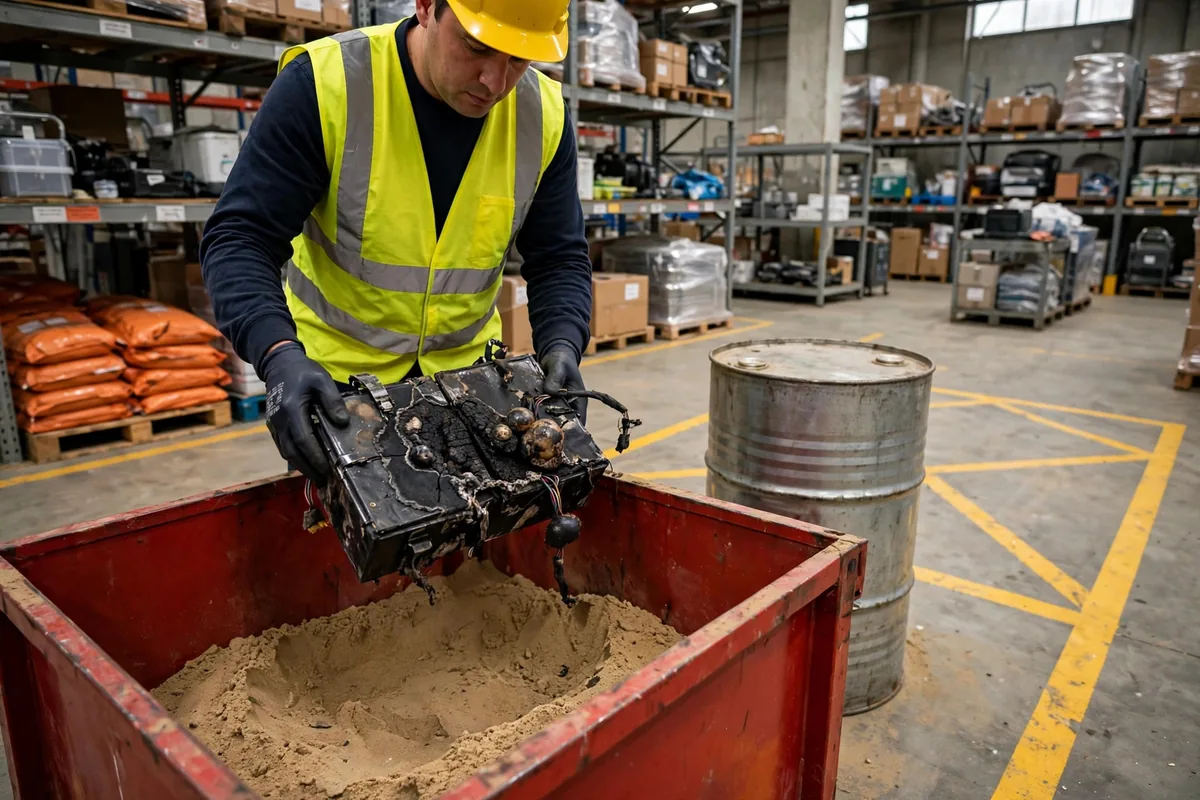
Tiering has a second benefit: it forces a destination for every return. Resellable units go back to the shelf. Units that need repair go to the repair corner. Dead units go through the disposal process. Units the platform wants sent back to the supplier sit in their own zone. When a unit has no destination, it lives on the inspection bench forever. The worst case I have seen was a warehouse with three pallets of "to be decided" stock sitting behind the bench for two months because nobody dared to touch them.
Multi Platform Returns: Where The Money Actually Leaks
The money leaks in three places. The first is resale stock that never makes it back to the shelf in time, so it misses its selling window and ends up discounted. The second is shipping and processing fees that nobody reconciles, so the platform charges whatever it charges. The third is return reasons that nobody aggregates, so the same quality problem comes back a dozen times while the product team keeps shipping the same item.
Here is the math from my own warehouse. These numbers are an illustrative example to show the structure, not an industry benchmark:
| Where the money leaks | Monthly scale (illustrative example) | The fix |
|---|---|---|
| Resale stock stuck in the queue | 3,000–5,000 dollars in product value | High-value units back on the shelf within 24 hours |
| Platform fees nobody reconciles | 500–800 dollars | Reconcile weekly, dispute anything odd |
| Same quality issue returning again and again | Return rate up 2–3 points | Summarize return reasons monthly, feed them to the product team |
Reconciliation is where I got burned. One year, Amazon's returns processing fees ran higher than usual for three straight months, and I assumed returns volume had grown. When I checked line by line, some batches had been charged twice. I got more than 1,000 dollars back through disputes. Since then, Friday afternoons have a fixed half hour for reconciliation, no exceptions. Fee rules and deadlines change, so always go by each platform's latest policy, but the arithmetic itself has to be yours.
Aggregating return reasons pays even better. Every month, pull the return reasons from all three channels into one sheet and sort by reason. The top three reasons are usually the things your product and your listing need to fix. For my storage box, the top two reasons were "size does not match the description" and "packaging damaged." I fixed the size label in the main image and switched to thicker corrugated boxes, and the return rate dropped four points within a month. That cost less than any ad optimization I have ever run.
A few warnings before I finish. Do not write a loose return policy for your own store until you have checked whether your margin can carry it. "No questions asked" sounds generous and bleeds money. Walmart's long return window means returns in transit should count in your inventory planning, or you will run out of stock while 50 units are on their way back. Some Amazon FBA returns go back to sellable inventory automatically, so check that stock regularly, or a damaged unit quietly sells again. That is the whole point of multi platform returns warehouse processing: one workflow in the warehouse, no matter how many channels the goods come back from.
Multi platform returns warehouse processing comes down to one idea: it does not matter which channel a return comes from. Once it is in your warehouse, it follows one set of rules. Platform rules differ, so always go by each platform's latest policy. The warehouse process can only be one. This one I tested myself. We went from three channels each doing their own thing to one master sheet plus three-tier queuing, processing time got cut in half, and resale value recovered by thousands of dollars a month.
By Ah K, E-commerce Seller (5 yrs)