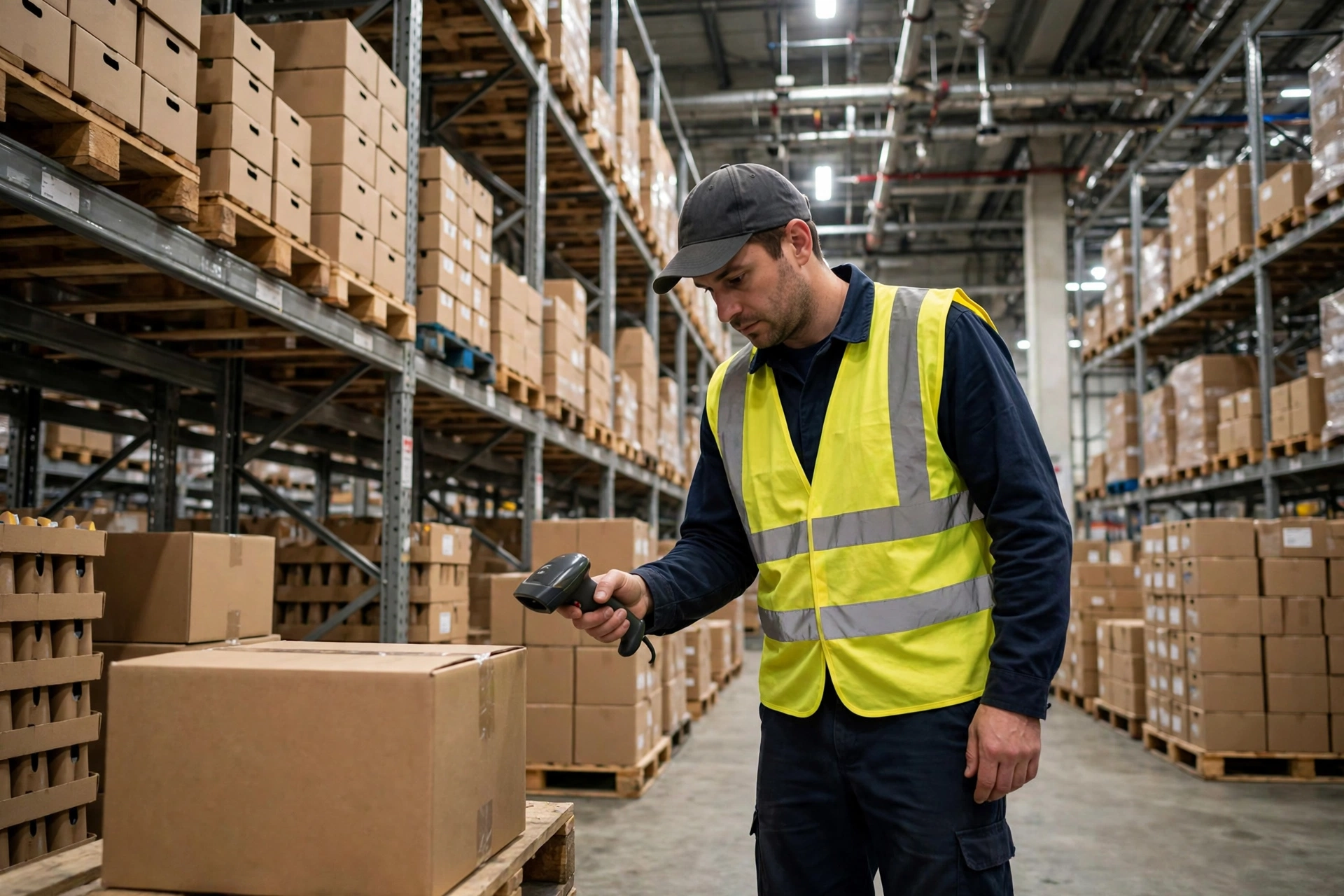
A couple of years ago, I got an unhappy call from a client: "Did your warehouse lose one of our units? Worth $2,000. A customer sent it back for repair, the carrier shows it signed for, and you're telling me you never received it."
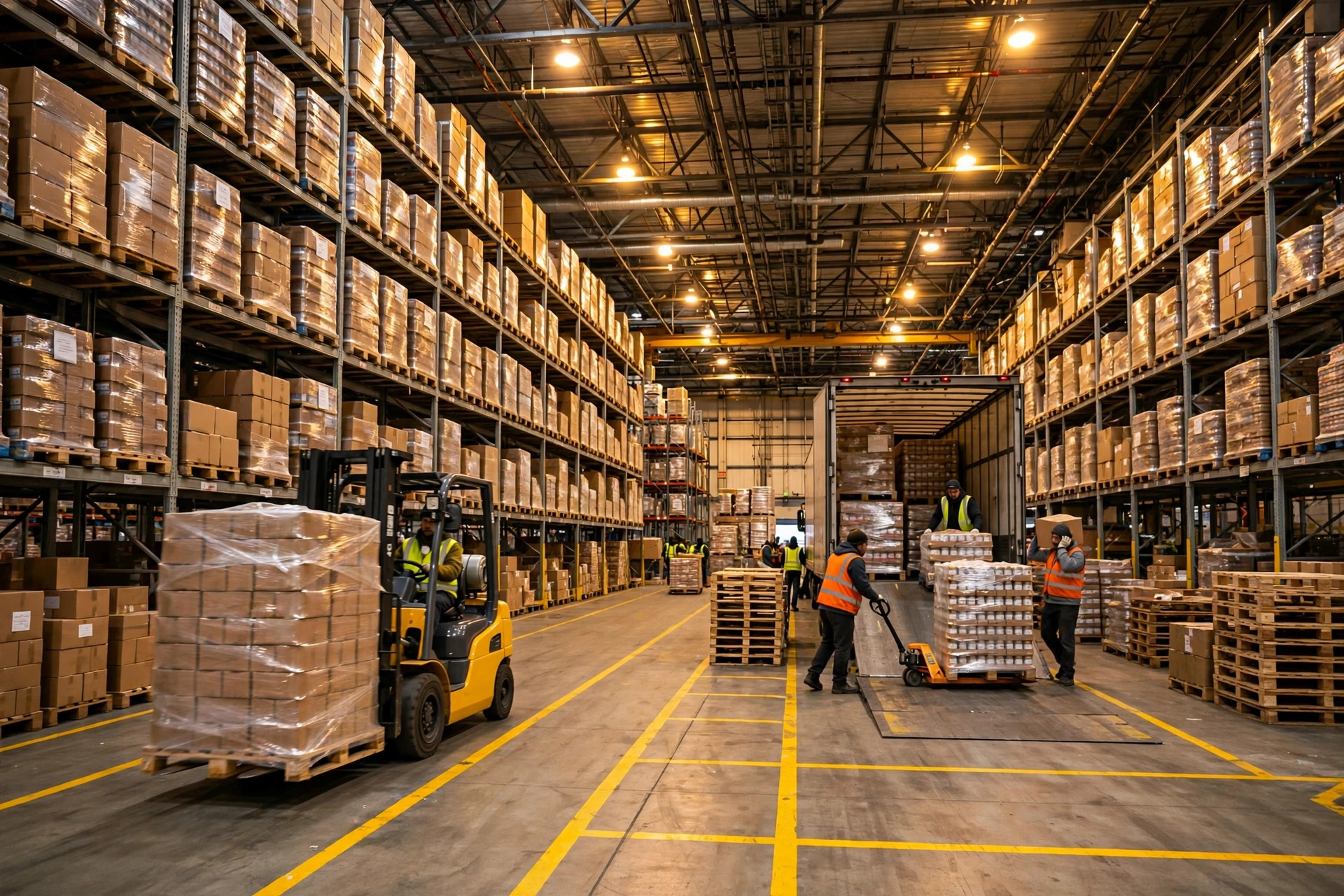
The client distributes power tools — over two thousand SKUs in the building, plenty of them high-value. The warehouse spent three days looking. The receiving log showed a signature. The system said the unit was "in stock." Nobody could say which aisle, which level. The punchline was almost funny: it had been tossed in the returns staging area, buried under three other cartons, label side down. They found the unit. They never got back the three days, the back-and-forth, or the client's trust.
After that I told them: high-value goods can't be managed by count. They have to be managed one unit at a time. That's serial number tracking.
Not everything deserves unit-level tracking
Here's my verdict up front: serial tracking is for goods you can't afford to lose. I use three tests, and meeting any one of them is enough.
First, the unit value is high. My line is around $500 a unit — if losing one hurts, the scan labor is worth it. Putting serial tracking on $30 consumer goods costs more in labor than the goods are worth. That's not control, that's theater.
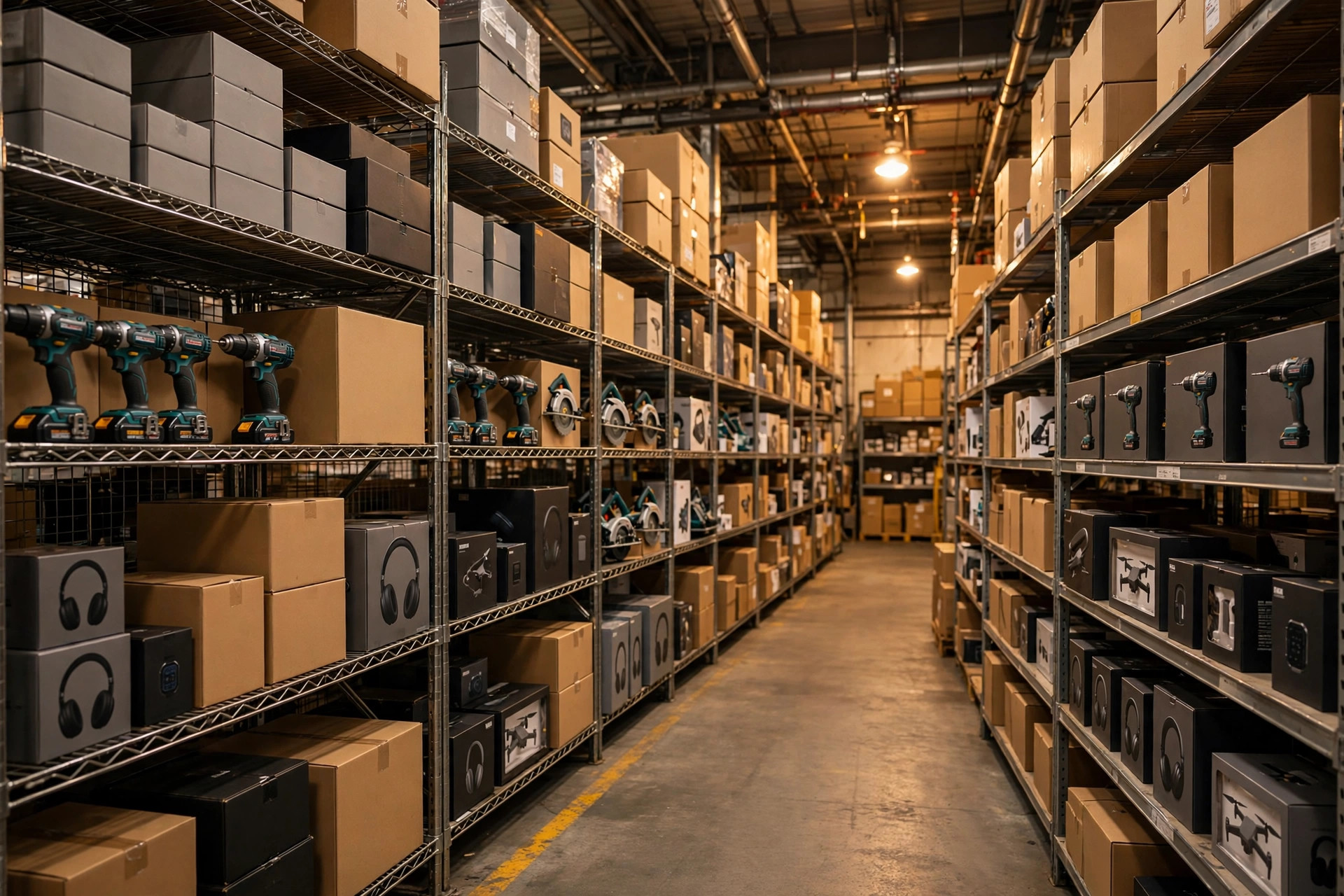
Second, warranty or recall exposure. Electronics, power tools, medical devices — manufacturers honor warranties by serial number and scope recalls by serial number. Without serial records, a recall means freezing entire batches because you can't prove which units are yours. That freeze costs more than the tracking ever would.
Third, the customer demands it. If you run a 3PL, you know this one: the brand owner writes serial traceability into the contract, and it's not optional. It's the price of the business.
Goods that meet none of these? Batch tracking is plenty. The biggest mistake I see is trying to roll serial tracking across the whole warehouse on day one — staff find it tedious, scans get skipped, the data fills with errors, and you're worse off than before. Start with your most valuable SKUs, get the process smooth, then expand.
Serial numbers come from two sources: the manufacturer's native serial, or a label you apply yourself. Native serials are the easy case — just scan. Some goods have theirs printed where a scanner can't reach, or don't have one at all; then you print your own serialized labels at receiving and apply them before putaway. It's an extra step, but a unit without a label is a unit that isn't tracked.
Receiving, shipping, returns — hold those three gates
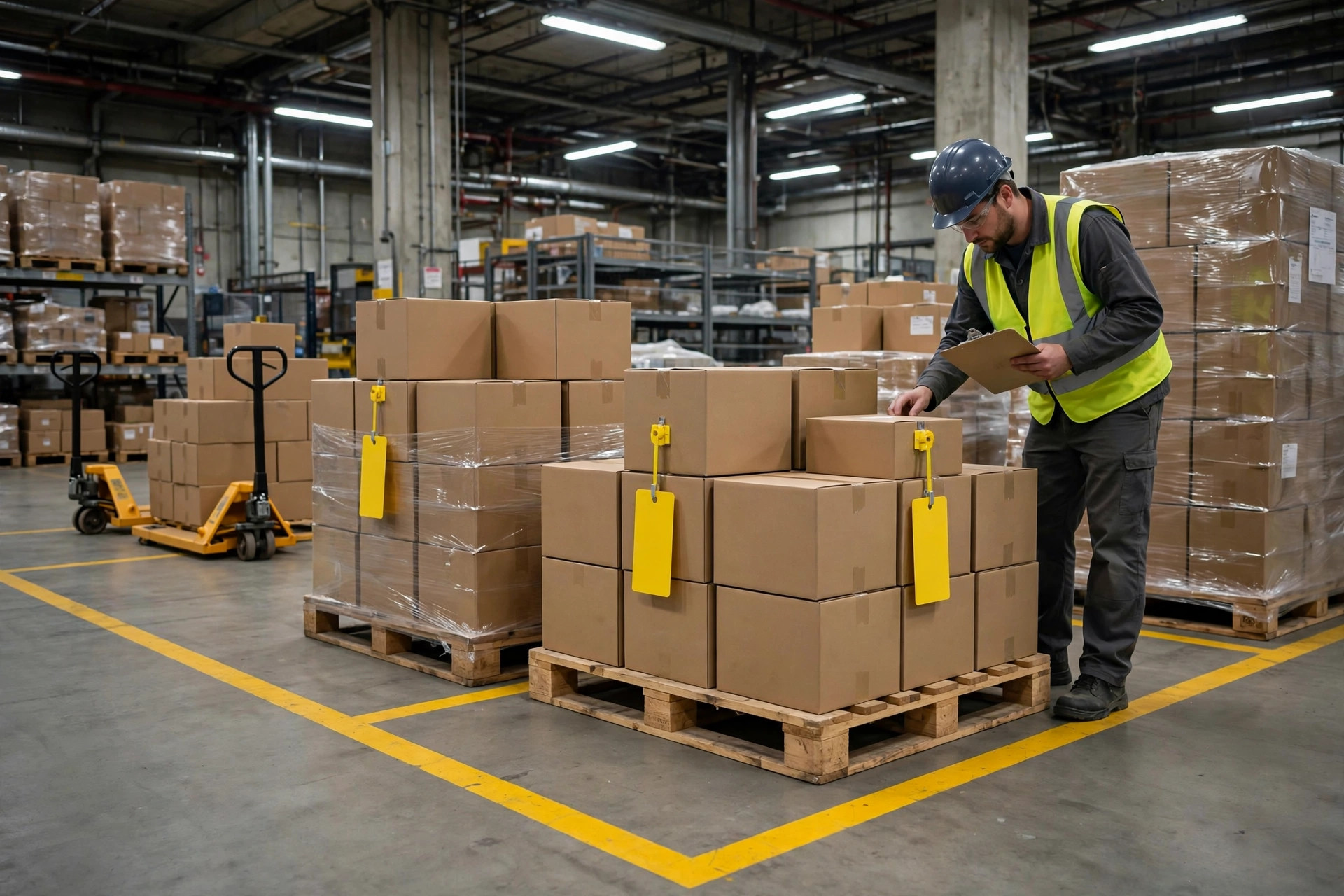
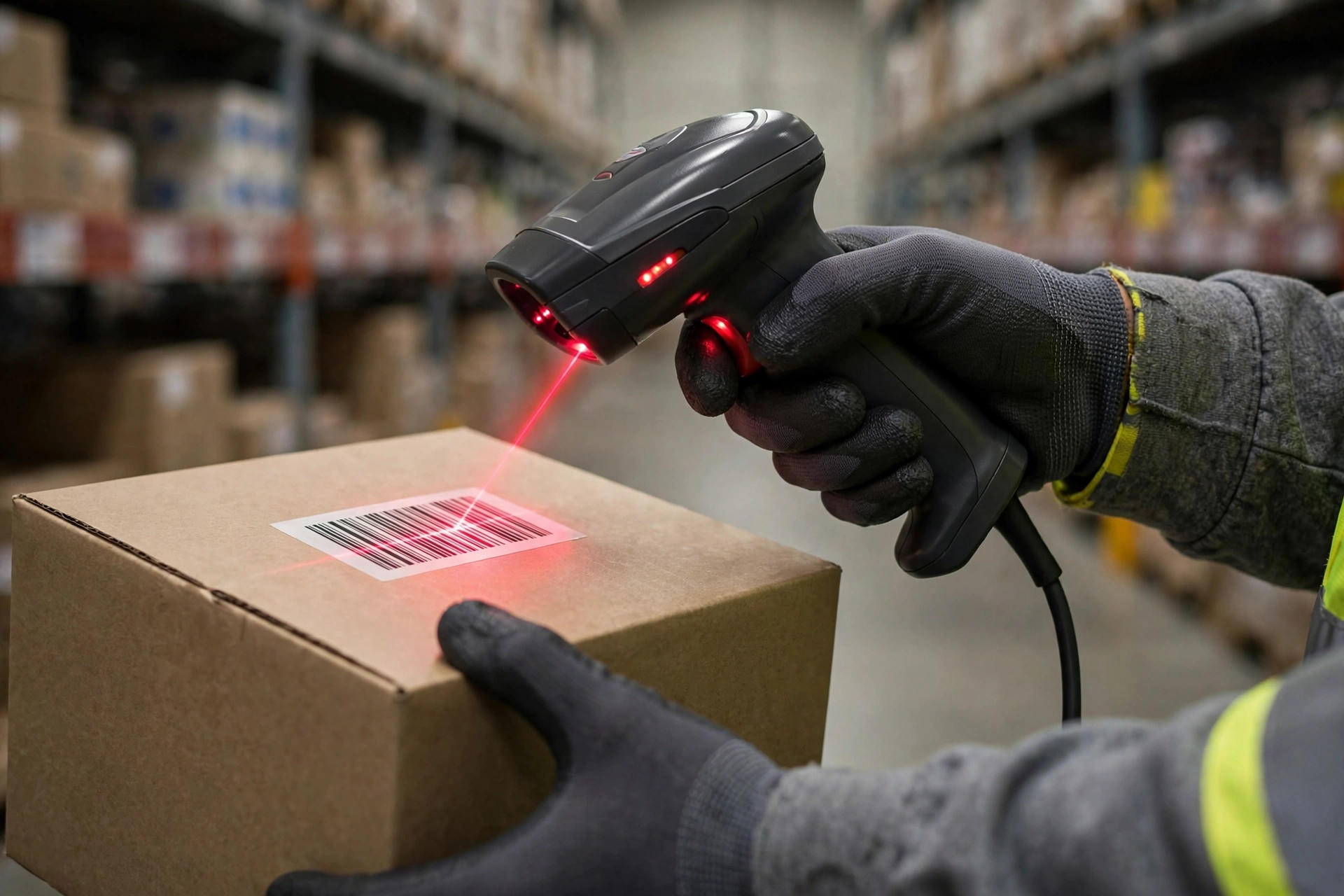
The process isn't complicated. The hard part is doing it every single time. At receiving, scan each unit's serial number: the unit flips from "in transit" to "in stock" in the system, tied to a location. From that moment, its whereabouts are on record. At picking, scan again and match against the serial numbers on the order — shipping the wrong $2,000 unit costs many times the scan labor in return freight and arguing, so this check is not optional. When a return comes back, scan first and verify: is this the same unit we shipped? If the serial number or the physical condition doesn't match, it goes to the exception process before it ever touches inventory. A mystery unit mixed into your returns flow is a special kind of pain.
Returns deserve their own discipline. The check is three-way: does the RMA number match, does the serial match a unit we actually shipped, and does the physical condition match what the customer claimed? The second check catches the expensive fraud — a customer returning a different, cheaper unit, or a unit bought elsewhere, hoping nobody verifies. When the serial comes back "not shipped by us," it goes straight to the exception queue, not back to stock. I've seen this single check pay for an entire serial program.
On the systems side, it's straightforward: add a serial number field to the item master in your WMS, and each scan feeds it automatically. The hardware is cheap — a basic corded scanner like the Zebra DS2208 does the job. The real cost is habit: a few extra seconds at each step, exactly the seconds people skip when they're busy. My approach: make the scan a hard gate in the workflow — the system won't let the transaction proceed without it. You can't rely on willpower; you can rely on the system blocking the next step.
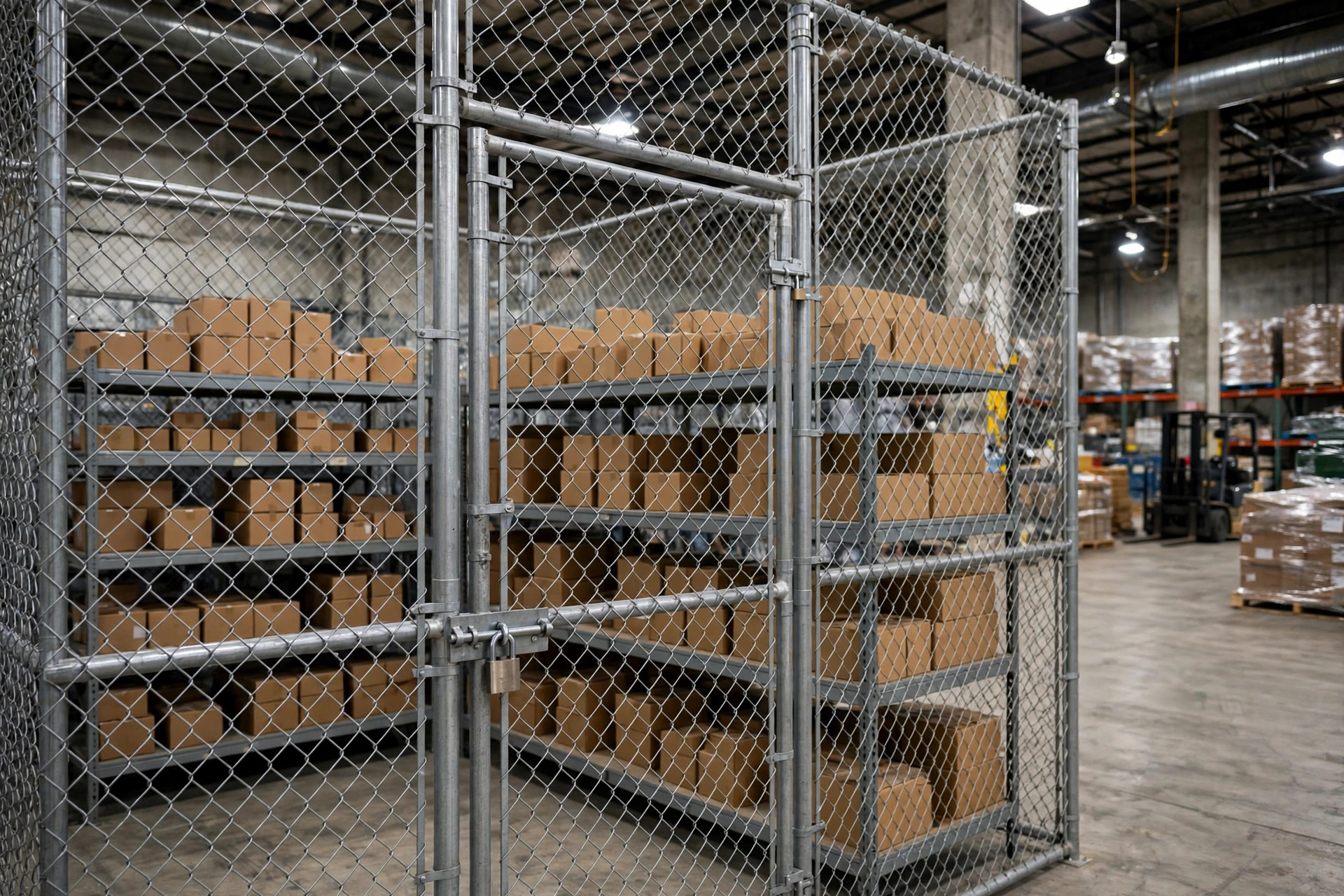
There's a second payoff nobody talks about: internal control. High-value units should live in a locked cage or restricted zone with limited badge access, and every serial scan is a timestamped record of who touched what. That record deters more than it catches — most internal loss is opportunistic, and opportunists avoid paper trails. Pair it with separation of duties: the person receiving high-value goods shouldn't be the same person putting them away. Simple, boring, effective.
One practical tip: some units arrive without a manufacturer serial number, or with one printed where a scanner can't read it. Print your own serialized labels at receiving and apply them before putaway. It adds a step, but an unlabeled unit is an untracked unit.
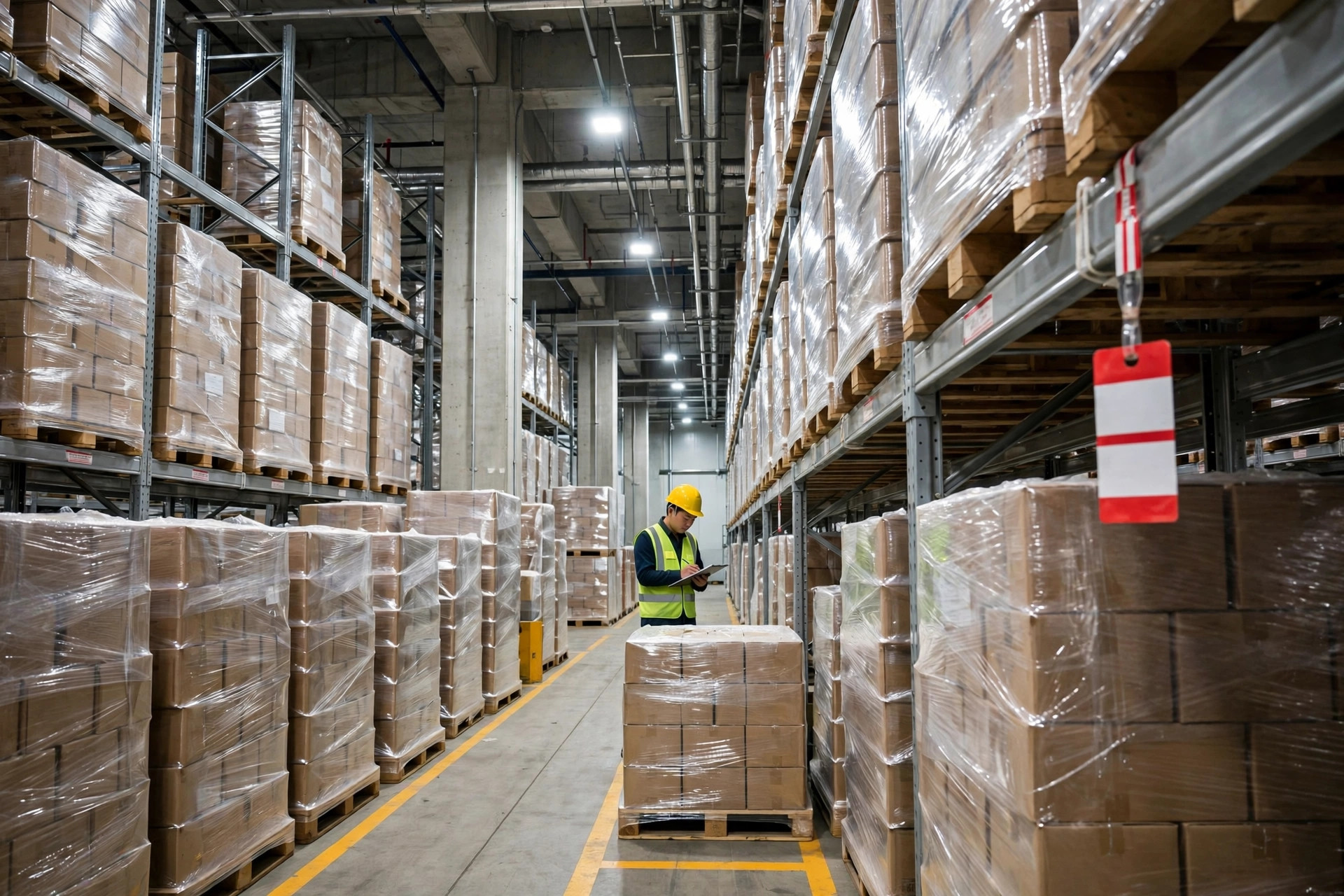
Cycle counting gets a boost too. When you count high-value SKUs, verify serials, not just quantities: does every serial on the shelf match a serial in the system? Quantities can match while serials don't — and that mismatch means somebody moved a unit without recording it. That kind of variance is worth investigating more than a plain quantity difference.
When a serial doesn't match, don't panic — work it in three steps. First, quarantine the unit so it can't keep moving. Second, escalate to a supervisor to determine whether it's a missed scan or a real problem. Third, trace the records: every scan from receiving to now is in the system, and following the chain usually finds the break.
I've run this math for clients: one $2,000 unit, scanned at receiving and at shipping, costs under a minute of labor. Lose one unit and you're looking at three days of searching plus a customer claim — easily five figures. Scan labor versus loss isn't even close.
Serials also plug straight into warranty and RMA workflows. Tie the warranty start date to the ship date on the serial record, and your RMA desk can instantly answer "is this unit still under warranty" without digging through emails. When you file a warranty claim with the manufacturer, the serial plus your shipment record is the proof chain they ask for. No serial history, no claim — I've watched suppliers deny claims for exactly that reason.
One line to separate it from batch tracking: batches tell you which lot a unit came from; serial numbers tell you which unit it is. A different order of precision entirely.
So here's a real question for you: how many high-value units in your warehouse right now show "in stock" in the system, but nobody could walk you to them? Don't guess. Take an afternoon, pull 20 high-value units, and go find each one at its system location. If you can't find them all, serial tracking belongs on your to-do list. And if you can find every single one — congratulations, your operation is already tighter than most.