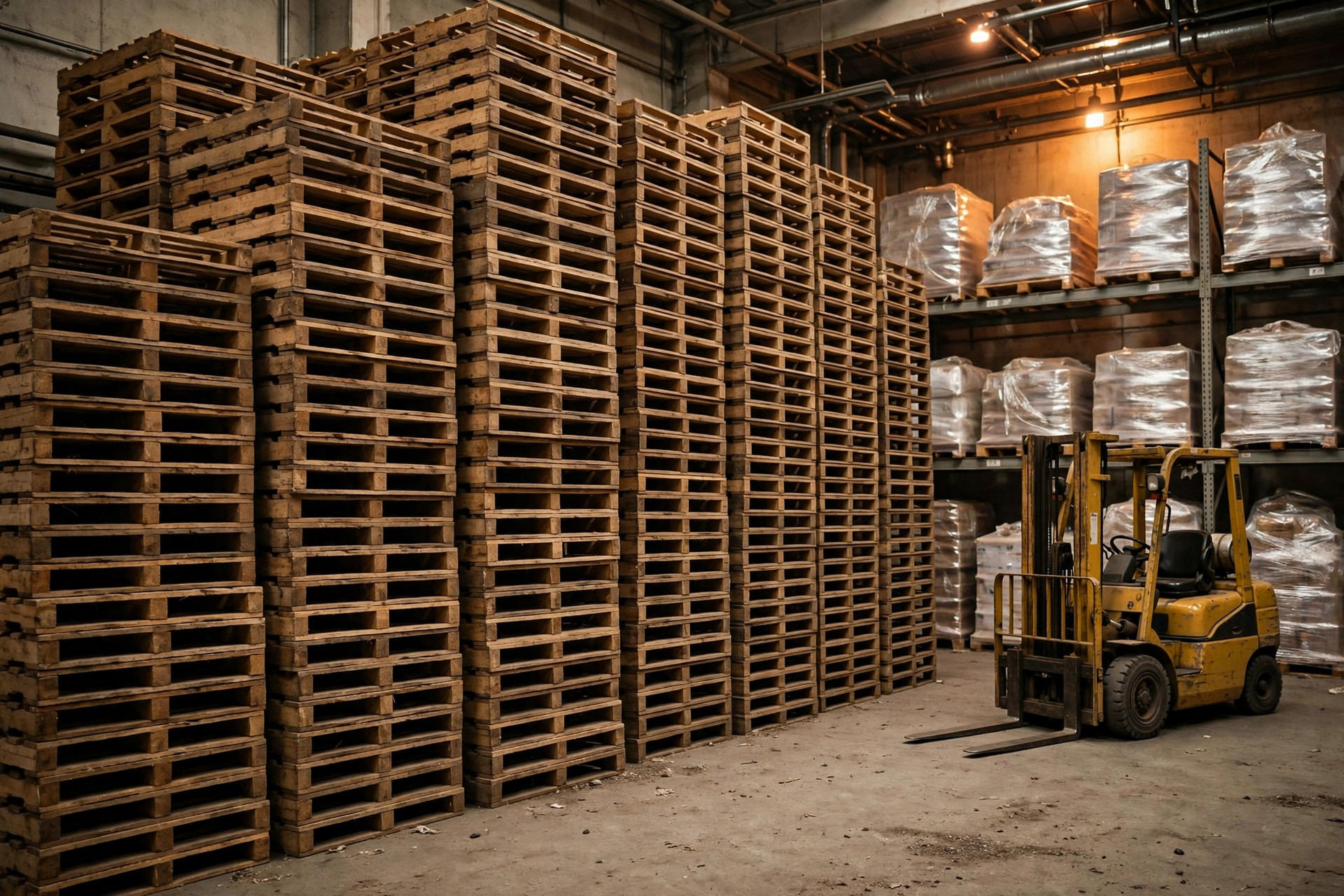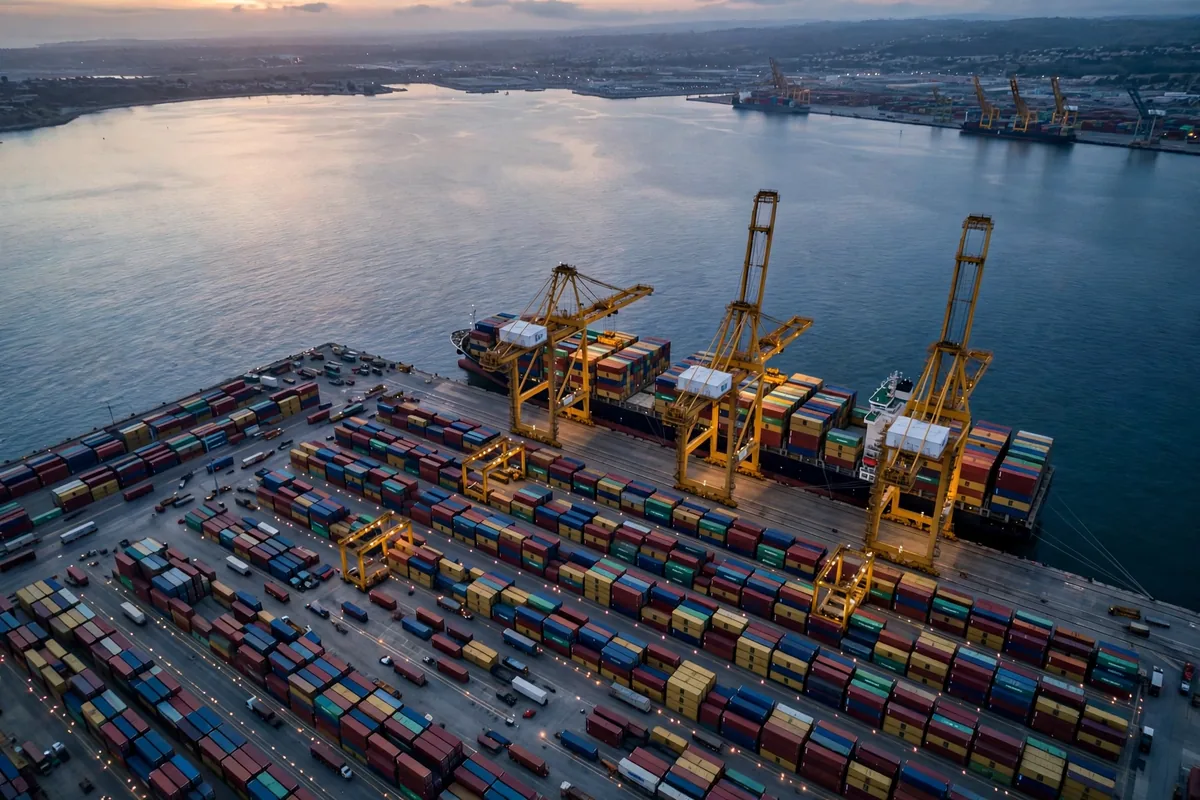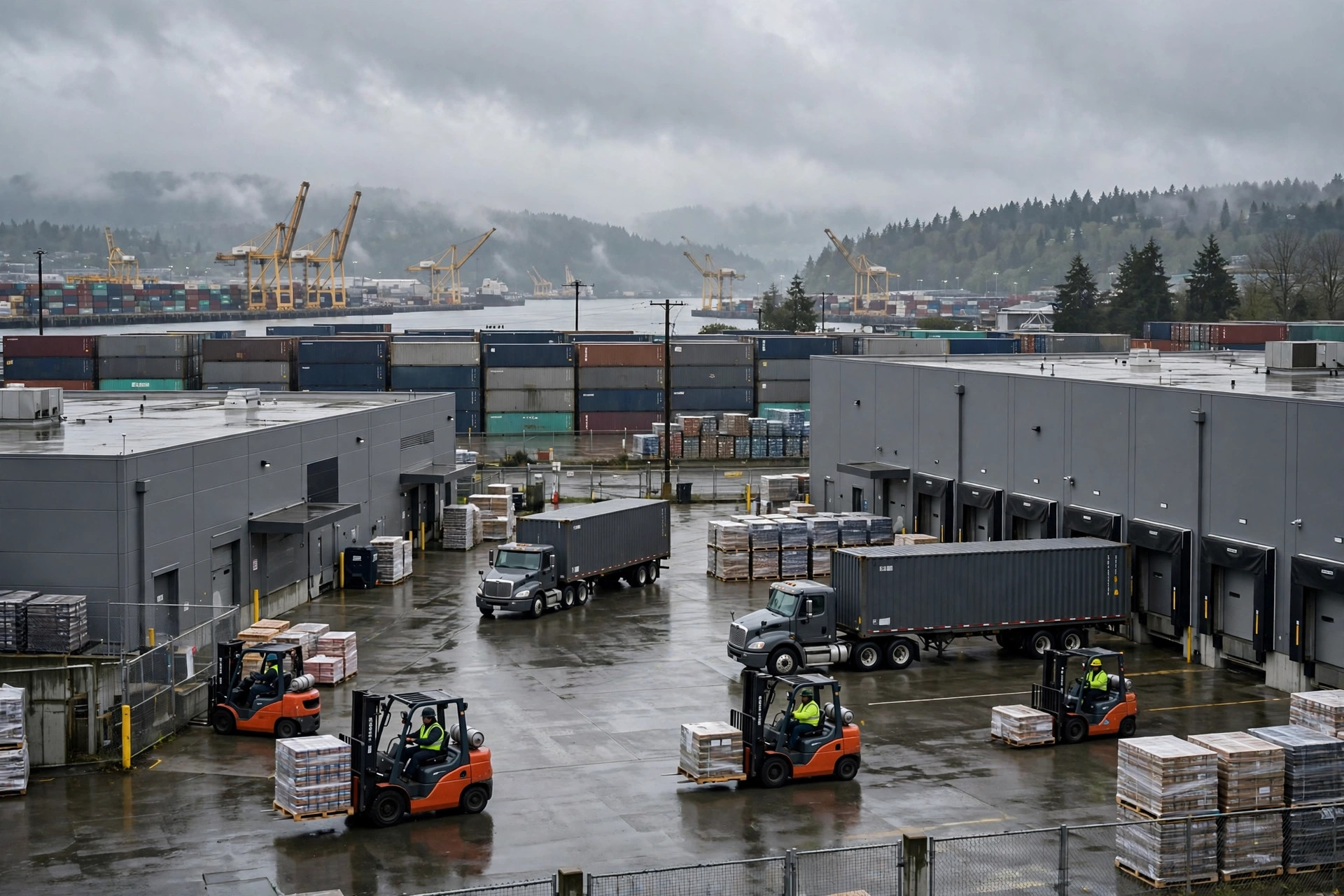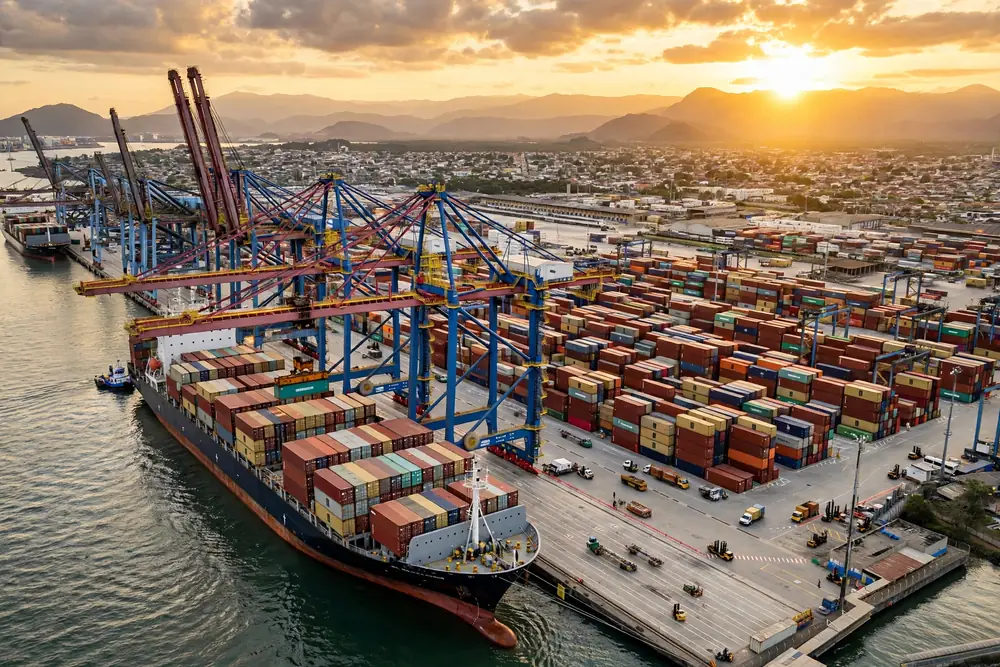
It was 5:30 in the morning, fog still over Santos, and my phone had already rung three times. Three voice messages from the dispatcher: the vessel was coming early, the container pickup had to change, and last night's batch was still not loaded. I stood at the warehouse door watching forklifts roll out. Santos, Brazil port warehouse logistics is never about how big your warehouse is. It is about whether the time between the port and the warehouse lines up.
Let me be straight with you: when most people hear Santos, they think big port, and they are right. In 2024 the port handled about 5.4 million TEU, up 14.7% year on year, making it Latin America's largest container port, with total cargo hitting a record 179.8 million tonnes. The port accounts for about 29% of Brazil's foreign trade value, and China is its largest trading partner, at about 29.6% of its trade. Those numbers mean one thing: lots of cargo, tight vessel schedules, and constant change. More cargo is not good news. More cargo is pressure. Every extra day in the warehouse burns money, and every schedule change rewrites the plan.
Here is a real morning from last peak season. At six o'clock the line told us the vessel would arrive eight hours early, and picking was only half done. The old way would have been shouting first and throwing more people at it. That day we did it differently: finished full pallets went first, loose cargo after, the documentation clerk updated the bill of lading at the same time, and trucks went in two waves instead of waiting for everything. We made the vessel, nothing left behind. That day taught me something. Santos port warehouse logistics is not a contest of strength. It is a contest of who plans for the schedule change before it happens.
Santos Port Warehouse Logistics Starts With Where Cargo Comes From
Most of our cargo falls into two kinds, and they behave nothing alike. One kind comes in, mostly from China, unloaded at Santos and split out to distribution points across Sao Paulo state. The other goes out: Brazilian cargo to be consolidated, loaded, and shipped overseas. Inbound cargo hates sitting in the warehouse; once the vessel arrives, containers must be stripped fast or demurrage and detention pile up. Outbound cargo hates missing the vessel; once the cut-off passes, the cargo stays behind, and the loss is bigger.
So the first question we ask when cargo arrives is not how much there is. It is which vessel it is on, what time the cut-off is, and when the next sailing leaves. If we cannot answer those three, we do not take the urgent order. That rule was written after we got burned: once a customer just said as soon as possible, we scheduled it over three normal days, the vessel came early, the cargo missed it, and the customer was furious on the phone. Since then the first column on our whiteboard is always the vessel name and cut-off time, written bigger than the customer's name.
Where Santos Port Warehouse Logistics Breaks: Three Moments
Here is the grinding part. Three clocks never agree: when the vessel arrives, when the container reaches the warehouse, and when the cargo leaves for the vessel. The shipping line gives you a plan, the port gives you a queue, and the warehouse gives you a headcount. Three different answers, and the warehouse pays for the gap.
Our fix is simple and old-fashioned. Every day at four, the dispatcher, the warehouse supervisor, and the documentation clerk go through tomorrow's vessel schedule and container pickup plan: who handles which jobs, which jobs must clear today, all on the whiteboard and photographed into the group chat. At six the next morning we check it again. If the schedule changes, the plan changes at once. No waiting, no hoping. One more rule: in peak season we do not take same-day arrival and same-day departure orders unless the customer sends complete documents a day early. If the paperwork is not ready, the cargo cannot move, the slot sits occupied, and the driver waits outside. Everyone loses money.
Let me tell you about a night shift. Late one year-end night, around eleven, a batch due for a vessel showed as fully picked in the system, but the floor count said we were two pallets short. The veteran on duty did not panic. He checked the transfer records, walked the next aisle, and found the pallets in the inspection area, parked there by the day shift to save time and never logged. We made up the load that night and caught the vessel. Since then, shift handover is counted face to face and signed; a verbal handover does not count. The first lesson a veteran teaches a new hire: if the books do not match, stop everything and fix the books first.
Four Rules We Now Run Every Day
First, slot by sailing date, not by product category. We used to zone by category, which made finding cargo easy but shipping slow, because pickers ran all over the building. Now cargo sailing tomorrow sits closest to the door, the day after in the middle, and long-dated cargo at the back. It looks messy. It moves fast. The veterans complained for two weeks, then nobody mentioned it again.
Second, keep about ten percent of slots empty on purpose, to absorb schedule swings. This is the counterintuitive one. The boss hated it at first; empty slots look like waste. I walked him through a working example. The figures below are a hypothetical illustration, not real quotes:
| Approach | Hypothetical illustration: one peak-season week |
|---|---|
| Slots filled to 100%, no slack | One schedule change leaves nowhere to put cargo, overtime and extra trucking add, say, 20% to labour and transport cost |
| Keep about 10% of slots free | Slightly less cargo stored on a normal day, but room to absorb swings and avoid rush charges |
| Judge only by rent per slot | Utilisation looks high on paper while total cost runs higher once peak-season chaos hits |
To be clear, those percentages are an illustrative example from our experience, not verified figures. The point is real. A port warehouse is not better when it is fuller. Slack is survival. Vessel schedules change all the time; betting a full warehouse on a stable schedule is a bet you will lose sooner or later.
Third, say it straight to the drivers before they arrive. We used to argue with drivers at the gate every day: they complained about waiting, we complained they arrived in a bunch. Now pickup is booked in time slots, drivers come in their slot, and we prepare cargo by slot. Early drivers register and queue; nobody jumps the line. If we are not ready, the dispatcher says sorry and gives a firm time instead of leaving a driver waiting in silence. This looks like driver management. It is really self-management. When the roster is right, morale holds, and mistakes drop.
Fourth, paperwork moves with the cargo, never behind it. Brazilian documentation is detailed by nature: customs declarations, bills of lading, certificates of origin, and one missing piece stops everything. Now the documentation clerk reviews the papers before the cargo arrives, so when it lands, documents and freight move together. If there is a problem, the customer hears the same day, not the day before cut-off. Telling a customer late helps nobody.
Three Reminders for Anyone Working This Port
First, do not choose a warehouse on rent alone. Near Santos, rents barely differ. What differs is distance from the port, pickup queue times, and whether the site can operate at night. What you save on rent can disappear in a single detention charge. Look at the road between port and warehouse before you look at the price.
Second, never bet on the vessel schedule in peak season. Early arrivals, delays, and skipped calls are routine at Santos. Every plan needs a spare: a backup sailing, some empty slots, a crew that can work overtime. A plan with no backup is not a plan. It is a wish.
Third, the books matter more than the boxes. Missing cargo can be found; messy books confuse the whole warehouse. Count at handover, log every transfer on the spot, check documents the same day. Get those three right and the port-warehouse link mostly runs itself.
I have run a warehouse of 200 people and one of a few dozen, and the more I run them, the clearer it gets. There is no magic trick here. It is vessel schedules, slots, people, and paperwork lined up every single day. Do the daily work right, and peak season passes. Next time the schedule changes, do not shout first. Look at the whiteboard, look at the slots, then decide whether to add people.
By Chen Feng, Warehouse Operations Manager