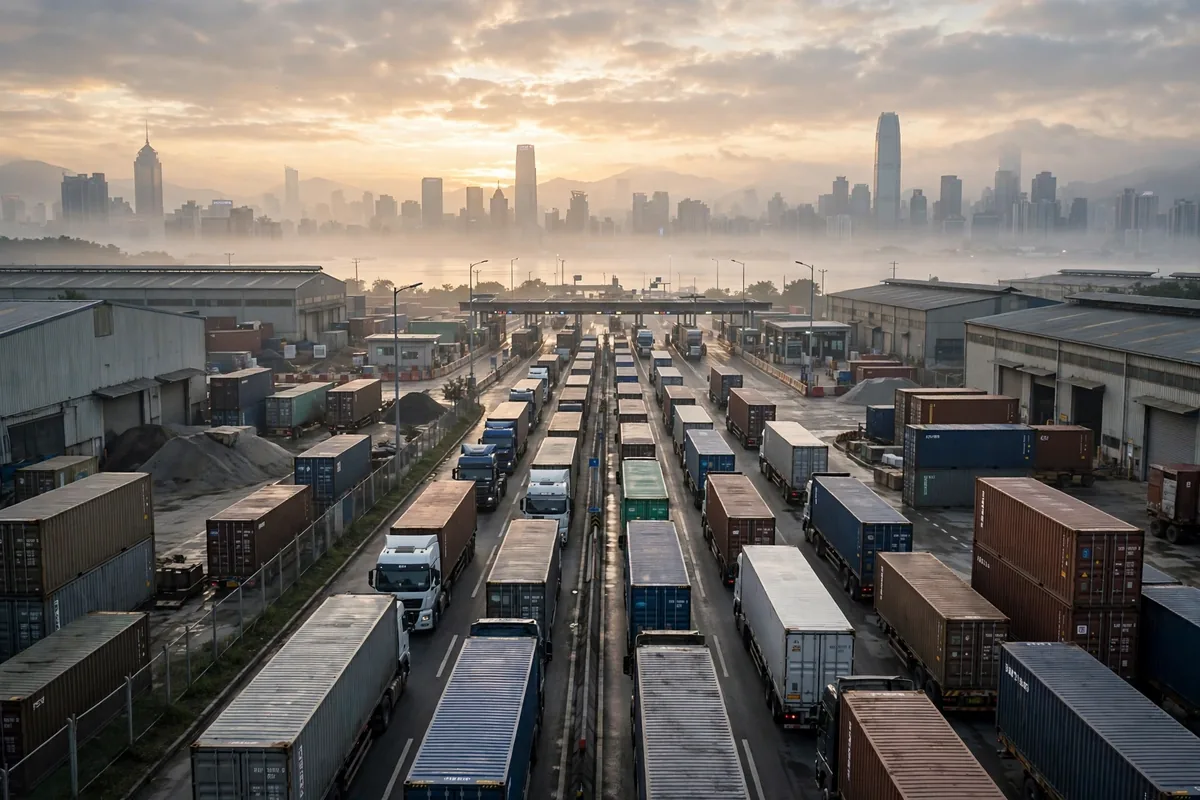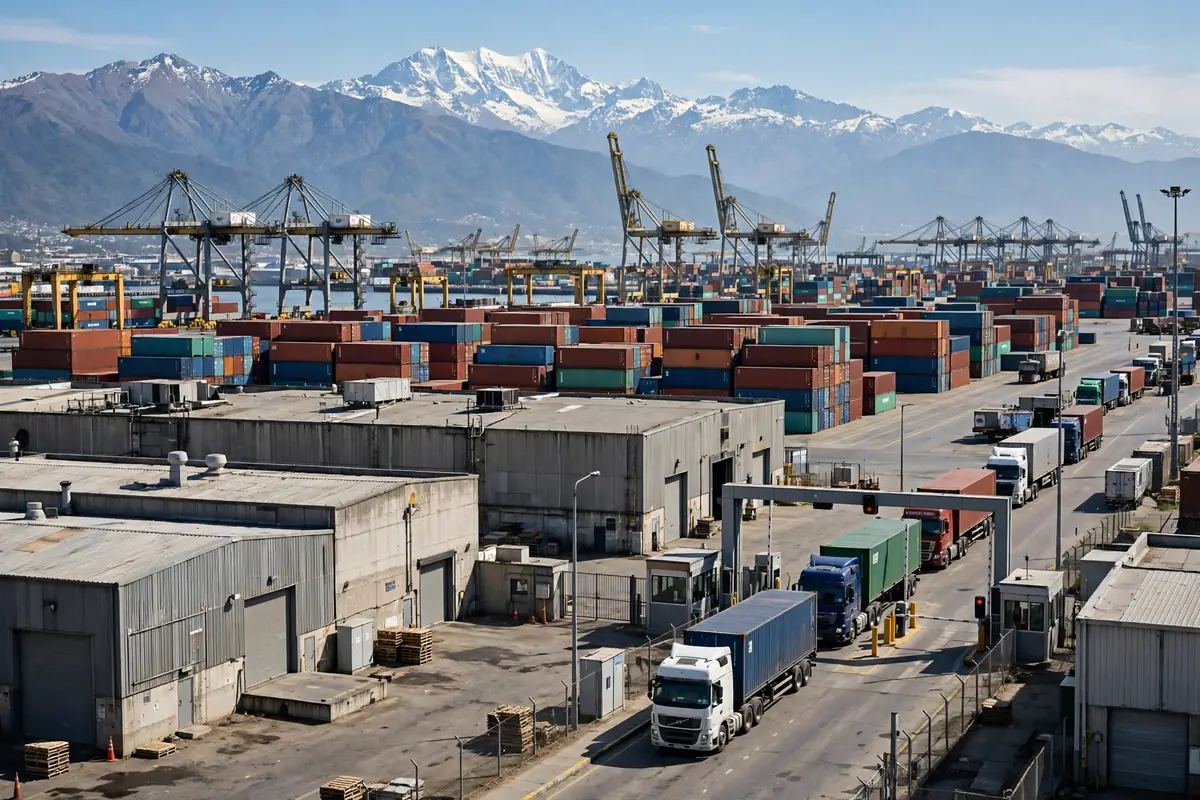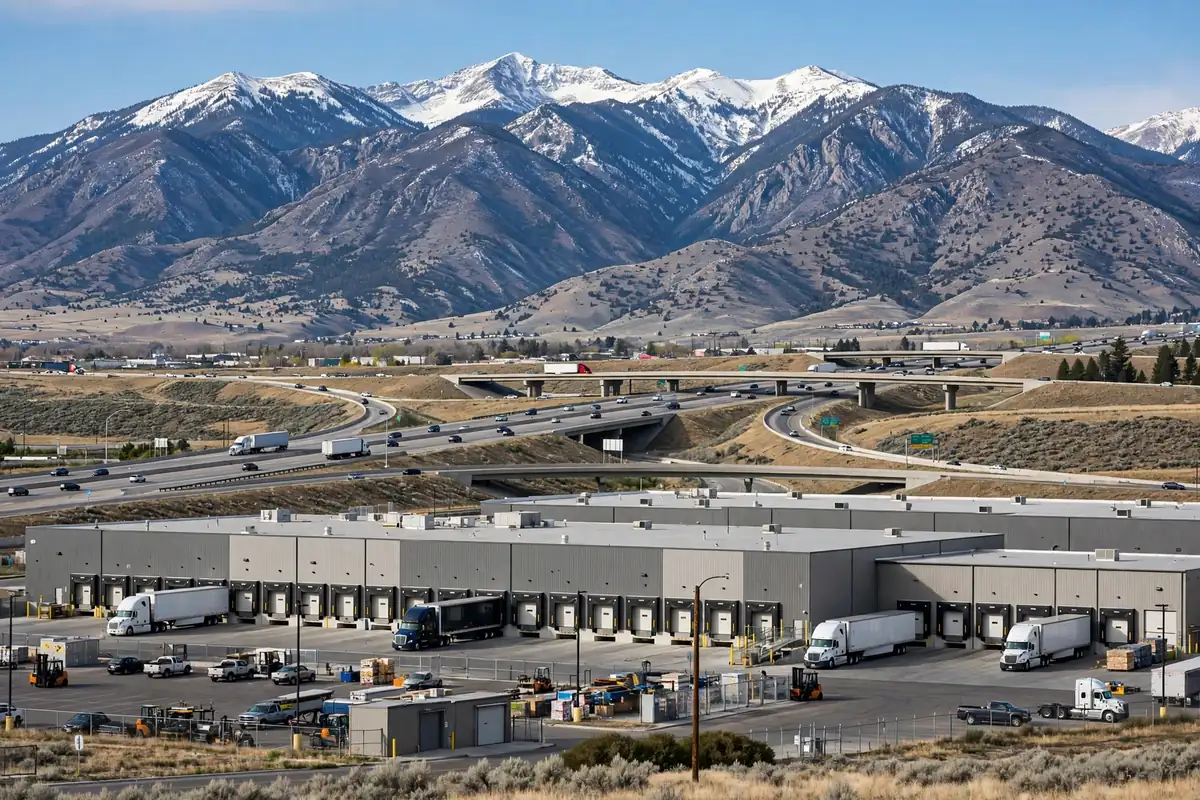
My verdict up front: salt lake city warehouse market logistics can work, but it is not a move every seller should make. On a map, Salt Lake City looks irresistible. Two great interstate highways cross near the city, and every pitch deck calls it a crossroads. I have watched too many owners decide by map, sign by map, and only later learn that a map does not answer for winter, or for where your buyers live. Plainly put, warehouse selection is costs first and benefits second. Reverse that order and you are digging a hole.
I will not deny the strengths. Utah sits in the middle of the Mountain West, within reach of several states, with population and consumption growing. But strengths are visible to everyone. Costs are visible only to whoever signs the lease. This question has two sides: the location, and your freight mix and volume. Both have to fit. One side fitting is not an opportunity. It is a gamble.
Do not praise the crossroads before you check your orders
The location case rests on the highway junction: one interstate running north and south, another running east and west across the continent. Nodes like that are rare inland. From Salt Lake City, freight can head north toward Idaho, east toward Wyoming and Colorado, south toward Las Vegas and Arizona, and west into northern Nevada, mostly inside a one-to-two-day ground circle in normal conditions. That circle holds many mid-sized cities. None alone justifies a warehouse. Together, their volume makes sense. That is the logic of an inland distribution site: you build for a region, not one city.
Now the cold water. A neat circle means nothing if your orders fall outside it. If most buyers sit on the California coast or in Texas, a central Utah site still leaves freight on long hauls, and central becomes a spectator sport. Before signing, pull a full year of orders by state and calculate what share falls inside the coverage circle. If that share cannot carry the fixed cost of a warehouse, walk away from the crossroads story. An order heat map is more honest than any promoter pitch.
Here is a pit I stepped into with a client, written as an illustrative example with figures as a scenario illustration. Illustrative example: in the winter of 2019, a home-goods seller opened a satellite warehouse in Salt Lake City to cover nearby states. The first months looked good, and delivery times beat shipping from California. The problem was freight mix. Their core products were thin-margin standard goods, local and regional demand could not turn the inventory fast enough, and fixed warehouse and labor costs burned every day while freight savings stayed small. In under two years the site closed and inventory hauled back to the West Coast. The location was not wrong. Using transit savings to hide a turnover problem was wrong.
How to run the transit math for a salt lake city warehouse
Transit math has to be done lane by lane, not by staring at highway distance. My old method is dull and reliable: split the coverage circle into near, middle, and outer rings. For each ring, compare delivery time and freight cost from Salt Lake City against your current warehouse, then weight the difference by that ring's order share. Only the weighted result is real. Quoting the prettiest near-ring number is cherry-picking.
The table below is a framework from an illustrative example. Its comparisons are a scenario illustration, and current freight rates and transit times should be checked against the latest official carrier and market information, using your own label data.
| Factor | Salt Lake City | Denver | Reno | Las Vegas |
|---|---|---|---|---|
| Coverage center | Central and northern Mountain West | East of the Rockies and toward the Midwest | Northern California and northern Nevada | Southern California and southern Arizona |
| Strength | Balanced regional distribution | Easier reach toward central states | Close to a large consumption base | Close to a large base, less winter disruption |
| Weakness | Winter pass risk | Heavy overlap with Salt Lake City | Weak eastward coverage | Weak northward coverage, tight peak resources |
| Best fit | Regional distribution, healthy turnover | High share of central-state orders | California-heavy orders | South-heavy orders |
Use the table one way: find your order center of gravity first. If orders scatter across the Mountain West, Salt Lake City leads. If they lean to California, Reno or Las Vegas is more honest. If they drift toward the Midwest, Denver runs smoother. Pick the wrong side of the mountains and you will pay long-haul bills for years.
Here is the counterintuitive judgment: for an inland warehouse, the enemy is usually not distance. It is volatility. A slightly longer lane that runs steady every day is easy to promise and easy to defend with marketplaces and buyers. A shorter lane that breaks down every snow week creates complaints and score damage out of all proportion. When you run the transit math, price the delay days in as a cost. Math done only for fair weather looks good for everyone, and winter exposes it every time.
Winter is the market logistics test nobody budgets for
Salt Lake City has real winter. Routes out of the basin cross mountain passes, and snow, ice, and high wind can each slow a linehaul. Local delivery is manageable. The danger is outbound lanes failing in rotation, with freight ready and nowhere to go, while delivery promises collapse.
A second scene, also as an illustrative example. Illustrative example: in January 2023, a winter storm system sat over the region and an outdoor accessories seller shipping from Salt Lake City saw outbound linehauls stall for days in a row. Orders sold on fast regional delivery slipped badly, support tickets multiplied, and the owner air-freighted part of the backlog from California to recover. That one recovery bill ate the quarter's savings. The lesson was not the weather. It was the missing playbook: nobody had decided in advance which orders could wait, which had to transfer, and what delay line triggers a transfer. Without those lines, you pay cash to improvise.
My winter rules are dull. Stage winter bestsellers closer to buyers before the season, in a satellite site or partner warehouse, instead of holding everything in one inland building. Run two carriers on each critical outbound direction, because price can be negotiated but a single road cannot. And loosen winter delivery promises on your pages early. Promising one day less is not shameful. Breaking promises daily is.
Freight seasonality belongs in the same math. Outdoor goods have genuine regional demand here, with ski and camping seasons pulling real volume, so Salt Lake City gives that freight home-field advantage. But outdoor demand swings hard between peak and off-season: space and labor sized for the peak sit idle, while sizing for the average bursts in peak. General e-commerce freight runs on the opposite rhythm, steady all year, and suffers when fixed costs cannot be spread thin. Put both in one building without separating the math and the two rhythms will fight on space and staffing all year.
On the inland port question, my position is simple. Planning discussions around an inland port near Salt Lake City point toward extending port functions inland, with rail and warehouse clusters following. If it matures, it will change land, warehouse supply, and labor over time. But a plan is a plan. Timelines and investment figures should come only from the latest official announcements, and no plan justifies a long lease on a remote parcel today. Track the milestones, keep your lease flexible, with shorter terms and renewal rights. Leave room for trends. Never pay for rumors.
So the case for salt lake city warehouse market logistics stands on three legs: your order center of gravity truly sits in the Mountain West, your freight turns fast enough to carry inland fixed costs, and your winter playbook is written before the snow. Miss one leg and my advice is to test with a third-party warehouse first, run a full winter of volume and delay data, and only then talk about your own lease. Testing costs a little money. A blind long lease costs a lot. I have seen too many operators run that math backwards.
Should you enter Salt Lake City? My answer is the old one: do not ask whether the city is good. Ask whether your orders, your freight, and your winter plan fit it. If they fit, it is one of the better inland nodes in the country. If not, the prettiest crossroads on the map is somebody else's crossroads, is it not?
By Lao Mi, Supply Chain Veteran (20 yrs)