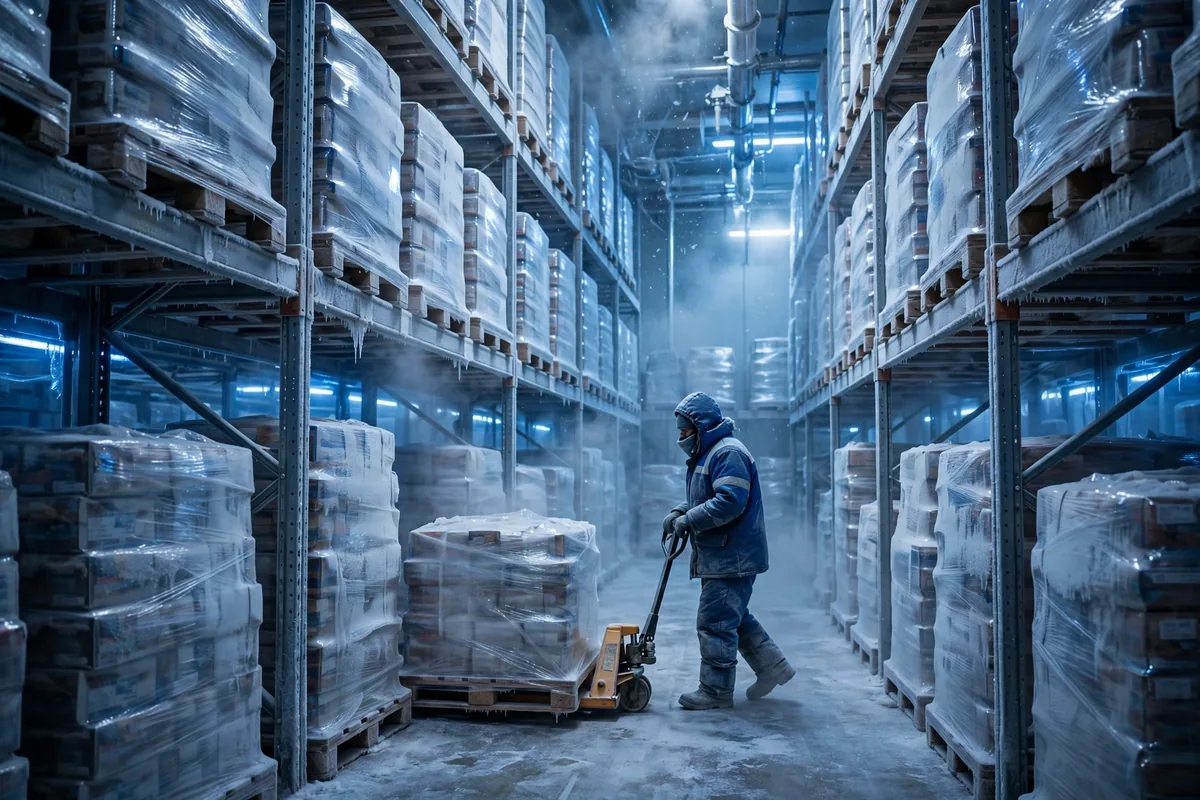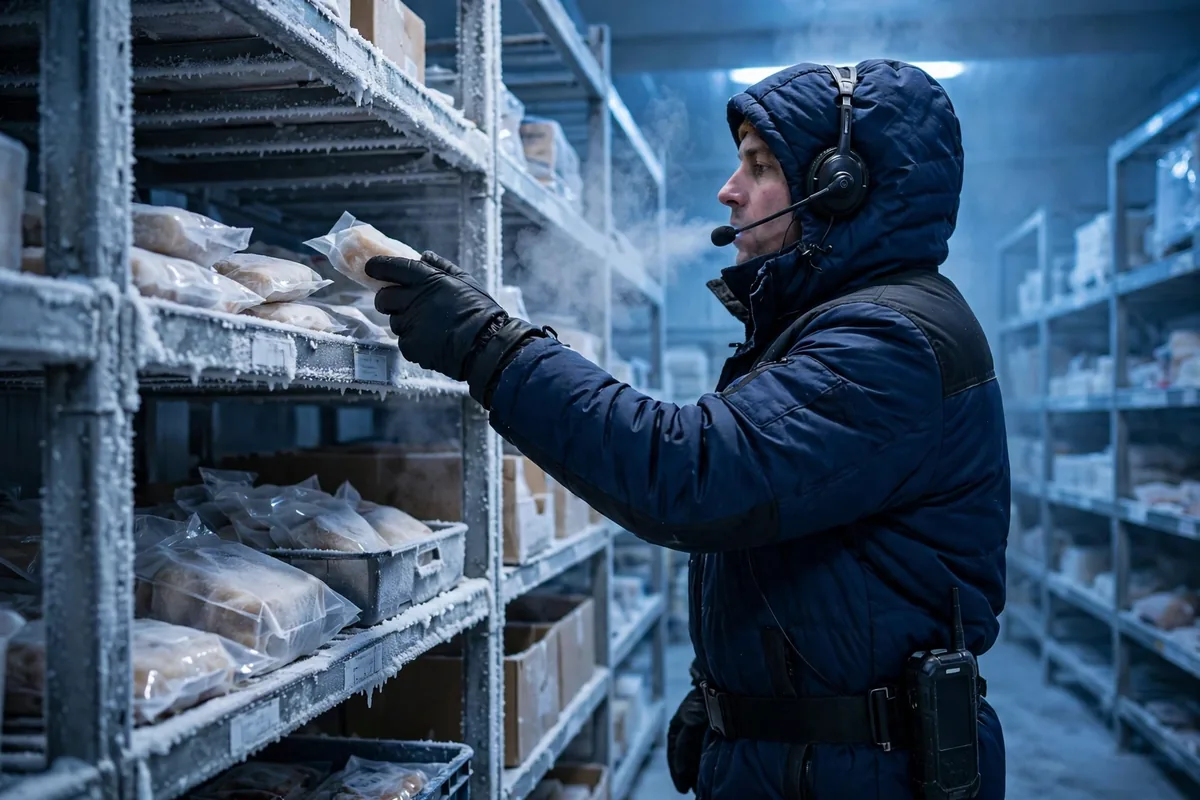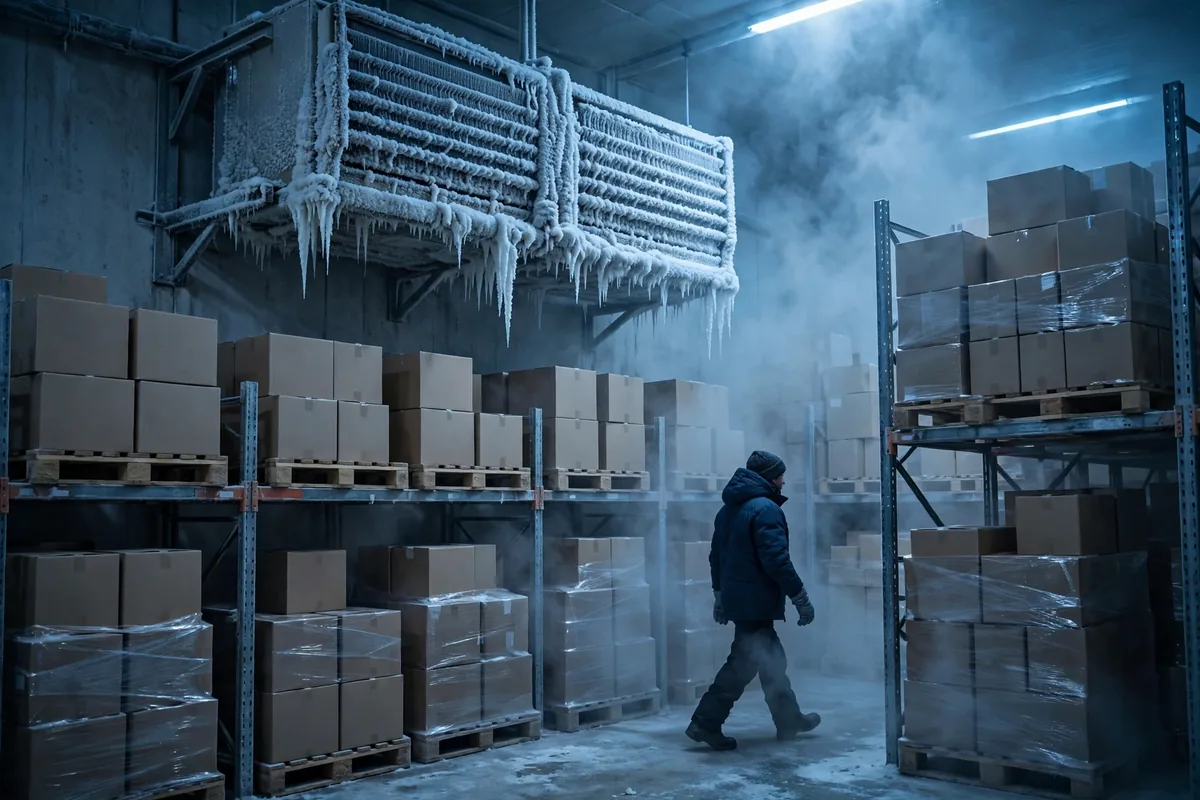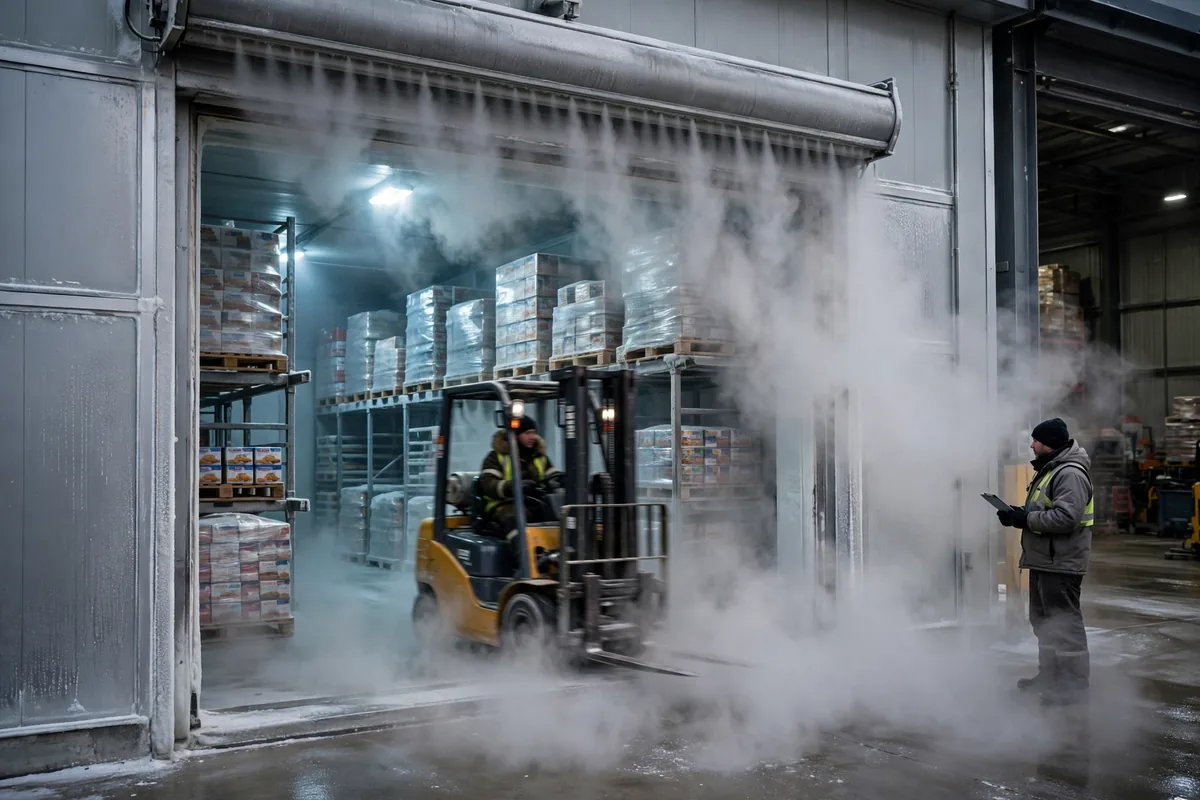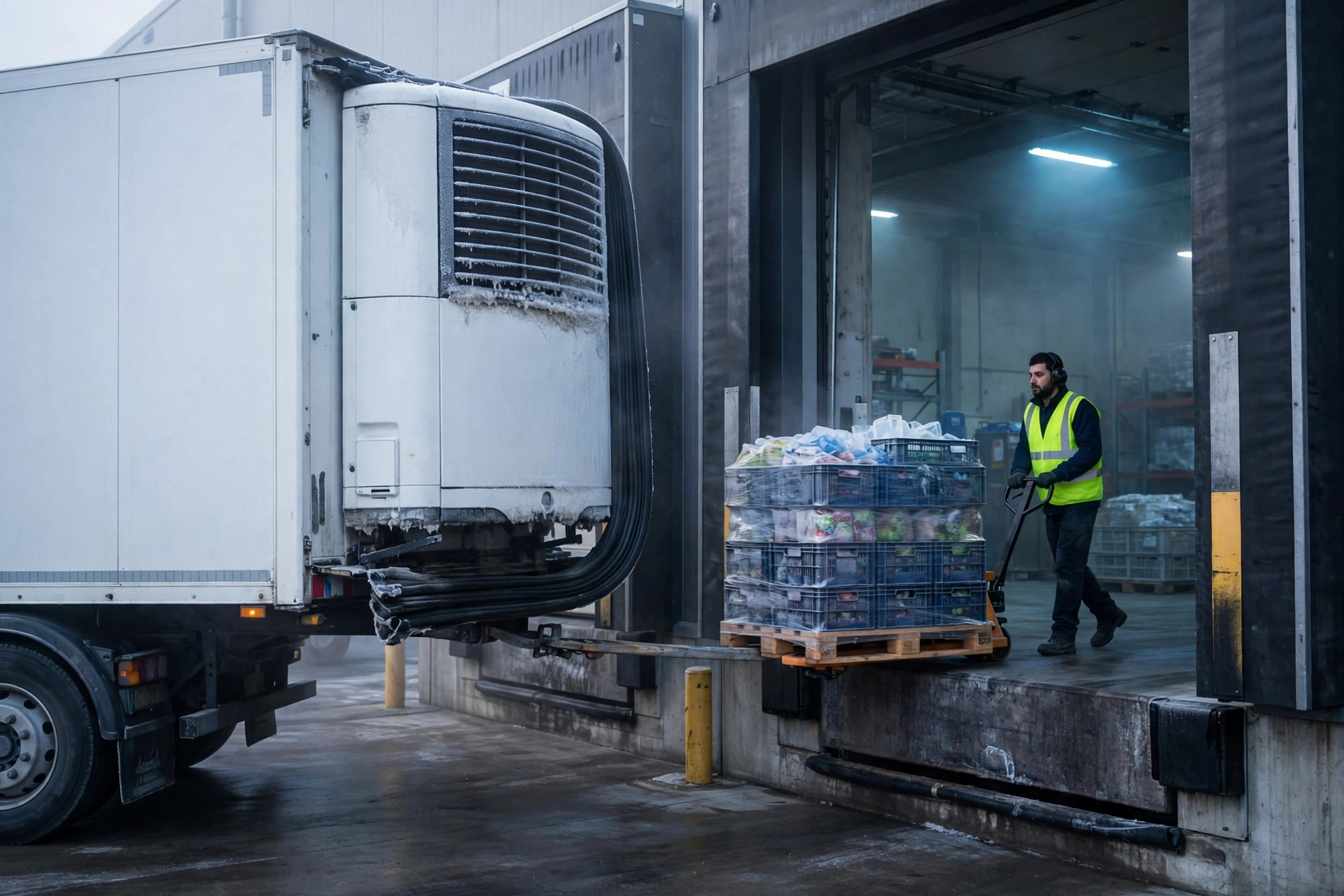
Let me tell you something. After all these years driving a reefer truck, the thing I fear most is not traffic on the road. It is the ten minutes at the warehouse door. Refrigerated truck dock temperature handover looks simple — back in, open the doors, unload — but the whole game is temperature. Inside the trailer it is minus 18. Outside on the dock it is over 30. The moment those doors open, hot air rushes in and cold air rushes out, and the load's life hangs on those ten minutes.
Last summer I hauled a full trailer of frozen dumplings to a cross-dock outside Fresno and arrived at two in the afternoon, the hottest part of the day. The dock supervisor told me to wait — no forklift free inside. I stood outside for twenty minutes, doors shut, reefer unit running hard, sweating through my shirt. When the doors finally opened, unloading took twelve minutes, and the probe showed the outer two pallets had already crept up to minus 14. The receiver signed anyway and said nothing. Whether the customer later complained about that load, I still do not know. That is the nature of the cold chain: when it fails, it fails quietly, and the bill arrives later.
The Moment the Doors Open: Refrigerated Truck Dock Temperature Starts Running
There is a rule every reefer driver knows: the refrigeration unit is built to hold temperature, not to cool freight down. Product has to be pre-cooled to its target temperature before loading, and the trailer has to be pre-cooled too. Load warm freight into a cold trailer and the unit will run itself ragged without ever catching up. You have already lost before you leave the yard.
The temperature bands are not something to guess at. Deep-frozen goods generally ride at minus 18 degrees Celsius or below. Vaccines and most biologics live in the 2 to 8 degree window. Fresh meat and dairy usually sit between 0 and 4 degrees. I haul by the number printed on the shipping papers, never by "about right." A vaccine shipment drifting past 8 degrees can mean the whole batch is destroyed. Frozen goods climbing from minus 18 to minus 15 looks like only three degrees, and the receiver can still reject the load. Food and pharma also play by different rulebooks — food under the U.S. Food Safety Modernization Act requirements, pharma under Good Distribution Practice — so when in doubt, ask the shipper. Never guess.
The dock is the weakest link in the whole chain. An industry monitoring article I came across put it bluntly: a gap of about two inches around a trailer at the dock can raise the dock area temperature by 6 degrees in eight minutes. That number sounds dramatic until you have stood on a dock in July. A poorly sealed dock in summer is an oven. A sealed dock, where the trailer backs tight against the warehouse door, keeps the heat out. That is what a cold chain dock is supposed to look like.
The Ten-Minute Refrigerated Truck Dock Handover, Done in This Order
After all these years on the road, I have a refrigerated truck dock temperature handover sequence that cuts the failure rate in half when both the shipper and the warehouse follow it.
Before the truck arrives, the warehouse clears the dock and the cold room. When the truck arrives, check the temperature before touching the freight. The driver reads out the trailer temperature, the warehouse probes the product temperature, and unloading starts only when both numbers agree. If they do not agree, stop. Photograph the readings, call the shipper, and sort it out before a single pallet moves. During unloading, keep the door opening tight and the forklifts moving — pallets should not sit on the dock waiting for someone. When the last pallet is in, shut the doors right away, and write down three things: the temperature record, the handover note, and the time. Both sides sign.
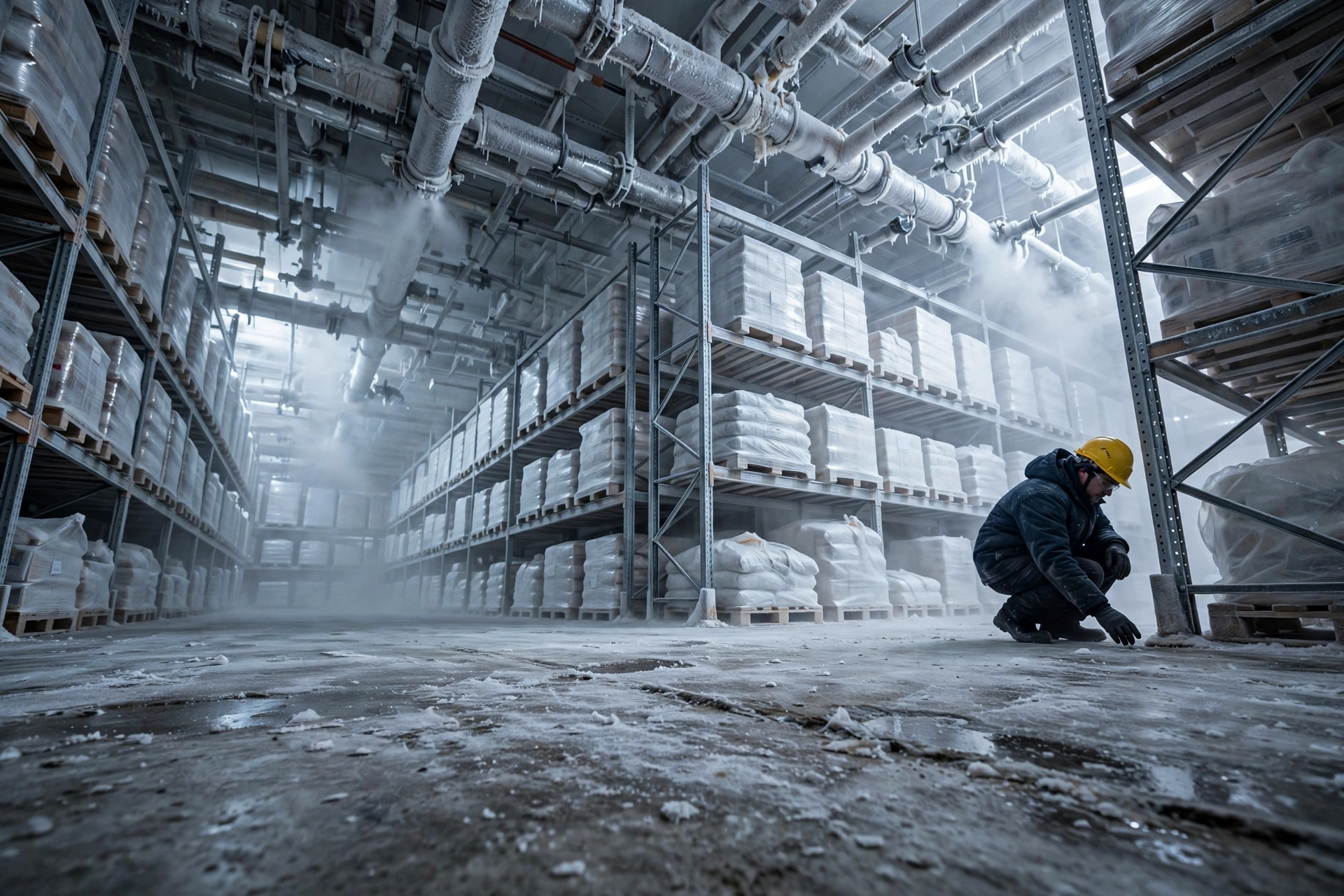
One more detail: do not stack pallets tight against the trailer ceiling or the front wall. Leave room for air to move. Block the airflow and the pallets near the reefer unit freeze solid while the ones by the tailgate slowly warm up — one trailer, two temperatures, and the receiver's probe will find it. Leave the air channels when loading, and do not rush the unload into a sloppy stack. Those are lessons old drivers paid for with rejected loads.
What Those Ten Minutes at the Refrigerated Truck Dock Are Worth
A trailer of frozen food commonly carries two or three hundred thousand dollars of product. Lose temperature control at handover and the whole load can be rejected — not just the product value, but the freight charge, the empty return trip, and the customer's claim. A driver's daily pay is nothing next to that. An extra dock hand, or replacing the dock seals twice a year, is small money.
The table below is an illustrative example, so shippers can see what the handover is worth:
| Handover practice | Extra time spent | Possible cost (illustrative example) |
|---|---|---|
| Open dock, slow unload | 10–20 extra minutes per load | Outer pallets warm up; full-load rejection risk |
| Sealed dock, fast unload | 30 minutes of preparation before arrival | Almost no added cost; rejection risk drops sharply |
| Unload first, argue temperature later | Saves 5 minutes of discussion | Nobody can prove whose fault it is; claims drag on for weeks |
Here is the counterintuitive part: rushing the driver to unload faster is the surest way to damage the load. Doors standing open while everyone waits, forklifts running empty back and forth, pallets baking on the dock — that kind of "efficiency" is just temperature debt. Real speed looks different: everything ready before the truck arrives, unload the moment it docks, and go. Slow in preparation, fast in execution. That is the rhythm of the cold chain.
I will leave one line for shippers and one for warehouses. Shippers: write the temperature band, the allowed tolerance, and the rejection standard on the paperwork in plain numbers — "keep refrigerated" on its own means nothing. Warehouses: dock seals and temperature probes are consumables. Replace them when they wear out, not after a load gets rejected. That is the whole job of a refrigerated truck dock temperature handover: hold the temperature for ten minutes, and the hundreds of kilometers before them were not wasted. In this business the freight is cold, but the people cannot afford to be.
By Shifu Zhao, Trucking Veteran (15 yrs)