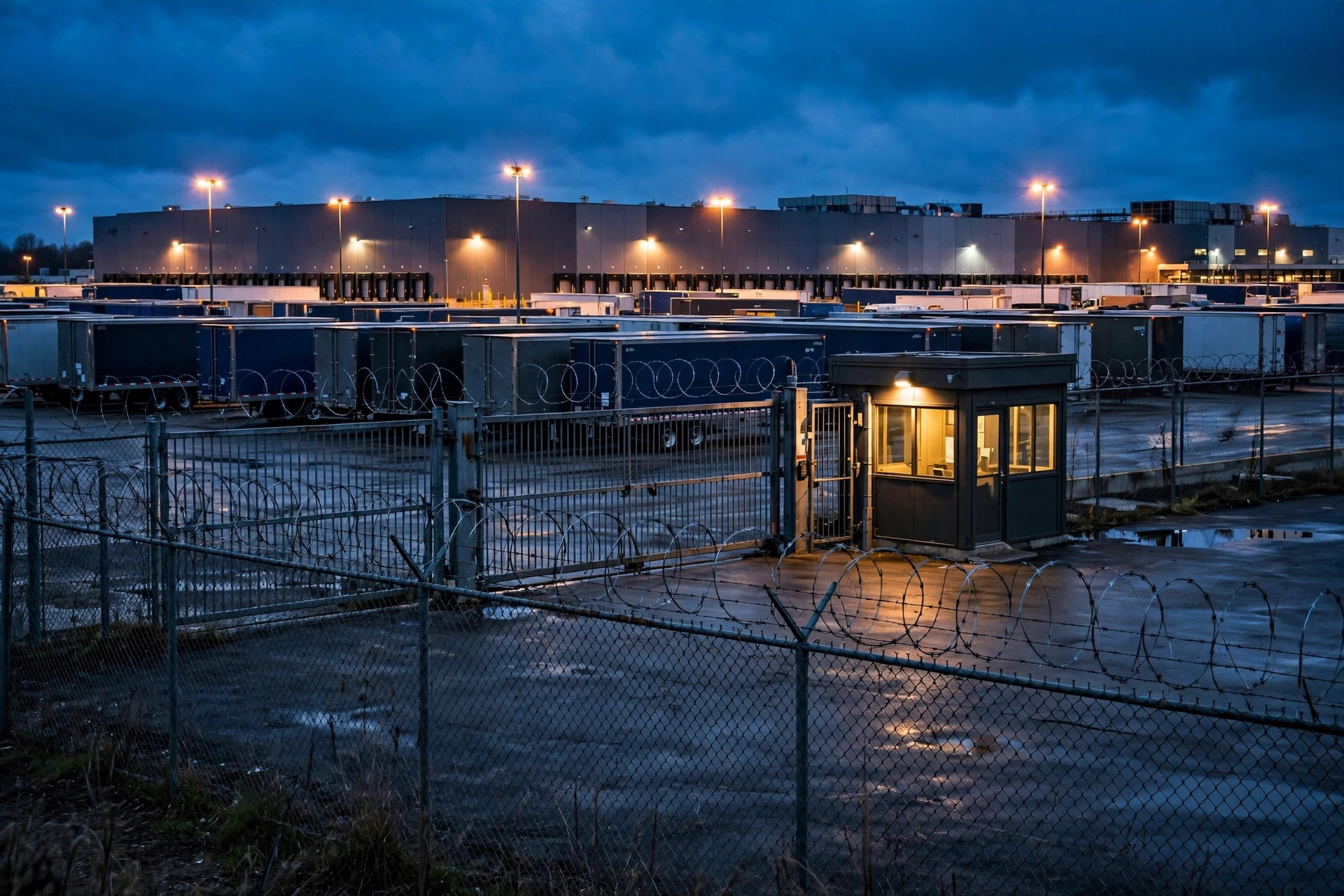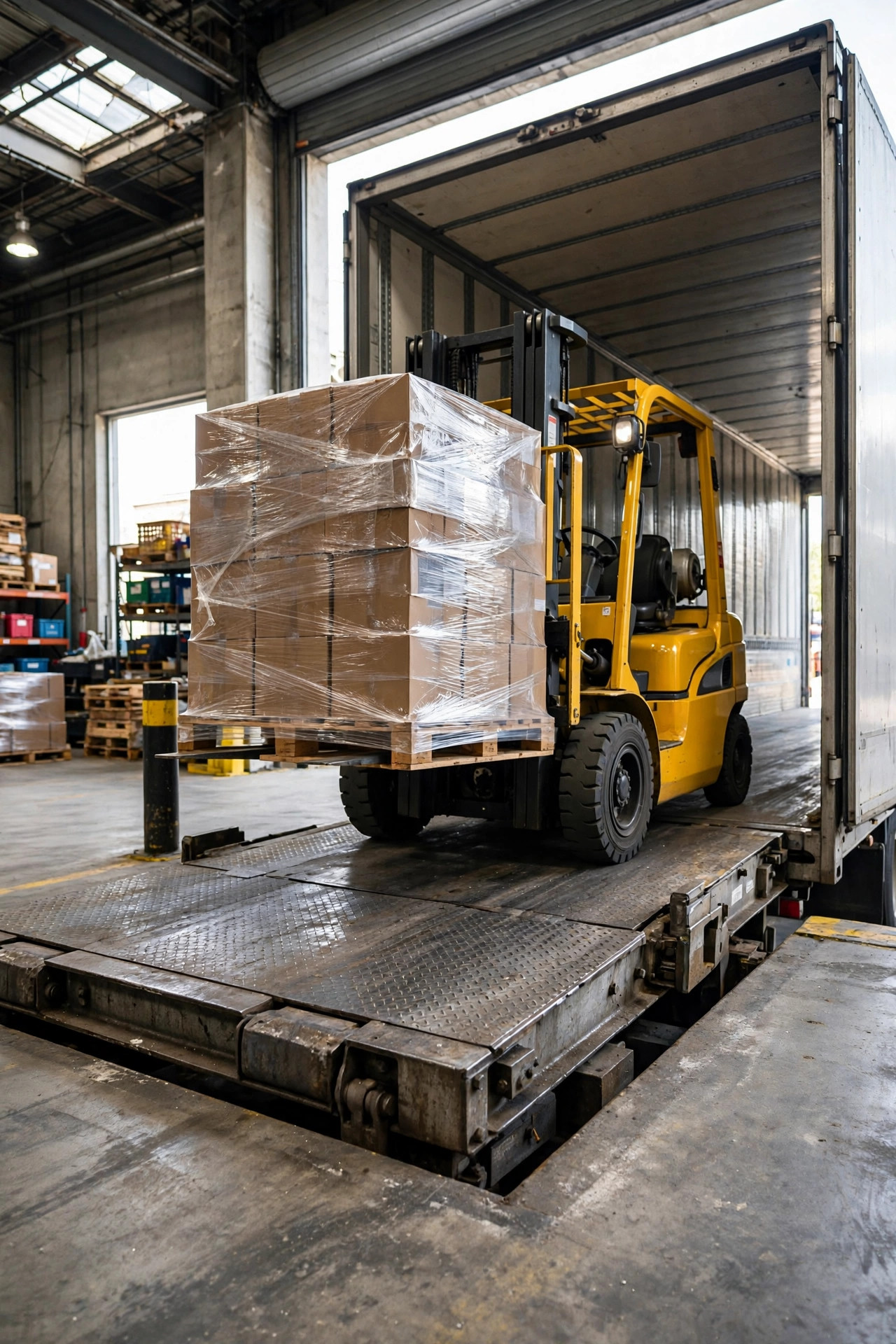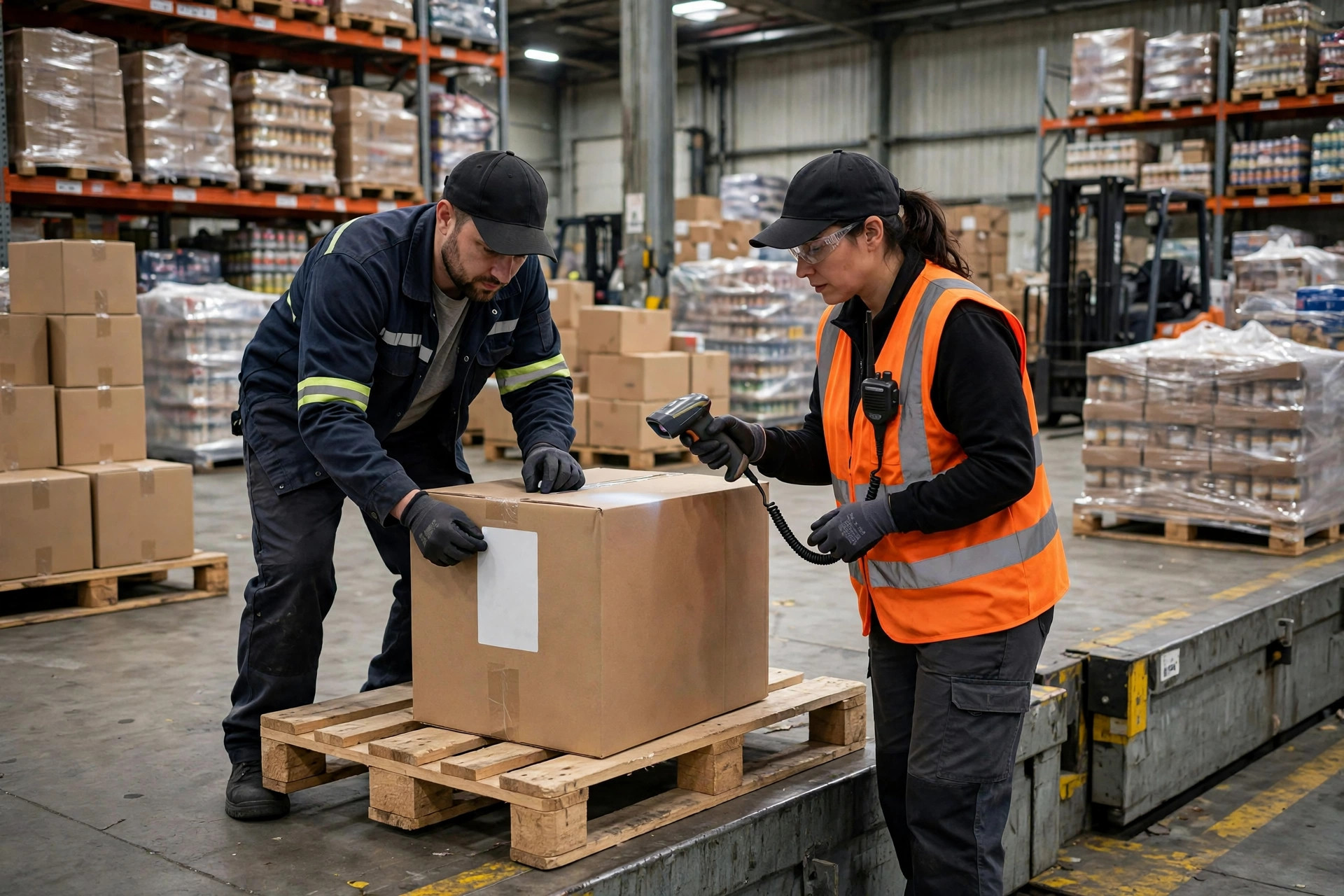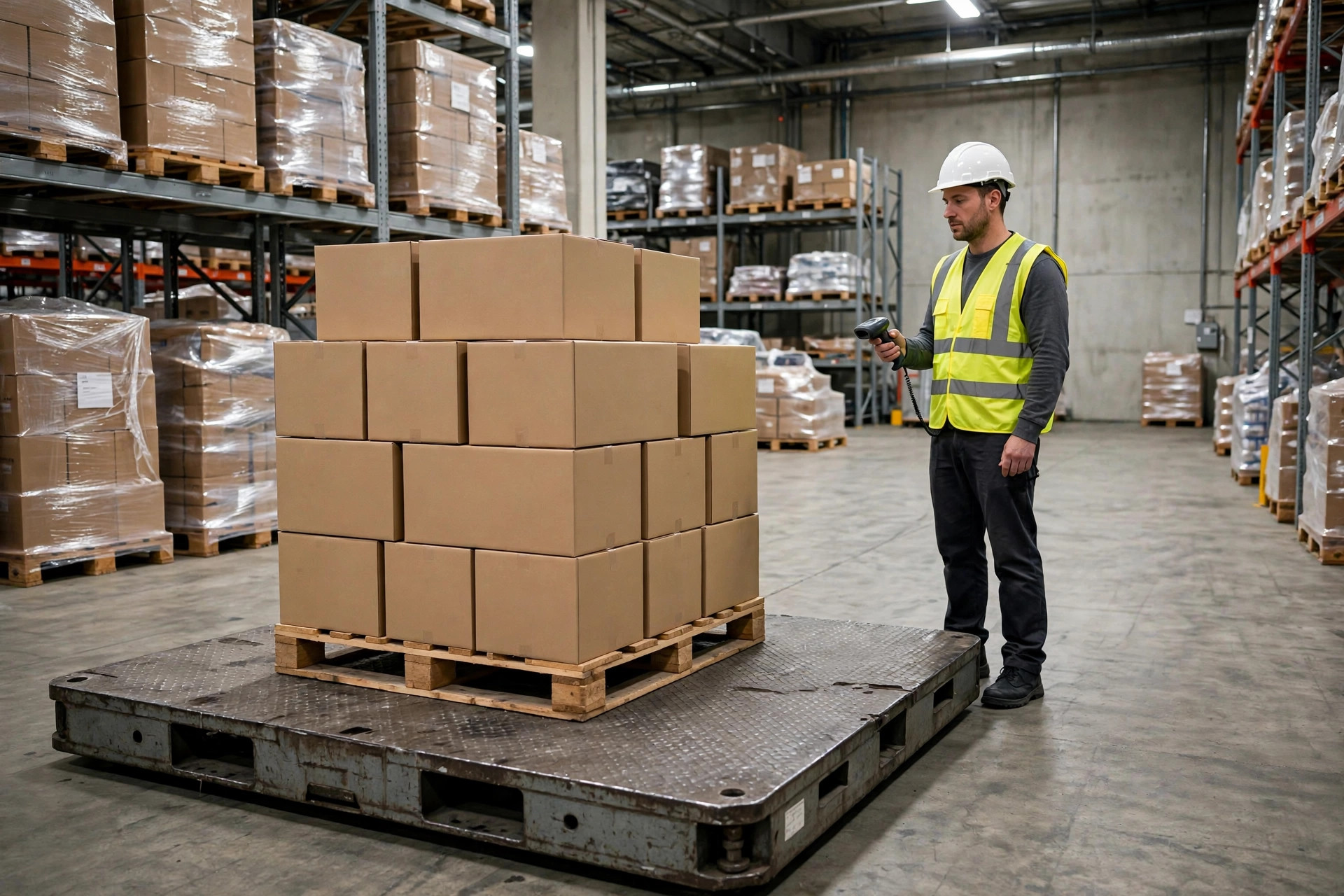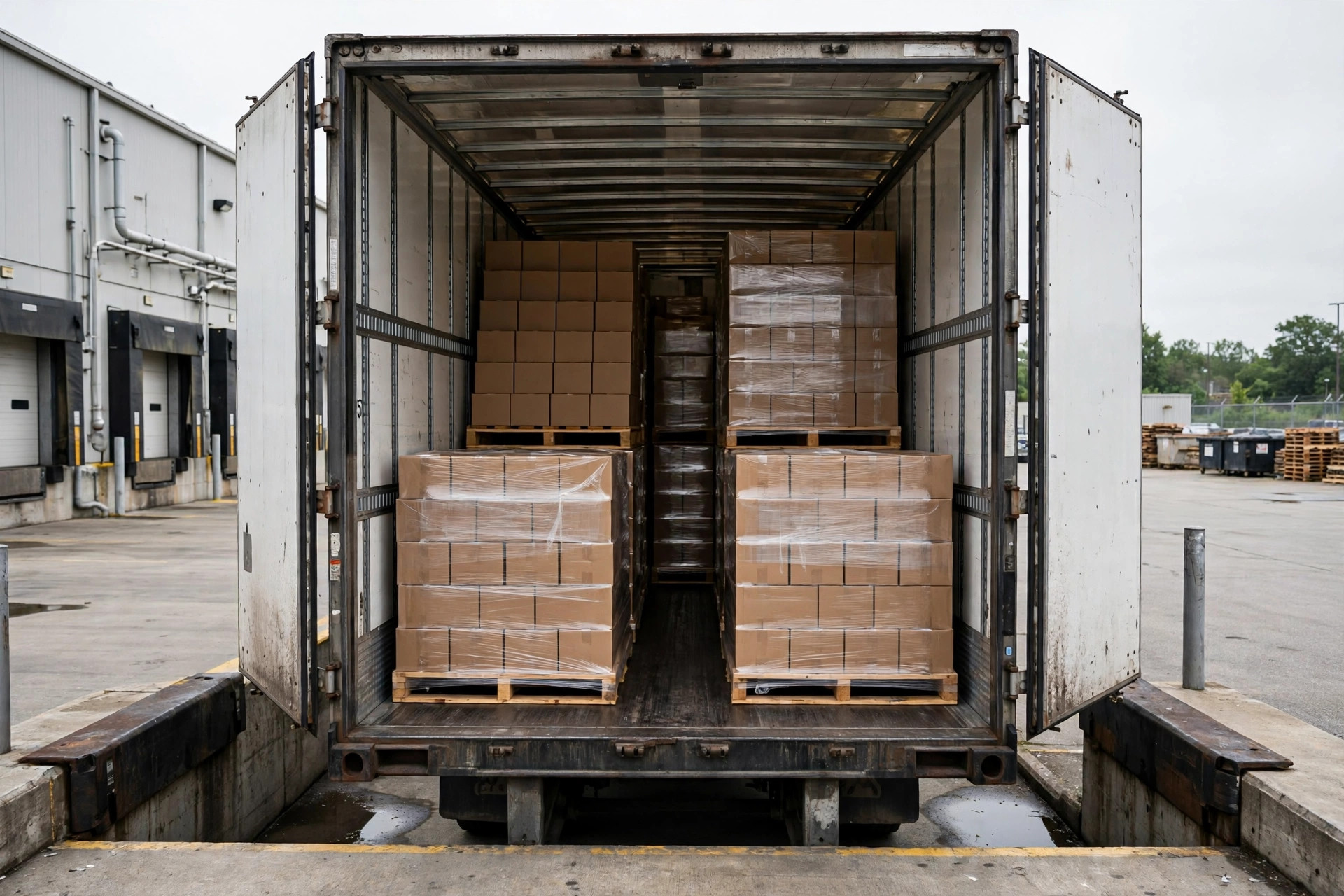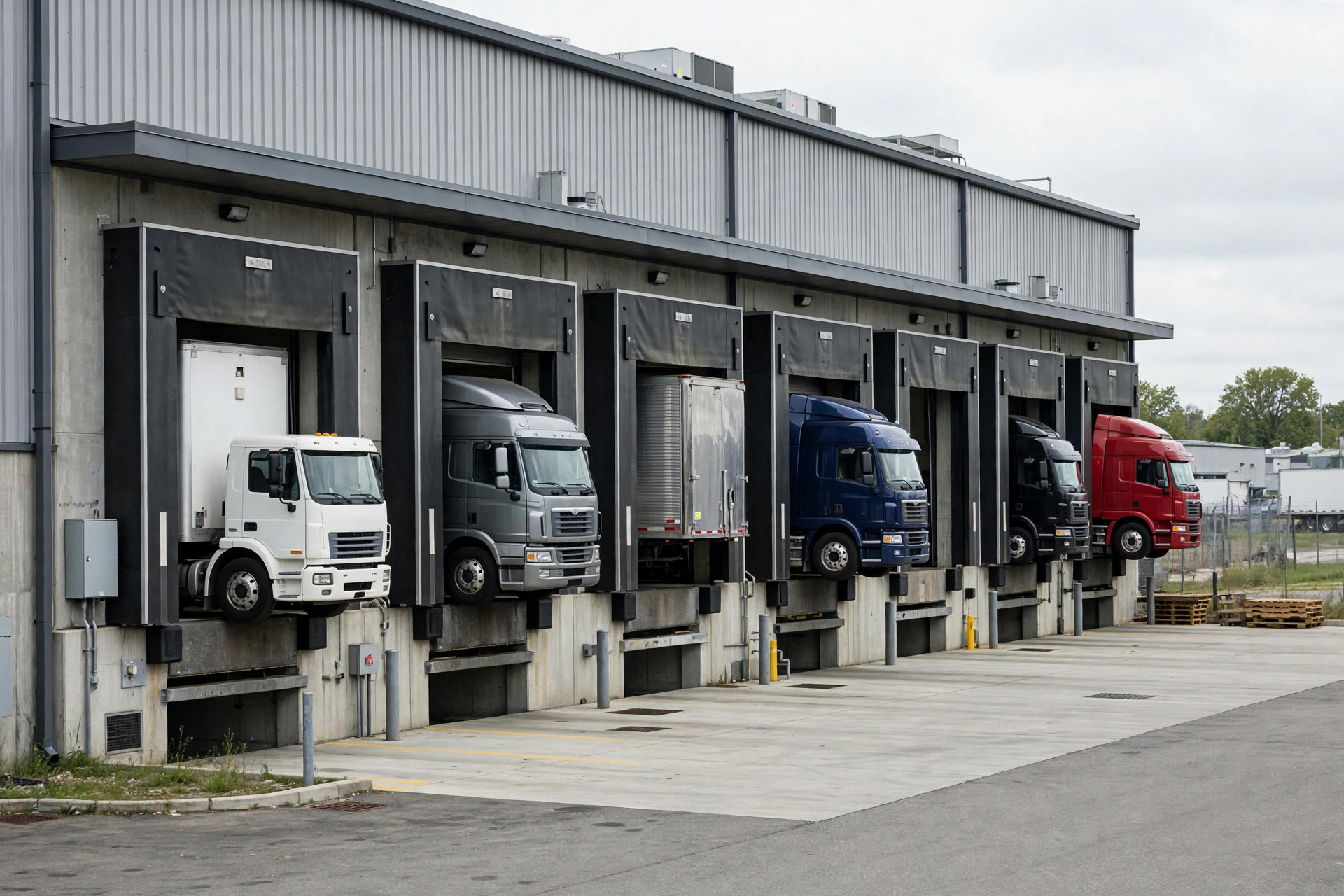
A dispatcher called me at 7 a.m.: eleven trucks were lined up at the gate, the earliest arriving at 5:30. All six receiving doors were running, but drivers were cursing on the CB radio — because this was the third time that month a driver had waited four hours, given up, and left to run another load. The freight got dumped back on the shipper. That 3PL's Ontario, California warehouse was built in 2019, 90,000 square feet, eight dock doors total. Sounds like plenty, right? The problem is in the word "sounds."
Twenty years of warehouse projects taught me one thing: most teams treat dock door count as a gut-feel question. The owner says "eight should do it," the architect divides by square footage, done. Nobody calculates how many trucks actually show up per day or how long each one sits at the door. Too few doors is a disaster; too many is waste. There is no "close enough."
It's Just Division
The math isn't complicated. This is the formula I give every client:
Doors needed = (daily inbound trailers × dock time per trailer × peak factor) ÷ receiving hours per day
Take it apart. Daily inbound trailers comes from history — and count only receiving days, not Saturdays when nobody works. Dock time per trailer isn't "how long to unload." It's the full cycle: backing in, closing the door, checking and unloading, pulling out. In the U.S., a 53-foot dry van runs 45 to 90 minutes; a 3PL doing live pallet exchange is faster, loose floor-loaded freight is slower. Peak factor depends on your seasonality — apparel and toys start at 1.6, daily food distribution gets by with 1.2. Receiving hours means hours actually receiving, not "we open at eight."
A concrete example: 24 trailers a day, 60 minutes each, peak factor 1.4, 10 receiving hours — (24 × 1 × 1.4) ÷ 10 = 3.36, round up to 4 doors. That doesn't include slack for a door down for repair or trucks bunching up late. I usually recommend adding one flex door on top. Reason below.
Too Few: The Costs You Don't See
The first consequence is a line of trucks. Drivers bill by the hour, and after the free waiting window (typically 2 hours) detention starts — $75 to $150 per truck per hour is the going rate in the U.S. Do your own math: five trucks a day waiting three hours each in peak season, and a month of detention fees covers most of a receiver's annual salary.
Worse is dropped freight. A driver who gives up leaves, and the shipper sends the next load to a competing 3PL. In 2021 I watched a home-goods client lose a major account — over $4 million in annual freight — because their gate was a permanent traffic jam. Owners always do that math fast. Always after the fact.
There's a layer most people miss: when doors are short, receivers rush. Inbound checks get sloppy, quantity variances and damage go unrecorded, and three months later cycle counts don't reconcile and everyone argues forever. Warehouses whose receiving area is never big enough almost always have ugly inventory accuracy too.
Too Many: Waste You Can See Clearly
Flip it around and extra doors are pure burn. One standard dock position — opening, door, leveler, seal, lights, all in — runs $20,000 to $30,000 installed at recent West Coast pricing. That's just construction.
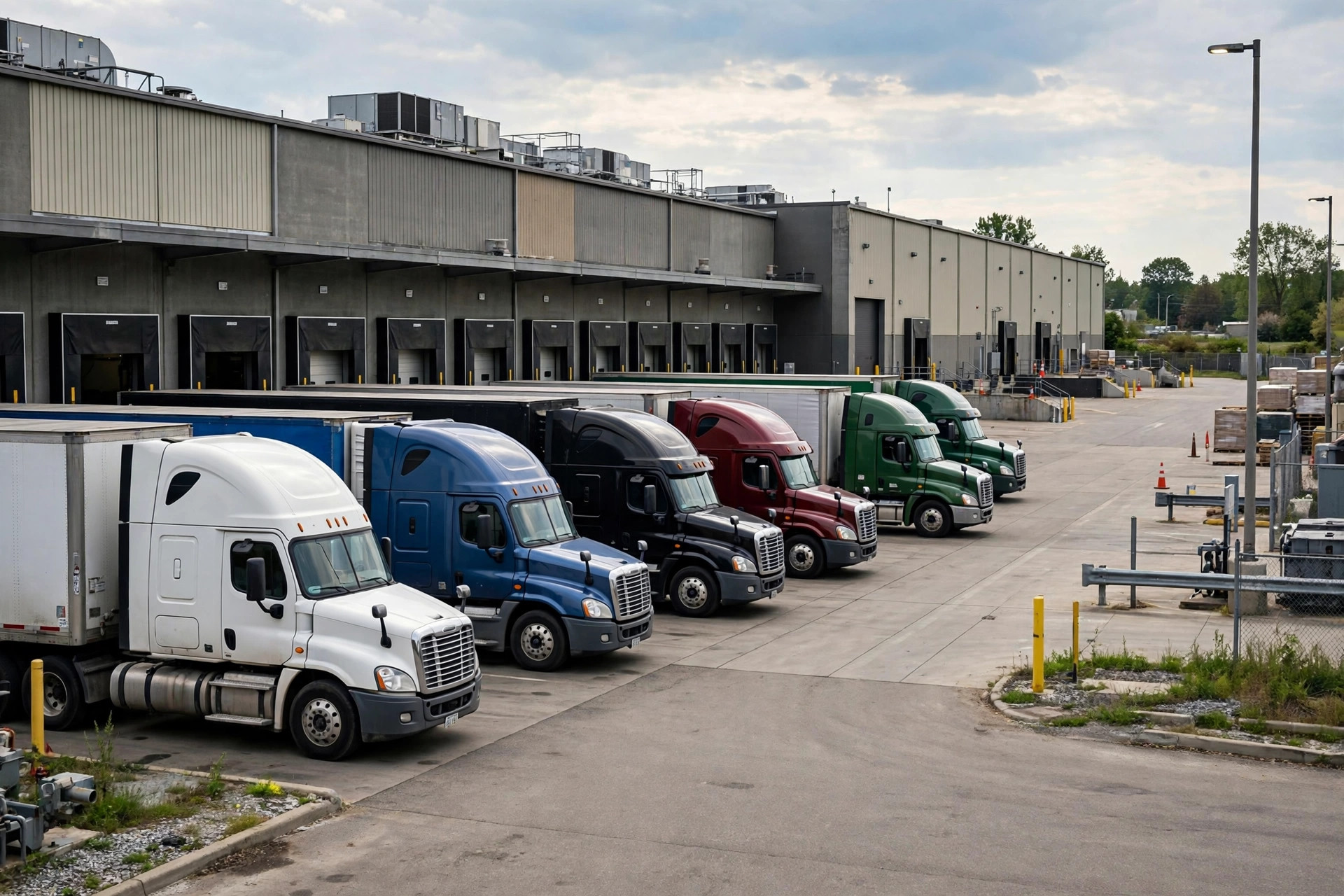
The bigger waste is floor space. Every door needs staging behind it — pallets at the trailer tail, breakdown, inspection — easily 300 to 500 square feet. Ten idle doors means three or four thousand square feet doing nothing. At $12 to $15 per square foot per year around Ontario, that's the better part of $100,000 a year in rent, gone. And with too many doors, receivers spread thin — five people covering eight doors work slower than five covering four. Idle people have more safety incidents. I've been burned on that one; I won't elaborate.
Doors Short in an Old Building? Don't Expand Yet
If the formula says you're short, don't call a contractor first. Three cheap moves to try. First, convert some shipping doors to receiving in the morning — many warehouses are inbound-heavy before noon and outbound-heavy after; doors are fixed, schedules aren't, and a two-sided sign on the door costs nothing. Second, enforce inbound appointments to spread trucks across the day instead of an 8 a.m. pileup. One project I worked on cut average gate wait from 2.5 hours to 40 minutes with appointments alone — the equivalent of two free doors. Third, move staging forward: if there's no room behind the door, carve out a buffer zone at the building's end, get the trailer unloaded and gone, and inspect at leisure. Door turnover can rise roughly 30%.
If all three still aren't enough, then talk expansion. And don't just add doors — sometimes merging two adjacent small doors into one 12-foot wide opening (for drop-trailer work) beats adding two narrow ones. Doors are expensive because of the civil work; the moment you touch structure, money pours out.
The Quick Table: Use It Directly
This table assumes 60 minutes per trailer and 10 receiving hours, with a 1.3 peak factor baked in, plus one flex door. Plug in your own numbers to fine-tune:
| Daily trailers | Recommended doors |
|---|---|
| Under 10 | 3 |
| 10–18 | 4 |
| 18–28 | 5 |
| 28–40 | 7 |
| 40–55 | 9 |
Three reminders. First, calculate shipping doors and receiving doors separately — outbound rhythm has nothing to do with inbound rhythm, and mixing them guarantees a wrong answer. Second, size a new building for year-three volume, not opening day; adding one door later costs more per door than building ten now (you're cutting openings and touching structure). Third, don't skip the flex door: door repairs, bunched arrivals, surprise add-ons — it saves you every time.
One blunt closing thought: a lot of warehouses with "never enough" receiving space don't actually have too few doors. They have no appointment discipline. Every truck shows up at 8 a.m., and of course there's a line. Getting the door count right is just a passing grade; spreading appointments across the day is what doubles your door productivity. That's a whole separate article.
Here's what you can do tomorrow: pull three months of daily trailer counts and run the formula. If the answer comes out two or more doors above what you have, start the expansion proposal now. Every extra day trucks spend waiting in line is real money.