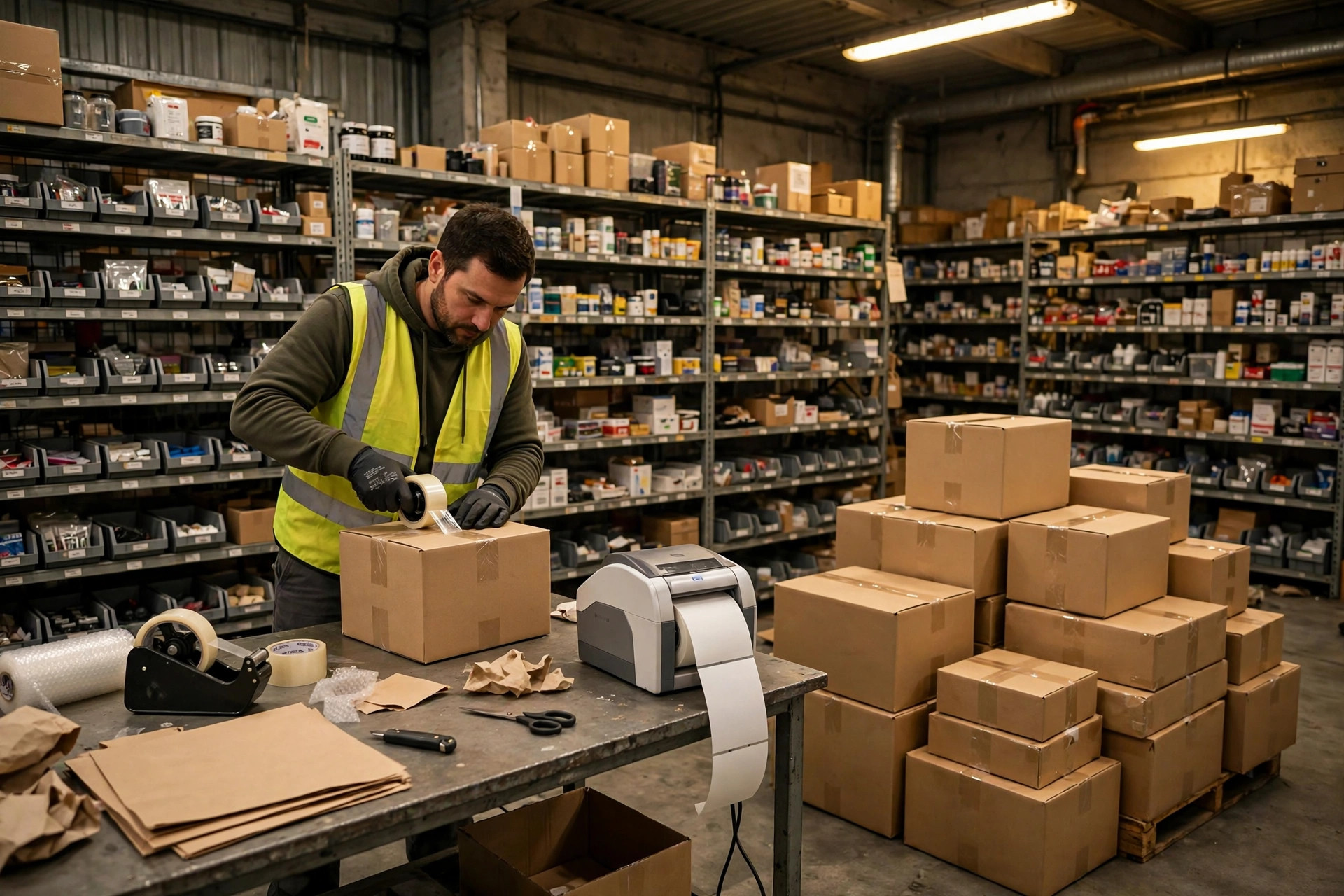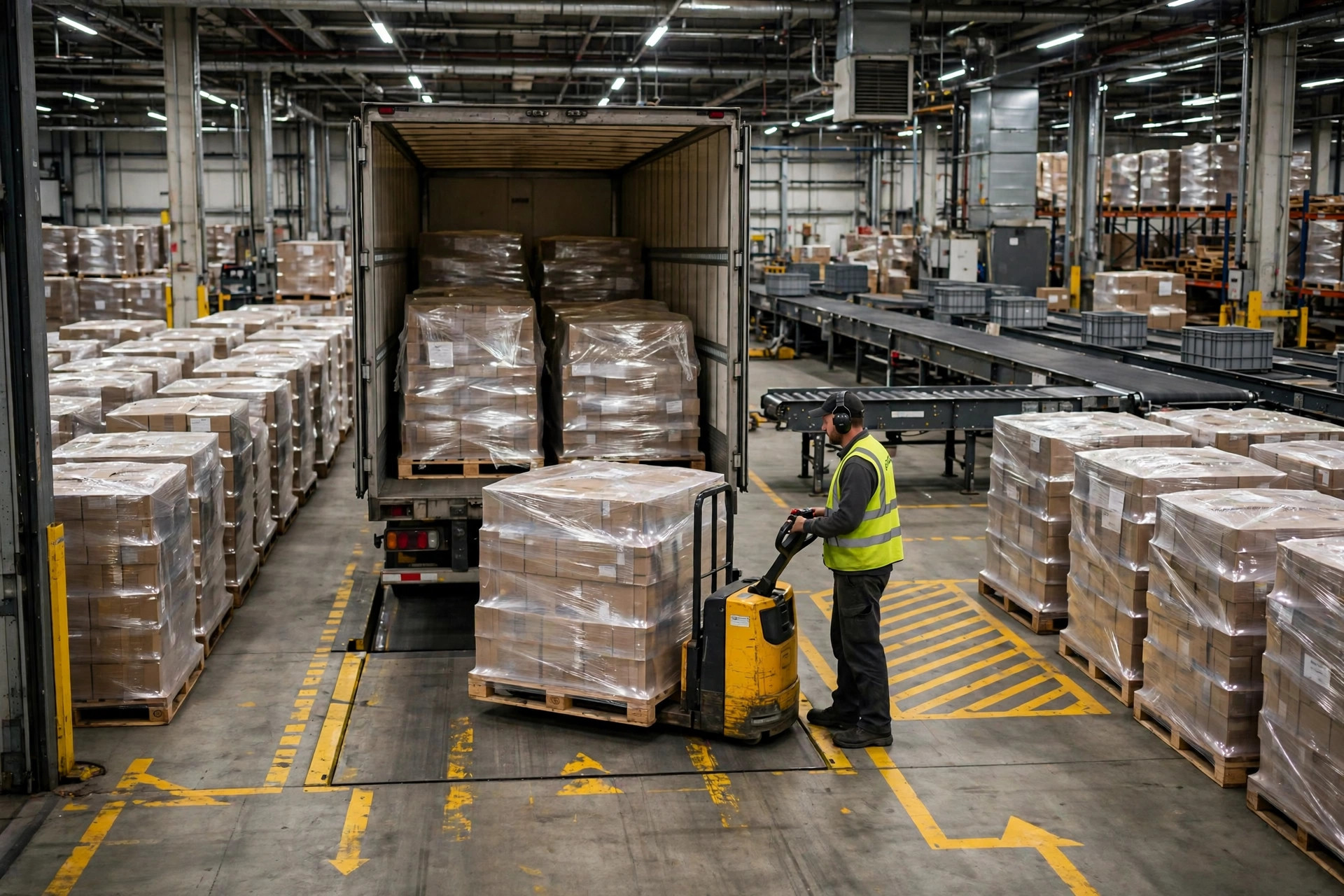
Late October 2024, I walked into a 3PL warehouse in Ontario, California. 120,000 square feet, nine container trucks queued at the dock, staging so jammed the forklifts could barely turn. The ops manager told me that in the past two weeks alone, 40 pallets had come back — rejected at a platform's fulfillment center, bounced at the gate, hauled right back. A building capable of shipping 18,000 orders a day, burning all of it on that kind of churn.
That's the most common way to die in Q4: not having no inventory, but having it in the wrong warehouse at the wrong time. Four major platforms — Amazon, Walmart, TikTok Shop, Temu — each run different promo calendars and inbound rules. One caveat up front: exact promo dates and inventory cutoffs shift every year, so always confirm against each platform's official seller calendar. What follows is the rhythm I've distilled from a decade-plus of Q4s. Verify the dates yourself; the cadence you can use as-is.
Draw the Countdown Line First
Q4 prep has exactly one iron rule: every action is back-scheduled from promo day. I mark promo day as D-day and work backward in weeks.
D-minus-8 weeks: lock factory capacity. This is the last window for purchase orders — after this, ocean rates spike, factory slots fill, and whether your goods even leave port becomes a matter of luck. D-minus-6: ship the first leg. Ocean transit runs 3 to 4 weeks, plus customs and drayage buffer — this is the last safe line for ocean freight. Thinking of air freight as a rescue plan? Do the math first: peak air rates run 2 to 3 times normal, and the margin they eat can hurt worse than a stockout. D-minus-4: platform inbound cutoff. Every platform sets receiving deadlines ahead of big events, and Amazon's are the strictest — miss the cutoff and your listing shows out of stock through the entire event. D-minus-2: inventory landed at your own or 3PL warehouse, final cycle count and slot reservations done. Three days before D-day: customer service scripts, returns flow, and overtime schedules all locked.
The killer is that D-minus-4 point. I've watched too many sellers still arguing with the factory about packaging at D-minus-5, freight arriving at port at D-minus-3, refreshing tracking pages at D-minus-1 — and when the event starts, their goods are still in customs. Remember this: inventory that hasn't entered the platform's warehouse four weeks before the event basically didn't participate.
Four Platforms, Four Temperaments
Amazon has the most rules. FBA inbound needs appointments, and peak-season slots get booked 2 to 3 weeks out. Restock limits tighten in Q4, especially storage caps for new ASINs. My advice: get all Q4 inventory into FBA by the end of September. You'll pay a few extra weeks of storage fees, but what you're buying is zero stockouts during the event. Peak storage rates cost more than usual — still cheaper than going dark mid-promo.
Walmart's temperament is slow but steady. WFS inbound is simpler than FBA, but its promo calendar runs a few days offset from Amazon's, playing the time gap. Plenty of sellers fixate on Amazon's Black Friday and forget Walmart's event starts earlier — then miss both with the same inventory. If you sell on both, back-schedule from whichever event comes first. Never cut from a single calendar.
TikTok Shop is the wild card. Its spikes don't follow a promo calendar — they follow creators. One viral video and a SKU can do 20x its daily volume overnight. That pulse ordering is a nightmare for fulfillment: 200 orders a day normally, 4,000 the day after a hit, packing stations gridlocked. Warehouses serving TikTok sellers need 30%+ flex labor and packaging buffer, and safety stock for hero SKUs should be sized at 10x daily sales, not the average.
Temu is the price-war arena. Fully managed, platform-set pricing — sellers compete on cost and depth of stock. In Q4 on Temu, the penalty for stocking out is harsher than elsewhere: once you lose the traffic allocation, it's brutally hard to win back after the holidays. Stock 20% deeper than your model says. Don't optimize the storage fee.
Inbound Cutoffs: Shipping at the Deadline Is Suicide
Across all four platforms, one principle holds: arrive 7 to 10 days before the cutoff. Why the buffer? FBA check-in queues routinely run 5 to 7 days in peak season. Arrived at the dock doesn't mean received; received doesn't mean available for sale. WFS moves faster but queues up in Q4 too. TikTok's official and partner warehouses throttle inbound ahead of big events as well.
Three operational moves: first, track every platform-bound shipment daily after dispatch — if a load sits "delivered, not checked in" for more than 5 days, open a case and push. Second, keep one backup channel per platform ready, e.g., flip to self-fulfilled (FBM) if FBA chokes — never one basket. Third, hold 10 to 15% of inventory at your own or 3PL warehouse as a mobile reserve, and feed whichever platform spikes.
Staffing the Warehouse for Those 60 Days
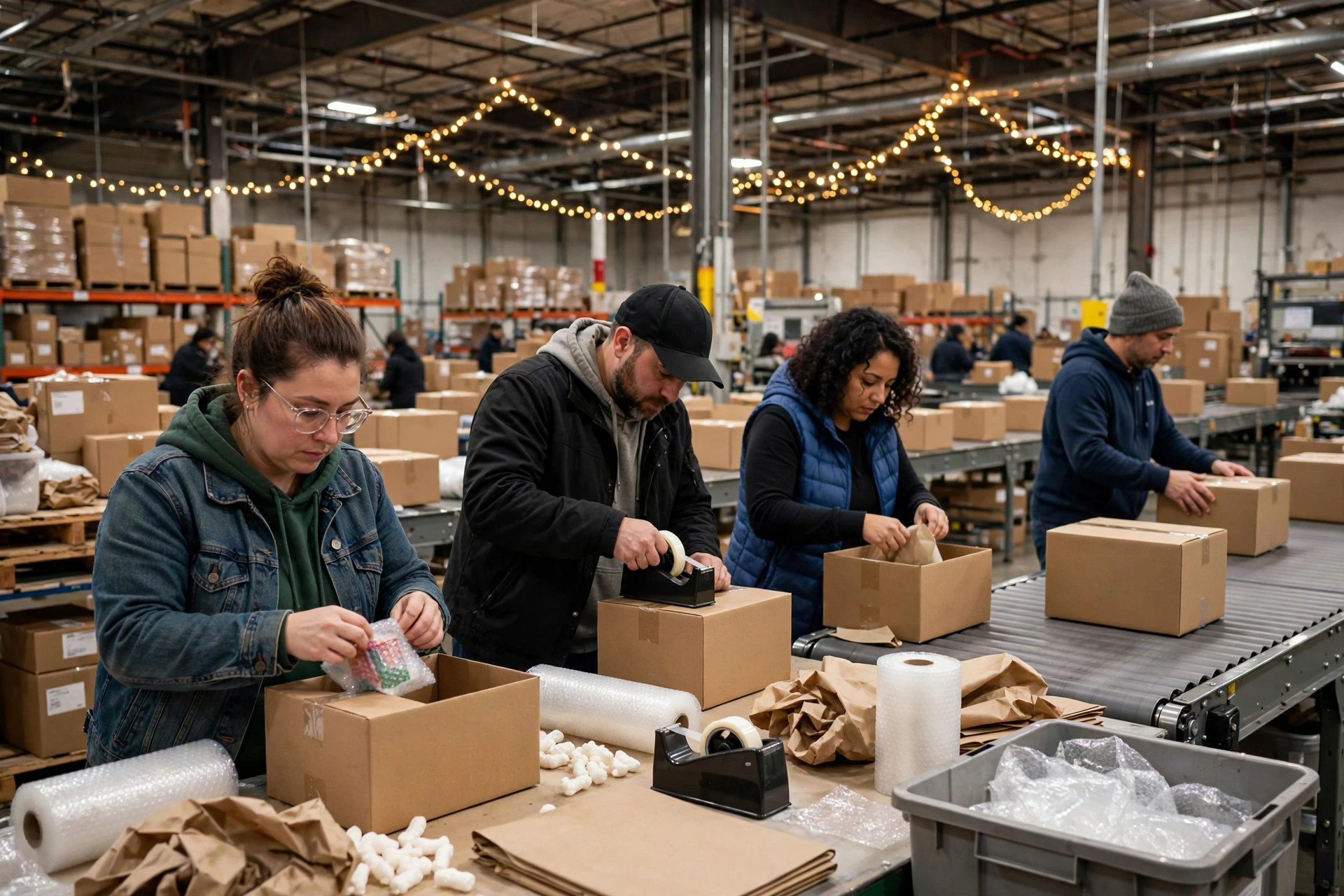
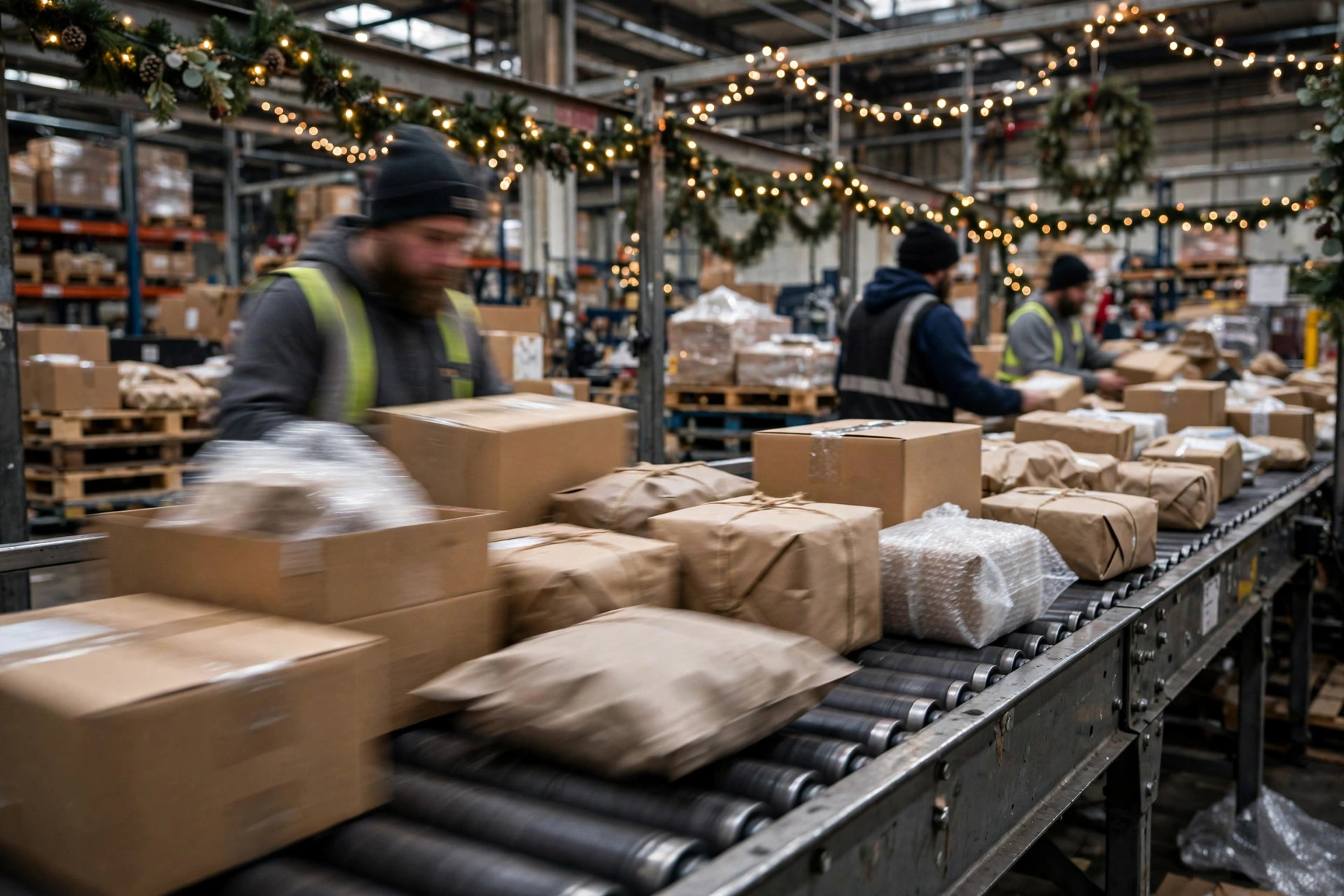
Finally, execution. From early November through December, the building goes to wartime footing. Labor: temp workers need recruiting and training at least 3 weeks out — every year a batch of warehouses discovers in November that nobody is left to hire. If you haven't started recruiting by late October, start worrying now. Slotting: move Q4 hero SKUs to the slots nearest the pack stations before the rush. One meter shorter per trip, times 20,000 orders a day, is real money. Packaging: order 1.3x last year's Q4 consumption. Box plants slip their lead times in peak season; don't reorder when you're already out.
And plan returns now. The Q4 returns wave peaks in early January at roughly double the normal rate. January's returns labor and inspection flow need to be in the plan today. I watched one warehouse give back everything it made in December to a January returns backlog — returned goods sat unprocessed for three months, cash trapped inside.
One question to leave you with: has this year's first Q4 inbound landed yet? If the answer is "still at the factory," you're two weeks late reading this — but that's still better than remembering on promo day.