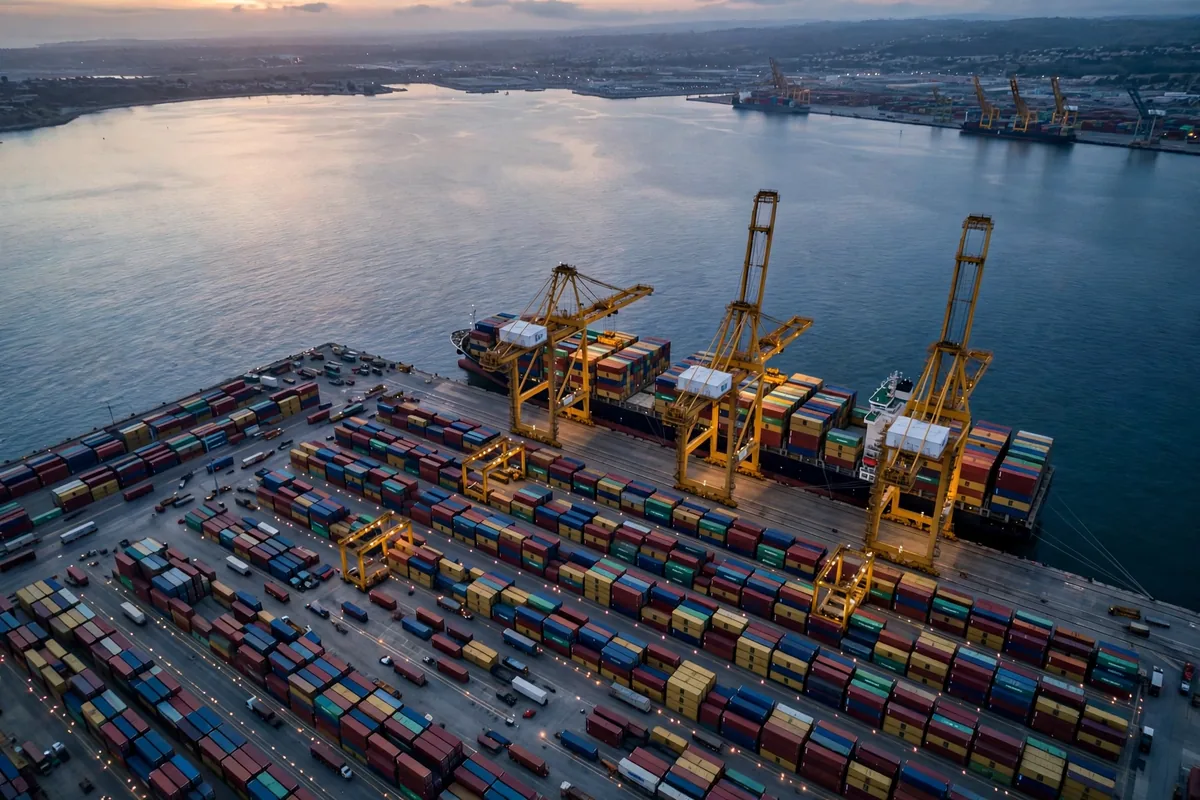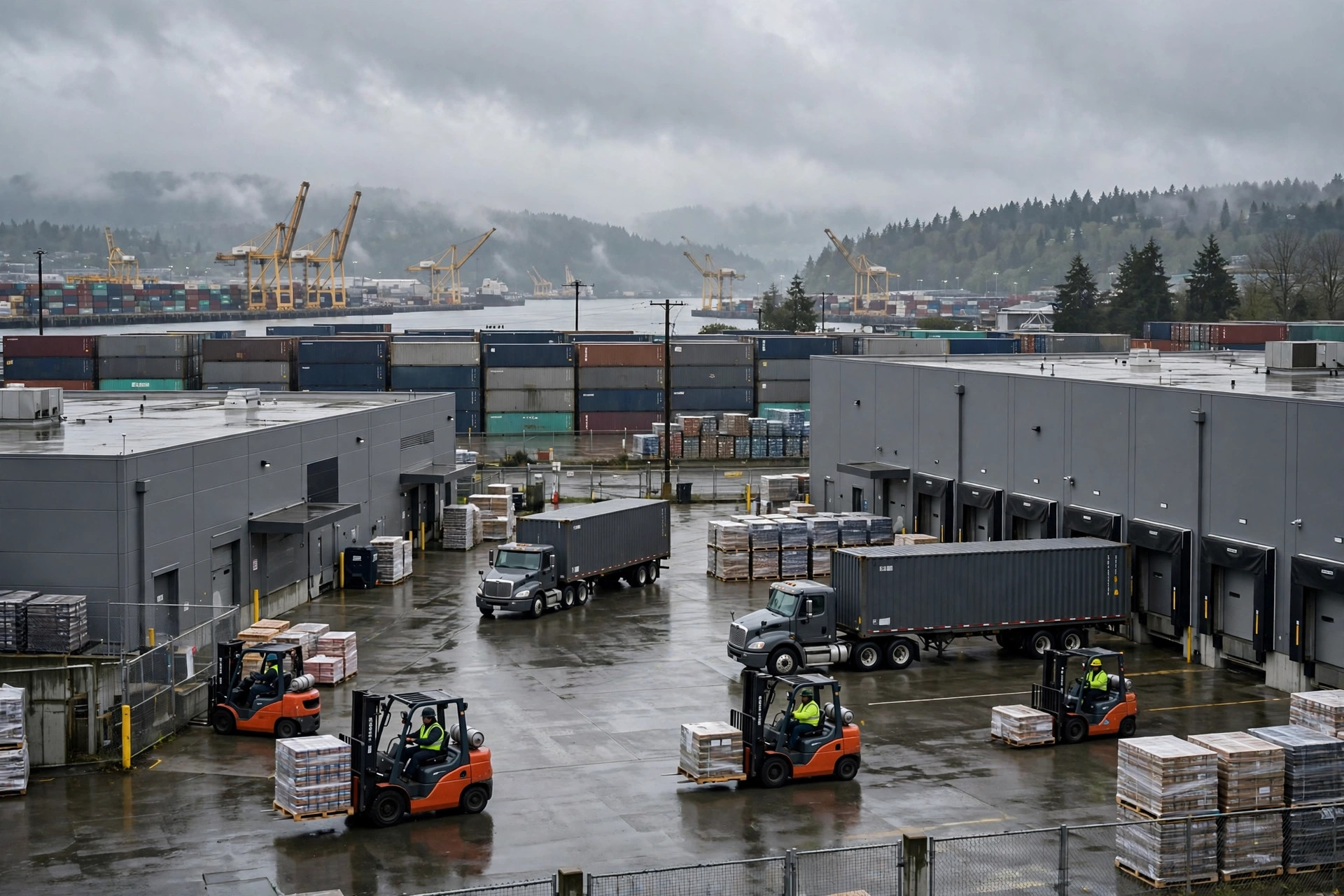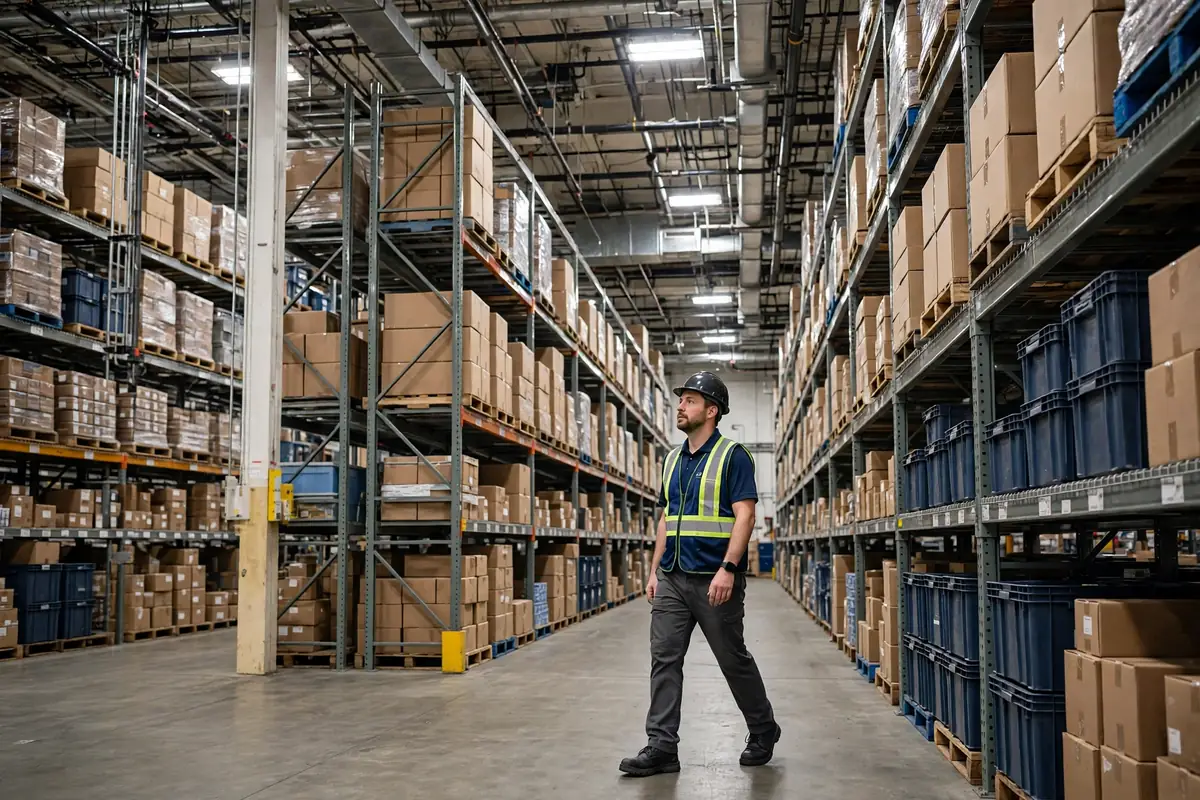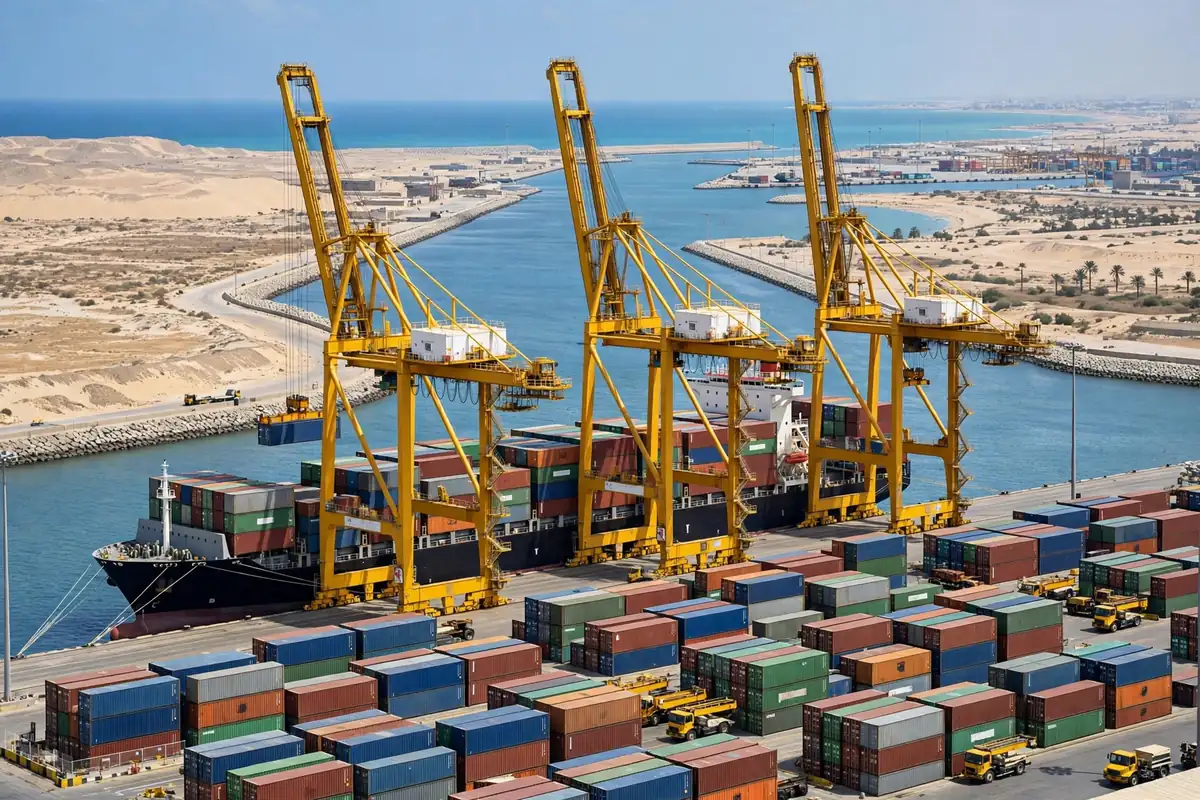
We had a client, an exporter of home appliances, shipping through East Port Said for the first time. He told me, full of confidence, that Port Said East, Egypt port warehouse logistics had to be simple — Susan, this port ranks third in the world for efficiency, so the cargo will move fast, and the warehouse side can be arranged any way you like. I smiled and said nothing. In Port Said East port warehouse logistics, a fast port and smooth freight are two different things. A fast port actually demands more from the warehouse. The vessel does not wait. If the warehouse is one beat slow, the cargo gets stuck between port and warehouse.
Let me put the facts on the table first, so the rest is not just feeling. East Port Said sits at the northern mouth of the Suez Canal, the gateway in and out of the canal. In 2024 it handled about 4.44 million TEU. In the World Bank Container Port Performance Index, the 2024 edition, it ranks third in the world, at about 32 moves per crane hour. That ranking is real efficiency, not marketing. But there is another side. With the Red Sea crisis, many shipping lines have diverted around the Cape of Good Hope, and Suez route volumes are under pressure, so schedules swing more than they used to. The theme of this piece is simple: the port is highly capable, the trade lane is volatile, and the warehouse has to move with it.
That appliance client's story later became a classic case inside our team. His cargo came from Asia, was to be stripped and sorted in a warehouse near East Port Said, then distributed across Egypt and neighbouring markets. On the first shipment the vessel berthed on time and the container came out quickly, and then everything stopped at the warehouse gate. One document was missing from his paperwork, the warehouse could not strip the box, the driver waited most of the day, and the container went back to the yard. On the second shipment we were smarter. Documents were pre-checked three days early, labour was scheduled backwards from the vessel date, and the cargo was stripped the same day it arrived. Same lane, same port, same warehouse. The only difference was three days of preparation up front. Clients often ask me what they are really paying a 3PL for. They are paying for those three days.
Port Said East Port Warehouse Logistics: Price the Speed, Not Just the Rent
Most people price only the two ends: the ocean freight and the warehouse rent. The middle stretch, container pickup, waiting on documents, stripping, sorting, and dispatch, gets treated as incidental. At a fast port like East Port Said, that middle stretch is exactly where the money goes. Vessels berth fast, containers arrive in bunches, and if the warehouse still rosters labour on a normal pattern, cargo queues on arrival, and queuing is money.
When we quote a client, we have a hard rule written into the contract: break the price apart. Storage, handling, expediting, and detention risk each get their own line. A blended quote looks cheap and always costs more at settlement. Why? Because port-warehouse operations carry too many variables. A schedule change brings expediting charges. A document delay burns extra storage days. If the fees are not separated, the client thinks they bought warehousing when they actually bought a pile of undefined service charges.
The table below is the framework we use when we walk a client through the numbers. The figures are a hypothetical illustration, not real quotes, used only to show the structure:
| Cost item | Hypothetical illustration: two ways to run the same shipment |
|---|---|
| Reactive: roster labour only after the vessel arrives | Containers arrive in a bunch, overtime is called in, handling cost rises by, say, 20% |
| Prepared: roster and reserve slots against the vessel schedule | A little extra rostering cost up front, cargo stripped on arrival day, detention and expediting avoided |
| Documents checked after arrival | One missing file stops the whole shipment, say one to two extra days of storage |
| Documents pre-checked | Problems surface early, cargo moves on arrival, lowest time cost |
Do you see it? At East Port Said, the main warehouse cost is not rent. It is rhythm. Get the rhythm right and the port's speed becomes your speed. Get it wrong and the faster the port, the more exposed you are. Here is the counterintuitive judgement: the world's third most efficient port is the one most punished by a slow warehouse. A slow port gives you buffer time. A fast port gives you none.
Port Said East Port Warehouse Logistics: Three Points to Lock Into the Contract
We had a client in auto parts, distributing from East Port Said to several African and Middle Eastern markets. His first draft contract was two pages long. The price was crystal clear and the responsibilities were vague. I told him the price page was not the important one. These three points were.
First, when the schedule changes, who owns the cost and the responsibility? Since the Red Sea crisis, more vessels have diverted around the Cape of Good Hope, and schedules change without warning. The contract must state how extra waiting, extra storage, and extra trips are priced and who bears them. Without that clause, the 3PL carries the blame when things go wrong, the client thinks that is only natural, and the 3PL feels it is deeply unfair.
Second, where does document responsibility end? Does the client supply the documents, or does the 3PL pre-check them? If a missing file stops the cargo, whose fault is it? Our practice is this: the 3PL pre-checks and flags, the client completes and confirms. If we fail to flag it, that is our fault. If we flag it and the client does not fix it, that is theirs. Write that boundary down and both sides sleep better.
Third, the price list for expediting and overtime. Peak season, nights, holidays, how is overtime priced? If a container sits beyond the agreed days, how is the excess charged? Lock those rates in advance. Never negotiate them while the cargo is sitting in your warehouse. That is when the 3PL is weakest and the client is most anxious, and the price that comes out of that conversation is never a good one.
Here is a second story, from the negotiating table. A client once brought me a competitor's quote that was twenty percent cheaper on rent and pressed me to match it. I did not argue about price. I asked him three questions: how far is that warehouse from the port, how long does container pickup queue take, and can they strip boxes at night? He could not answer. He chose us in the end, for a simple reason: our quote spelled out pickup, stripping, and distribution times, while the cheaper quote listed a single rent figure. Cheap rent plus unclear timing is never cheap in the end. Clients understand that the moment they hear it, yet they still ask about price first in every negotiation. Human nature, I suppose.
Three Questions to Ask Next Time You Negotiate
First, ask about the schedule. When the vessel schedule changes, how do your rosters and slots change with it? Do not accept we can handle it. Listen for specifics: how many days ahead do you read the schedule, how is labour prepared, how much slot slack do you keep? If they cannot answer in specifics, they are not prepared.
Second, ask about documents. Whose job is pre-checking, and who owns it when a missing file stops the cargo? This one question filters out most unreliable providers. A supplier willing to write the responsibility boundary down is one with real experience.
Third, ask about price structure. Can the quote be broken apart, and what are the expediting and overtime rates? A quote that cannot be itemised will always contain a surprise at settlement. The more detailed the quote, the more trustworthy it is.
One last honest word. In Port Said East port warehouse logistics, the port gives you speed, the canal gives you position, and the Red Sea situation gives you volatility. What a good 3PL gives you is not the disappearance of volatility. It is somewhere for your cargo to go, someone to receive it, and a clear account when volatility strikes. When you choose a partner, do not judge them only by how cheap they are when things go well. Judge them by how clear they are when things go wrong. A warehouse that can still strip and dispatch on time while schedules are in chaos, that is the real capability.
Next time you negotiate a contract, remember to ask those three questions. Ask them first, and only then look at the price.
By Susan, 3PL Sales Director