We small warehouses cannot afford to burn money like that. That is my first reaction every time I see a big port master plan. Hundreds of hectares, dozens of berths. It makes my head spin. But the Port Louis freeport does the opposite. The whole freeport zone covers just 80 hectares, with 550,000 square meters of infrastructure, which back home would barely count as a mid-sized logistics park. And yet it runs a real transshipment business in the middle of the Indian Ocean.
Mauritius is a small island. Its population is smaller than a single prefecture-level city where I come from. But this small island set up its freeport in 1992, built to live on transshipment. Cargo arrives from Asia, gets unboxed, sorted, repacked, and reloaded for the east coast of Africa and the Indian Ocean islands. It sounds simple. The details are where the money is made or lost.
The Port Louis playbook: smooth flow beats big scale
I run a 3,000-square-meter warehouse, so I know the pain of small spaces. Every square meter has to earn its keep. When I look at the Port Louis freeport numbers, I feel right at home. Eighty hectares has to hold warehousing, cold storage, container yards, and offices, plus room for trucks to move. Their answer is the same as ours: do not try to do everything, just make the flow smooth.
Start with location. Mauritius sits in the middle of the Indian Ocean. A container ship from Shanghai to Port Louis takes 20 to 28 days. That timing matters. For cargo moving from Asia to the east coast of Africa, Port Louis is a natural halfway stop. Mainline vessels call, cargo comes off, gets split up, and feeder ships carry it on to Madagascar, Seychelles, Réunion, or African east-coast ports. The lines calling are the big names: CMA CGM, MSC, Maersk, and PIL. When the mainline ships come, the island has a business.
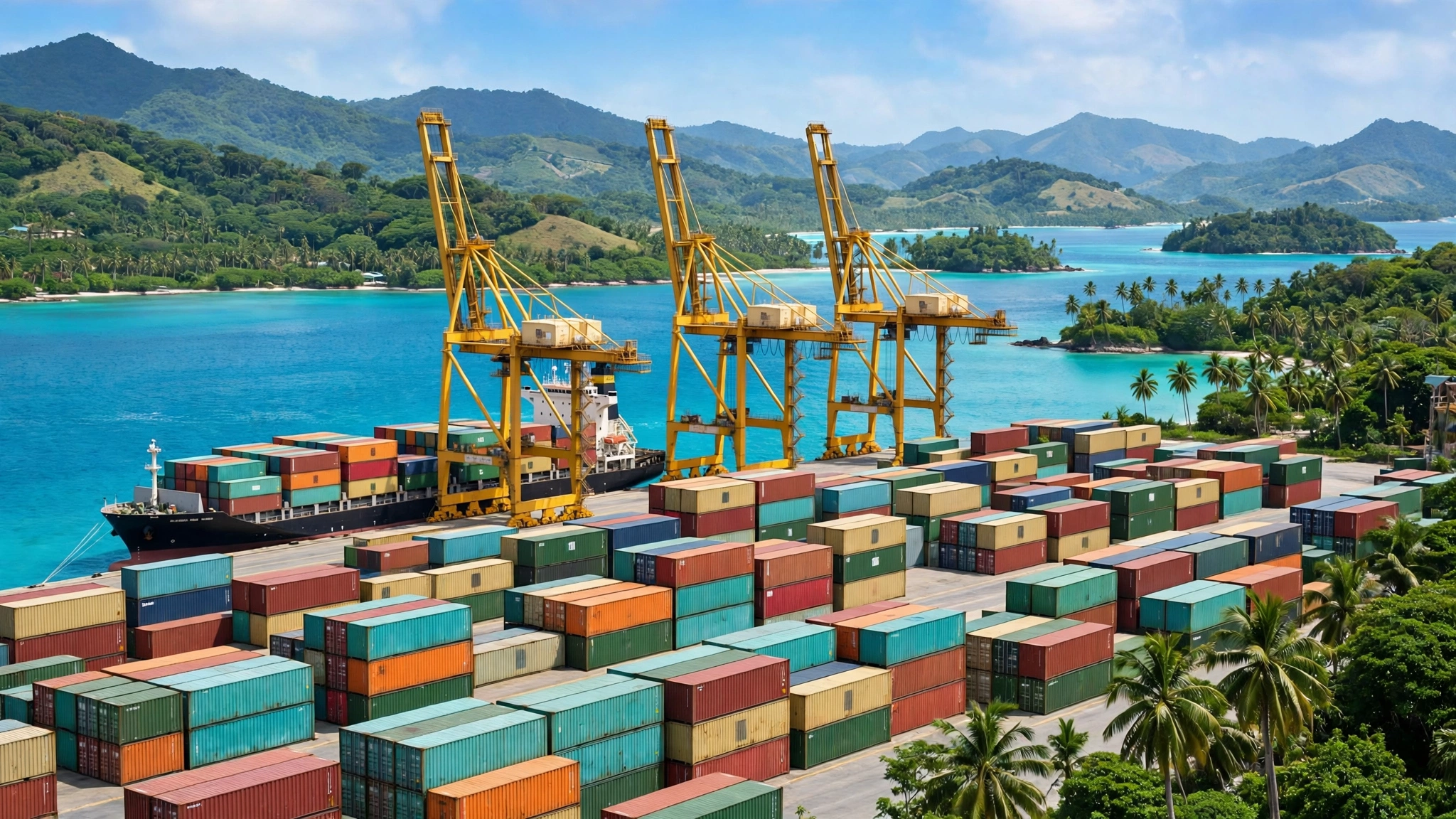
Then the yard. The MFD container yard inside the freeport holds 5,000 TEU, with 175 reefer plugs. That number sounds modest until you remember that 268 registered operators share the same facilities, and nobody gets to hog them. My hard-learned rule for small yards is this: first-in-first-out is a fantasy; what matters is sorting by sailing schedule. The box that boards first has to sit in the easiest spot, or your forklifts spend all day shuffling containers and your fuel and labor burn on rehandles.
We learned that the painful way. One peak season, I stacked a shipment that had to go out at the very back, with unshipped cargo piled in front of it. Then the sailing moved up a day, and the whole warehouse spent an afternoon digging it out. The freeport operators must have learned the same lesson, which is why their yard is organized by vessel, not by cargo owner.
Cold storage is the island's hard currency
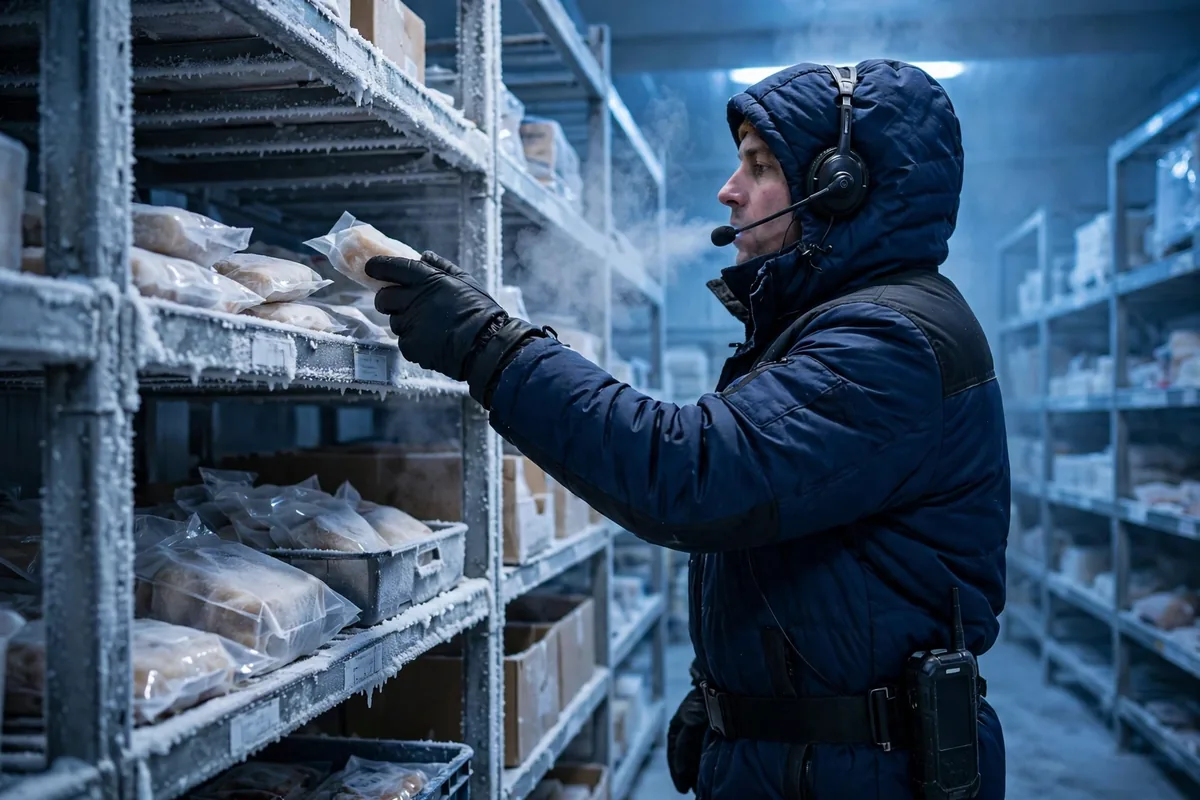
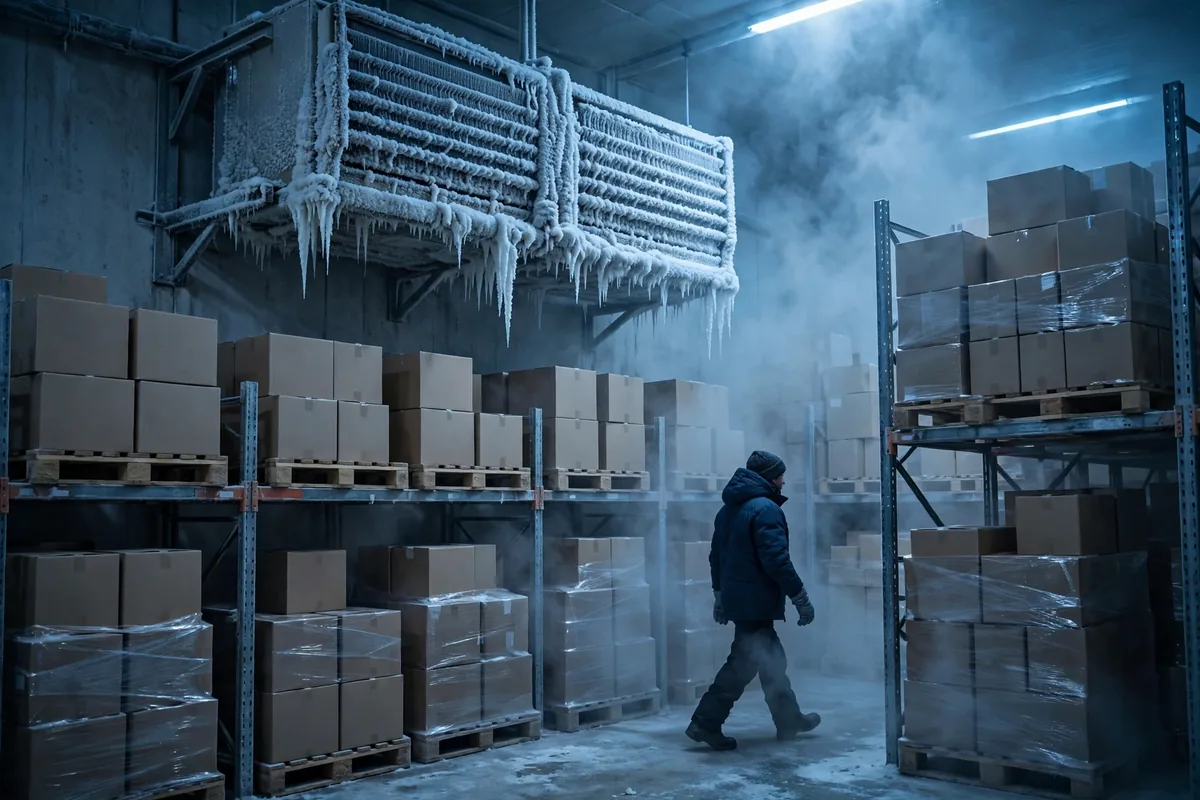
The most valuable asset in the freeport, in my view, is the cold store: 96,000 cubic meters, running from -40°C to +15°C. That range means everything. Minus 40 handles tuna. A few degrees above zero handles fruit and vegetables. One facility can take several kinds of cargo.
Mauritius does not produce much itself, but the seas around it and the east African coast produce plenty: seafood, fruit, flowers. All of it needs cold chain, and the chain cannot break in transit. Cold chain has one brutal rule: one break and half the cargo is ruined; keep it unbroken and customers stay loyal. The freeport's yard has 175 reefer plugs, so a refrigerated box can be plugged in the moment it lands, without waiting to enter the cold store. That detail matters. Every hour a reefer sits unplugged in the yard is an hour of risk.
My little warehouse has no cold store, but I once handled a chilled shipment for a client, and that night taught me a lesson. The goods sat with us overnight, the reefer truck only arrived the next morning, and the temperature log had a two-hour gap. The client checked the record and docked our payment on the spot. Since then I have understood that cold chain is not about how big your cold store is. It is about whether the records connect end to end. The freeport can take high-value chilled cargo because its chain runs unbroken from vessel to cold store.
The Port Louis freeport tax-free card: what is it really worth
The freeport's biggest draw is its tax regime: zero corporate income tax on profits inside the zone, no customs duty, no VAT. For a transshipment operator, that means the value-added work done on the island, unboxing, repacking, relabeling, earns profit tax-free. Cargo entering the freeport is not an import, and cargo leaving is not an export. Only goods that actually enter the Mauritian domestic market get treated as normal trade.
But let me pour some cold water on that. Tax-free does not mean cost-free. Warehousing fees, handling charges, cold storage fees, every one of them still applies. And with 268 operators squeezed into 80 hectares, competition is no gentler than at a big port. Whatever the tax break saves, if it all gets spent on inefficient operations, the saving is wasted.
I ran a rough calculation for a friend thinking about doing business on the island. Suppose a shipment gets split up on the island. The tax saving is one thing, but three things decide whether you actually make money. First, do the vessel schedules connect, because every extra day the cargo sits on the island is another day of storage fees. Second, is the split-up operation smooth, because every extra step of unboxing, labeling, and restuffing adds a chance to make a mistake. Third, does the cold chain hold, because one break can cost more than a year of tax savings.
Here is the counterintuitive part. People think a freeport lives off its policy. The policy is only the ticket in the door. Once you are inside, operations decide everything. The island's advantage was never cheapness. It is location plus efficiency. Shipping lines call because the split-up is fast. Cargo owners use the island because transshipment is smooth. Policy brings people in. Operations keep them.
The island's new bet: e-commerce fulfillment
The 2025-2026 budget added a new line of business for the freeport: e-commerce fulfillment. This hits close to home for me. My small warehouse has taken on plenty of e-commerce orders in the last two years, and the economics are completely different from traditional split-up work. Small orders, high frequency, lots of returns, tight delivery windows. Traditional transshipment counts containers. E-commerce fulfillment counts pieces.
For the freeport, e-commerce fulfillment is a smart choice. The island's warehouses were never big enough for bulk commodity scale anyway. Small-batch, multi-frequency work fits the space better. And the geography helps: e-commerce is taking off on Africa's east coast and the Indian Ocean islands, and as platforms like Jumia expand across Africa, regional fulfillment demand will only grow.
But let me be honest: e-commerce fulfillment looks exciting and hides plenty of traps. Returns handling, inventory accuracy, system integration. Get any one of them wrong and you lose money. In our first year taking e-commerce orders, returns ate a big chunk of our profit. The island's operators will need to nail their traditional split-up business first before chasing the new work. One bite at a time.
Small warehouses have their way of surviving, and small islands have theirs. The lesson Port Louis teaches me is simple: being small is not the problem. Not knowing you are small is the problem. Know your size, and account for every square meter, every reefer plug, every vessel schedule. That is how a small island holds its place in the Indian Ocean, and how my small warehouse stays alive. Same rule.
By Xiao Ma, Small Warehouse Owner