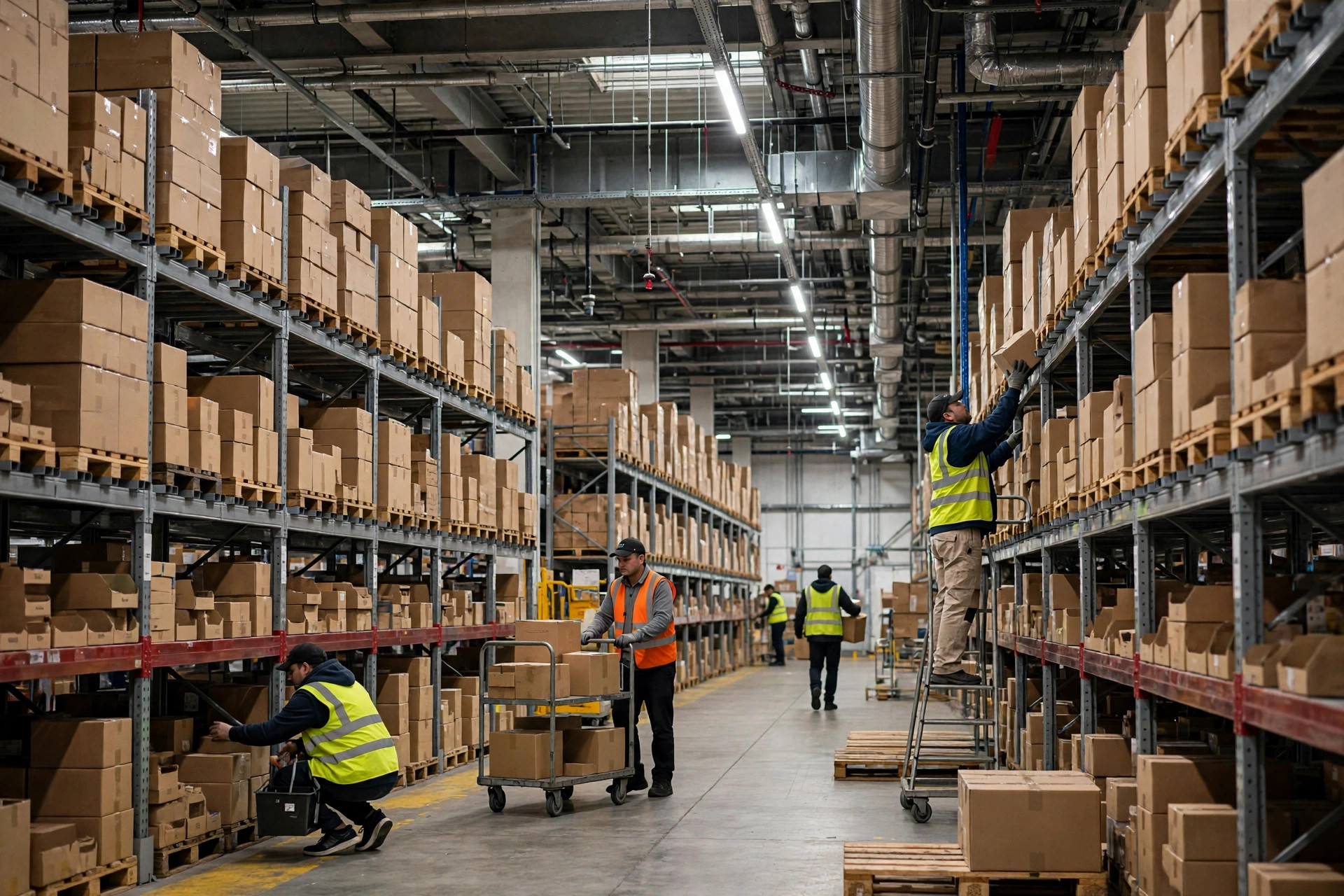
It was 6:40 on a late-September morning. I had just walked into the office when Old Wang from the verification station followed me in, holding three sheets of paper, wearing that look.
"Boss, night shift shipped three wrong orders again. Two had the wrong color, one had an extra unit. The customer's already emailed."
I took the papers. Same old SKUs. Products that look alike and sound alike — under dim night-shift lighting, a picker moving fast grabs the wrong one. It happens.
Look, every warehouse lives with picking errors. You can't eliminate them, so the real question is where you put the net that catches them before they leave the building. Over the past few years, my team has moved that net to three different spots: right after picking, at a verification station before packing, and as a sample check before shipping. We've taken hits at all three, and we've learned something at all three. Here's the honest breakdown.
The first approach: verify right after picking.
Simple idea. The picker finishes an order, then re-scans everything with the RF gun — or two pickers spot-check each other's work. Our night shift tried peer checks: Li finishes a pallet, pushes it to Zhao, Zhao scans two random items, and only then does it move on. On quiet days it worked beautifully, and it cost nothing. It even doubled as training — veterans showed rookies the ropes while checking their work, and rookies picked more carefully knowing their mentor was watching.
Then peak season arrived, and the whole thing fell apart. During the pre-Christmas rush, order volume more than doubled on nights. The check-off sheets were full of ticks, but when I spot-checked, half those orders had never actually been looked at. When people don't even have time for water, nobody is doing careful peer checks. Peer verification runs on goodwill, and goodwill is the first thing peak season burns through.
The second approach: a dedicated verification station before packing.
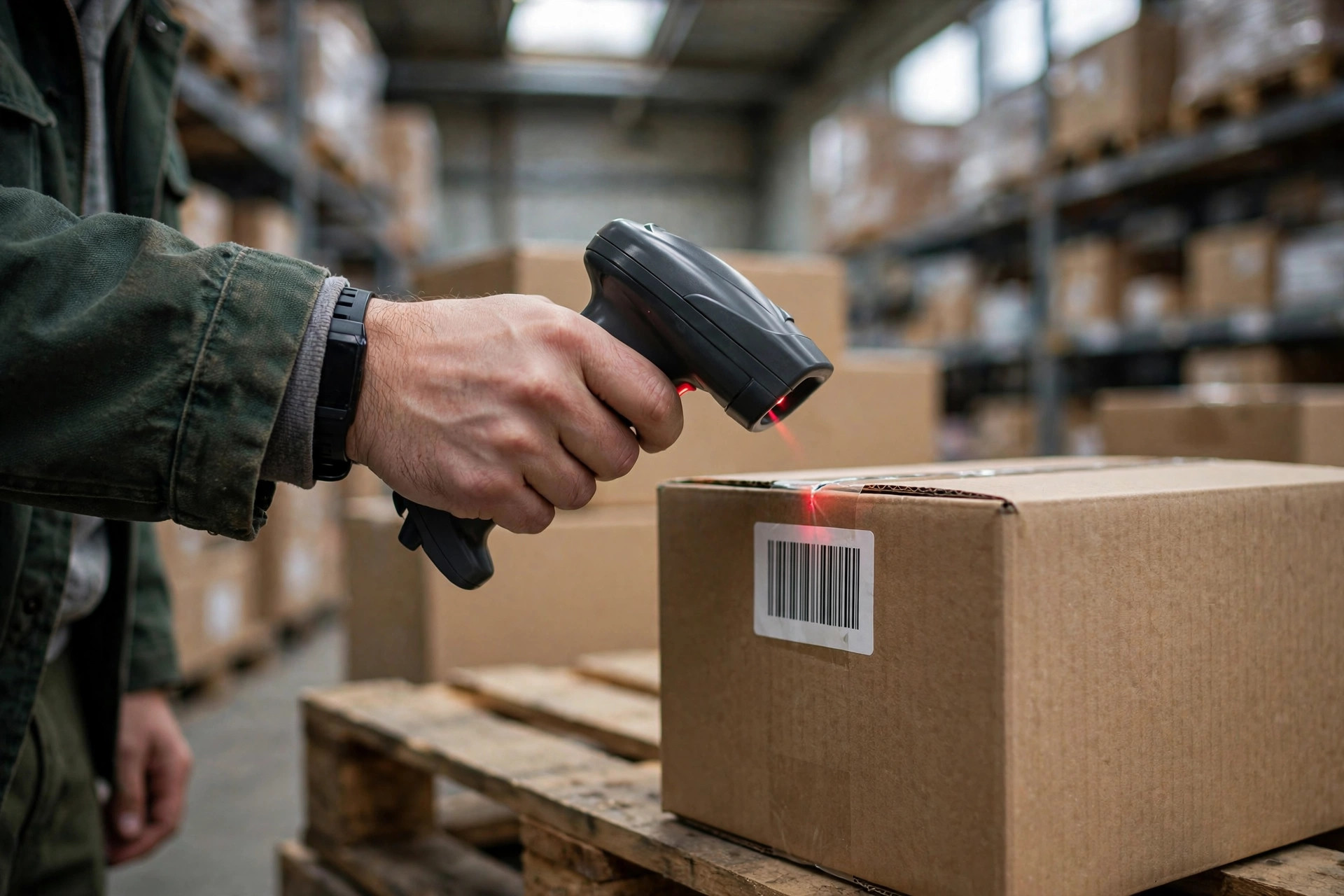
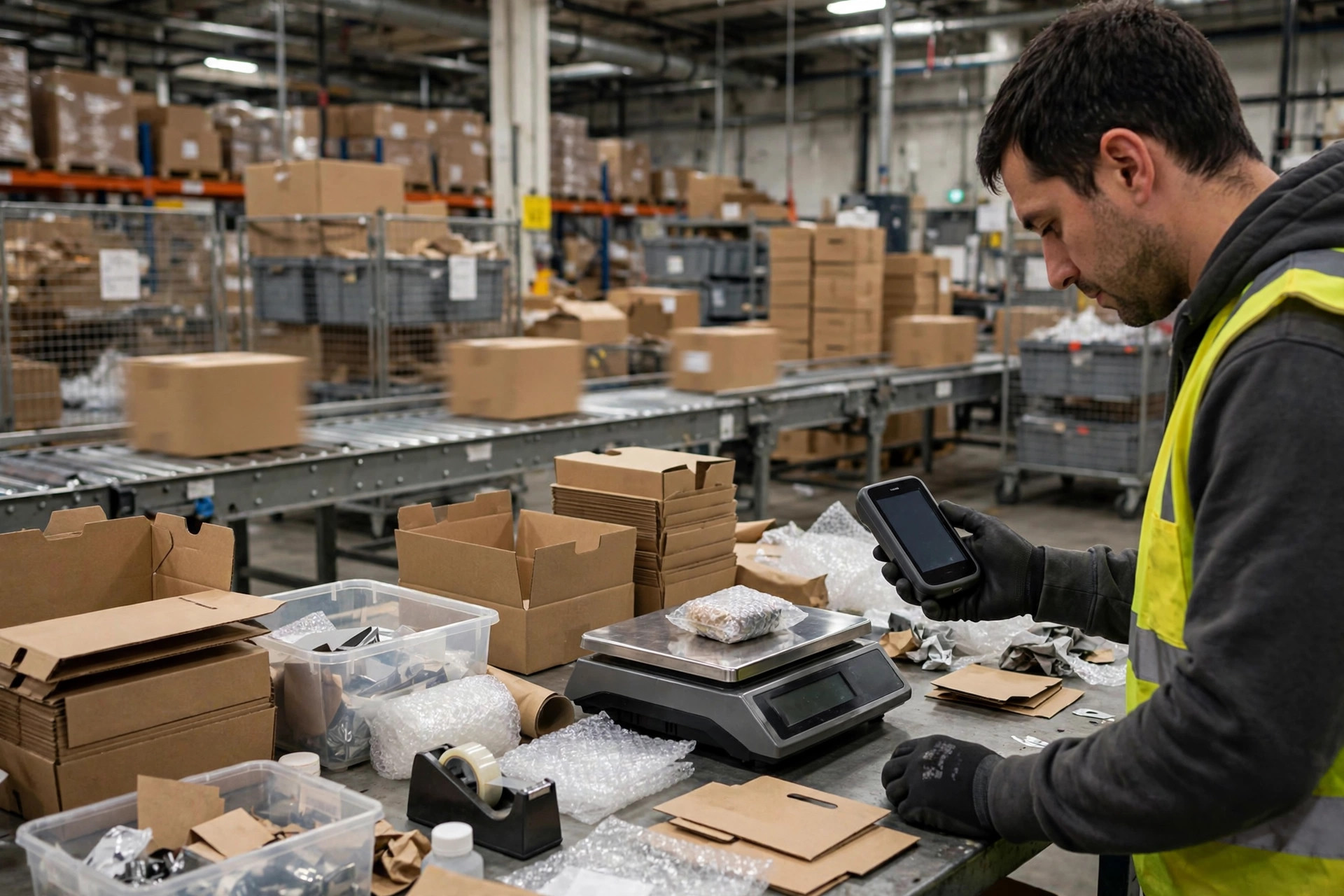
This is what we still use for high-value SKUs. A table sits in front of the packing line. Old Wang plus one apprentice, two people doing nothing but verification. Every order gets scanned — order barcode, item barcode — and only matching orders move on. Anything off goes straight back to picking.
The results were real. Within three months, wrong-shipment complaints dropped from a dozen-plus per week to two or three. The boss praised us in a meeting.
But the price was real too. First, the labor math: two full-time people, month after month, year after year — that's serious money. Then the throughput math: the packing line used to do close to a hundred orders per person per hour. With the verification station in front of it, that fell to the low eighties. More than twenty percent of our packing speed, gone. And then there's the people math, the one that never shows up on a spreadsheet: the verifiers and the packers started fighting every day. "You're too slow, my orders can't get out." "You pack so fast, whose fault is it when something's wrong?" Two camps, one warehouse. That kind of atmosphere costs nothing on paper and hurts everywhere.
Put side by side, the three options look like this:
| Verification stage | Error catch rate | Labor cost | Throughput impact | Biggest trap |
|---|---|---|---|---|
| Right after picking (self/peer check) | Medium, works on calm days | Near zero | Minimal | Becomes theater during peak, runs on goodwill |
| Verification station before packing (dedicated staff) | Best, catches nearly everything | Highest, extra headcount | Noticeable, packing speed drops about 20% | Verifiers vs. packers turn adversarial |
| Sample check before shipping | Weakest, only reveals trends | Low, one person part-time | Almost none | Can't stop specific bad orders, hindsight only |
Most peers ask me at this point: so which one do you pick? Honestly, picking just one is the wrong answer. What we settled on is tiered — all three stages, but each doing only what it's best at.
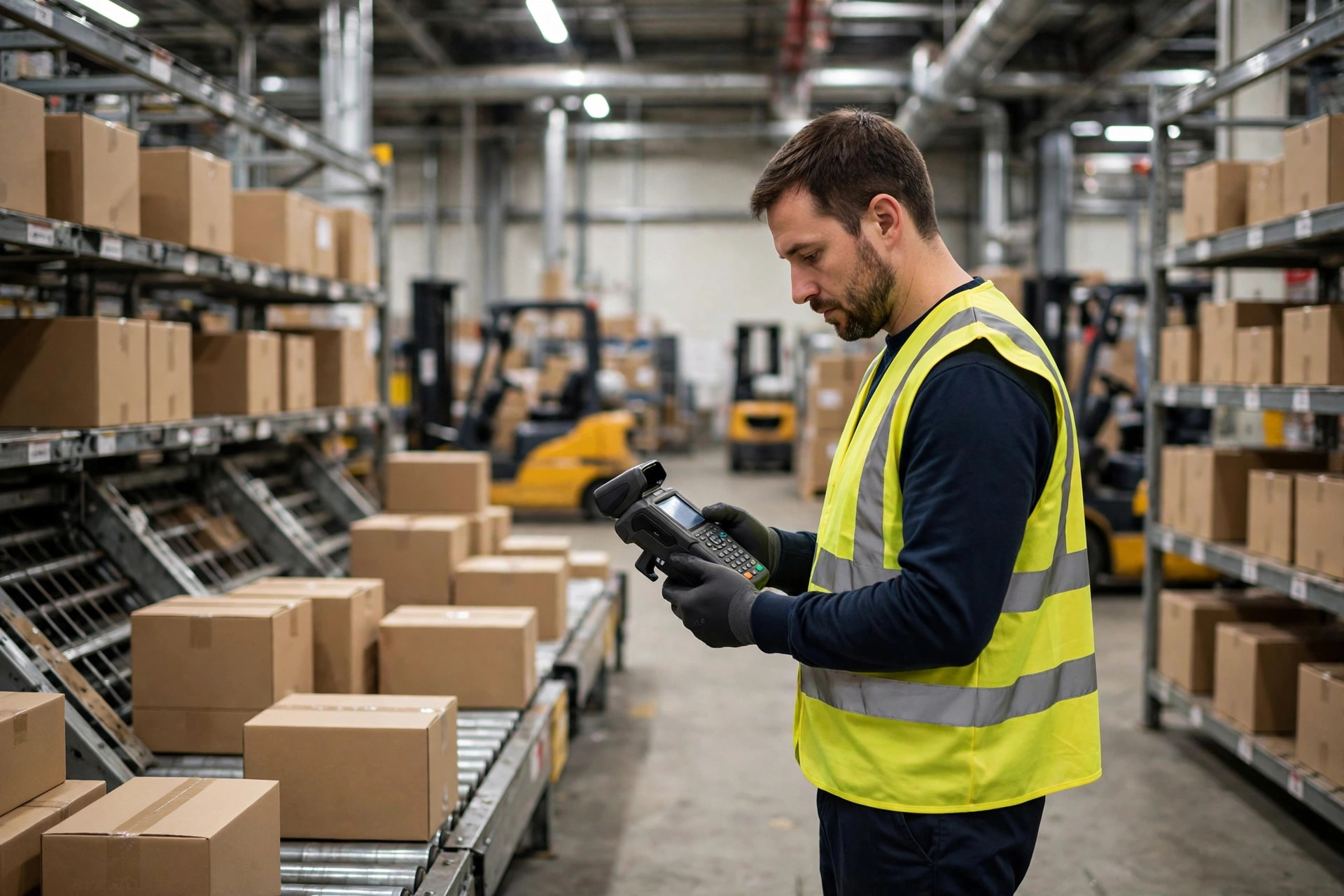
Tier one, at picking: let the system do the blocking, not people. Every order requires an RF barcode scan per item. Wrong scan, and the system locks the order — you physically cannot continue. Zero labor cost, and it kills the dumbest mistakes, the grab-the-wrong-item ones. If software can catch it, don't spend human eyes on it. Human eyes are expensive and unreliable.
Tier two, the verification station before packing: only for high-value and high-complaint SKUs. We keep a list — roughly ten percent of our SKUs, but responsible for more than seventy percent of wrong-shipment complaints. Only that ten percent gets human verification. The station runs with one person, who also handles exceptions and trains new hires. Regular SKUs pass straight through. The station never becomes a bottleneck, packing speed barely moves, and Old Wang stopped fighting with the packers — he only stops the orders that actually matter.
Tier three, sample checks before shipping: every batch gets sampled, but only two percent. Let's be clear about what this is for — it is not for catching bad orders. By shipping time, catching one is already too late. The sample check exists to read trends: which shift, which time window, which SKUs are drifting upward in errors. Results go straight into shift performance reviews and up on the board.
Now for the counterintuitive part, and I want my fellow managers to hear this clearly: the biggest output of a verification step is not the bad orders it catches. It's the fact that pickers know someone is watching — and their error rate drops on its own.
We ran the comparison. Same crew, same orders. During the weeks with the verification station watching, picking errors ran far lower than during the weeks without it. We didn't catch that many more bad orders — there were simply fewer bad picks to begin with. The verification step's real value is deterrence, not interception. So we post every shift's error rate on the most visible board in the building, and any shift with two straight weeks of zero errors gets late-night snacks on me. Costs almost nothing. Works better than hiring two more verifiers. Morale, sometimes, is just a midnight snack.
One last piece of math to help you decide. One wrong shipment — return freight, re-ship, customer service back-and-forth, plus the customer you might lose — costs roughly what a verifier earns in half a day. So for high-complaint SKUs, human eyes are worth every cent. But for ordinary SKUs with a few dollars of margin per order, paying for full human inspection costs more than the goods are worth. Tiered verification is just that math: put the expensive eyes where the expensive problems are.
A reminder for fellow operators: don't start by adding a verification station and headcount. Pull two weeks of data first. Find out exactly where your errors come from — which stage, which SKUs, which shift. Once the data is clear, where to put the verification step answers itself. And one more thing: your verifiers and your pickers must be brothers on the same team, never cat and mouse. I've seen cat-and-mouse warehouses. The error rate didn't drop. The people just quit.
By Chen Feng, Warehouse Operations Manager