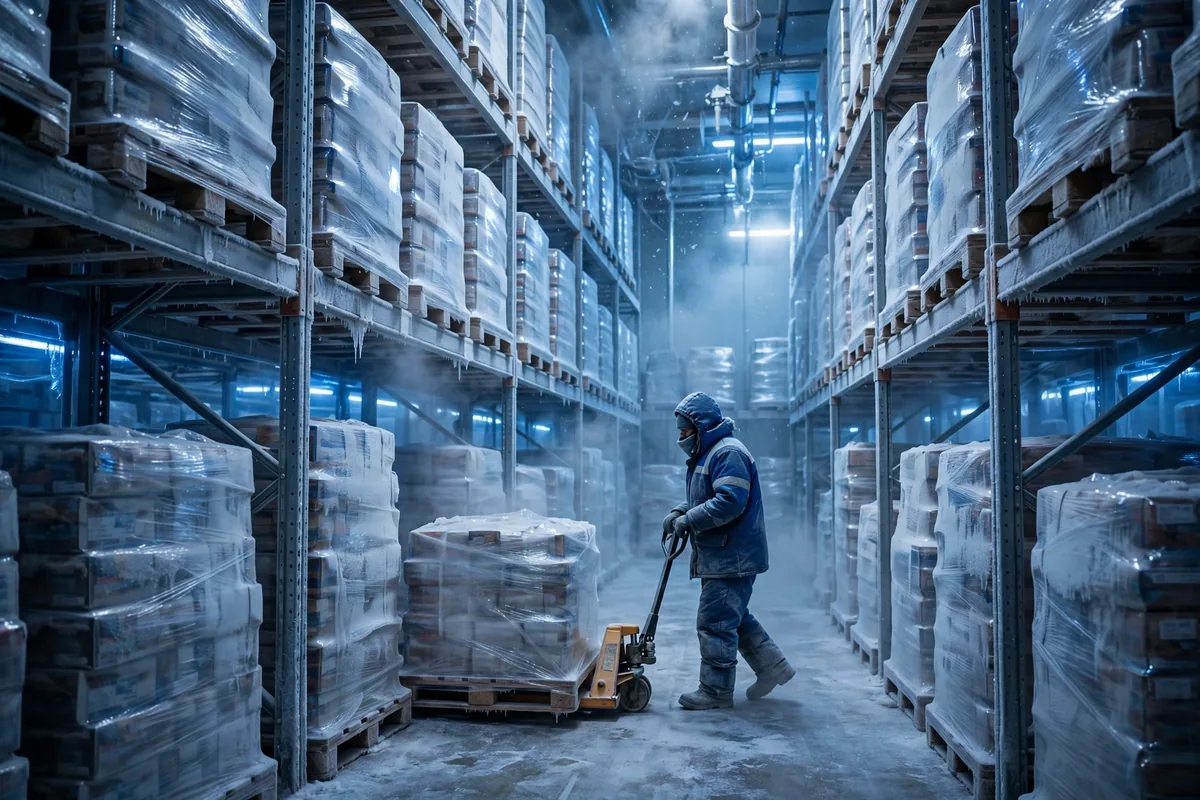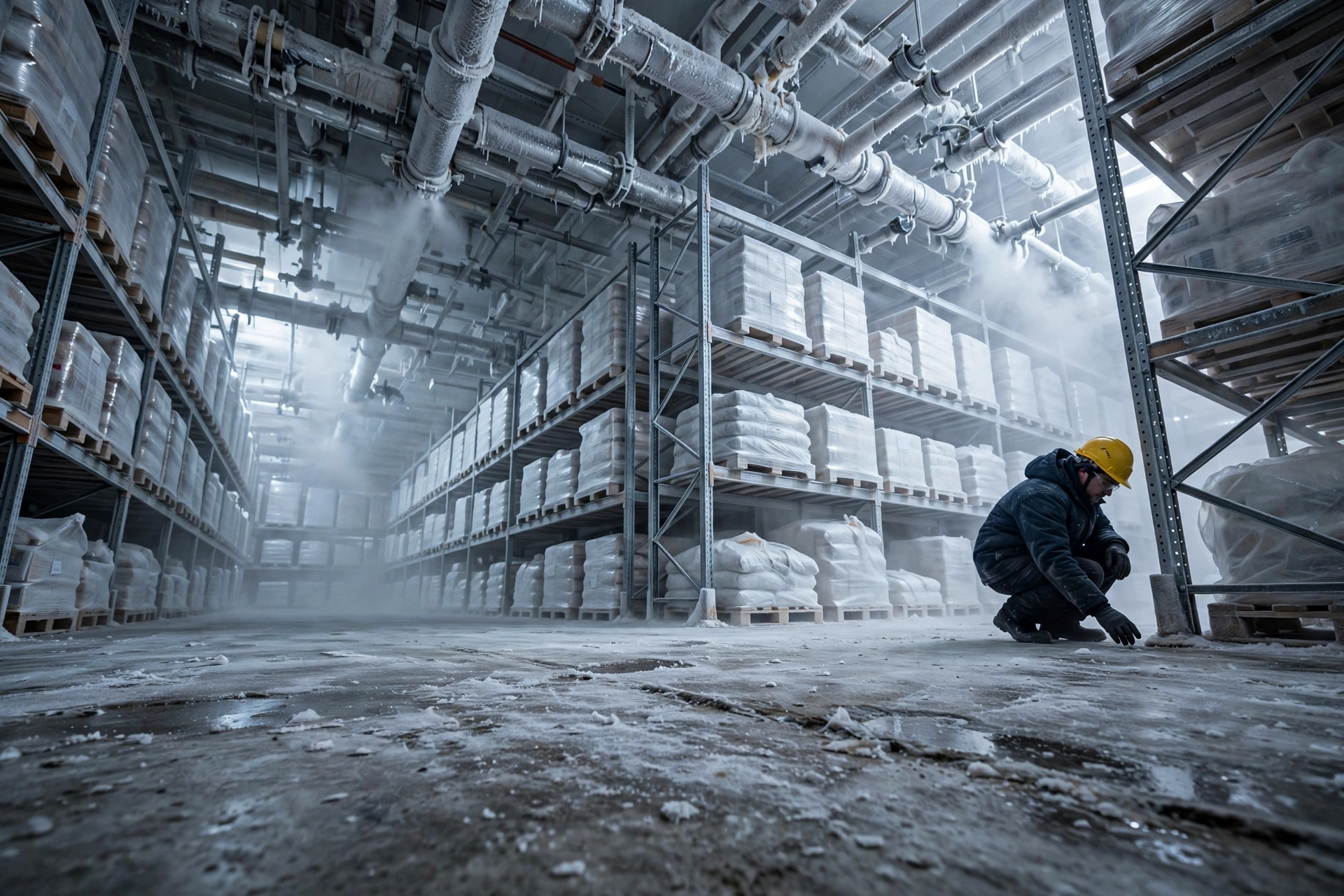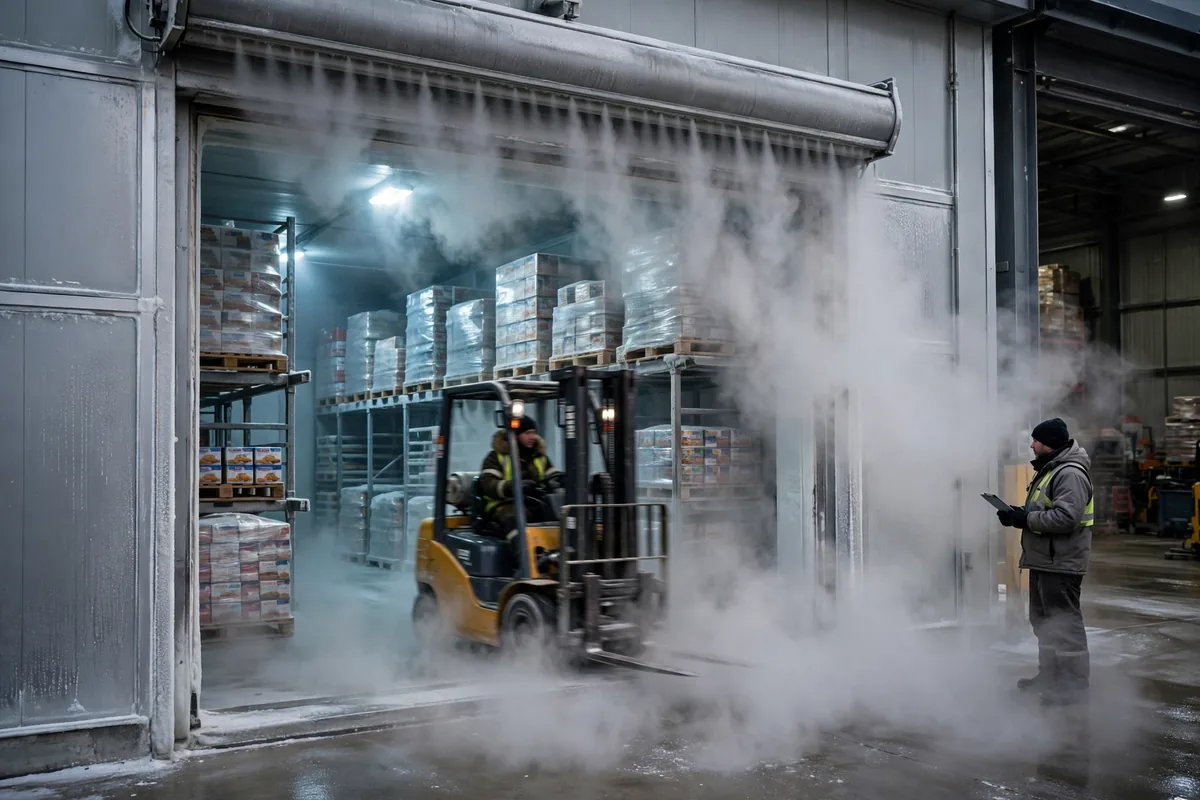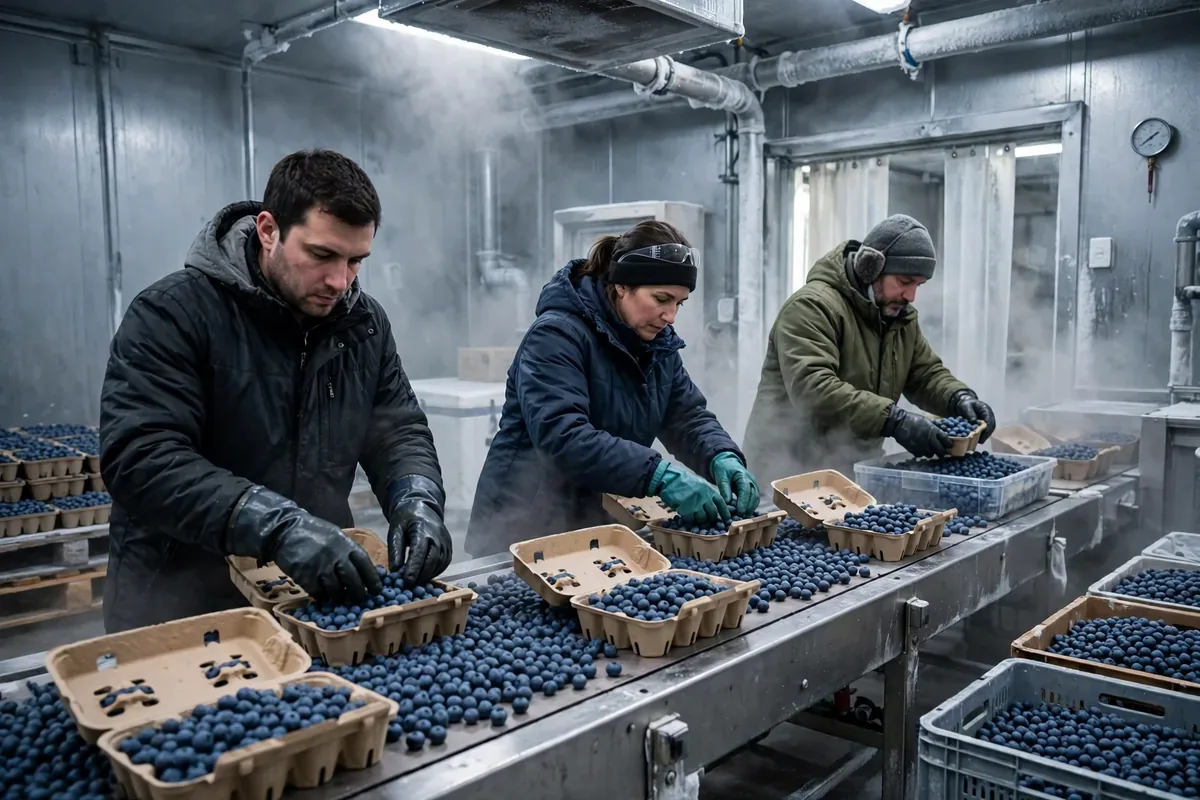
Here is the verdict first: selling Peruvian blueberries into China is not a contest over who grows the sweetest fruit. It is a contest over whose cold chain never breaks. The peru blueberry export cold chain warehouse calculation comes down to one line: once the temperature breaks, value falls faster than freight ever could, while the money spent keeping things cold looks expensive until you spread it across every punnet in the container. I have seen too many small exporters haggle freight down to the last dollar and then cut corners on pre-cooling and reefer boxes, only to have a full container rejected on arrival with no claim worth filing.
Put plainly, blueberries are fragile freight. They keep respiring after harvest, and if the temperature does not come down fast, firmness drops and shelf life shrinks with it. Industry practice is to bring fruit temperature down to around 0°C with humidity above ninety percent before loading, and to hold that cold chain unbroken all the way to the buyer. That is not a number some vendor invented; it is the working consensus the packaging and cold-chain trade has settled on over years of running this lane. Knowing it is one thing. Doing it at every handoff is another. From the packing shed to the port, from the reefer to the vessel, from arrival to distribution, one weak link wipes out everything spent before it.
Pre-Cooling Blueberries at Origin: Get It Wrong and Everything After Is Damage Control
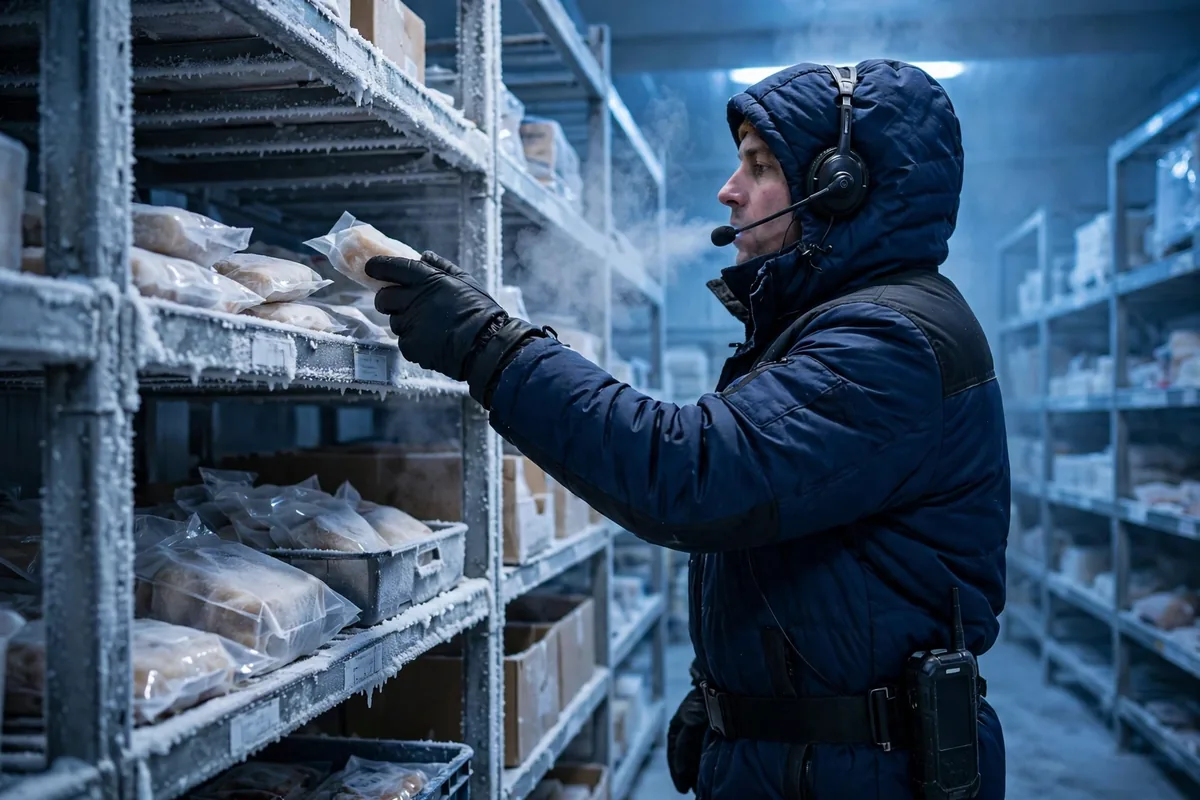
The export season runs mainly in the second half of the year, with September to December as the peak and the early months and August as shoulders. Fruit comes in from the northern coast, around La Libertad and Lambayeque, and the first job at the origin warehouse is pre-cooling. I have seen too many operations treat this step as a formality: fruit picked in the morning goes into the cool room in the afternoon, or it is packed before the temperature has properly come down. It looks like a few hours saved. In reality the fruit's core temperature is still high, and the reefer has to work overtime to pull it down after loading. All the while, the berries are softening.
I know a small exporter who learned this the expensive way in the 2025 season. His fruit quality was good and his buyers trusted him, but pre-cooling at his origin shed ran on feel rather than on a fixed cooling time and a recorded dispatch temperature. One container arrived in China, the buyer's inspection found too many soft berries, and the whole load was discounted. The discount alone would have paid several months of cool-room rent. The worst part, he told me later, was not the money. It was that the money never needed to be lost. Get pre-cooling right and everything downstream runs smoothly. There are two sides to this: pre-cooling is a visible cost, and a broken chain is an invisible one. Most people only watch the first until the second comes calling.
The low-cost fixes for a small exporter are not complicated, and they are the cheapest part of the whole peru blueberry export cold chain warehouse bill: never let a night pass between harvest and pre-cooling; check fruit temperature before packing and only load what meets the target; keep a simple temperature record for every lot, even handwritten. That record looks like pointless paperwork until something goes wrong. In cold chain, if you cannot show the temperature curve, neither the insurer nor the shipping line will take your side.
Callao or Chancay: Judge the Total Cold Chain Bill, Not the Freight Rate
The next decision is which port to use. Callao has long been Peru's main export gateway and handles the bulk of blueberry shipments, while Paita serves the northern growing regions. The 2025/26 season added a new variable: Chancay began handling a share of Asia-bound cargo, and trade reporting put the Chancay-to-Shanghai transit at roughly ten days shorter than the routes previously used out of Callao. Ten days matters for blueberries. It means more shelf life left on arrival, more slack for distribution and retail, and one less reason for a buyer to push the price down.
But there are two sides to that as well. Port choice is not a race over sailing days. It also turns on overland distance from the growing region, reefer availability, and schedule reliability. Fruit from the north faces different trucking times and costs to Callao, Paita, or Chancay, and reefer boxes are tight in peak season. If you cannot secure a box, ten days saved at sea buys you nothing. I have seen too many exporters compare ocean freight alone and forget to add trucking, waiting for equipment, and schedule delays. The total bill ends up higher than the "cheap" option.
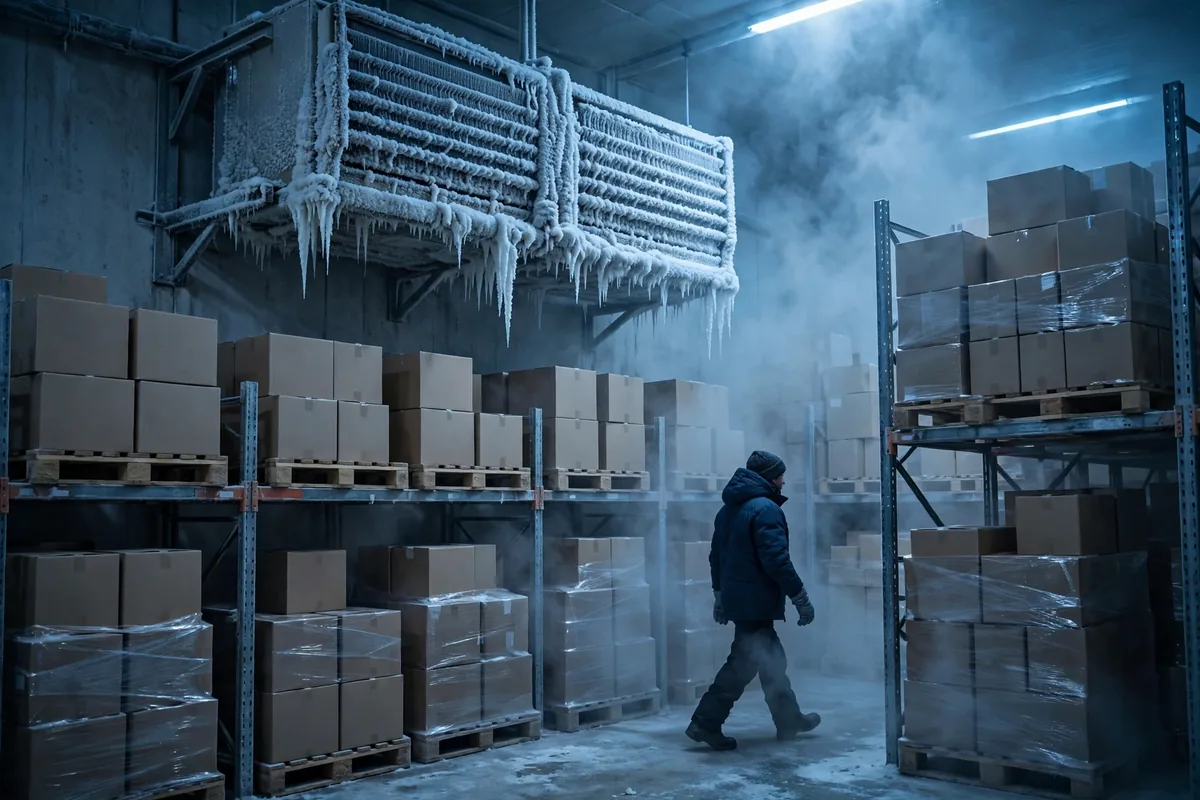
My advice to small exporters is simple: lock in the port and carrier combination before peak season, not when the fruit is already picked; take a direct service where you can, because every transhipment is another chance for the temperature to slip; and book arrival cold storage and distribution before the vessel berths. Do not let the cargo queue outside a port cold store. Port storage looks pricey, but against the value of a full container, it is small money.
What a Broken Cold Chain Costs, and the Bill You Cannot Avoid
A broken chain costs three things. First, the fruit itself: soft berries, mould, poor appearance, and the discount or rejection that follows. Second, time. Blueberry shelf life is counted in days, and some exporters treat 45 to 50 days of shelf life as the floor for a long-haul sea programme. Once transit and distribution eat into that window, the selling window narrows fast. Third, and easiest to overlook, reputation. One bad container can cost you next season's order, and that loss never appears on any financial statement. It is still the most expensive of the three.
This season offered a live example. Heat left fruit too soft for a long sea voyage, and at least one exporter stopped shipping by sea mid-season and switched to air. Air freight costs far more, but the calculation was different: fruit that cannot survive several weeks at sea is a total loss if shipped anyway. Air is expensive, but at least the cargo sells. That is the cold-chain trade-off in its purest form. Freight versus spoilage is never a free choice. You pay either way; the only question is whether you pay in the open or in the dark.
So how should a small exporter judge whether temperature-control spending is worth it? Here is a checklist you can use as written: first, pre-cooling and temperature records are non-negotiable, and that money is not where you save; second, book reefer boxes early, because hunting for equipment in peak season hands control to someone else; third, put a temperature logger in every shipment and read it the moment the container lands, keeping the evidence while it is fresh; fourth, set a firmness threshold for sea versus air, and if the fruit does not meet it, do not force it onto a vessel; fifth, arrange arrival distribution in advance so the cargo never waits at the port.
Put plainly, cold chain is not a contest over who owns the most expensive equipment. It is a contest over who never breaks the chain, and that is the whole point of a peru blueberry export cold chain warehouse calculation. Equipment can be rented, sailings can be changed, records can be backfilled, but once the fruit has gone soft, nothing brings it back. The exporters who make this lane work share one habit: they count temperature control as part of the value of the goods, not as an add-on to freight. So before next season, ask yourself one question: which part of your operation, pre-cooling, temperature records, or port planning, is still running on feel?
By Lao Mi, Supply Chain Veteran (20 yrs)