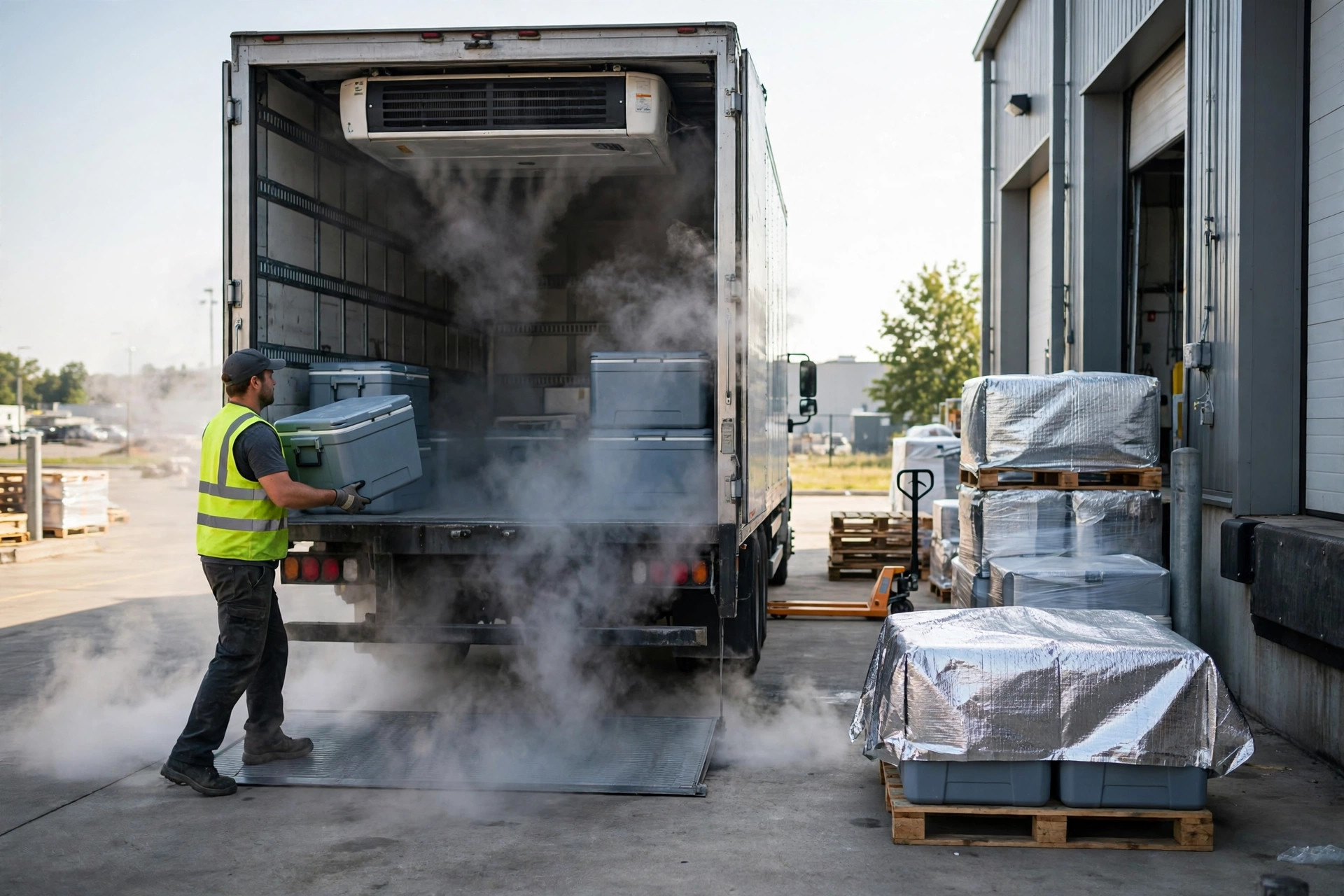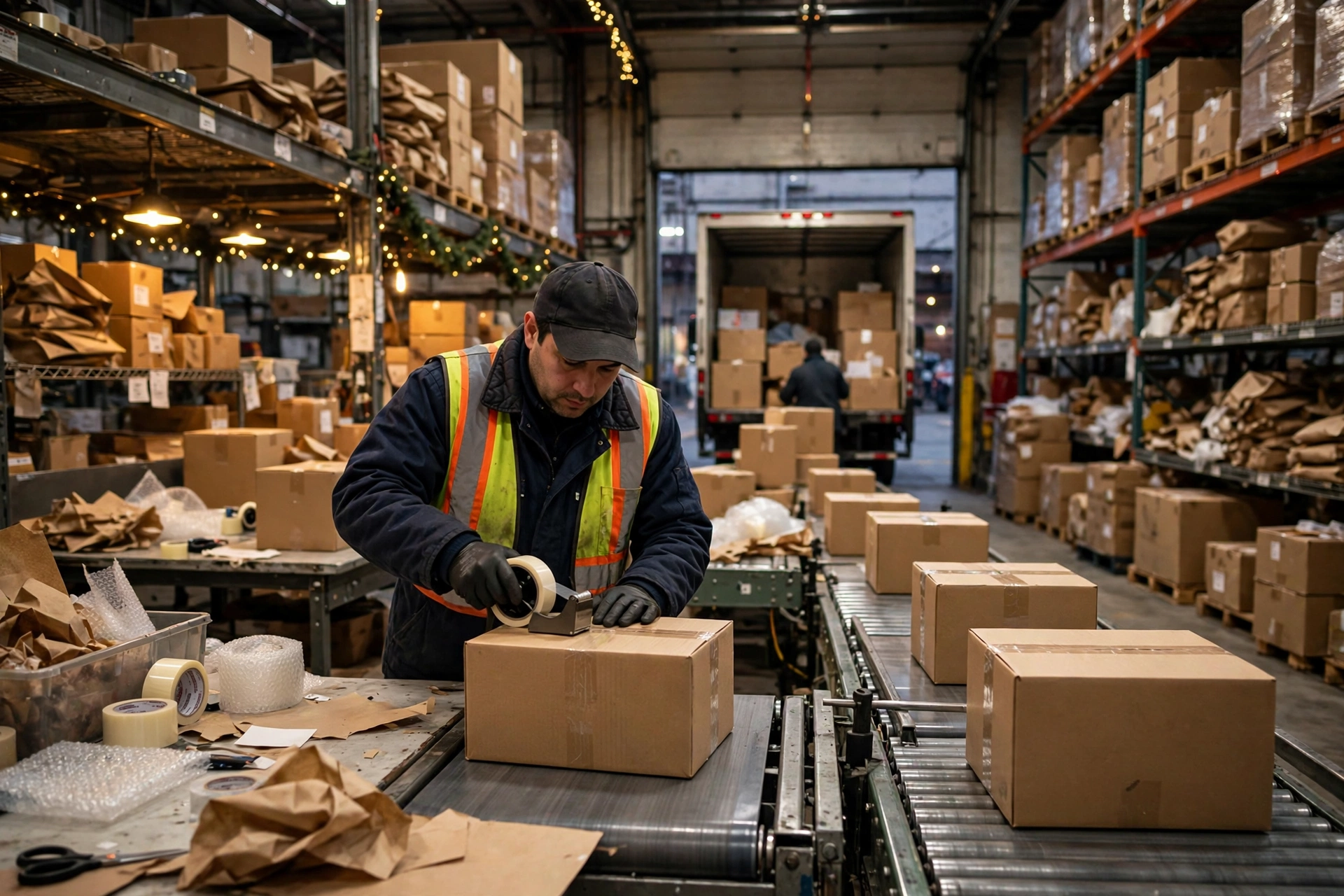
A parcel claim denied is not the end of the road. Last fall I was running a long haul and stopped for fuel at a service plaza in Ohio around midnight. A young fellow was crouched by the front of his truck, on the phone, sounding close to tears. He had shipped a carton worth over $2,000. It arrived with a crushed corner and the goods inside broken. He filed a claim, waited almost a month, and the carrier answered with one line: improper packaging, claim denied. He asked me if there was anything left to do. I said yes, but you have to play by the rules and let the evidence do the talking.
Fifteen years on the road taught me this: plenty of people give up the moment the first claim gets turned down. A denial letter is not a full stop. It is the whistle for round two. When a parcel claim denied lands on your desk, the fight is not about who shouts loudest. It is about whose evidence is complete and who respects the deadline.
A parcel claim denied: the three reasons carriers use most
Denial reasons come in the same few flavors, so let me break them down. The first is improper packaging, and it is the most common. The carrier is saying your box was never strong enough, so the damage is your fault. What do they look at? Photos of the damaged box, whether the inner cushioning was enough, and whether fragile goods had proper padding. If your only photo shows an undamaged outer box, they will turn around and say the inner packaging failed. That round is lost before it starts.
The second is filing too late. Claims have deadlines, and late means no. For domestic insured mail with the United States Postal Service, damage or missing contents must be filed within 60 days of the mailing date. Priority Mail Express lost items can be filed from 7 days after mailing up to 60 days. United Parcel Service gives you 60 days from the scheduled delivery date, not the ship date. FedEx gives you a much wider window for non-delivery: 9 months from the date the package was tendered. Every carrier runs its own clock, so check the carrier's official policy before you assume anything.
The third is weak evidence. If the goods were worth money, you need an invoice, a sales record, or a payment receipt. If they arrived broken, you need photos of the opened box, close-ups of the damage, and the delivery record. Writing "the goods broke, pay me $2,000" with nothing attached convinces nobody. There is also the declared-value trap: if you never bought extra coverage, basic carrier liability may cap the payout around $100 — check the carrier's official policy for the current figure. A $2,000 shipment covered for $100 is not the carrier cheating you. It is the coverage you chose when you saved on the declared value.
Here is a scenario to show how this plays out: in the spring of 2026, a Los Angeles warehouse shipped a carton of lamps to Chicago, worth $1,800. The customer found a cracked shade on arrival, and the warehouse photographed it the same day — but only the outer box, no close-up of the broken shade. The first claim came back denied for insufficient evidence. The warehouse went back with photos of the cracked shade, the inner cushioning, and the outbound weight record, and round two got the money back. One extra photo on shipping day can save you a month later.
After a parcel claim denied, how the second-round appeal works
Appeals start with the deadline, then the evidence. With the Postal Service, you can file a first appeal within 30 days of receiving the denial decision. If that appeal is also denied, you get one more shot within 30 days of the first appeal denial. Most claim decisions arrive within 5 to 10 days, and complex cases can take up to 30 days. Other carriers set their own appeal deadlines, so check the official policy for the carrier in question. The day the denial letter arrives, write the date down and mark the calendar. Miss the appeal window and the best evidence in the world will not help.
Here is my evidence checklist for an appeal, ranked by what matters most. Photos from before shipping are worth the most: the goods in good condition, the packing process, the sealed carton. A full set kills the improper-packaging argument on the spot. Weight records come second: if the outbound weight and the delivered weight do not match, a lost or short shipment has hard proof. Declared-value receipts and invoices come third: they prove what the goods were worth and how much coverage you bought. The delivery record and the receiver's notes come fourth: if the customer wrote "outer box damaged" at signing, those four words carry more weight than a page of explanation.
Keep the appeal letter short. Three parts. Part one states the facts: the date, the tracking number, the value, and what arrived broken. Part two lists the evidence: how many photos, the weight record, the invoice, one item at a time. Part three states the ask: pay the declared value, and say who to contact next if the answer is still no. Firm tone, short sentences, all evidence attached. Carriers process hundreds of appeals a day. The clearer you write, the faster it moves.
One more thing most people miss: round two can be fought by someone else. You wrote the first appeal yourself. For the second, ask a colleague who knows the ropes, a freight forwarder, or even a lawyer to look it over. It is not that your first draft was bad. A fresh pair of eyes often spots the evidence you forgot. A warehouse supervisor I know lost round one on his own, then had his forwarder add a packing video for round two. The money landed within a week.
When a parcel claim denied arrives, is declared value worth the money?
This one needs math, not feelings. A parcel claim denied teaches you the value of coverage fast, usually after the fact. Hypothetical example: a carton worth $2,000. Declared-value coverage is charged as a share of the value, and every carrier prices it differently — check the official policy for current rates. Suppose the coverage costs $30 and pays out $2,000. Skip it, and a loss might pay only around $100 under basic liability. Thirty dollars buys about $1,900 of extra protection. You can do that math yourself.
That does not mean insuring everything blindly. Low-value goods with a low damage rate do not need full coverage on every shipment, because the fees add up over a year. My rough rule: anything over $500 a carton gets declared value, no argument. Below that, look at the damage history — insure the categories that break often, take the chance on the ones that almost never do. Every month, the warehouse should review its claim data: which category gets denied most, which reason shows up most, and then the packing process changes the next month. Claim data is not for getting angry. It is for fixing the process.
My advice to shippers and warehouses is plain. Take three extra photos before shipping: the packed goods, the sealed carton, and the scale reading, all filed under the tracking number. Tell customers to photograph a damaged outer box before signing, and to write the damage in the delivery notes. When a denial letter arrives, do not accept it on the spot. Read the reason, check the deadline, gather the evidence, and file the appeal. And do not skip declared value on goods that deserve it.
That night at the service plaza, I told the young fellow all of this. He messaged me later: his second appeal went in, and the money arrived 12 days later. There is always a road ahead. You walk it yourself, and you gather the evidence yourself.
By Shifu Zhao, Trucking Veteran (15 yrs)