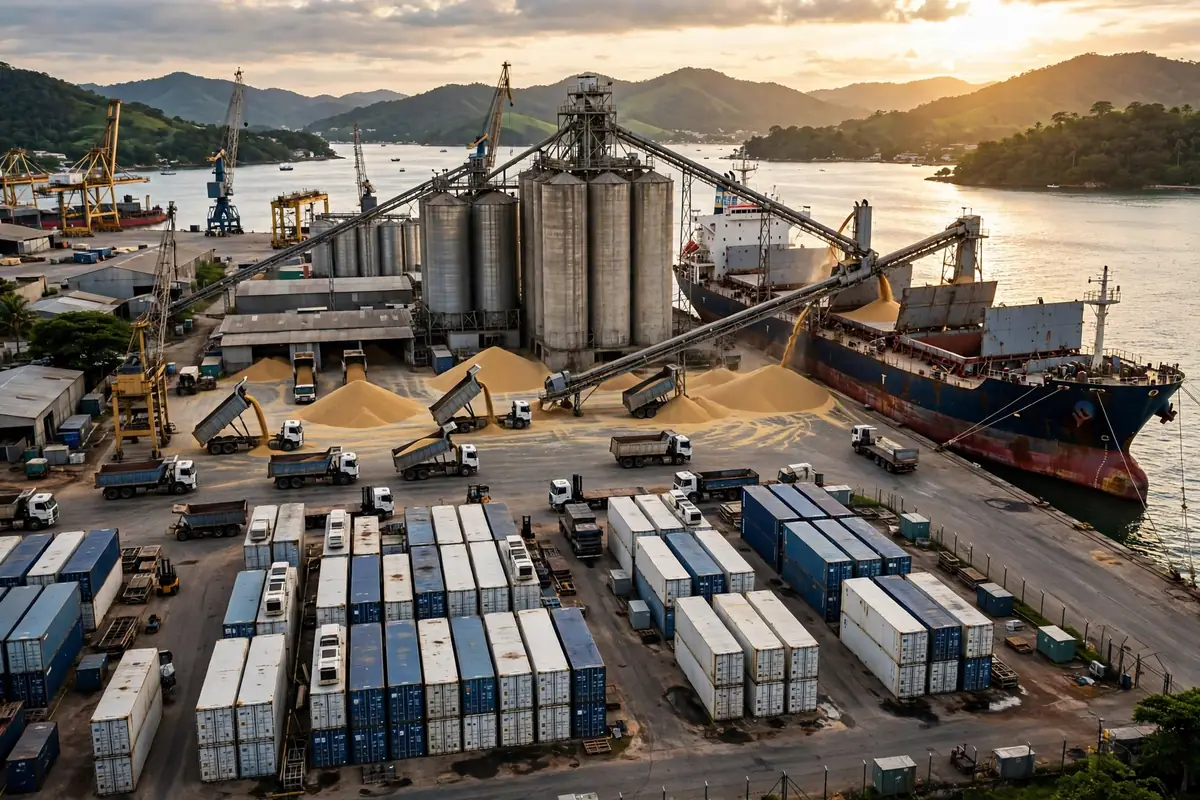
We have a client in the soybean trade who came to Paranagua port for the first time last year and told me, Susan, this is Brazil's number one grain export port, big volumes, plenty of vessels, this has to be easy. Three months later he was back in my office looking miserable. The cargo got out, but the storage and demurrage bill nearly ate half the margin on the whole deal. Shippers always think a port business is about volume. It's not. It's about rhythm — whether your cargo gets into storage on the vessel's schedule and out again inside the loading window. One day off and the math falls apart.
Let's get the fundamentals on the table. The container terminal at Paranagua, TCP, handled 1,558,453 TEU in 2024, up 24 percent, with 10.8 million tonnes of cargo and 992 vessel calls. In 2025 it moved 11.5 million tonnes, up 7 percent, of which 8.29 million tonnes were exports. On grain, the ports of Paraná state exported about 9.41 million tonnes of soybeans in the first seven months of 2024, up 16 percent, and 94 percent of it went to China. Paranagua is Brazil's second-largest soybean export port, behind only Santos, and its number one grain export port overall. That position is interesting: it isn't the biggest container port in the country, but for grain going out to sea, it is the gateway.
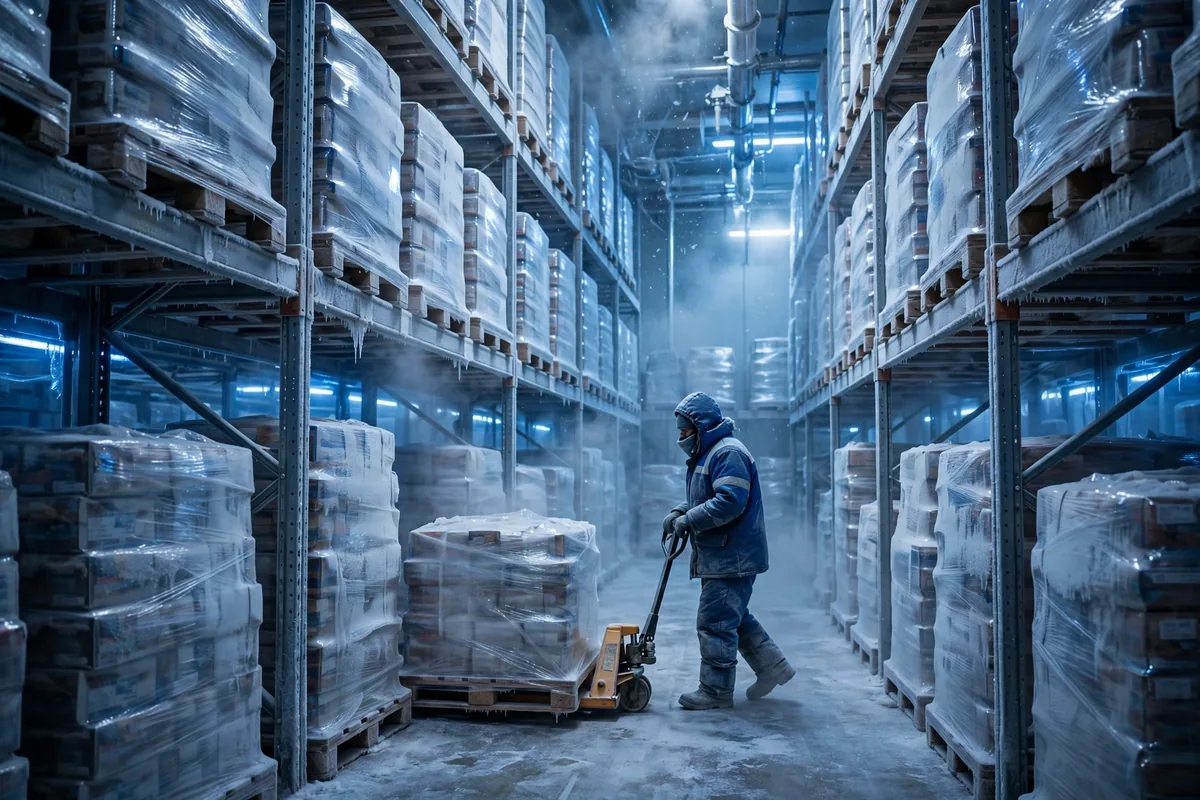
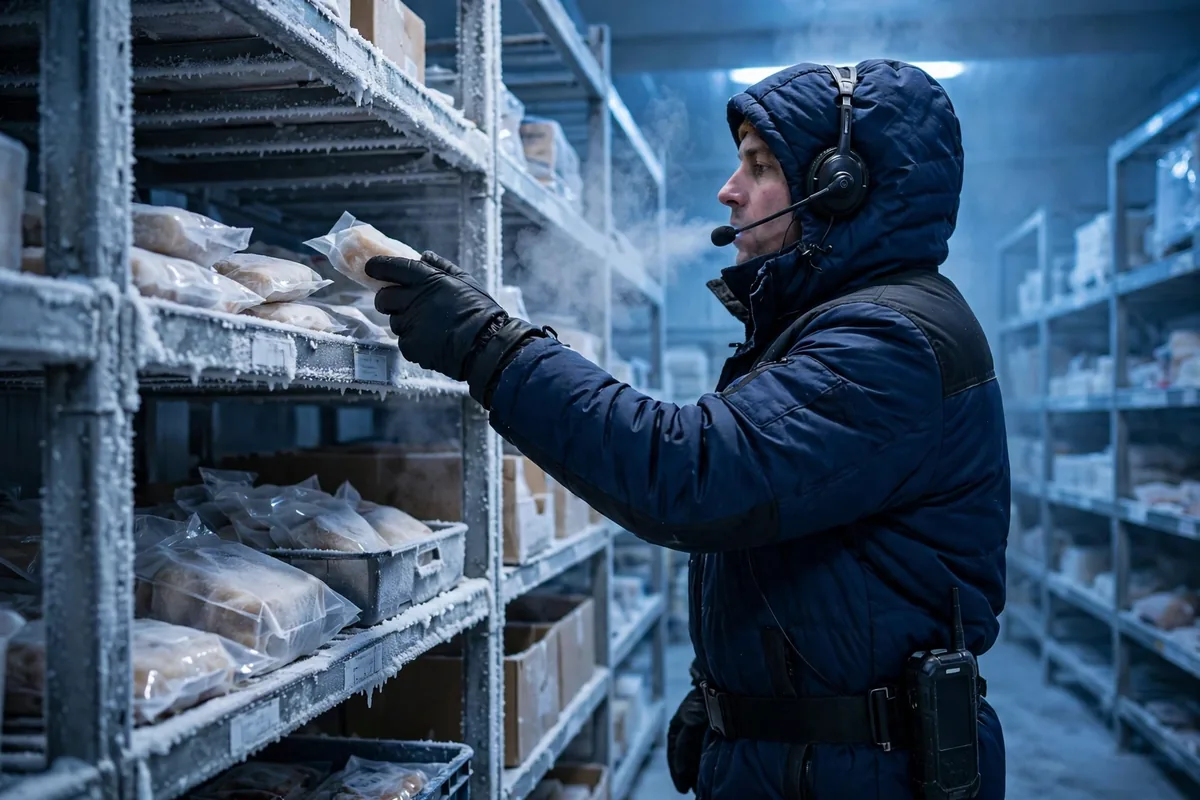
Cold chain is the other line of business, and it's one a lot of people underestimate. Paranagua is the world's largest frozen chicken export channel. In 2024, meat and frozen product exports topped 3.4 million tonnes, and reefer containers hit 266,246 TEU. Frozen chicken isn't high value per container, but the volumes are enormous and the cold chain tolerance is close to zero: plugs, temperature, inspection — if any link fails, you lose the whole box. Add in the channel deepening from a 12.1-meter draft to 13.3 meters, so bigger vessels can call, and the 280-million-dollar expansion investment China Merchants Port announced in November 2025, and you can see where this is heading. This port is turning from a grain gateway into a two-channel gateway: grain plus cold chain.
The soybean business at Paranagua port is a storage-rhythm business
Soybean warehousing runs on a completely different ledger from ordinary cargo. The crop is harvested inland, stored inland, and the port silos and warehouses are only the last leg. Beginners stare at the port warehouse rent and miss the fact that the real cost hides in the rhythm.
Our client's lesson is a classic. He bought in the producing region, trucked the beans to the port, and figured he would load once the vessel arrived. The vessel came two days early, the port silos were already full, and his cargo had to sit in temporary storage outside the port. That meant an extra storage bill, a missed sailing, a rebooked vessel, and a buyer who had to reshuffle production plans — suddenly there was contractual risk on the table. The opposite mistake kills you just as dead: cargo arrives too early, sits in the silo for two weeks, and storage fees charged by the day grind the margin away.
The rhythm of the soybean business comes down to three sentences: keep buffer in inland storage, time the inland transport to the vessel schedule, and treat the port silo as a short stay. A silo isn't a place to hoard cargo. It's a place to transfer it. Truck to silo to vessel, ideally inside a few days — the longer it sits, the uglier the math.
Here's the counterintuitive judgment: most traders think that for soybeans, the bigger the port warehouse and the longer the lease, the better. For a cargo this seasonal, it's the opposite. Brazilian soybean exports have a sharp peak season. When it hits, everyone crowds the port, silo and warehouse prices climb, and berths get tight. In the off-season the port is quiet and rents are negotiable, but you don't have much cargo either. The smart play runs against the grain: lock long-term pricing before peak season, and negotiate flexible short-term space in the off-season. The most valuable clause in the contract is usually not the rent per tonne. It's the guaranteed peak-season space — when the vessel arrives, does your cargo have somewhere to sit? If you can't get that clause, cheap rent is fake cheap.
The reefer business is about plugs and temperature
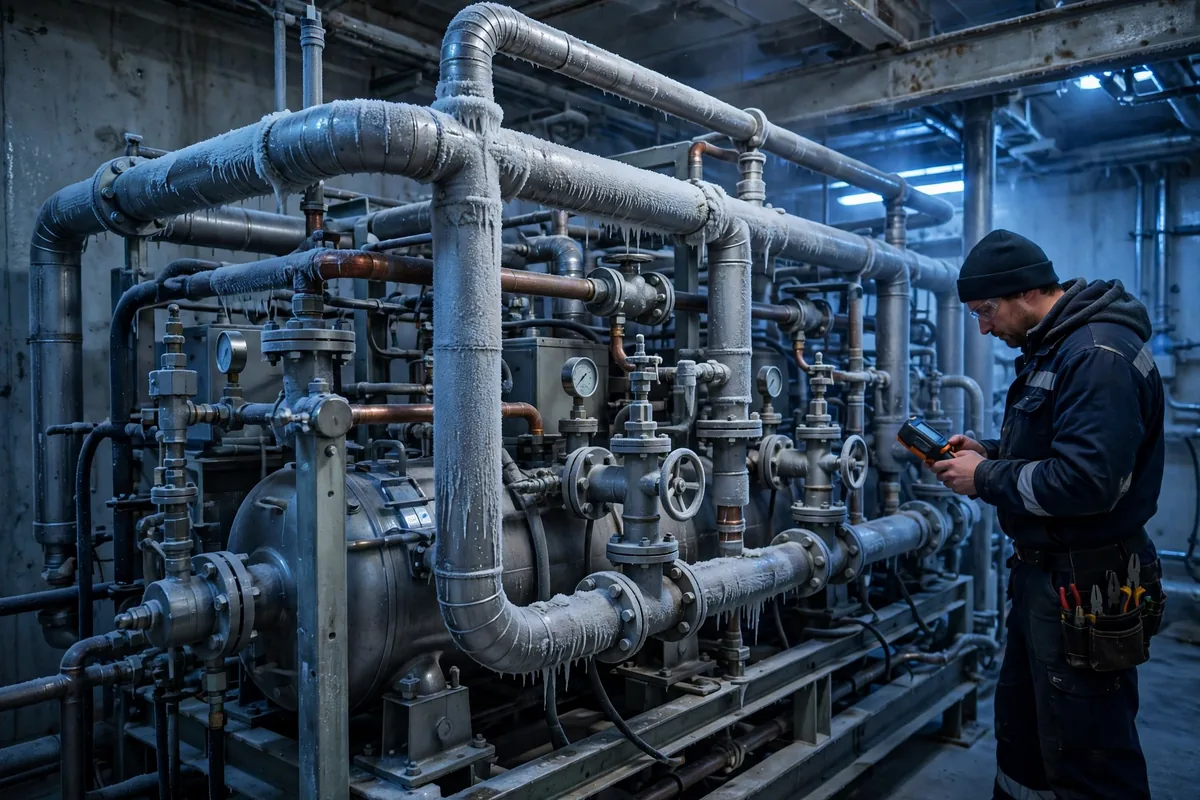
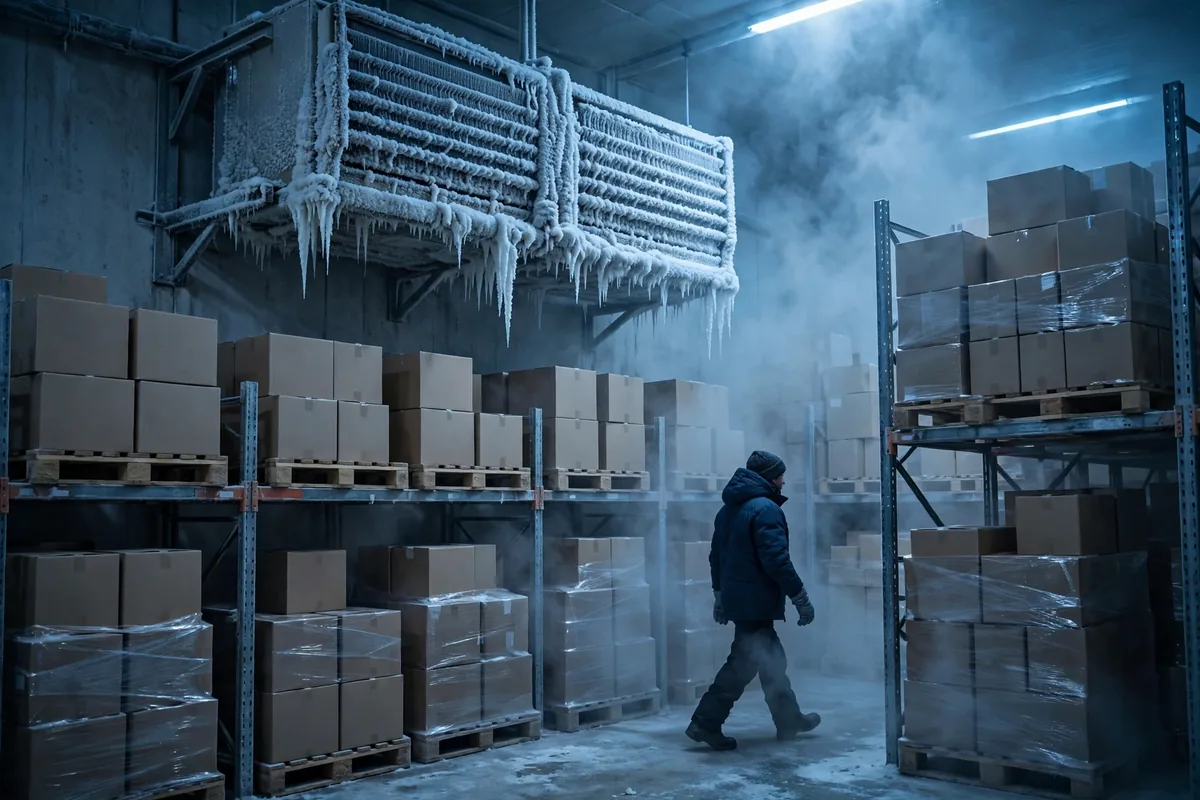
Frozen chicken and frozen products play by different rules again. Soybeans fear waiting. Cold chain fears a break. Reefer containers hit 266,246 TEU in 2024, which means thousands of reefers are plugged in and blowing cold air in the yard at any given moment. Whether there are enough plugs, whether the power holds, whether temperature monitoring actually works — those decide whether your cargo survives to loading.
We have a frozen food exporter client who negotiated a beautiful contract, freight rate and all, and then lost money on a tiny clause: the warehousing agreement said nothing about who bears responsibility when temperatures go out of range. One container sat in the port yard for four days, the temperature log showed a fluctuation, and at destination the cargo claim turned into a two-month argument between the insurer, the carrier, and the yard, with everyone pointing at everyone else. In the end the client absorbed most of it himself. Since then, every cold chain contract I write spells out three things in black and white: who owns the temperature record, the notification deadline when something goes wrong, and how responsibility is split. Only then do we talk price. Shippers love to cut words in places like this. The words they cut always turn back into money.
Choosing a cold chain warehouse has its own logic too. Close to the port is good, but what matters more is whether the warehouse has its own backup power, 24-hour temperature monitoring, and experience handling inspections. Every inspection opens the container and breaks the cold chain once. If the crew is slow, the temperature climbs and doesn't come back down. None of that shows on the rent schedule, and it may not even be in the contract, but it decides your damage rate.
The table below is the comparison framework I use with clients. The figures are a hypothetical worked example for comparison logic only, not real quotes — confirm current local pricing before signing anything:
| Option | Suits | Cost to watch | Negotiate first |
|---|---|---|---|
| Port silo, short stay | Soybeans, soybean meal, bulk grain | Days in storage, loading connection | Peak-season guaranteed space, overtime rates |
| Port reefer yard | Frozen chicken, frozen products | Plug fees, temperature monitoring | Temperature responsibility, notification deadlines |
| Inland producing-region warehouse | Storage, pre-processing | Transport connection, shrinkage | Vessel-schedule linkage, flexible exit |
Once you read that table, you can walk into a negotiation with a clear head. The insider truth from the 3PL side is one sentence: in a port warehousing contract, the rent per unit is the least important number. What matters is the overtime rate, the minimum volume commitment, the peak-season guarantee, and the split of responsibility. Win 5 percent on rent and lose it twice over on overtime rates in a single peak season.
Deciding the Paranagua port trade-off: warehouse versus port capacity
One last thing about trade-offs. Paranagua's capacity is getting stronger: the draft is deeper, bigger vessels can call, and 280 million dollars of expansion investment is on its way. Port throughput will keep climbing over the next few years. But a stronger port doesn't mean your warehousing costs come down. Capacity goes up, volumes follow, and peak-season congestion may not ease at all. It might get worse.
So before you decide, ask yourself three questions. First, is my cargo seasonal or year-round? Seasonal cargo means the contract should weight guarantees and flexibility, not lock you into a year-round lease. Year-round cargo is where long-term agreements pay. Second, does my cargo fear waiting or fear a break? Cargo that fears waiting needs a warehouse near the loading point with fast turnaround. Cargo that fears a break needs power, monitoring, and inspection experience. Third, is my volume big enough to negotiate with the port and the warehouse operator? If not, don't try to carry it alone. Find a reliable local 3PL to consolidate with, or share warehouse space with another shipper, and negotiate once the volume is pooled.
Next time you negotiate a contract, ask these three questions: is my peak-season space guaranteed? How are overtime charges calculated? And if the temperature goes wrong, who is responsible? Get those three answered clearly before you talk rent. If you can't get them answered, whatever rent you negotiate is still a loss.
By Susan, 3PL Sales Director