Paranagua Brazil port warehouse logistics is the kind of topic that sounds boring until a container of yours is sitting in Brazil while the buyer in China is asking where it is. I learned that the hard way. I am an e-commerce seller, not a port operator, and my first brush with Paranagua came through a friend who moves frozen chicken out of southern Brazil. He called me one evening and said, in plain language, that his cargo was fine, his paperwork was fine, and still nothing was moving. The port was busy, the yard was full, and the warehouse he had booked near the gate could not take another pallet. That phone call is why I started digging into this port, and what I found changed how I think about any export gateway: a record-breaking port is not automatically a friendly port for your cargo.
Paranagua Brazil Port Warehouse Logistics Starts With the Port, Not the Warehouse
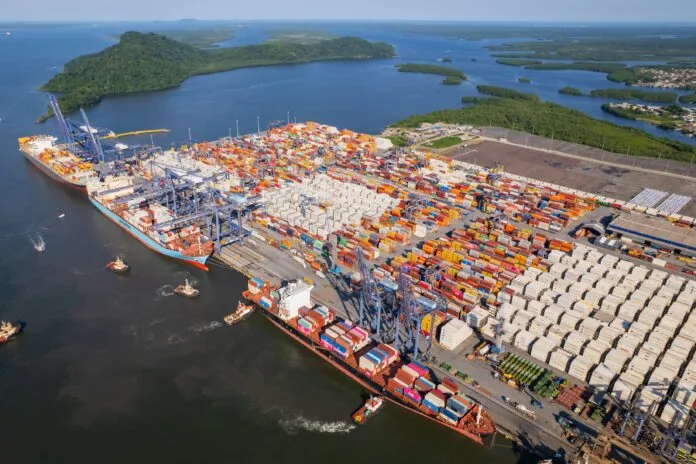
Here is the part most sellers get backwards. They shop for warehouse space first and ask about the port second. In Paranagua, that order will hurt you. TCP, the container terminal, handled a record 1.56 million TEU in 2024, up 24 percent, and followed it with 1.66 million TEU in 2025. September 2026 alone set a monthly record at 152,347 TEU, and the first nine months of 2026 reached 1.279 million TEU, up 4 percent. The channel has been deepened three times, from 12.10 metres to 13.30 metres, and the port runs 23 regular weekly services. Read those numbers together and the picture is clear: this is a port running hot, and when a port runs hot, the warehouse next door is the first thing to get squeezed.
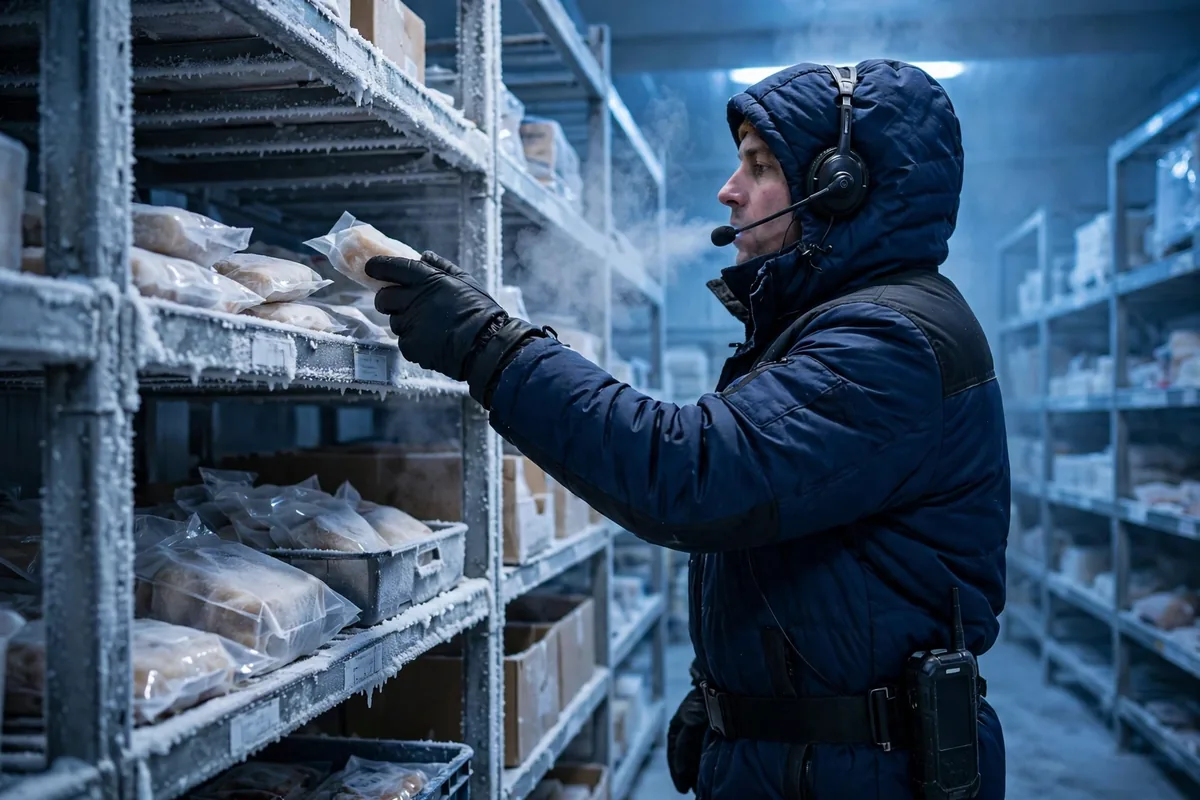
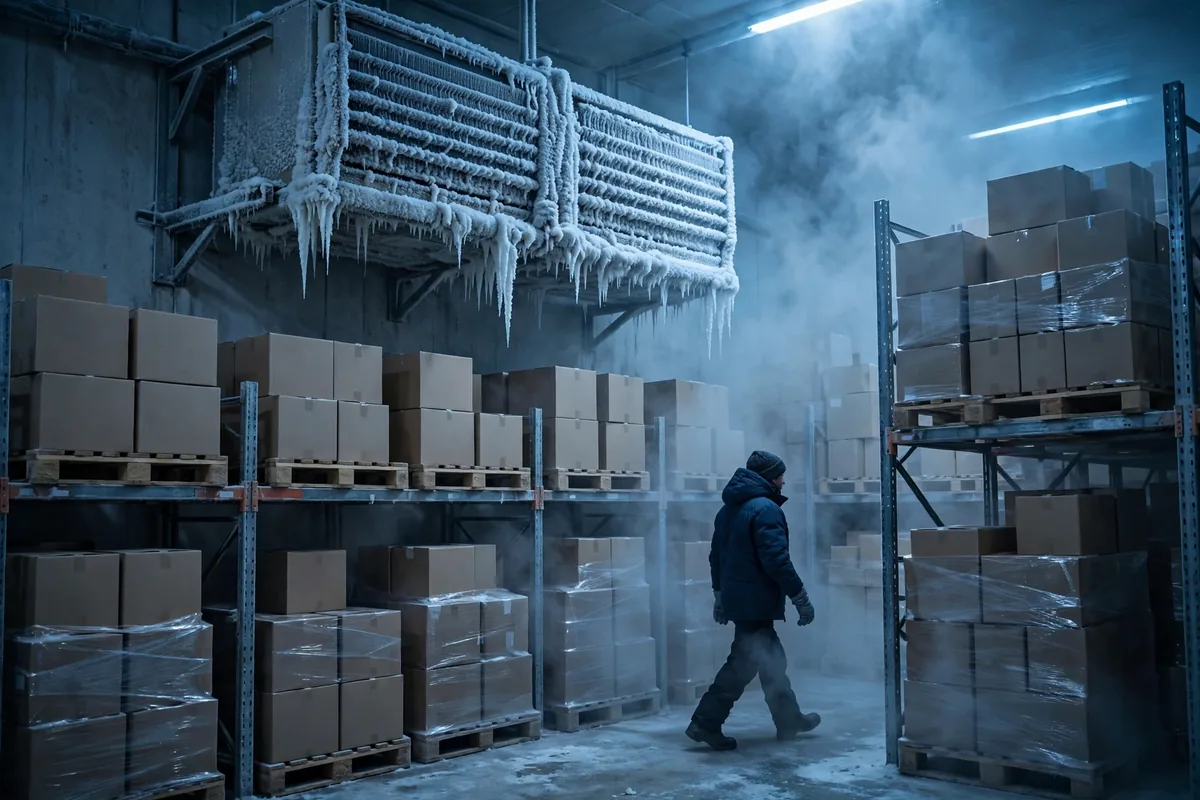
My friend's frozen chicken story makes the point. His cargo was reefer cargo, which means it needed power, monitoring, and a cold chain that does not take a day off. The port is the largest export channel in Brazil for meat and frozen products, with roughly a 39 percent market share, so the cold-chain infrastructure is real. But "real" does not mean "always available." In a peak week, reefer plugs, cold storage slots, and truck appointments all get competed for at the same time. His lesson, which I now repeat to anyone who will listen: book the cold chain before you book the sailing, not after. A cheap warehouse twenty minutes from the gate is worthless if your reefer container cannot get a plug on the day it arrives.
Soybeans, Frozen Meat, Containers: Three Cargoes, Three Different Plays
Paranagua lives on soybeans. About 37.5 percent of Brazil's soybean exports moved through this port, on a January 2024 measure, and 94 percent of the soybean exports from the state of Parana went to China. That is a bulk-cargo world: big volumes, seasonal surges, and a port that bends toward the harvest calendar. If your cargo is soybeans or anything that rides the same seasonal wave, your warehouse plan has to assume the port will be at its busiest exactly when you most need it to be calm. That sounds obvious. It is not how most first-timers plan.
The second cargo, frozen meat, plays by different rules. It is the port's other giant, and the cold chain is the whole game: temperature records, plug availability, and a warehouse that can actually hold frozen goods at the right temperature while paperwork clears. The third cargo is the containerised general cargo that rides TCP's growth, and here the trade-off is the most counterintuitive one in this whole guide. A booming container terminal sounds like good news for a seller, and in the long run it is. In the short run, record TEU volumes mean fuller yards, tighter truck slots, and less slack when anything goes wrong. Growth is good for the port. Slack is good for your shipment. Those two things are not the same.
| Cargo | What matters most | Warehouse play |
|---|---|---|
| Soybeans / bulk-linked | Seasonal surge, harvest calendar | Book capacity early; never assume off-peak space exists at peak |
| Frozen meat / reefer | Plugs, temperature control, cold storage | Confirm reefer plugs and cold slots before the sailing, in writing |
| General containers via TCP | Yard congestion, truck appointments | Build buffer days around the sailing; keep a backup warehouse option |
That table is a decision framework, not a price list. Rates, rents, and tariffs change, so check the latest official policy before you commit to any number. What does not change is the logic: match the warehouse to the cargo's real constraint, not to the cheapest rent on the map.
Paranagua Brazil Port Warehouse Logistics and the Money Math
Let me show you how I do the money math, with a clearly labelled hypothetical example. Suppose a seller is moving a small, regular flow of frozen product through Paranagua — say, a handful of reefer containers a month on a standing basis. The illustrative arithmetic I run looks like this: the cost of one extra day of waiting at the port, the cost of a missed sailing, and the cost of a cold-storage slot booked early but unused. In my hypothetical example, one missed sailing costs far more than several weeks of early-booked cold storage that ends up half-empty. That is the whole point of the exercise. People compare warehouse rents line by line and forget that a single delay can wipe out a year of rent savings.
I use the same hypothetical-example discipline for soybeans. Suppose a shipper moves a seasonal volume that peaks during harvest. The illustrative numbers say the same thing every time: the cheapest warehouse on paper is the one that cannot take your cargo in the peak month, and the peak month is the only month that matters. So my rule is simple. I would rather pay for flexibility I sometimes do not use than pay for a delay I cannot undo. That is not waste. That is insurance, priced in warehouse terms.
What I Would Avoid: Four Pitfalls From Real Shipments
First, do not treat Paranagua like a generic Brazilian port. Its mix — soybeans to China, frozen meat at a roughly 39 percent share, a container terminal growing fast — creates its own congestion calendar. Second, do not sign a warehouse deal without confirming, in writing, reefer plugs and cold storage for reefer cargo, and truck appointment capacity for container cargo. Third, do not plan around a single sailing. With 23 regular weekly services there are options, but only if your warehouse can hold the cargo while you switch. Fourth, watch the ownership news without overreacting to it: Ningbo Zhoushan Port was reported in November 2026 as planning to take about a 10.73 percent stake in TCP for about 157 million US dollars. That is a signal about the terminal's future, not a reason to change your warehouse booking tomorrow.
Here is the counterintuitive judgement I promised: when a port is breaking records, the smart move is to act like space is scarce even before it is. Book early, keep a backup, and treat buffer days as part of the cost, not as waste. Most sellers do the opposite. They see record volumes, assume the port can handle anything, and book the cheapest warehouse at the last minute. Then they call someone like me and ask why their cargo is stuck.
This approach works because it respects what the numbers actually say. TCP is growing, the channel is deeper, the services are frequent, and the cargo mix is concentrated. None of that makes your individual shipment safe. Your shipment is safe when the warehouse, the cold chain, and the sailing are booked as one plan, in that order, with slack built in. That is the trick I tested myself, through a friend's frozen cargo and my own planning since. Good Paranagua Brazil port warehouse logistics means planning the port first, the warehouse second, and the price last. It works.
By Ah K, E-commerce Seller (5 yrs)