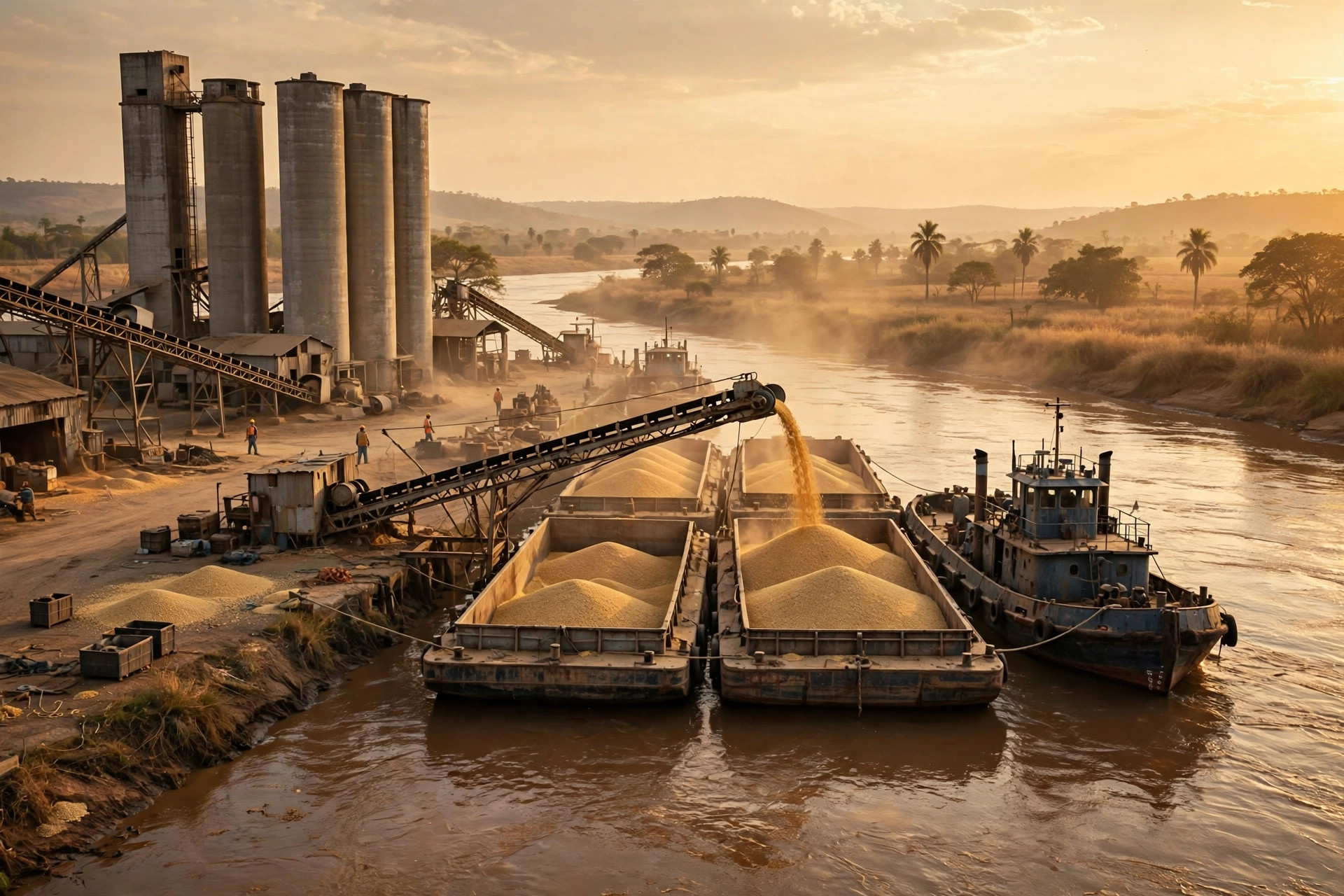
Let me be blunt: in Paraguay soy export warehousing, the warehouse is not the business. The river is. Paraguay has no seaport, so every bean stored inland must travel down the Paraguay and Parana rivers by barge, transfer at Rosario in Argentina, and only then meet an ocean vessel. Store the beans perfectly and miss the barge window, and you will give back every cent saved on storage in demurrage and missed connections. I have seen too many good warehouses lose money this way — not because their silos failed, but because their plan assumed the river would cooperate.
Here is my conclusion up front. Run an inland soy warehouse as a river-port staging warehouse, not as a grain store. Grading, blending, and consolidation must all be finished before the convoy ties up. The barge leg is the most fragile and most cost-determining leg, and the water level is the real schedule — the sailing schedule is only a suggestion.
Paraguay Soy Export Warehousing Lesson One: You Are Storing for a Boat, Not for the Season
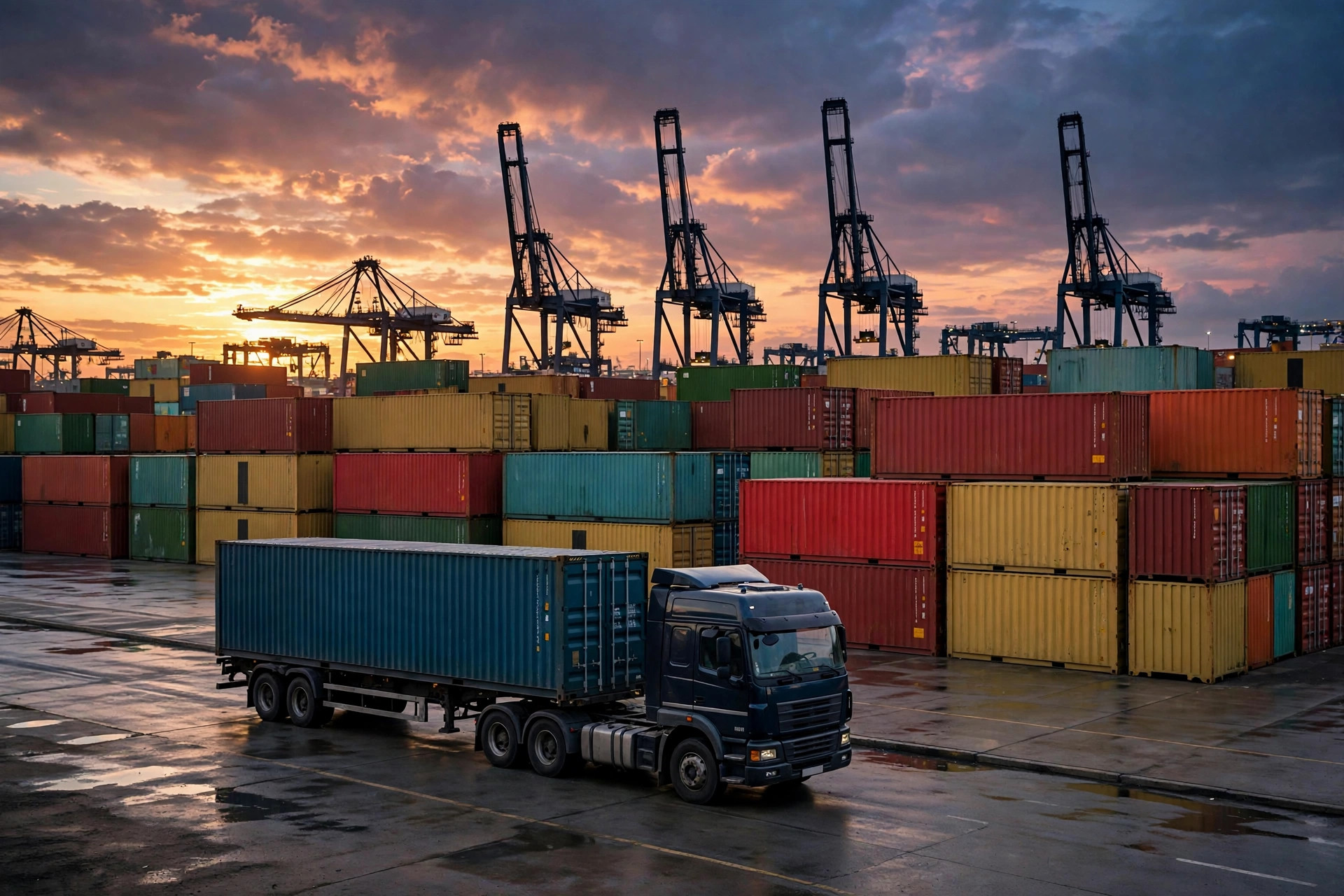
Paraguay is landlocked. Its soybeans travel south on the Paraguay-Parana waterway, roughly 3,500 kilometers long, to the Rosario hub in Argentina and on toward the River Plate ports. Below Rosario the channel is dredged for ocean vessels, about 34 feet deep; upstream it is a barge river, only about 12 feet deep. That single fact shapes everything an inland warehouse does: your cargo cannot skip the barge leg, and how much each barge carries is decided by the river, not by your loading plan.
A few years ago I walked a river-port warehouse south of Asuncion whose owner was proud of his silos: big capacity, fast intake, clean outloading. But talking barges changed his face. The rains had come late, the river stayed low, and convoys had to light-load. The warehouse was full, the port was waiting, and storage and financing costs kept climbing. Nothing in the warehouse had broken — the plan had, because it assumed "load when the boat arrives" instead of "load only what the water level allows."
Look at it from both sides. On the upside, a barge convoy moves a huge volume in one movement, which suits soybeans and keeps unit costs attractive at normal water levels. On the downside, its capacity is brutally inelastic: when the water drops, capacity falls in chunks, and convoys can queue at shallow stretches waiting for a release of water. A coastal warehouse worries about vessel schedules; this one worries about the river itself.
So plan intake backwards from the barge. Before filling the warehouse, get three answers from your barge operator: which stretches will be draft-restricted in the next four weeks? What is the latest date this cargo must reach Rosario to meet its ocean connection? If the convoy light-loads, where does the second sailing come from? Unanswered, those three mean: do not rush to fill every silo — a full silo only moves risk from the quay into your own yard.
The Trap I Watched Happen: Grading Left Until the Barge Was Already There
The second trap is the one experienced operators fall into: grading.
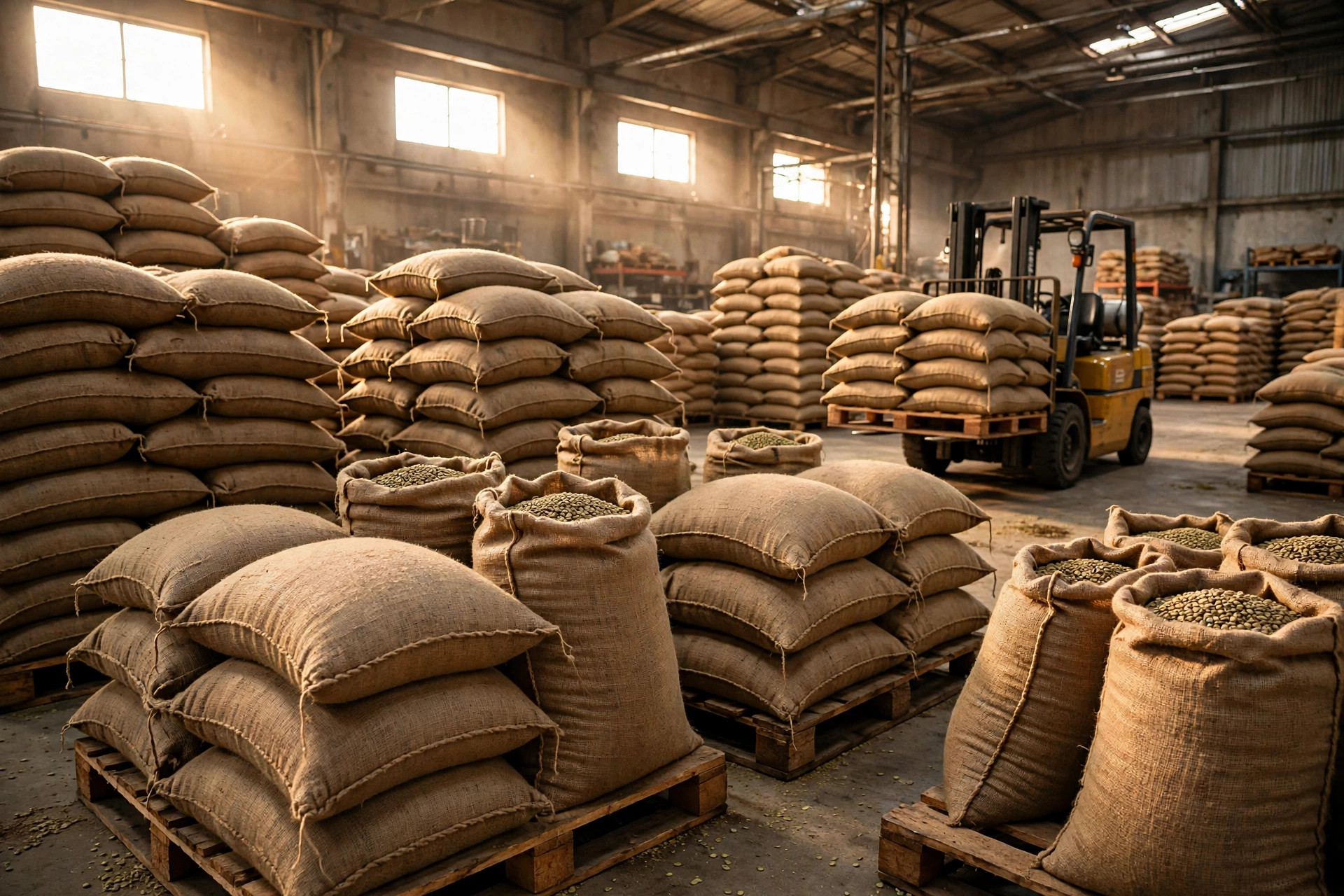
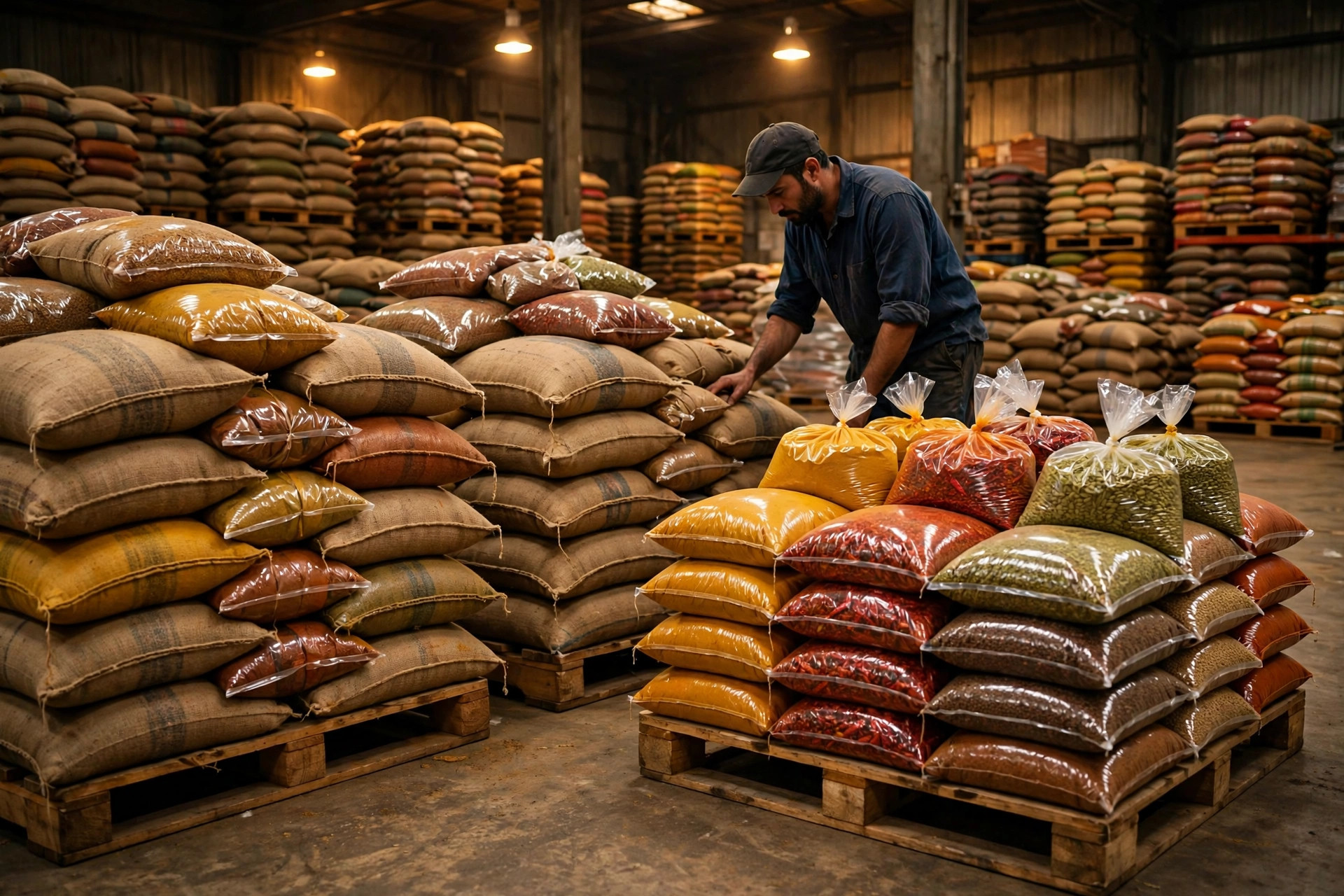
Soybeans are not one product. Moisture, impurities, and damage vary by field and by lot, and a buyer contract has grading lines with real consequences — discounts, rejection, or re-blending. Plenty of inland warehouses still work on a "take it in now, sort it out later" basis, only grading when the barge arrives. That sounds efficient. It is actually the most expensive way to work: a loading window lasts only days, the loader runs continuously once it starts, and sorting on the quay means paying for a grading mistake with vessel time.
I watched one warehouse pay exactly that price. Part of a shipment came in wetter than the rest, and the problem only showed up in pre-loading checks after the convoy had berthed. The crew pulled off-spec lots out while pulling replacements from other silos, the sailing slipped, and the port transfer window nearly slipped too. The labor saved by skipping up-front grading did not cover a single day of delay.
Here is the counterintuitive judgment: an inland warehouse competes not on capacity but on certainty at outloading. The buyer does not care how big your warehouse is. They care whether every barge lot is the same grade, the same quality, and on the day promised. My rule is simple: grade on the day the truck arrives, never mix grades in one silo, and write the loading plan — which silo, how much, in what order, with what reserve — before the convoy arrives. When the boat ties up, you execute the plan. You do not improvise.
The Paraguay Soy Export Warehousing Barge Math: Half-Loaded Is Not a Discount, It Is Double
Now the money. I will not invent a freight rate for you: rates change by season, route, and operator, and any number printed today would be wrong next quarter. Instead, here is a costing framework that stays true — drop your own quotes into it.
Start with a documented dry-season episode. In a severe low-water year, more than 150 barges loaded with soybeans were reported stuck for over 50 days, and the Itaipu hydropower plant had to release water to get traffic moving. Other dry-period reporting describes barges running at roughly half capacity under draft restrictions. The arithmetic of half-loading is straightforward:
| Situation | Sailings needed for the same cargo | River-leg cost per ton (illustrative index) |
|---|---|---|
| Normal water, full load | 1 convoy | 100 |
| Low water, roughly half load | About 2 convoys | About 200, before waiting time, re-scheduling, and port-connection costs |
| Diverted to trucks | Many truck trips | Usually higher per ton, and exposed to road and border-crossing pace |
Those index numbers are not quotes; they show the shape of the cost. Light-loading does not make freight "a bit more expensive" — it roughly doubles the river leg. Then comes the second layer: a cargo split across two sailings reaches Rosario at two different times, and the ocean vessel may only wait for the first lot. The second lot either sits at the port or changes vessels.
So assume splitting from the start: ship the most grade-certain, most urgent lot first, and agree with the transfer terminal in advance on a "split arrival, split transfer" window. Smaller shippers should consolidate with neighboring warehouses or cooperatives — but settle the rules first: common grading standards, cost sharing, and who bears delay. Consolidation fails most often not because volumes are small, but because standards differ; three shippers' beans in one convoy, with no agreement on whose lot is whose at discharge, guarantees an argument over discounts.
One more connection people overlook: much Paraguayan soy goes to Argentine crushing plants around Rosario, and some transfers to ocean vessels. Separate those destinations at outloading — different convoys, documents, and lot records — because a mixed document set becomes delay and fines at a cross-border transfer.
When the Water Drops, Rewrite the Warehouse Plan
Finally, risk — because the biggest risk here was never the equipment. It is the river you do not control.
Beyond low water, the river has a sediment problem: reporting has described Rosario-bound barges delayed by sediment near a tributary mouth, confirmed by shipping and crushing chambers in both countries. Sediment follows no season — it can appear on one stretch without warning, and by the time you hear about it the convoy is already queued. So daily water-level and navigation notices belong in the warehouse routine, and "loadable volume over the next two weeks" should be a formal number, not a feeling.
I recommend running the warehouse plan in three gears. Normal: load full, sail as planned. Caution: light-load early, split the cargo, and reserve the second sailing before you need it. Standstill: stop sending cargo to the quay, hold it in the warehouse, and tell the buyer and port immediately that dates will move. Most operators resist standstill gear — until they are the last one to call. Telling a buyer three days early that arrival may slip is a completely different conversation from telling them on the day it slips.
One honest note on the big numbers. Paraguay's output and exports move every year. United States Department of Agriculture estimates at the time put the 2024/25 crop at about 10.2 million tonnes with exports around 6.4 million tonnes, and forecast higher figures for the following season — but always check the latest official data before signing a contract. Plan on this year's actual harvest and water level, not on "roughly what happened last year."
I will end with advice, not a slogan. In a country with no seaport, the warehouse is not the destination. The river is. Build your warehouse as an extension of the river — grade, consolidate, and watch the water before the boat — and your cargo stands a chance of traveling smoothly from inland silo to ocean vessel. Miss those three, and even the biggest silo is just a container full of risk.
By Lao Mi, Supply Chain Veteran (20 yrs)