Here is my verdict up front: in paraguay beef export, the money is not made on the ranch or at the slaughterhouse. It is kept in a cold chain that never breaks. Keep the chain intact and beef becomes foreign exchange. Break it once and a whole container loses its value. USDA's Foreign Agricultural Service forecast in September 2024 put Paraguay's 2025 beef exports at about 450,000 tons carcass weight equivalent, production at about 560,000 tons, slaughter at about 2.3 million head, and average carcass weight at 244 kilos. That is real volume. But before any of it reaches the sea, it has to clear a hurdle most exporting countries never face: Paraguay is landlocked. There is no coastline.
I have seen too many people do this math only as far as the cold storage door. A friend of mine in the South American frozen meat trade rented cold storage right next to a slaughterhouse outside Asuncion, figuring that being close to the source was the advantage. Pre-cooling after slaughter did not keep up, the deep temperature of the carcasses never came down, and the container temperature looked fine at loading. At the destination the surface of the meat was already sticky. The buyer docked the price, filed a claim, and sent the container back. One round of that wiped out the profit on the shipment and left him paying freight on top. Put plainly, the cold chain for beef export does not start at the cold store. It starts in the first minute on the slaughter line.
Paraguay Beef Export Breaks First at the Slaughterhouse, Not the Port
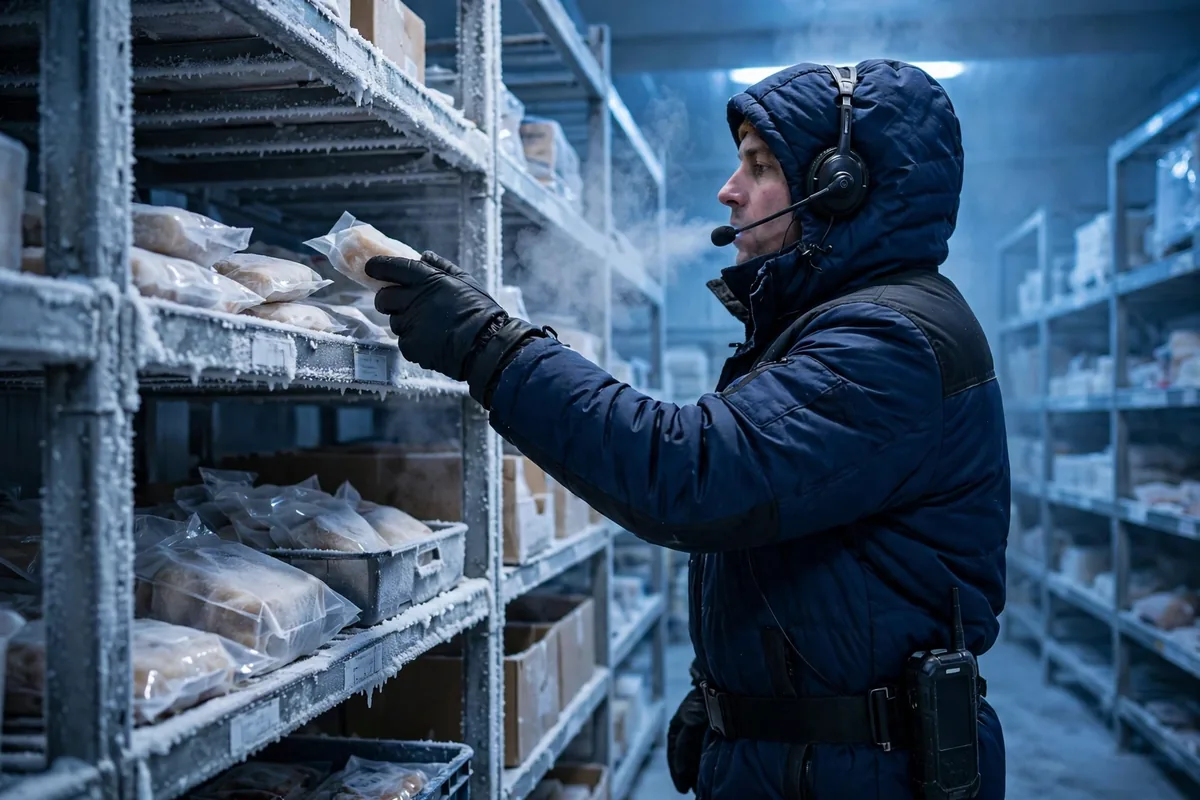
Carcasses have to be pre-cooled fast, with the goal of pulling the deep temperature down toward zero. Chilled meat is generally held at 0 to 4 degrees Celsius, and frozen meat at minus 18 or below. Those are industry baselines, not one company's house rule. Slow pre-cooling means bacteria multiply, juices run out, and the meat darkens, and no amount of spending later in the chain buys that quality back. A cold store needs separate temperature zones: a pre-cooling room, a cutting room, a chilled room, a frozen room, each run at its own setpoint. One big room at one temperature is not a plan.
Cutting and packing matter just as much. Most exported Paraguayan beef is frozen boneless beef in vacuum packs. A weak vacuum or a crease in the seal becomes an oxidation stain after months in frozen storage. Grading matters too: primal cuts, trimmings, and by-products get stacked separately and held at their own temperatures. Mix them together and you are manufacturing your own problems.
This cuts both ways. Chilled beef sells at a premium but has a short shelf life and high risk. Frozen beef sells for less but survives long hauls and waiting ships. Frozen boneless beef is the bulk of the trade, and chilled is a small slice. The European Union takes only about 2% of Paraguay's beef exports, yet it holds a 1,000-ton annual quota for premium chilled cuts at high prices, which justifies a dedicated chilled line. But if your chain cannot even hold minus 18, forget the quota and get the frozen business right first. Chile takes roughly 40% of the exports and is the biggest buyer. The United States reopened to Paraguayan beef in December 2023 and had bought about 19,000 metric tons of frozen boneless beef by the end of 2024. More markets mean less room for error, because every buyer inspects to a different standard.
Where the Cold Chain Breaks, the Money Leaks
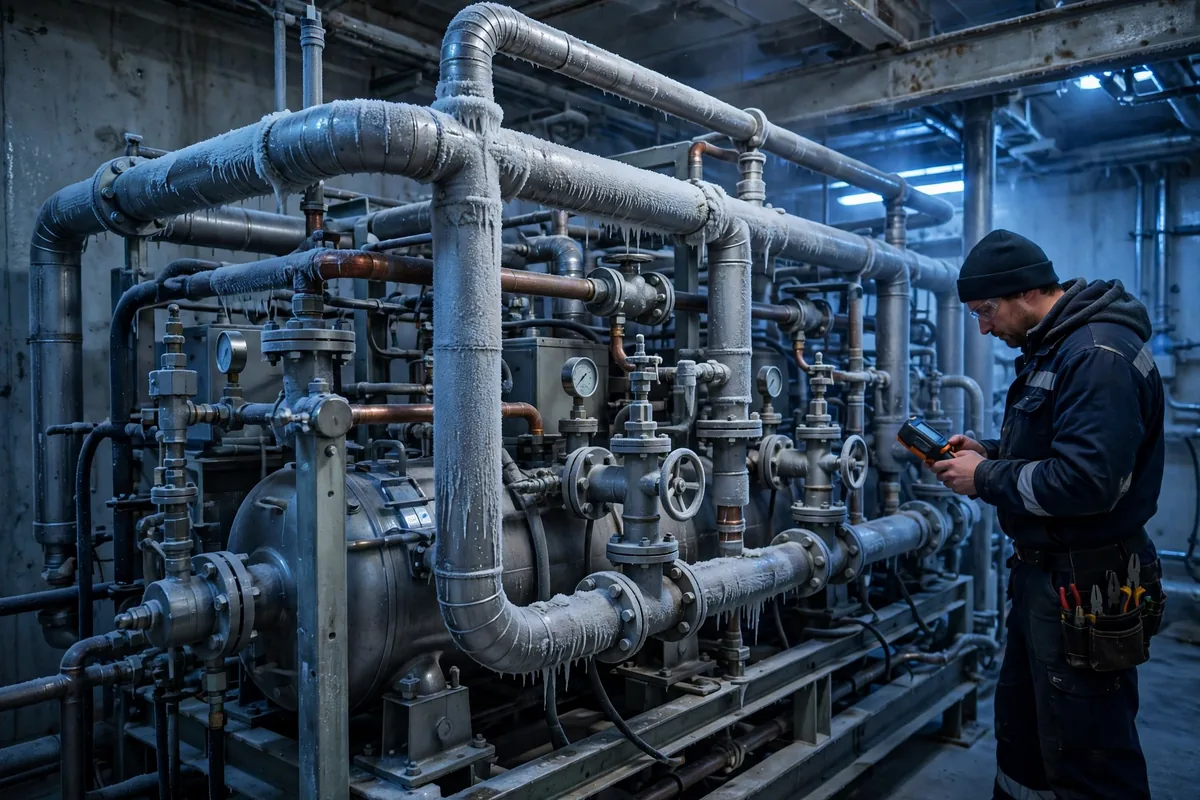
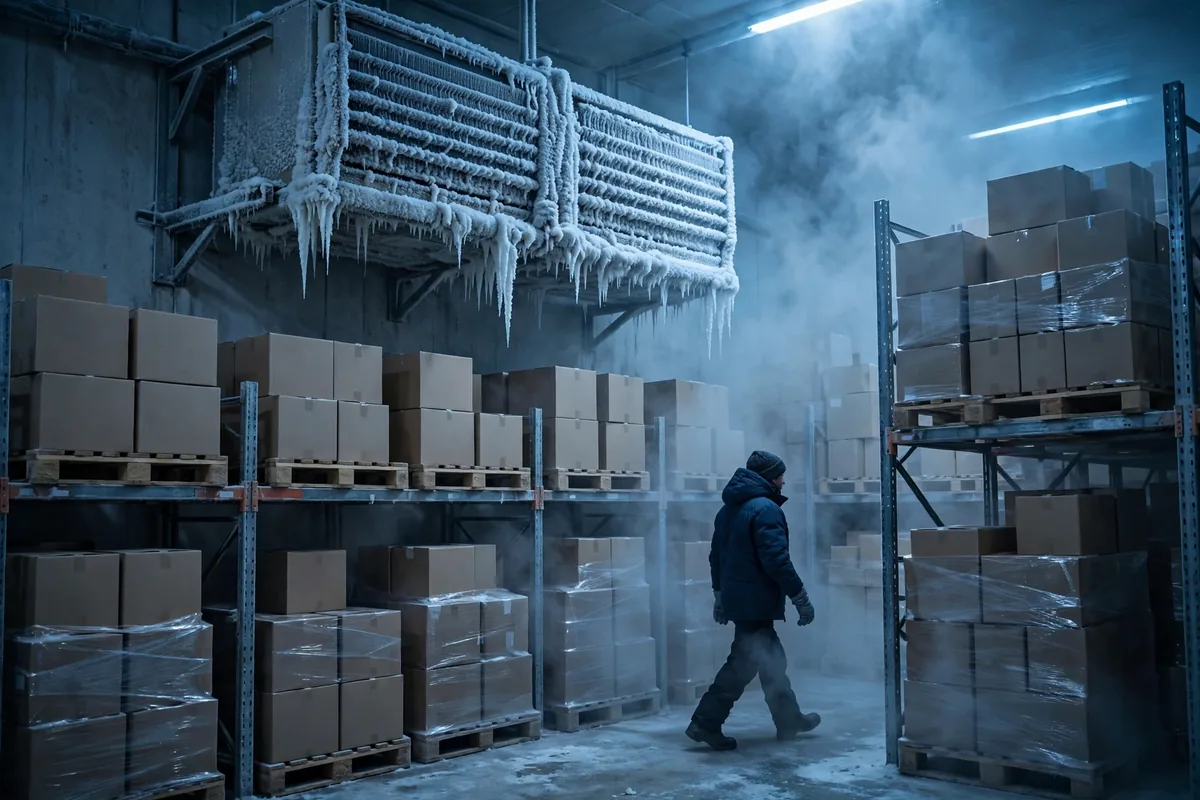
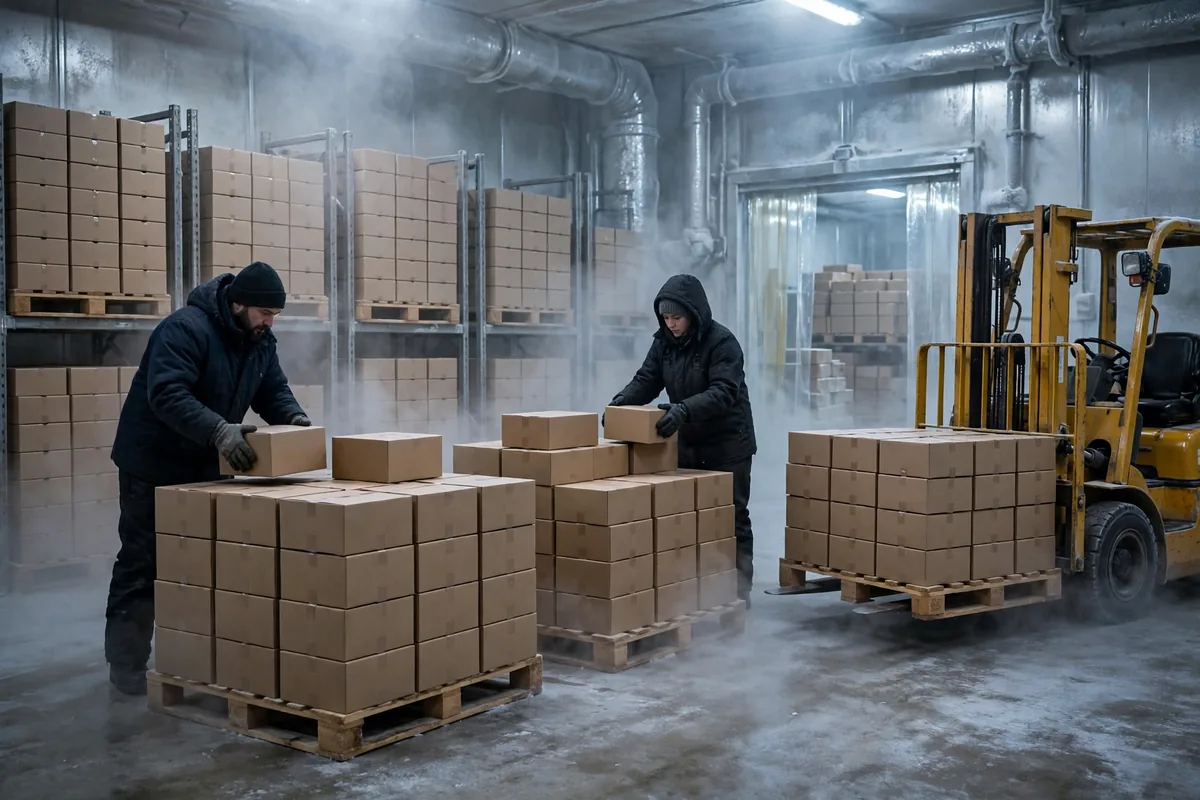
There are three break points between the slaughterhouse and the port. The first is the short haul from slaughterhouse to cold store. Run it in an ordinary truck under a tarp instead of a reefer, and the meat warms by two or three degrees. The surface looks fine. The bacteria count has already climbed. The second is the cold store door. At peak receiving and dispatch, the door stands open, cold air pours out, the room temperature swings, and frozen meat thaws and refreezes at the surface, losing quality a little at a time. The third is waiting for the ship at the port. A landlocked country's cargo moves down the Paraguay-Parana Waterway by barge to Buenos Aires or Montevideo, then transfers to an ocean vessel. World Trade Organization data puts about 71% of Paraguay's exported goods on that waterway. In the dry season the river runs low, barges load light, and sailings slip by days. During the shipping chaos of 2021, industry voices said the Asuncion-to-Europe run stretched from 40 to 42 days to as much as 60. A reefer sitting at the port for an extra week means power charges, storage fees, and schedule penalties stacking up.
I have seen too many people treat the port as the finish line, as if loading the ship ends the job. It does not. Before loading, inspect the container: temperature, refrigeration unit, door seals, vents. One failed item means swapping the box. Pre-cool the reefer to minus 18 or below before loading; stuffing warm boxes into a warm container turns the cargo into the cooling source. Leave air channels when stacking. Pack it too tight and cold air cannot circulate, leaving the door end and the far end degrees apart. At the destination, the buyer opens the container and reads the temperature logger curve first. One spike on that curve and your bargaining power is gone.
Paraguay Beef Export Math Starts With the River Level
Here is a hypothetical worked example. Assume one 40-foot reefer holds 25 tons of frozen boneless beef. At Paraguay's average export price of $4,831 per ton in the first seven months of 2024, that container is worth about $120,000. Reefer ocean freight plus river barge, port storage, cold storage, short-haul trucking, insurance, and inspection add up to roughly a fifth of the cargo value per container. And every failure is priced in real money: one spike on the temperature logger, a 5% price cut from the buyer, and $6,000 is gone from a single container. One rejected container means freight paid for nothing and cargo sold at a discount.
| Stage | Where the money goes | Where it gets lost |
|---|---|---|
| Slaughter pre-cooling | Pre-cooling and cutting room energy | Slow cooling, dark meat, drip loss |
| Cold storage | Zoned storage, door discipline | Open doors, temperature swings, freeze-thaw |
| Short-haul trucking | Reefer trucks, temperature logging | Ordinary trucks, meat warms up |
| Waiting at port | Storage fees, reefer power | Low river levels, slipped sailings, fees pile up |
| Loading and sailing | Container inspection, pre-cooling, airflow | Warm boxes, overpacking, dead air pockets |
The table looks dull. Every way to lose money is in it. Anybody in paraguay beef export should watch three things more closely than the export price: the river level, the sailing schedule, and the temperature logger. The market sets the price. Those three are yours to manage. In 2024 Paraguay exported about 342,640 tons of cattle meat worth $1.71 billion to more than 50 markets, according to FAO trade data. The pie is big enough for serious operators, and big enough that one broken chain can put you out of the game.
Export cold chain is not a contest over who owns the biggest cold store. It is a contest over whose chain never breaks. Would you show your temperature logger to your buyer without flinching?
By Lao Mi, Supply Chain Veteran (20 yrs)