The bill first. According to FAOSTAT, Paraguay beef exports reached about 343,000 tonnes in 2024, worth around 1.71 billion US dollars. In January to November 2024 alone, exports reached 319,000 tonnes, close to 1.6 billion dollars. Chile is the biggest buyer, taking about 36%, followed by Taiwan and Brazil. The United States became a new market in 2024, importing 25,300 tonnes worth 127.3 million dollars in the first eleven months. These figures tell you one thing: Paraguay beef export cold chain warehouse logistics is not a side business. It is a trade worth billions every year, and one broken cold chain link can cost more than a whole year of warehousing fees.
I come from cost analysis, and I have one habit: before talking about how to do something, I talk about how much it costs when it goes wrong. Frozen beef goes from blast freezing at the slaughter plant near Asunción, into cold storage, into a refrigerated container, and overland to the port of exit, temperature control unbroken the whole way. Break the chain once, and cargo value, freight, inspection fees, and return freight all go down the drain, along with the buyer's trust. Once that bill is clear, every discussion about cold stores, reefer boxes, and consolidation finally has a point.
Two gatekeeping facts first. Foot-and-mouth disease free status (with vaccination) is the key market access threshold for Paraguayan beef, and export authorization and health certificates sit with SENACSA, the national animal health and quality service. Certificates and quarantine are the entry condition; the cold chain is the delivery condition. Get the certificate and break the chain, and the cargo gets rejected at the destination port anyway. Run a perfect cold chain without SENACSA authorization, and the cargo never leaves port. Get that order straight, then we can talk money.
Frozen and Chilled Beef: Two Cold Chain Temperature Zones, Two Ledgers
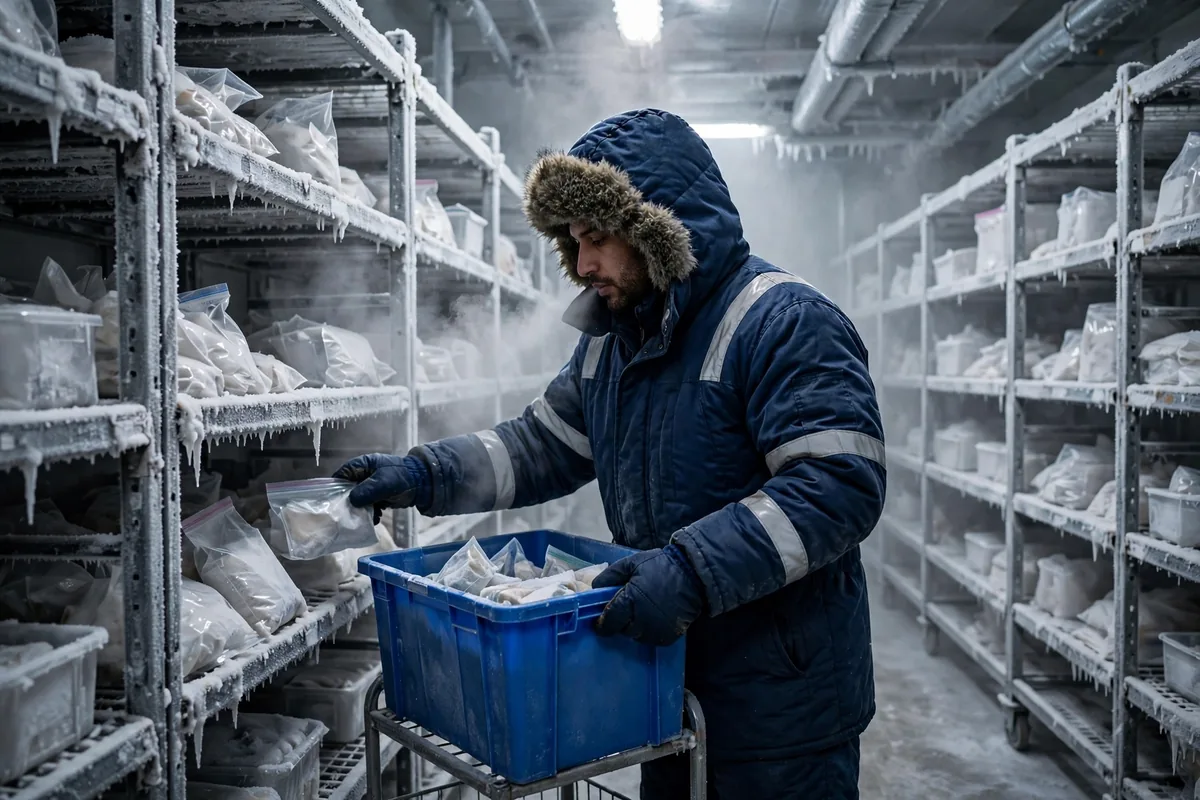
Frozen beef and chilled beef are two completely different ledgers. Frozen beef needs deep freezing and stability, with small temperature swings. Chilled beef needs unbroken refrigeration, a short shelf life, and fast turnover. Beginners who cost the two together are already writing their first bad entry.
Here is a cost structure — a hypothetical example, a scenario illustration, figures invented only to show the structure: one small shipper, one 20-tonne lot of frozen beef, from slaughter plant to loading at port.
| Cost item | Illustrative share | What matters | | Blast freezing and cold storage | About 25% | Freeze it through and evenly, no warm core | | Reefer rental and refrigeration | About 30% | The box's refrigeration unit decides everything | | Inland refrigerated transport | About 20% | Temperature control on the road from Asunción to the port | | Inspection, certificates, documents | About 15% | SENACSA authorization and health certificates | | Loading and miscellaneous | About 10% | Faster stuffing means less temperature recovery |
Chilled beef has a different ledger. Its cold storage share runs higher, because storage time is shelf life and shelf life is short. Its transport share runs higher too, because the time pressure is far tighter. Frozen beef can wait for the sailing. Chilled beef cannot. For the same 20 tonnes, chilled beef carries a clearly higher cold chain cost share — but that does not mean it loses money. It sells at a higher price. You are earning the price gap and betting on timing. Choosing frozen or chilled is really choosing which risk you can afford to bet on.
Here is the counterintuitive judgment: most people think the cold chain means buying the lowest temperature, that colder is always safer. Wrong. The cold chain buys stability, not cold. Frozen beef held for a month at a stable temperature is fine; swung up and down three times, it starts losing quality. Chilled beef is the same — every temperature recovery shaves shelf life. Spending big money to push a cold store colder is worth less than spending small money to hold its temperature steady. The saving lever is not refrigeration capacity. It is stability.
What One Broken Paraguay Beef Cold Chain Link Actually Costs
A hypothetical example: one container of 25 tonnes of frozen beef, cargo value on the order of 100,000 dollars. The reefer's refrigeration unit stops for four hours during the inland leg, the temperature inside climbs, and at the port the inspection finds the quality below standard. The buyer rejects it. How do you count the loss? The cargo value written down, the freight wasted, inspection fees, port charges, and return or destruction costs, plus the working capital tied up in the shipment and the delay to the next sailing. One container's loss easily exceeds a small shipper's cold chain warehousing budget for half a year. The figures are hypothetical. The conclusion is real: breakage losses are not linear. One break writes off the whole container's profit and reputation in a single stroke.
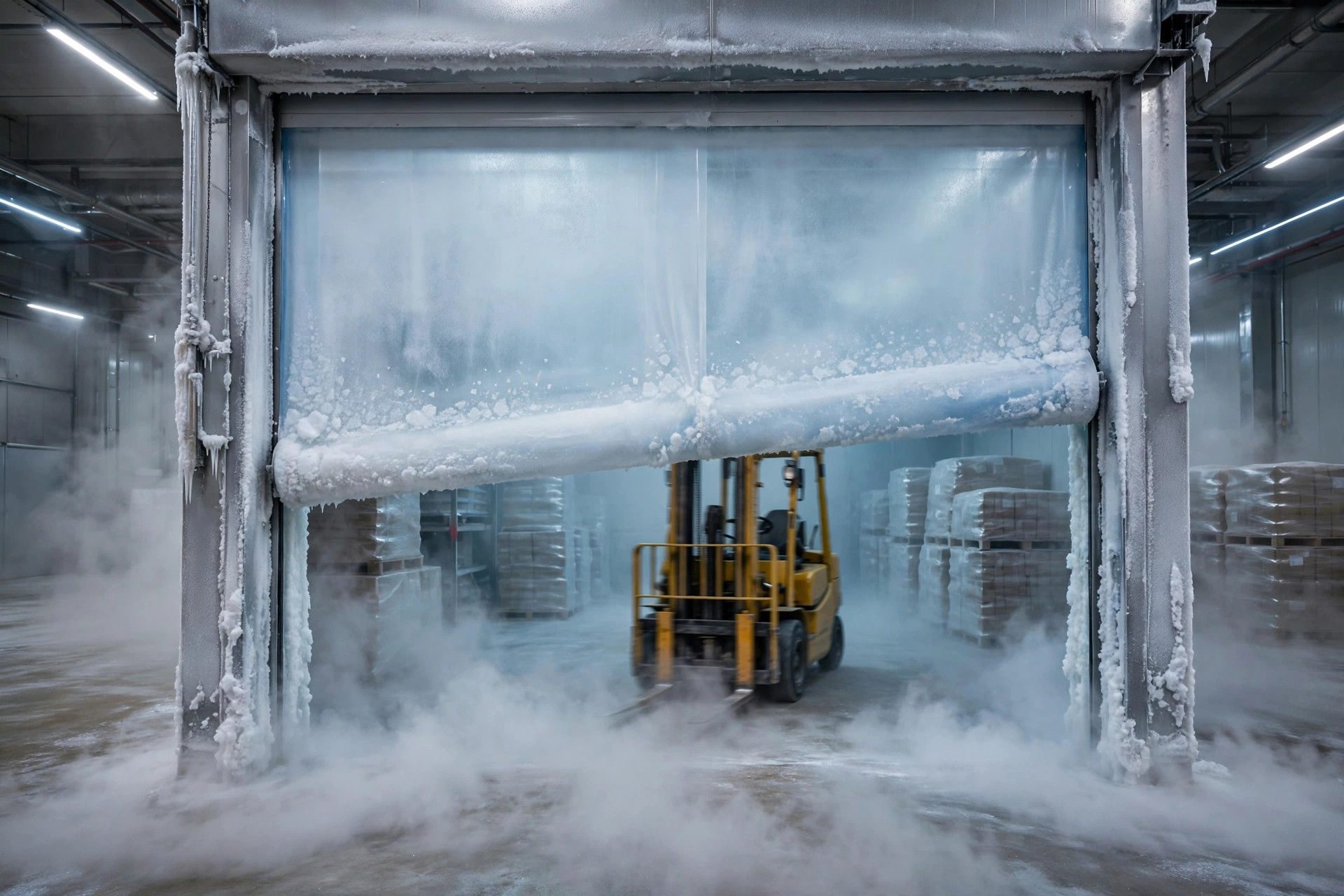
A second scenario, also hypothetical. A small slaughter plant holds frozen beef in cold storage where the doors open and close too often. Temperatures swing near the entrance, and the pallets closest to the door freeze and thaw repeatedly. At dispatch the goods look fine. At the destination port, a sample test fails on microbiological counts. The whole lot is detained, then claims, return, and destruction follow. Afterwards the plant made one low-cost change: a buffer room at the entrance, loading in batches, and the pallets near the door marked separately and dispatched first. It cost very little and worked directly — because the spot with the worst temperature swings was exactly the spot with the loosest management.
Count a break like this: the direct loss is cargo value and freight; the indirect loss is buyer trust and market access standing. For a small shipper, the second one costs more. A SENACSA certificate can be reissued. A buyer's trust, once lost, costs you next season's orders. One big loss can take two or three years of reputation to earn back.
Consolidating a Reefer: Three Rules for Small Shippers
Consolidating a reefer is the most common move in Paraguay beef export cold chain warehouse logistics for small shippers. One shipper cannot fill a box, so several share one container and split the rental and refrigeration cost. Consolidation saves money, but it comes with three rules, each one paid for with real money.
Rule one: only consolidate cargo for the same temperature zone. Frozen beef and chilled beef must never share a box — their temperature requirements differ, and sharing a container leaves both sides out of spec. Frozen cargo finds it too warm; chilled cargo finds it too cold. Match the temperature zone first. If the zones do not match, no freight split is cheap enough to justify it.
Rule two: consolidate cargo for the same destination port and the same sailing. A reefer that has to be split at the port means opening the box, moving cargo, resealing — and every opening is a temperature recovery. Different destinations mean more splits and more break risk. Wait one more sailing rather than mix destinations. Waiting costs are visible. Breakage costs are invisible.
Rule three: consolidation needs a lead shipper. Who books the box, inspects it, sets the loading order, keeps the temperature log — all of it must be decided before loading, not argued about afterwards. The lead role can rotate, but it cannot be empty. Agree in advance who holds the temperature logger data and how costs are shared if something goes wrong. That agreement on paper costs far less than a fight after the fact.
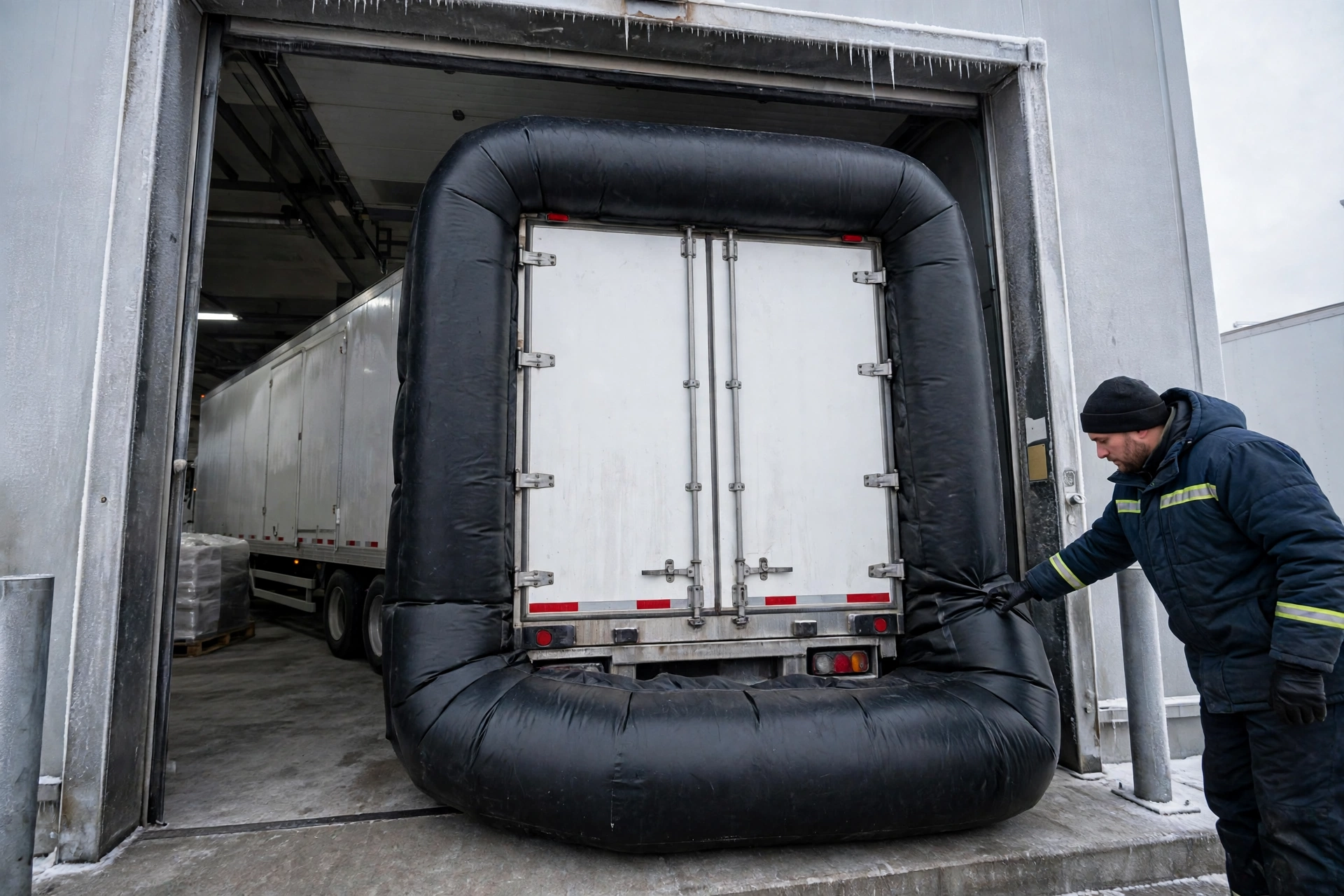
One more saving lever: stuffing speed. The faster the loading, the less time cargo spends exposed to ambient temperature, and the smaller the temperature recovery. Stage the cargo in the cold store in loading order beforehand, so the crew loads straight away, seals the doors, and starts the refrigeration. This fix costs no money, only attention, but it holds temperature recovery to a very small range. In Paraguay beef export cold chain warehouse logistics, small shippers cannot outbid the big players on container volume. But they can outrun them on process.
A calculable conclusion to close: the cold chain ledger comes down to three numbers — the probability of no break, the loss from one break, and the cost of preventing a break. Prevention costs are certain and visible; break losses are uncertain and potentially large. As long as prevention costs less than the break probability times the break loss, the money is well spent. Run the hypothetical example above: even at only a 5% chance of a break, with one break costing on the order of 100,000 dollars, the expected loss is about 5,000 dollars. Spending on the order of 1,000 dollars to do inspection, temperature logging, and loading discipline properly is money spent without regret. That is the cold chain calculation: do not bet on luck. Calculate the expectation.
By Lao Zhou, Logistics Cost Analyst