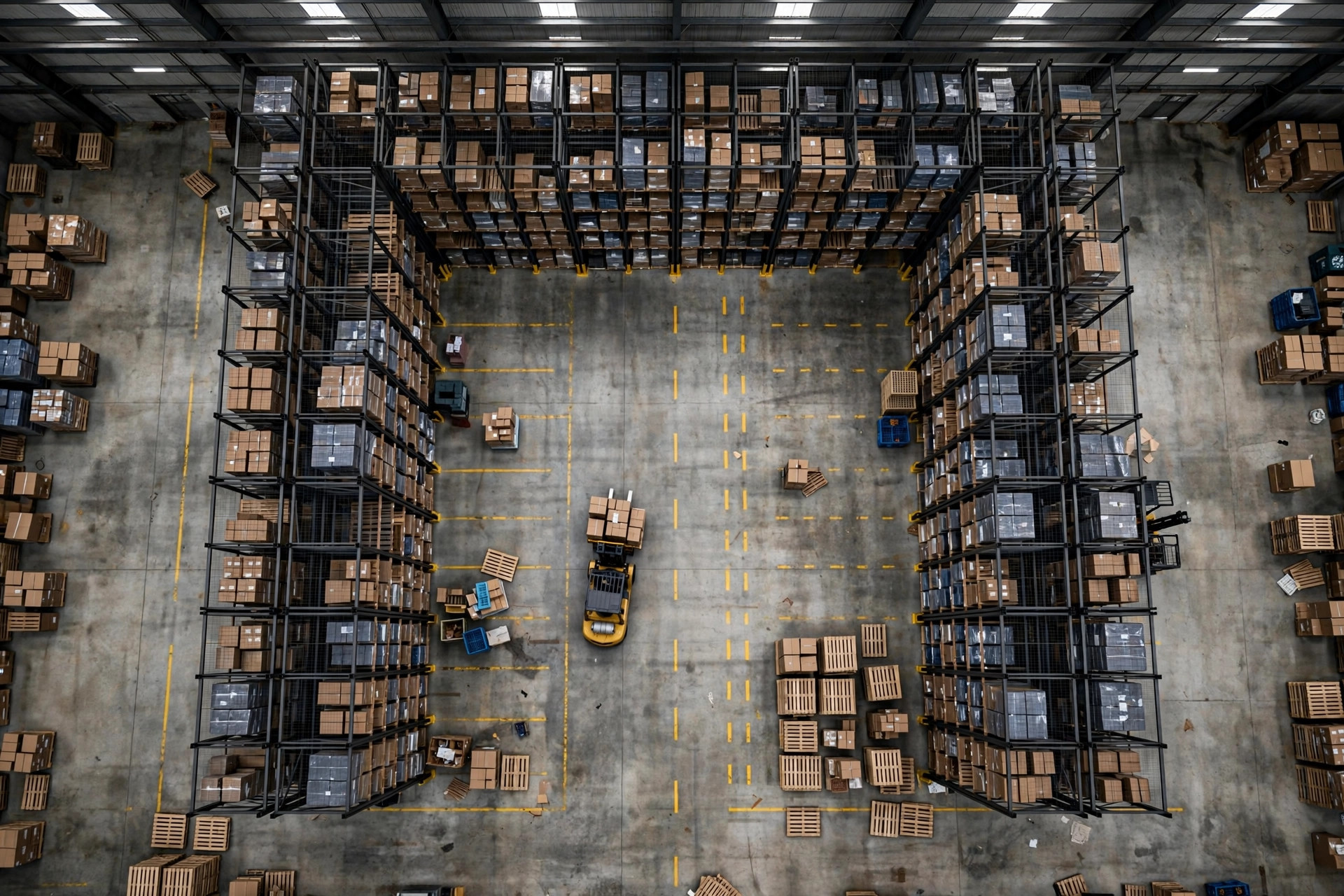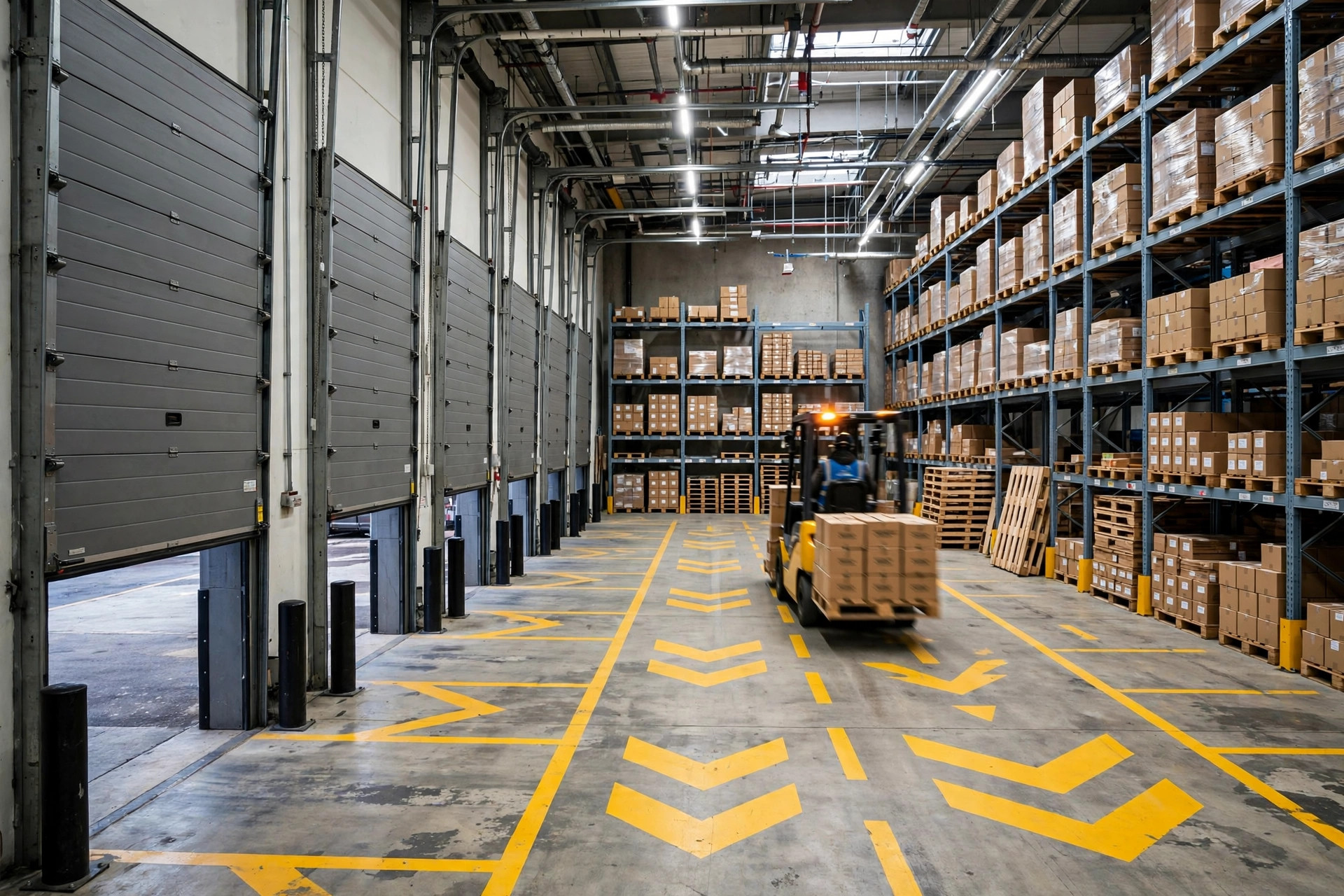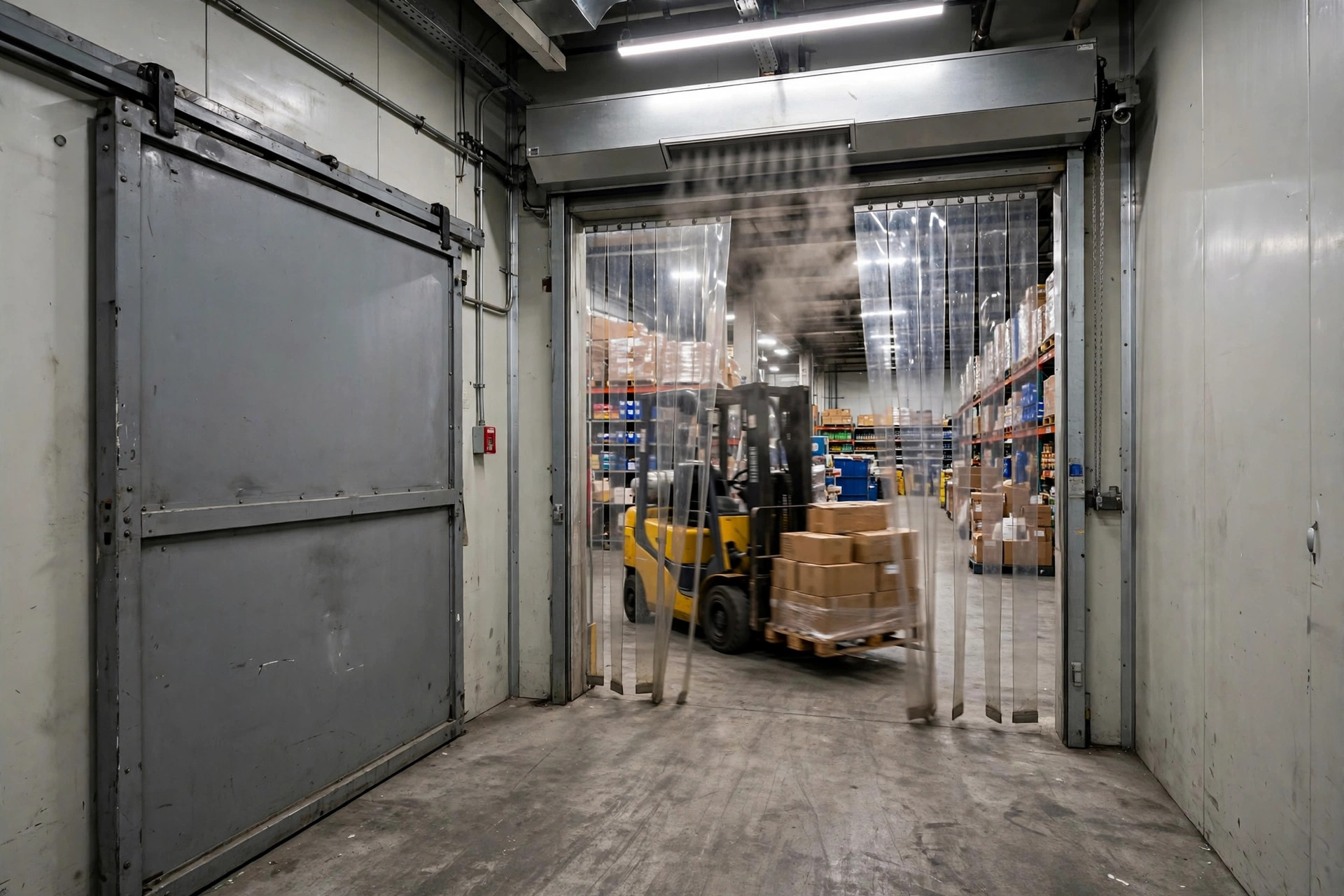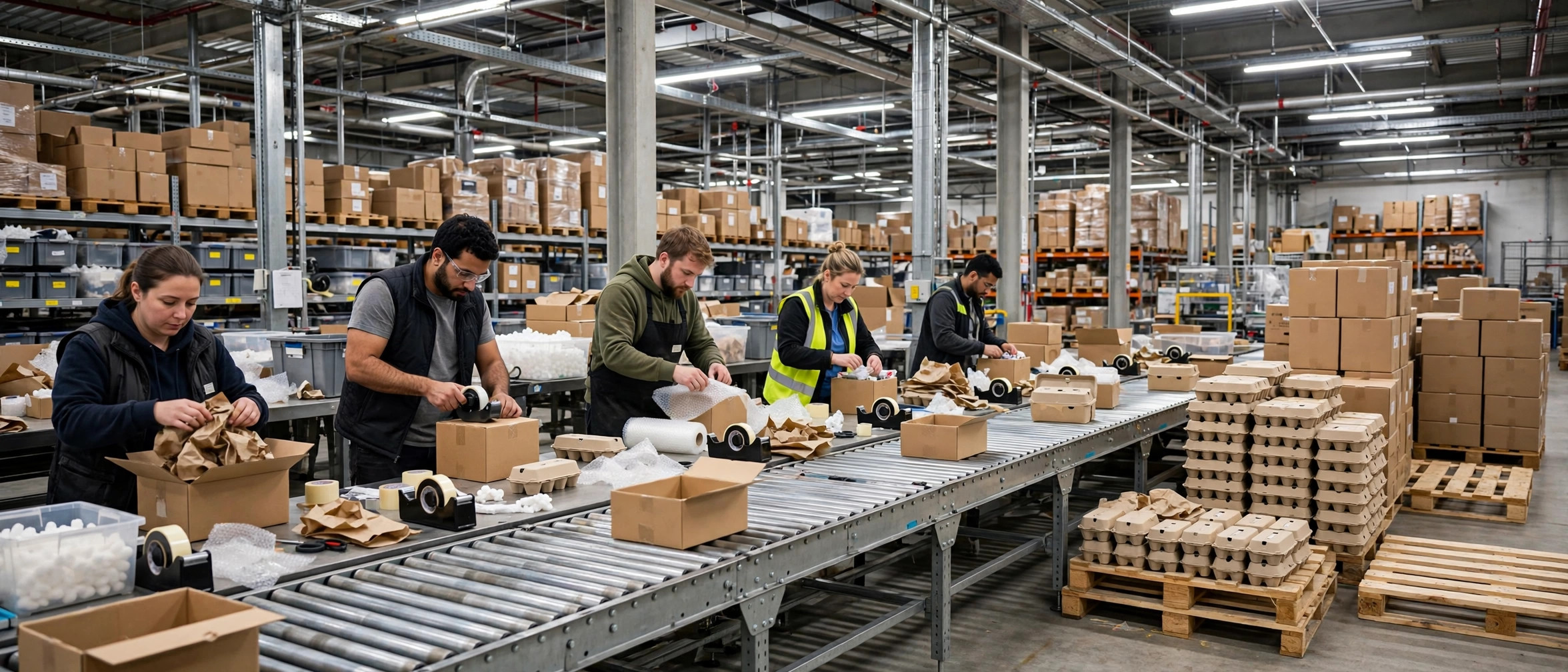
I walked a 65,000-square-foot auto parts warehouse a few years ago — tens of thousands of SKUs, mostly small-piece picking — and something felt off within the first five minutes. Forklifts and packers were sharing the same main aisle, dodging each other at every shift change. The safety manager had a growing stack of near-miss reports. The root cause was drawn on the floor plan in plain sight: the pack-and-check area sat dead center in the building, "equidistant from picking and the docks," as the design firm had proudly put it.
That warehouse is the perfect illustration of a question every layout project gets wrong at least once: where does the pack station belong? Freight flows from picking, through pack-and-check (verify, box, label), to the shipping dock. The pack area is the relay station in the middle. Put it near picking and pickers walk less. Put it near the dock and finished goods travel less. The total distance never changes — what changes is who walks it and what it costs. Get the math right and the answer picks itself.
The case for hugging the pick zone
The argument is simple: picking is the most walking-intensive job in the building. A picker routinely covers tens of thousands of steps a shift, and after every pick run they push a cart of goods to the pack area before starting the next run. Tuck the pack stations against the pick zone and the handoff shrinks to almost nothing.
This logic wins outright in one kind of operation: high-volume small-piece e-commerce. Run the numbers on a 3,000-order day with three units per order. Every order is one round trip between the pick zone and packing. Move the pack area 10 meters closer to picking and you erase tens of thousands of meters of walking per day. Walking saved converts directly into pick capacity — the same crew picks several hundred more orders in the same eight hours.
But there is a cost people forget to model: the finished-goods leg gets longer. Packed, labeled cartons have to ride forklifts or pallet jacks to the dock staging area. Longer distance means more forklift cycles, and packed cartons are the most damage-prone freight in the building. Stretch that leg and your damage rate creeps up with it.
Rule one: the bigger the order volume and the higher the units per order, the closer packing belongs to picking. If your bottleneck is pick labor, saving picker legs is saving money.
The case for hugging the dock
The other camp has a point too: a packed carton is finished goods, and moving finished goods costs more than moving picked pieces. Loose picked items ride carts and totes flexibly. A sealed, labeled carton needs careful handling and has to be staged by carrier and route.
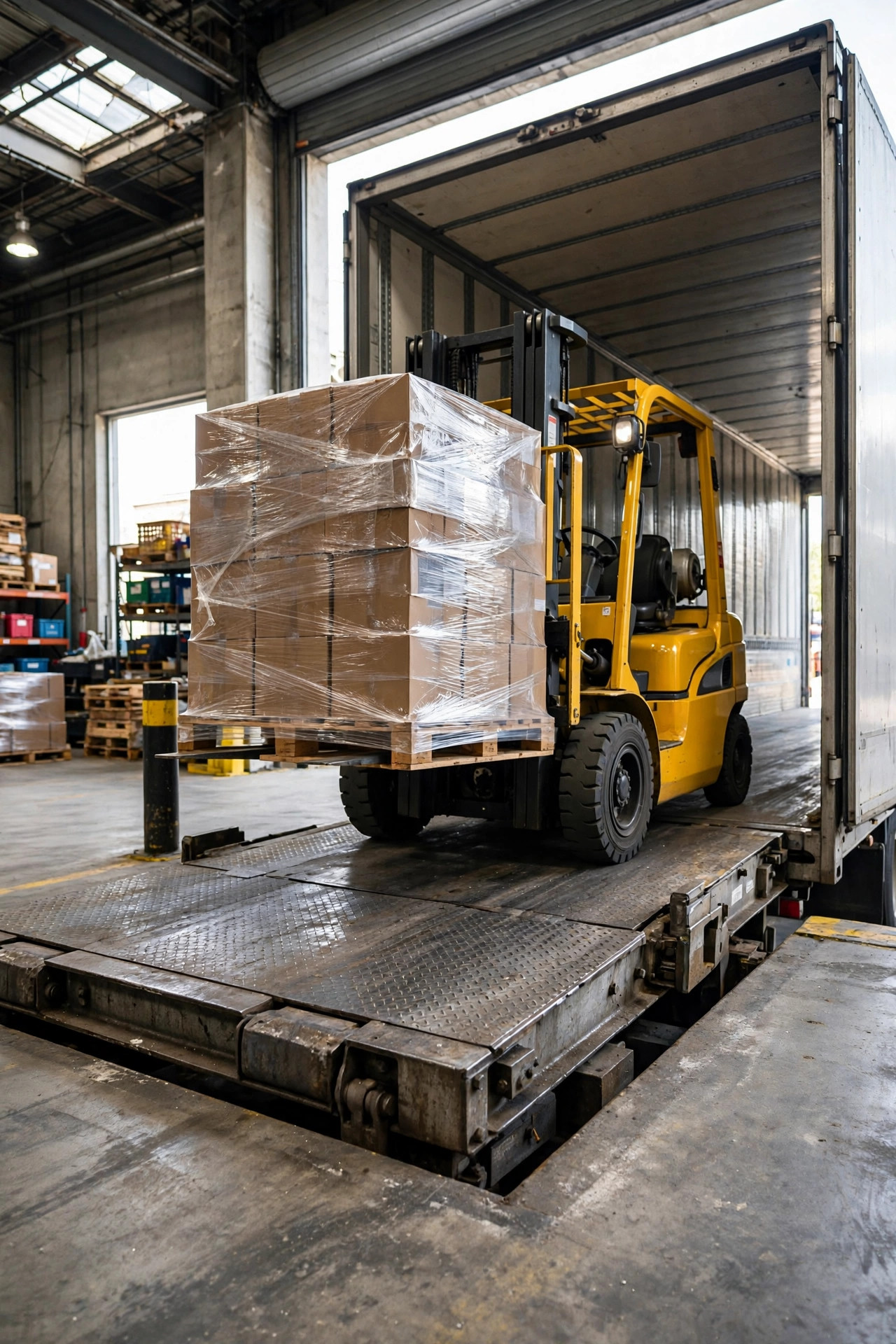
"Near the dock" is the right call in two situations. First, pallet-heavy outbound operations: packed goods go straight onto pallets, a forklift scoops them, done — the shorter the pack-to-dock run, the less empty forklift travel. Second, heavy and bulky goods: when the average unit weighs 20 to 30 kilos, picking is already done with forklifts or powered pallet jacks, so "picker walking distance" was never the bottleneck. The bottleneck is moving finished pallets.
There is also a quiet space bonus: a dock-adjacent pack area can share the dock staging zone for finished goods, saving a chunk of floor. In a warehouse where every square foot has a rent number attached, that recovered space holds dozens of extra pallet positions.
The price, again, is real: pickers walk farther on every order to deliver goods to packing. In a pure manual walk-pick operation, that extra leg eats pick productivity directly.
Rule two: the higher the palletized outbound share and the heavier the goods, the closer packing belongs to the dock. If your bottleneck is finished-goods movement, saving forklift travel is saving money.
The warehouse that put it in the middle
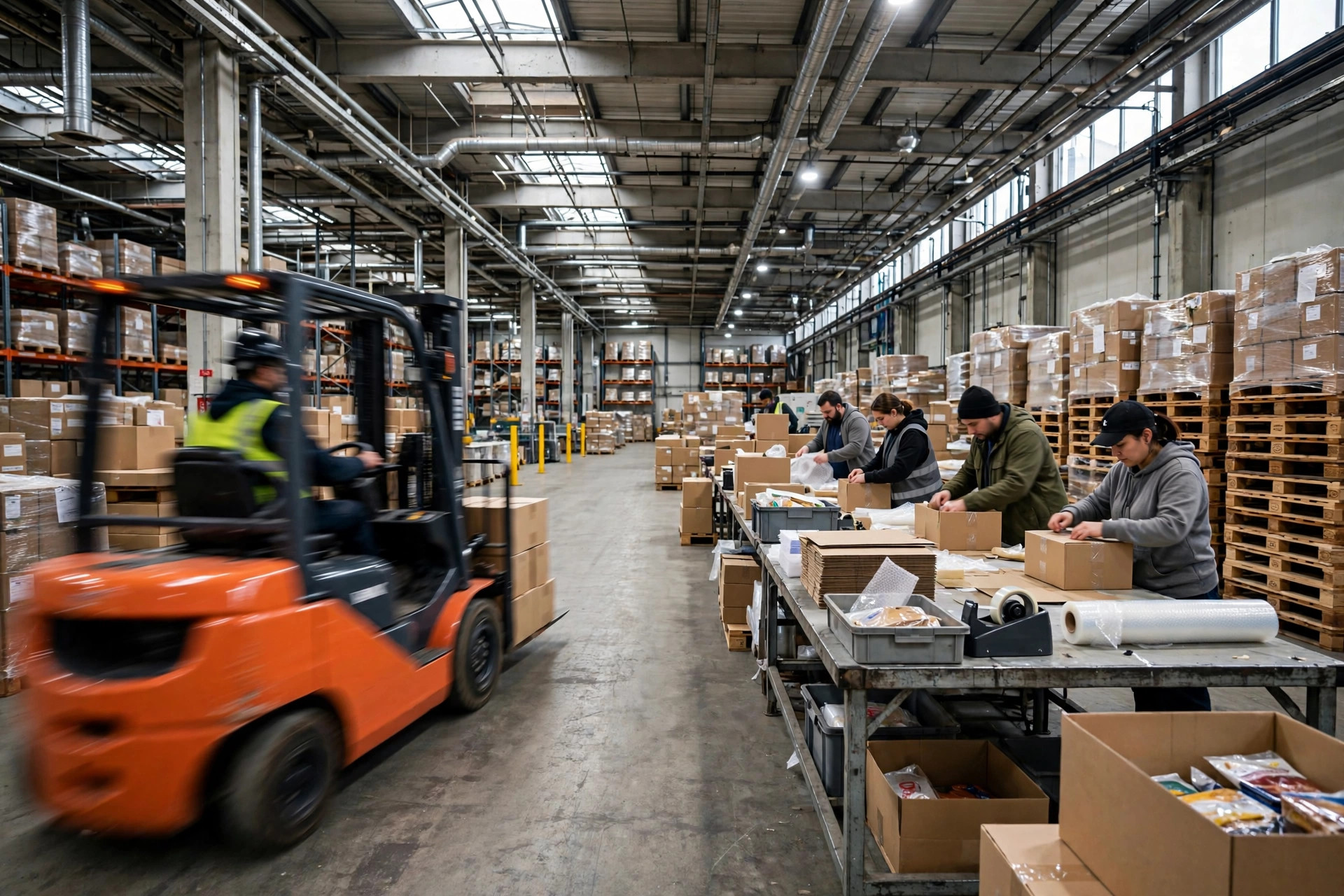
Back to that auto parts warehouse. Center placement meant the pack area touched neither zone, so both travel legs were mediocre — and worse, the main forklift artery ran straight past the pack benches on its way to the docks at both ends. Packers pushing tote carts and forklifts hauling pallets fought for the same aisle. Two minor collisions a day at peak. Every finished pallet had to be routed east or west, and drivers had to ask "east dock or west dock?" on every trip. The outbound schedule was chaos.
The fix took two weeks of retrofit: the whole pack area moved next to the east dock, and a dedicated tote conveyor bridged the gap between picking and packing. Pickers drop totes on the conveyor, goods flow to packing automatically, and nobody walks that leg anymore. Pick capacity recovered, the aisle conflict disappeared. The price was two weeks of disruption plus a conveyor investment — money that could have been saved entirely at the floor-plan stage.
Three hard rules came out of that project. First, never put packing in the middle — equidistant means equally bad for both legs. Second, pedestrian and forklift traffic must be physically separated, with guardrails, not just painted lines. Third, stress-test the layout against peak-day volume, never the daily average.
The placement formula: cost both legs, the bigger one wins
Here is a formula you can actually use. Cost two trips:
Leg one — the picking side: daily orders × average picker round-trip distance × labor cost factor. Take the straight-line distance from the pick zone center to the pack area and multiply by 1.3 — real walking routes always detour.
Leg two — the finished-goods side: daily finished pallets × pack-to-dock distance × forklift cost factor, plus the cost of rising damage rates. Price a forklift trip with labor and equipment depreciation, not just fuel.
Whichever leg costs more, the pack area leans that way. Leg one dwarfs leg two: hug picking. Leg two dwarfs leg one: hug the dock. Roughly equal: place packing about a third of the way from picking toward the dock, and bridge the middle with a conveyor or tugger carts so machines do the walking, not people.
A worked example to build intuition. Take an e-commerce site: 2,000 orders a day. Candidate spot A (near picking) is 15 meters from the pick zone center; candidate spot B (near the dock) is 60 meters. Picking A saves each order roughly 60 meters of picker walking (45 meters round trip × 1.3 detour factor) — about 120,000 meters a day across the operation. At a 4 km/h walking pace, that is 30 labor-hours saved daily. Picking B saves 80 finished pallets a day about 45 meters of forklift travel each — under one labor-hour at 8 km/h forklift speed. Not close. Near picking wins by a landslide, before even counting the overtime reduction from higher pick capacity.
Flip it to a heavy-parts warehouse: 300 orders a day at 40 kilos average, picking already mechanized so walking is not the constraint, 120 finished pallets a day. Now the finished-goods leg dominates, and near the dock wins.
Three finishing details for the build: keep generous clear height above the pack area so a future conveyor or robotic arm fits; reserve about 20 percent flex space beside packing so peak season adds benches without demolition; and light the pack area independently — poor lighting at the check step lets mis-ship rates creep up silently. One more thing: once a conveyor goes in, placement sensitivity drops sharply. Machines do not mind walking. People do.
The verdict in one sentence: high order volume, many units per order, manual picking — put packing next to picking; palletized outbound, heavy goods, finished-goods handling as the bottleneck — put packing next to the dock; unsure — cost both legs and lean toward the expensive one, and never park it in the middle.