If you're a Chinese seller doing Ozon Russia marketplace fulfillment, lesson one isn't product selection. It's getting your money back home. My first Ozon order went out in October 2024. The goods sold. The money floated somewhere in the banking system for over 40 days. I checked the account three times a day. Worse than tracking a lost parcel.
Here's the big picture. After sanctions hit, Western sellers pulled out, and Russia's e-commerce scene is basically a two-horse race between Ozon and Wildberries. Ozon opened an official cross-border channel for Chinese sellers, and competition is way softer than Amazon. A buddy of mine selling auto parts did double his Amazon Germany revenue on Ozon in the first half of 2025, with less than half the ad spend. The opportunity is real. But the playbook is nothing like Amazon. Copy-paste your Amazon routine and you'll get burned.
Ozon Russia payouts: no money home, no business
This was my most expensive lesson. My first payout, I went the lazy route: a bank wire. The intermediary bank rejected it outright. The money sat in limbo for two weeks while I fired off a dozen emails to get it bounced back. I switched to a licensed cross-border payment provider after that. Fee runs around 1%, quotes vary so check the latest, and payouts land on a stable 30-day cycle.
A few things that actually matter. First, don't collect large payouts through a personal account. The provider will ask for trade documentation, so keep your customs declarations and freight paperwork from day one. Second, Ozon has its own settlement options for Chinese sellers, but the rules change fast, so go by whatever the official site says now, not whatever some guy in a WeChat group told you last month. Third, plan your cash flow on a 30 to 45-day payout cycle. Budget fewer days than that and you'll run dry.
Ozon marketplace fulfillment: FBO vs FBS, pick wrong and waste six months
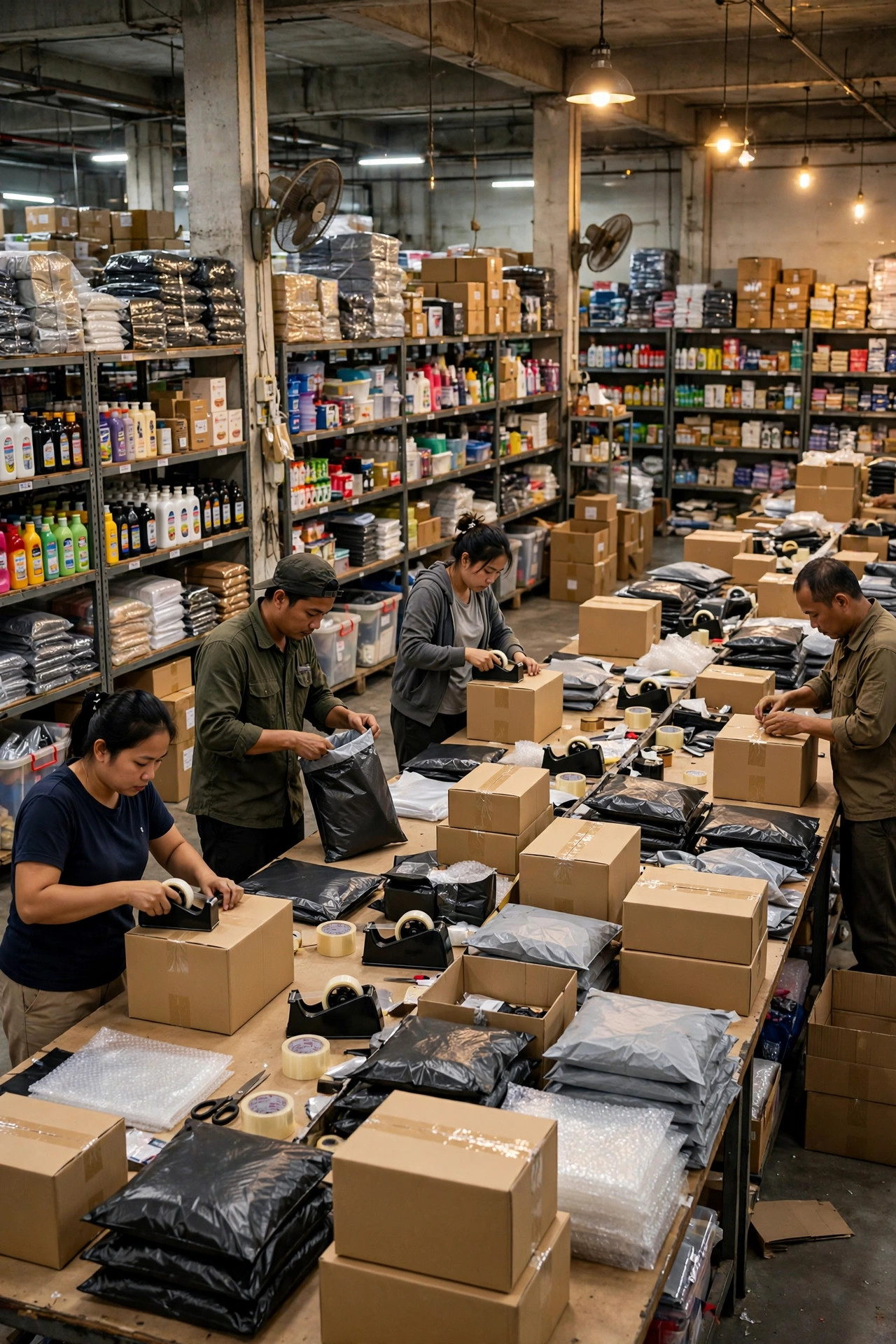
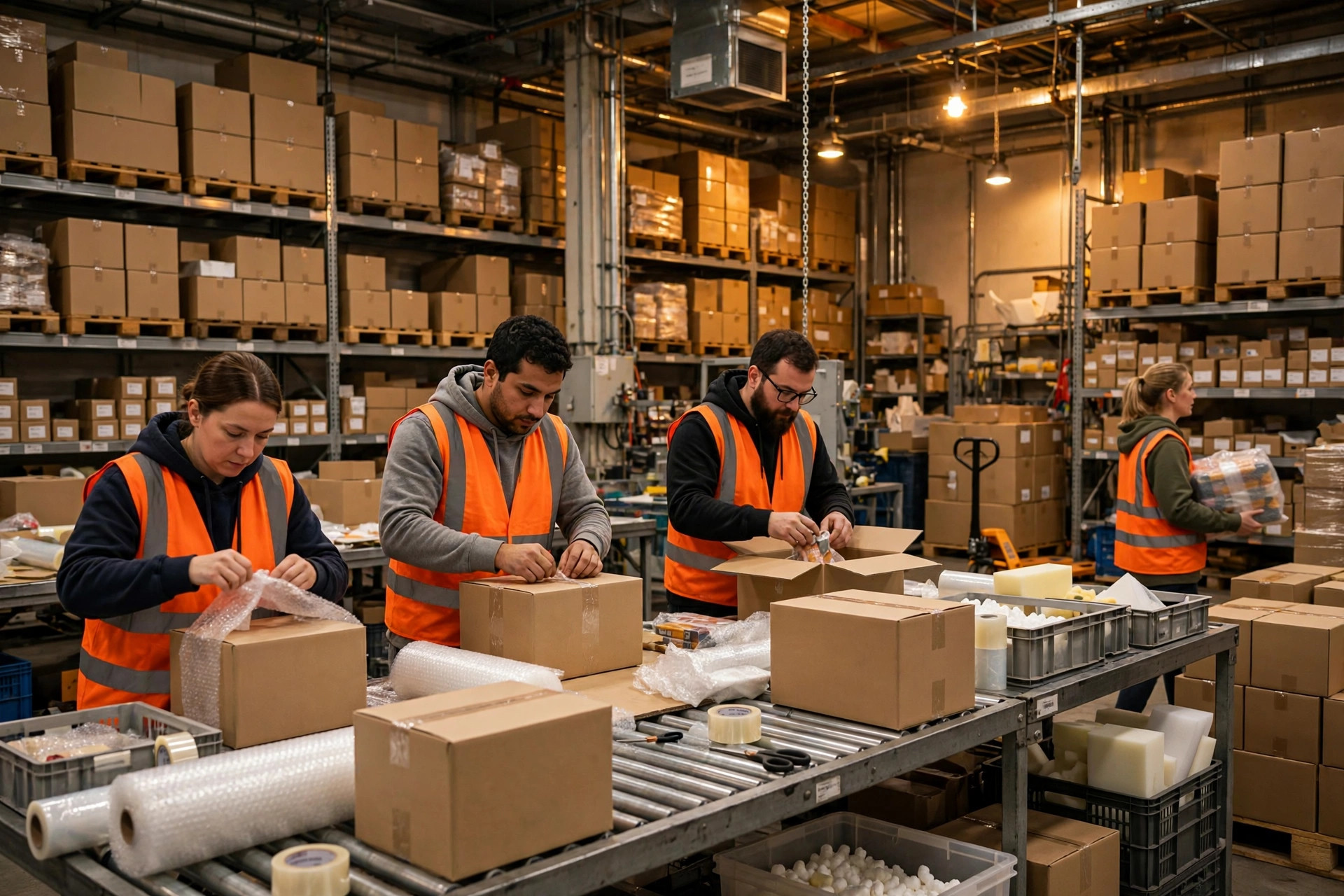
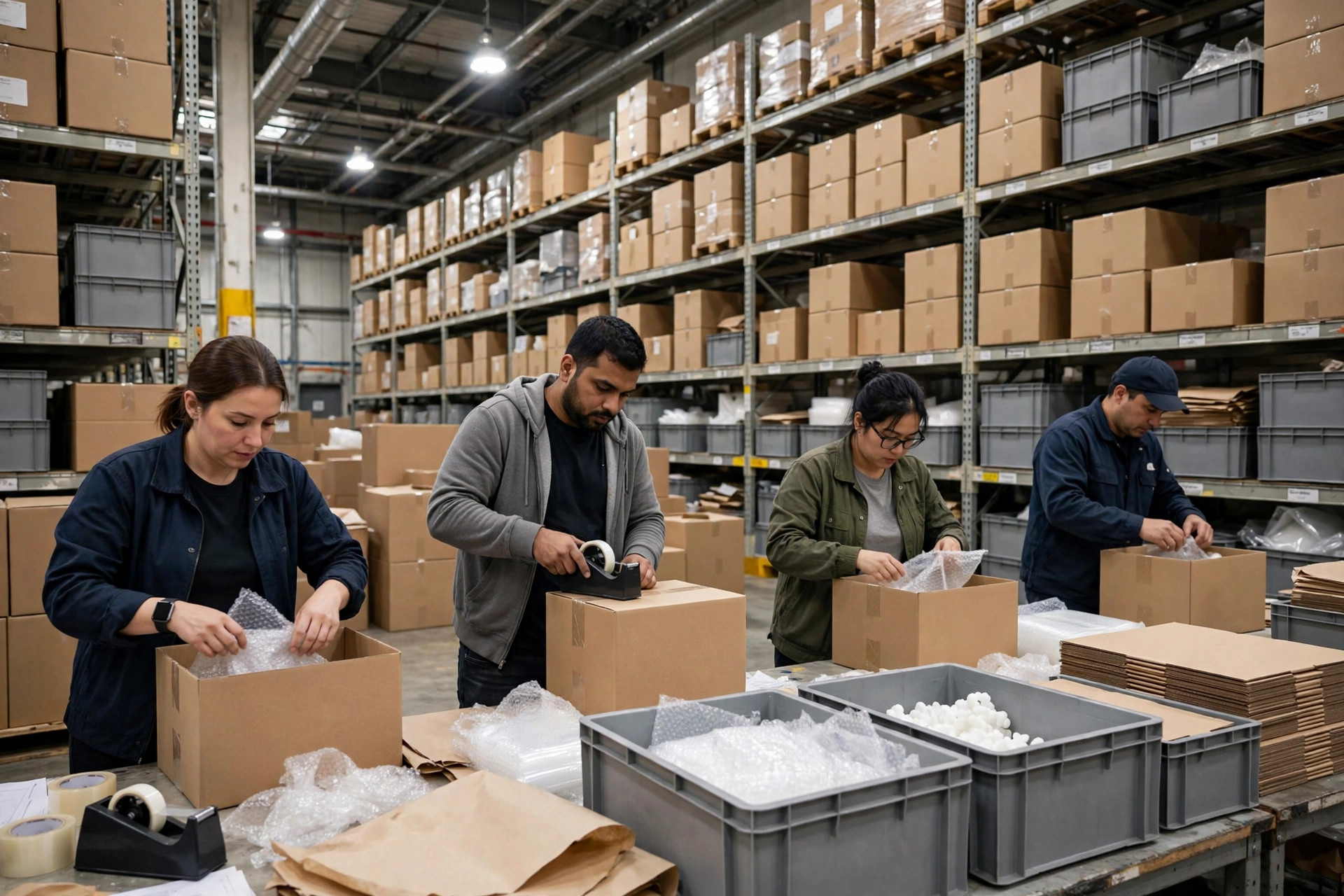
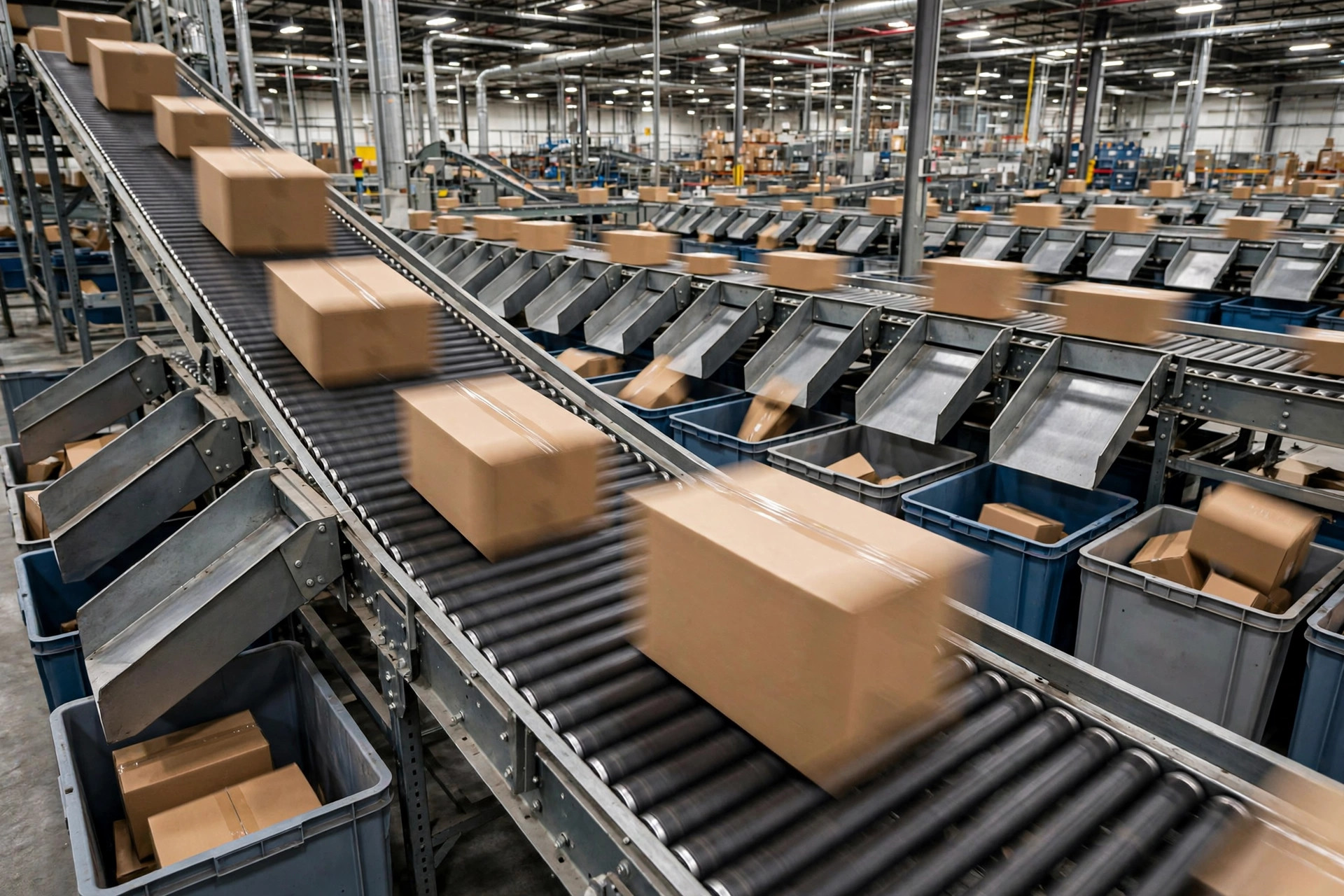
Ozon fulfillment comes in two flavors. FBO is the official warehouse program: you ship inventory to Ozon's warehouses in Russia ahead of time, and the platform handles picking, packing, and delivery. FBS is self-fulfilled: you ship direct from China or from your own overseas warehouse. Pick the wrong one and six months of work goes nowhere.
I ran a live test in early 2025 with a batch of small home goods. FBO into a warehouse near Moscow took 12 days from arrival to shelf-ready. Conversion was beautiful after that: local delivery in 2 to 7 days, negative review rate under 2%. But when the bestseller stocked out, replenishment took 30 days minimum door to door. Three full weeks of dead listing. Ranking fell out of the top 50, and it took another month of ad spend to climb back.
So I switched new products to FBS, small parcels shipped direct from Guangzhou, 25 to 40 days transit depending on the carrier's latest schedule. Zero inventory pressure, which is great. But half the bad reviews just say "too slow." Apparel is worse: Russian buyers return a lot, and under FBS a returned parcel is basically a write-off. Return shipping costs more than the item.
Time to run the numbers:
| FBO (official warehouses) | FBS (self-fulfilled) | |
|---|---|---|
| Cash tied up | High: 60 days of stock + 30-day payout = 90-day cash cycle | Low: ship per order, near-zero inventory |
| Last-mile speed | Fast: ships locally, 2-7 days | Slow: 25-40 days from China |
| Conversion/rank | High: fast delivery wins traffic | Low: slow-shipping reviews drag you down |
| Return cost | Manageable: returns go back to the warehouse | Brutal: returns are basically lost |
| Best for | Scaling proven winners | Testing new products, small batches |
Commission rates vary a lot by category. Check the seller backend's current rate card before you price anything. Don't guess.
The freight lane: rail plus truck, paperwork is the real boss
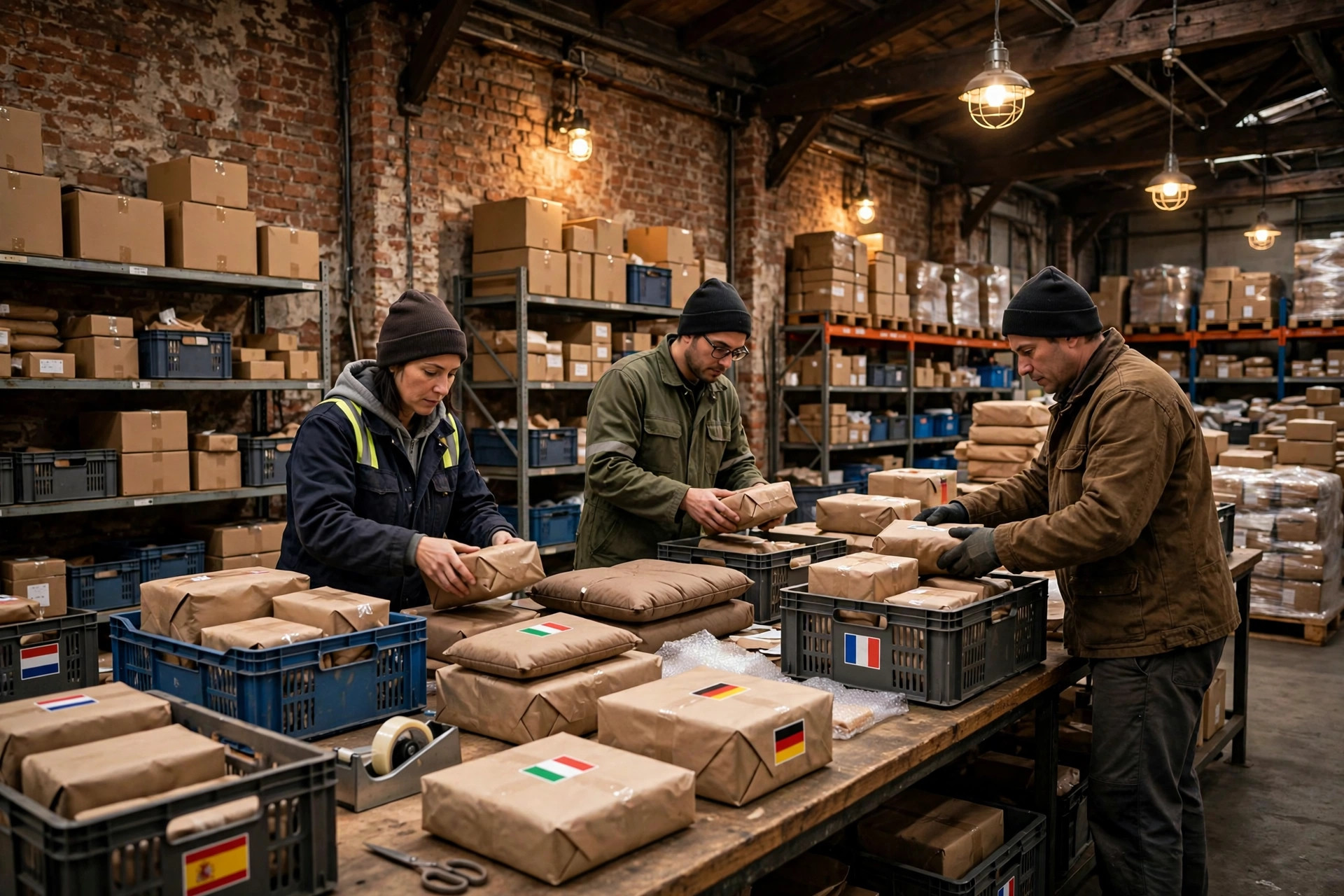
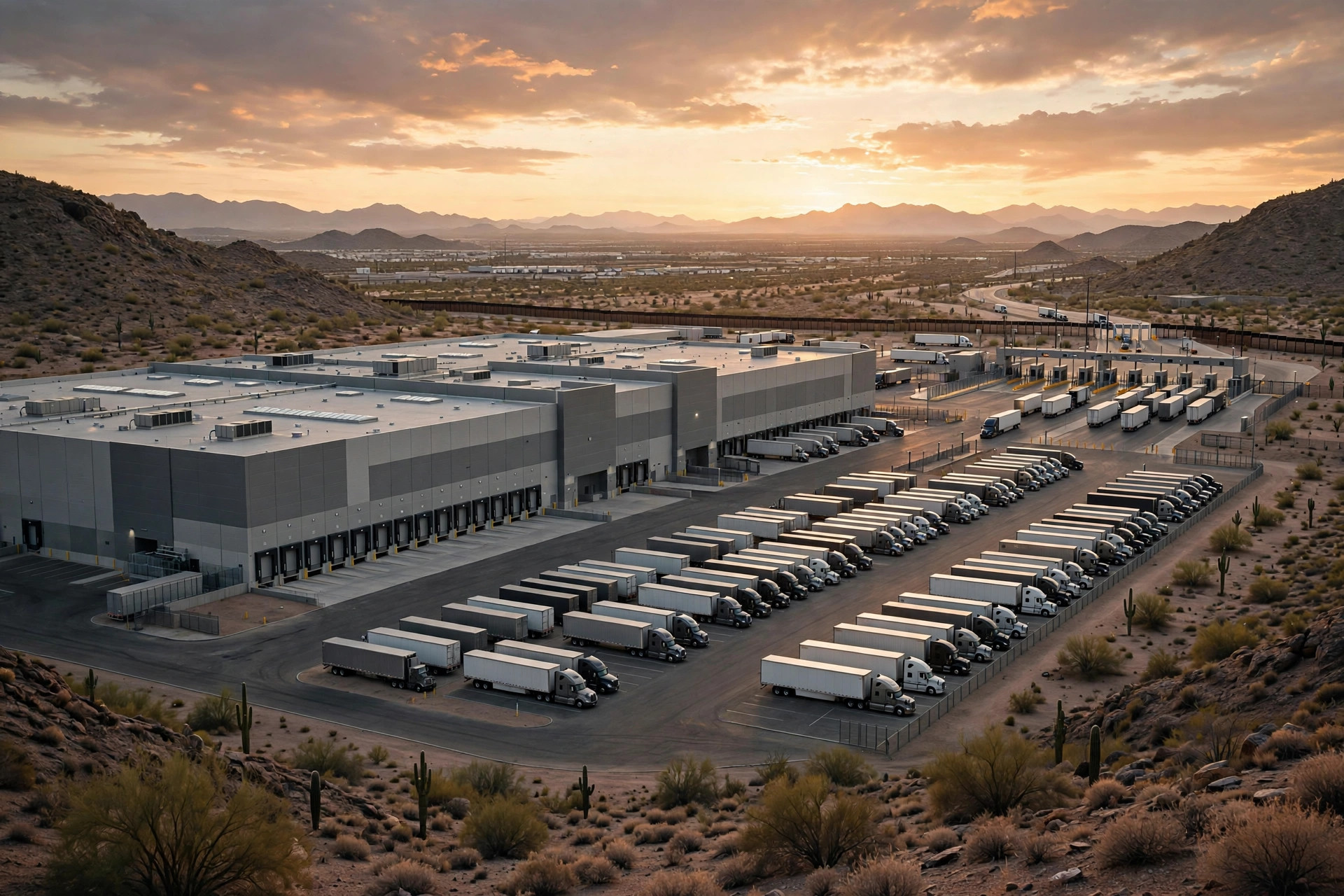
The head-haul lane is mature now. Consolidate in Yiwu or Guangzhou, rail to Moscow or transit through Belarus, then truck to the warehouse. A full batch runs 25 to 35 days. The lane itself isn't the problem. The paperwork is.
In May 2025 a shipment of mine sat at the border for 9 days. The reason was dumb enough to make me want to slap myself: the declared product name didn't match the actual goods, so customs pulled it for inspection. Russia is strict on EAC certification and Russian-language labeling. Budget 1 to 2 months for certification lead time, and don't wait until the goods arrive to think about labels.
Here's the contrarian take everyone gets wrong: people assume logistics is the biggest risk under sanctions. It isn't. The rail and trucking lanes have been running smoothly for years. The real killer is compliance. Certification, declarations, tax paperwork. Get any one of them wrong and your cargo sits at the border burning demurrage by the day.
The shortlist that saves you three months
One: certification first. Give EAC and friends 1 to 2 months of lead time. Two: if you go FBO, plan funding on 60 days of stock plus a 30-day payout cycle. That 90-day cash line is non-negotiable. Below it, don't touch FBO. Three: don't go all in on day one. Test with 20 to 30 SKUs for two months and let the data decide. Four: bake return losses into your pricing, especially apparel and footwear. Russian return rates will make you question your life choices.
My actual playbook, and the most valuable line in this whole piece: launch everything new on FBS for two months. Move only the proven winners to FBO with real inventory behind them. No cash locked up during testing, no stockouts killing your ranking during scale. This one actually works. I've run it twice, zero blowups.
By Ah K, E-commerce Seller (5 yrs)