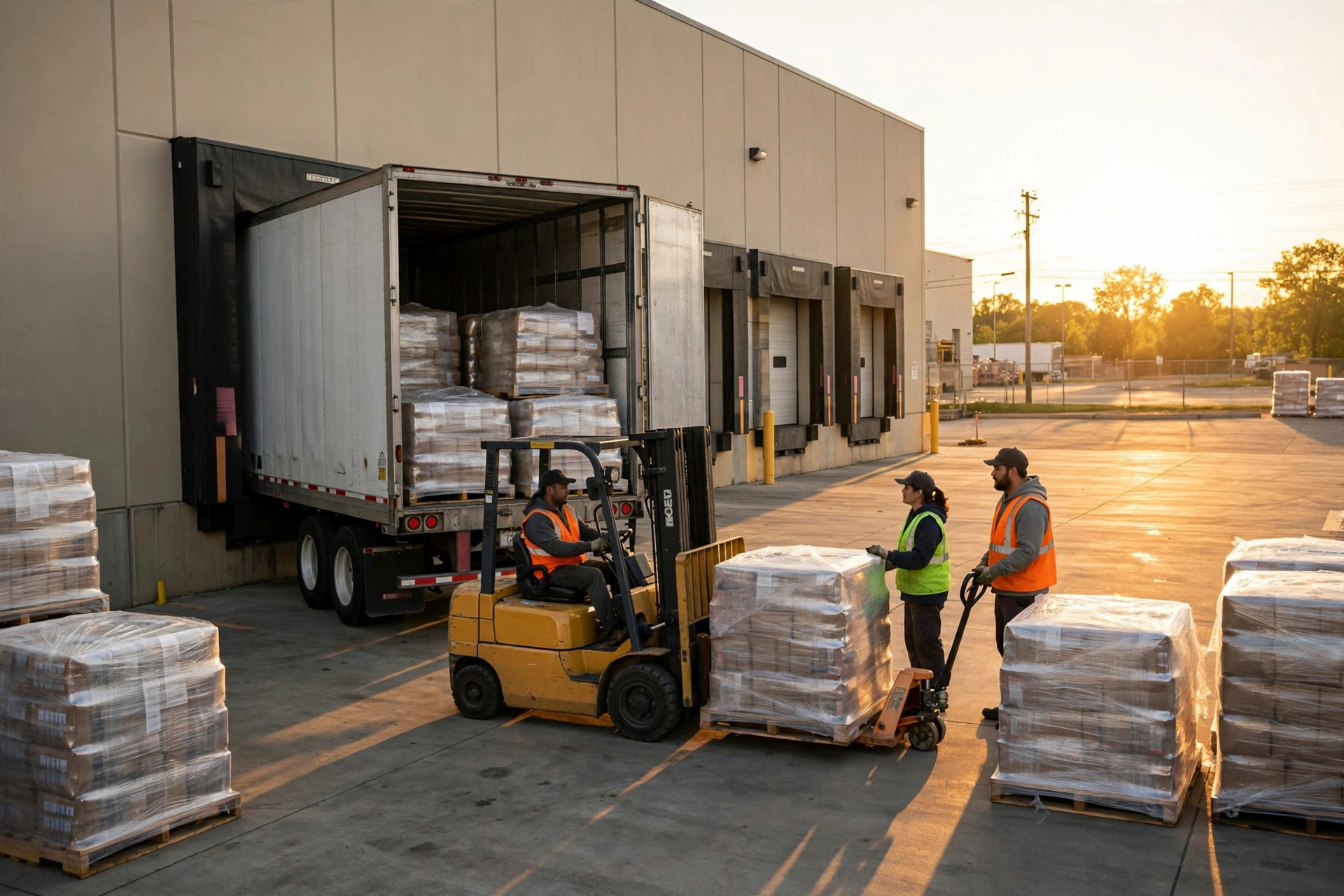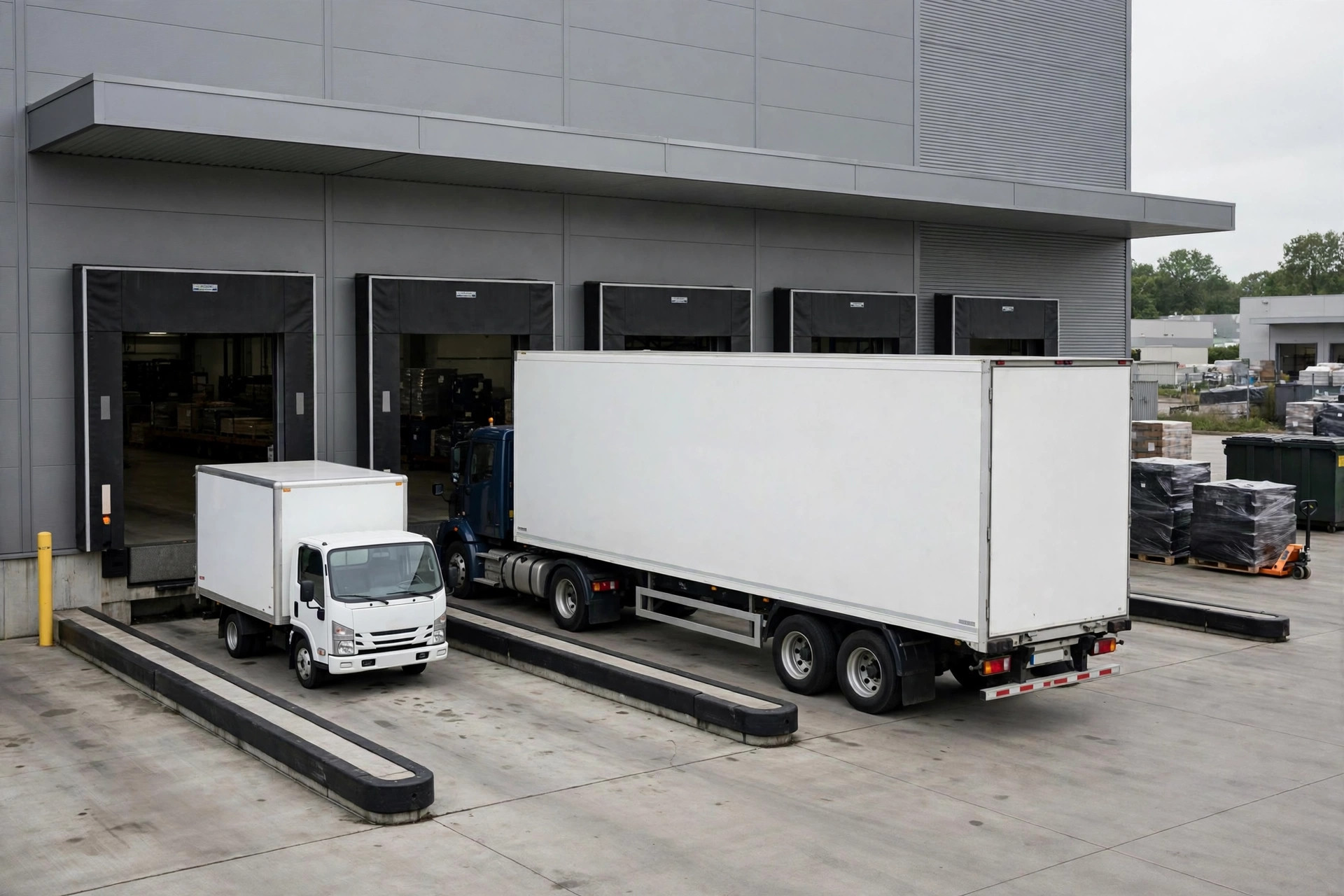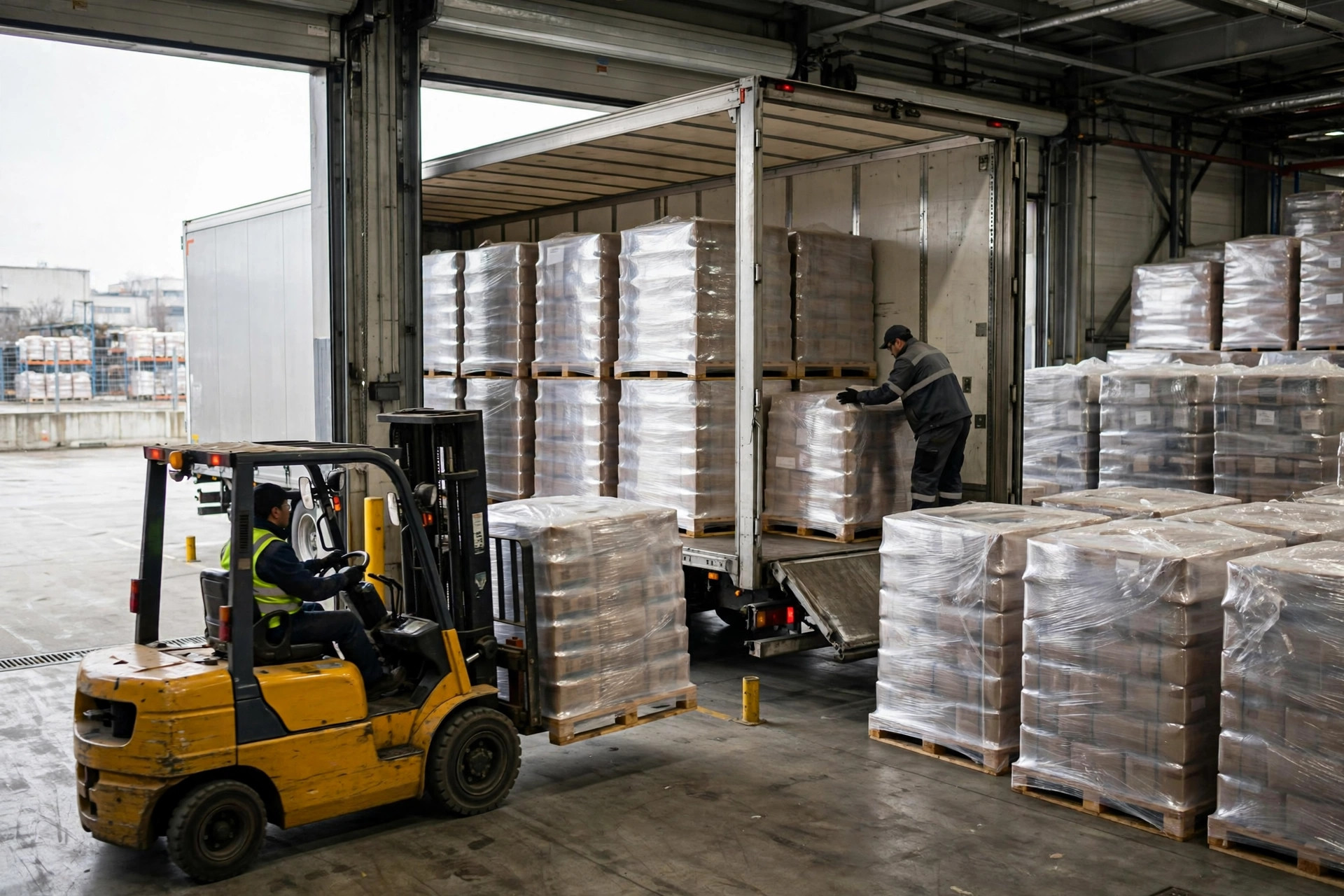
Two weeks before Black Friday last year, my phone rang at 3 a.m. It was my night-shift lead: "Boss, the dock is blown out!" I drove to the warehouse and found all eight dock doors open, FBA-bound freight stacked into the aisles, forklifts barely able to turn around. We'd only managed to grab delivery appointments for half the loads; the rest had no idea when they'd move. Standing on that dock at 3 a.m., I had exactly one thought: we need to redo the math on shipping to FBA, from scratch.
How the problem showed up
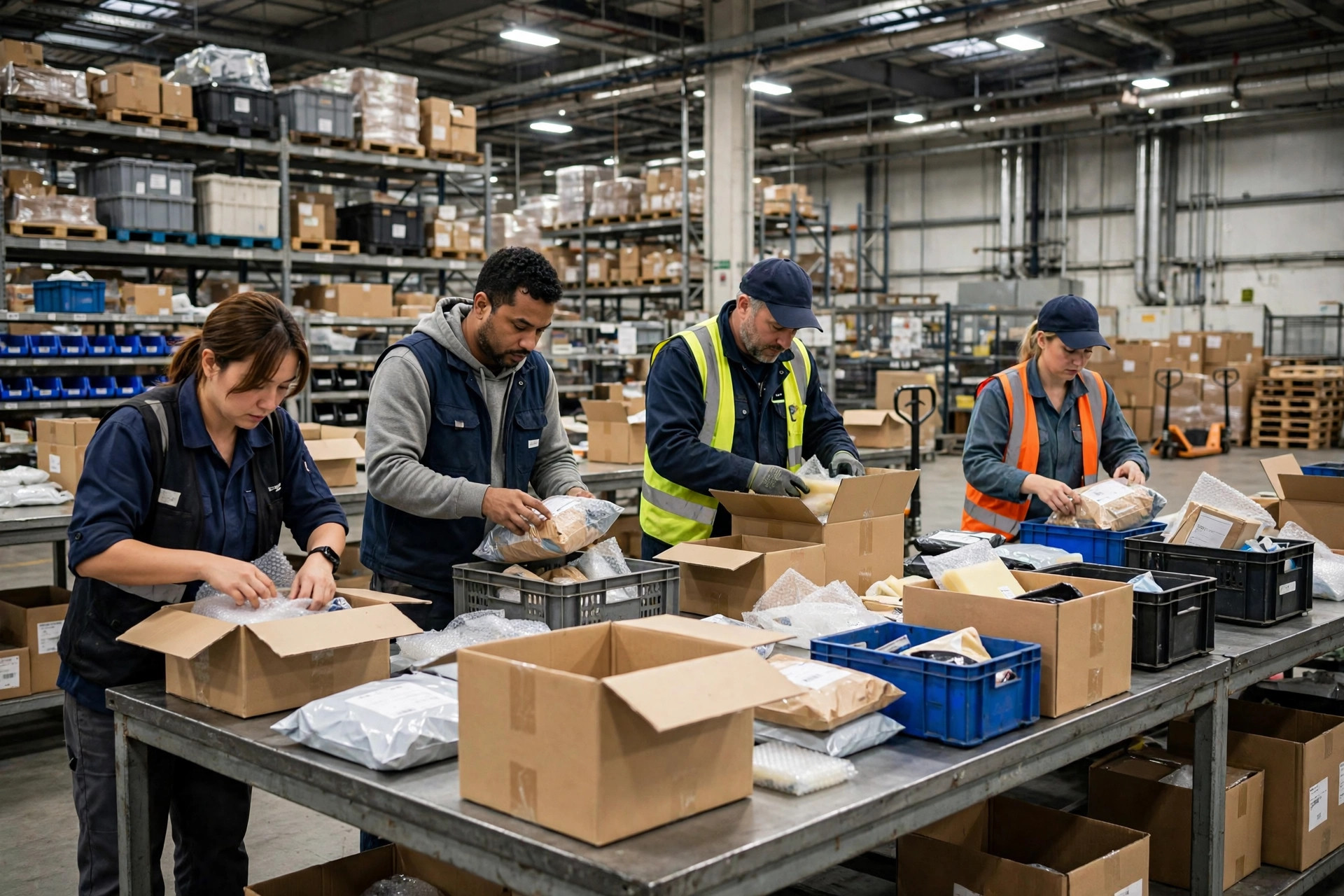
We run an overseas warehouse for sellers — receiving, prepping, labeling, and replenishing FBA. Back when volume was small, we'd just call LTL carriers, split a hundred pallets across a few shipments, no big drama. Then volume grew, and every problem showed up at once.
On the LTL side, every touch at a cross-dock terminal brought damage and lost cartons; come peak season, rates spiked and transit stretched from five or six days to eight or nine, with sellers calling daily about stockouts. So we tried full truckload — faster, sure, but we couldn't grab FBA delivery appointments. One truck got rejected at the gate, and that single rejection cost us more than LTL ever would have. Listen, for a while there, shipping to FBA felt like gambling no matter which way we went.
The worst part was the people side. One late LTL delivery had a seller tearing into us in the group chat, and my night-shift lead had his crew re-palletizing the next batch overnight to make up time. Morale tanked. At the next monthly meeting I told the team straight: this isn't your fault — we picked the wrong road. From then on, the FTL-vs-LTL call for FBA became my decision, not something the floor crew had to answer for.
We paid tuition on both roads
The LTL lesson first. One October shipment — twelve pallets to FBA via LTL. It got handled at a cross-dock, arrived with two pallets of crushed outer cartons, and FBA refused one pallet outright. Rebooking took four days, the seller stocked out, and the chargebacks dwarfed whatever we'd saved on freight. That's when it clicked for me: LTL saves you freight money and gambles on how your freight gets treated at the cross-dock.
Then the truckload lesson. Twenty-four pallets, one truck, straight to FBA. The driver arrived two hours early — not allowed in. By the time our appointment window had passed by twenty minutes: rejected. The truck sat locally for a day, we rebooked for the next day, and the detention and parking all landed on us. After that, FBA appointments became one person's full-time job in our warehouse — we start grabbing slots two weeks out, earlier in peak season.
The playbook we run now
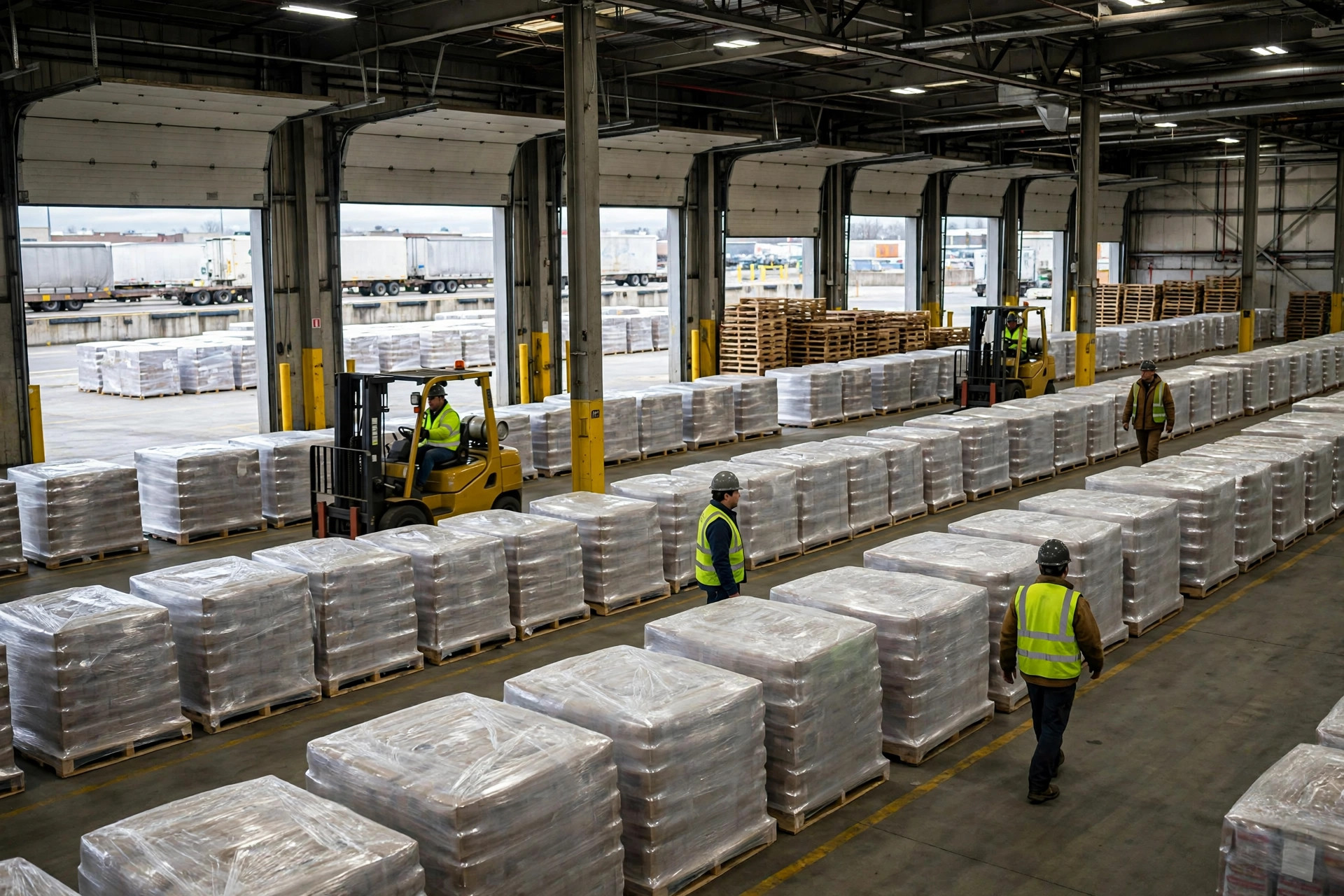
After the better part of a year of trial and error, here's our standing rule for FBA shipments. This is our playbook as an example — your lanes and volumes will differ, don't copy it blindly:
- 8 pallets or fewer: LTL. The cost spreads fine and transit is acceptable.
- 8–14 pallets: depends on urgency. No stockout risk, go LTL; need it fast, go truckload.
- 15+ pallets: straight truckload — per-pallet cost actually beats LTL.
- Peak season (Oct–Dec): lower the thresholds, go truckload whenever you can, start grabbing appointments two weeks out.
| Full truckload (FTL) | LTL consolidation | |
|---|---|---|
| Cost structure | One price per truck; more pallets, lower per-pallet cost | Billed per pallet/weight; wins at small volumes |
| Transit | Direct, a few days on our lanes (illustrative) | 1–2 cross-dock touches, roughly a week plus |
| Damage risk | Low, no rehandling | Rehandled at cross-docks; damage and loss happen |
| Appointment hassle | Must secure a truckload slot yourself | Consolidator bundles the appointment, less worry |
| Best for | Big volume, urgent | Small volume, no rush |
Quick math, using a lane we run often as an illustration: spread one truckload across 20 pallets and the per-pallet cost runs a good chunk below LTL; but with only 6 pallets, that same truck costs more than double LTL per pallet. The breakeven isn't on any rate sheet — it's in how many pallets you're shipping this time.
One more iron rule: build your pallets to FBA's spec. Standard 48×40 pallets, don't over-stack, wrap them tight — check the latest published requirements, because they change and you don't want to rely on memory. One rejection means rebooking, which takes days in normal season and longer in peak. Everything you saved goes up in smoke.
We also run a separate peak-season playbook. Every year at the end of September, we hold a peak-season kickoff: the FBA shipping roster gets set first — two people rotating on appointment duty, the pallet crew pre-building peak freight to FBA spec ahead of time, LTL capacity locked in early where we can, and our truckload carriers warned to hold equipment for us. Put simply, peak season isn't won on improvisation; it's won on the homework you did in September. Every year I say it, and every year somebody doesn't believe me until they're pulling all-nighters on the dock in November.
The honest truth
Years on the floor gave me a counterintuitive take: LTL isn't always cheaper. Add peak-season surcharges, then amortize one rejection-and-rebook, and it genuinely may not beat truckload. Flip side: truckload isn't always faster — with no appointment, a truck idling a full day at FBA's gate delivers slower than LTL would have. So the real decision was never which mode. It's whether you've got the appointment and whether your pallets pass.
Folks, the biggest trap in shipping to FBA isn't on the road — it's at the gate. Get the appointment and the pallets right, and FTL vs LTL becomes a small decision. Get them wrong, and either choice charges you tuition. Peak season isn't won on price; it's won on who grabbed their appointment slots first. Remember that and you'll skip a lot of painful detours.
By Chen Feng, Warehouse Operations Manager