Here's the verdict up front: for the same SKU at roughly 0.8 kg, dropshipping is cheaper all-in when you're doing under 300 orders a month. Cross about 800 orders a month and bulk stocking through a US warehouse flips the math — per-order logistics cost drops 40% or more. That line isn't a guess. It comes out of a spreadsheet, and I'll open the spreadsheet for you here.
I've spent 20 years in US warehousing solutions, and I've run this calculation for dozens of cross-border sellers. The two most expensive mistakes I keep seeing are mirror images. One: a seller doing barely 200 orders a month ships a full 40-foot container to the Port of Los Angeles, and the inventory sits in a 3PL warehouse for the better part of a year — storage fees alone eat the margin. Two: a seller doing two or three thousand orders a month still dropships everything, paying a fat per-order fulfillment fee and handing the savings to someone else. Same root cause both times: nobody computed the breakeven.
What dropshipping actually costs you
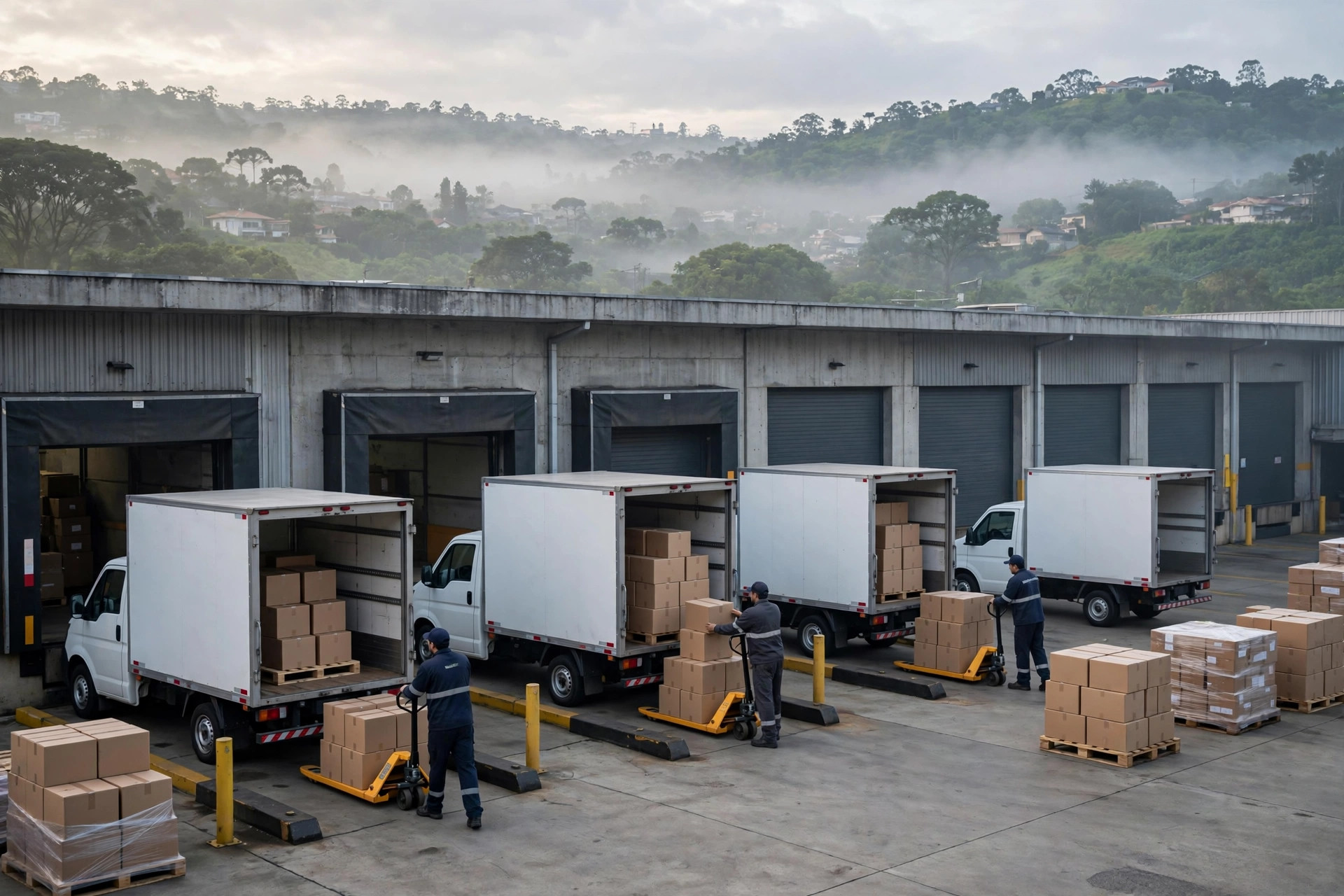
Dropshipping looks effortless, but the meter is always running. First line item: the per-order fulfillment fee. A typical China-based dropship warehouse charges $1–2 per order for a basic small item; add QC, labeling, or custom packaging and you're past $3. Small number — until you multiply it by monthly volume.
Second: first-mile freight. Small parcels fly direct via express or dedicated parcel lines, priced by the gram. A 0.8 kg parcel to the US runs roughly $8–12 (illustrative magnitude — check carriers' current published rates, but the order of magnitude holds).
Third, the one everyone forgets: returns. Cross-border direct parcels basically can't be shipped back economically. They get abandoned locally or handled by a US returns agent. Even a 5% return rate, amortized across every order, is real money. A home-goods seller I worked with in 2023 was paying his Shenzhen dropshipper $4 per return to dispose of items locally; at a 7% return rate, that single line item carved a visible chunk out of his margin on that SKU.
Add it up and dropshipping's all-in per-order cost often lands in the $12–16 range. One advantage: zero inventory, zero capital tied up. Kill the listing anytime. The price is a per-order cost that never comes down.
What bulk stocking saves — and what it adds
Bulk stocking plays a different game: ocean freight to a US warehouse, then domestic dispatch order by order. The cost structure changes completely.
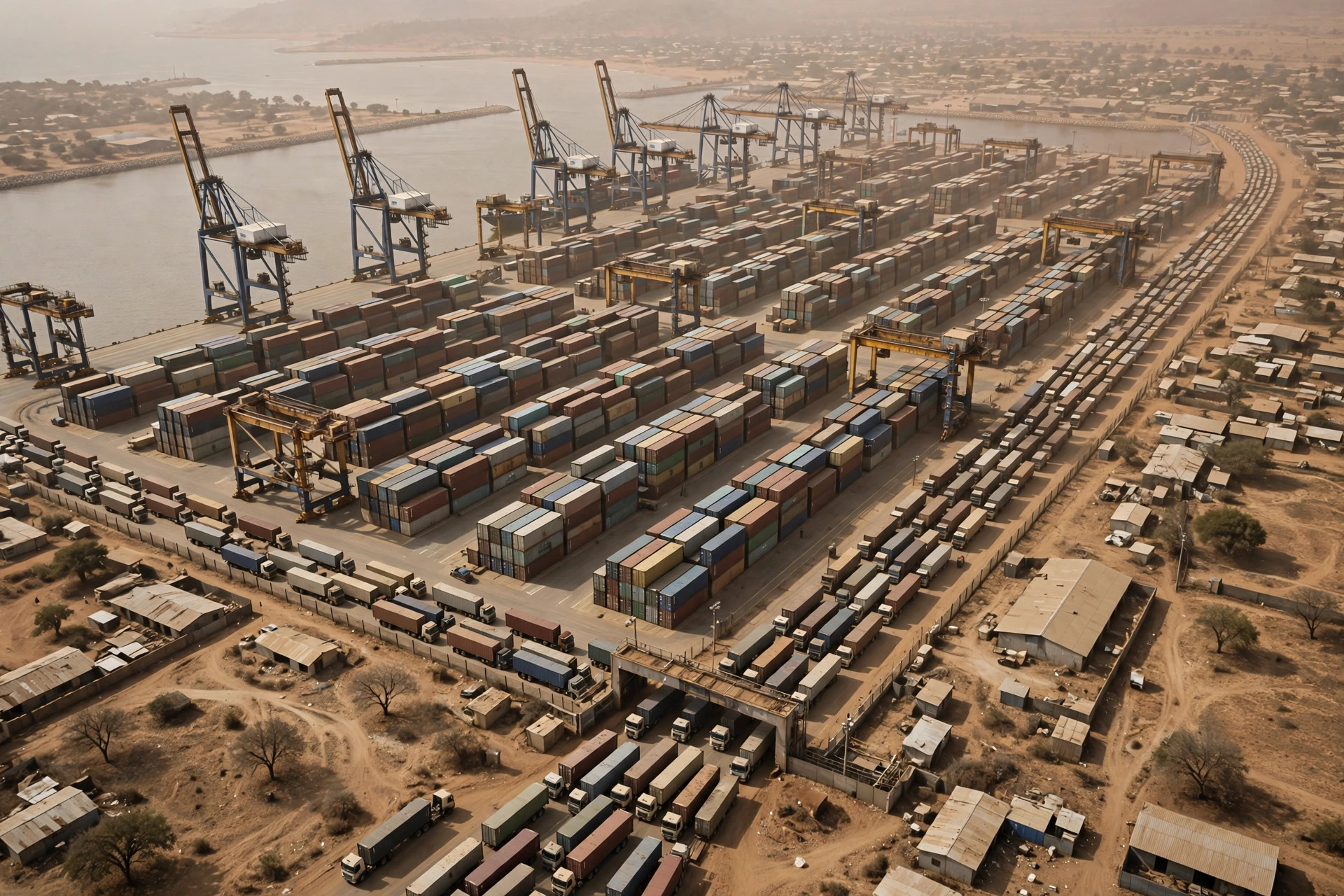
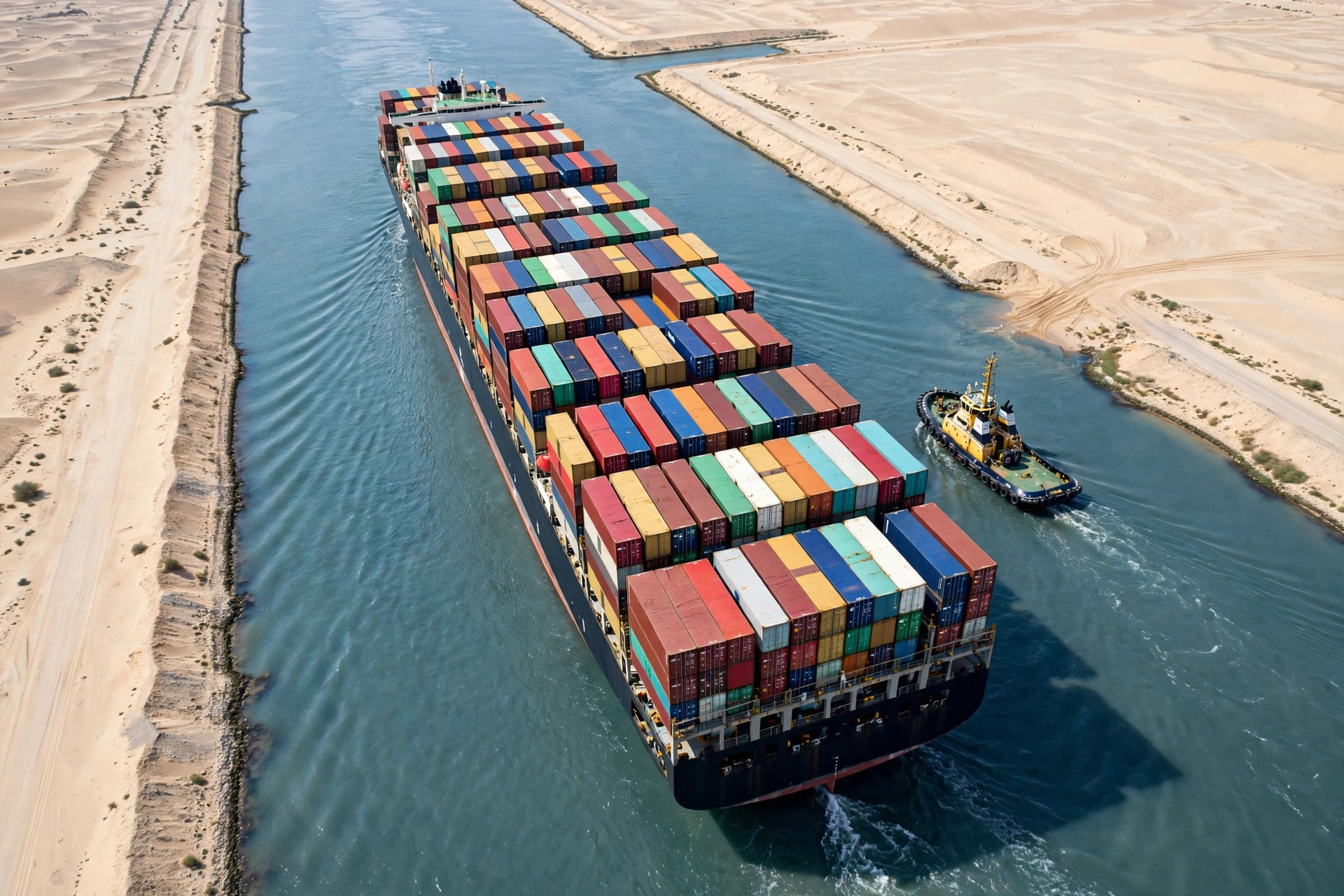
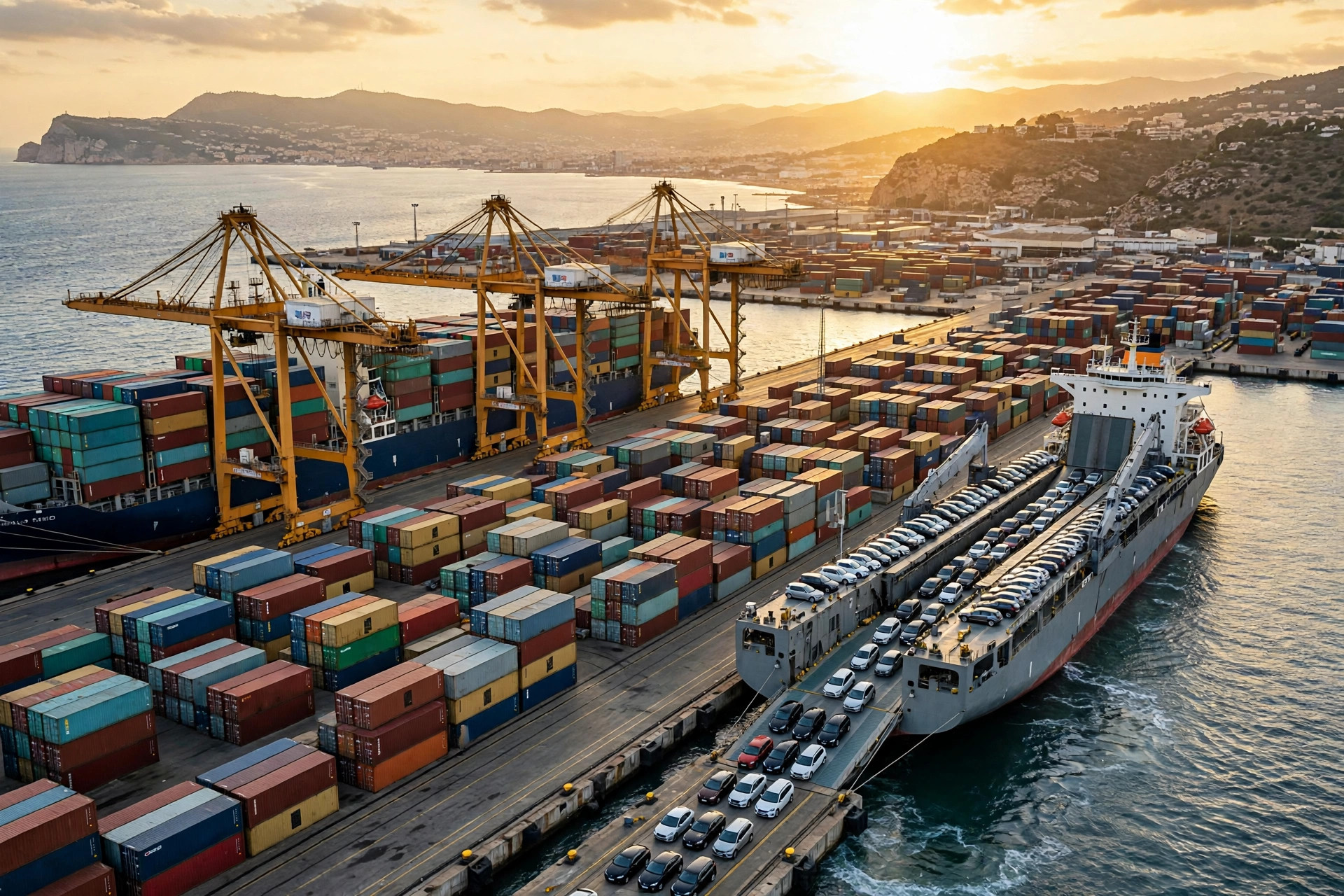
First-mile is the big one, and it collapses once amortized. A 40-foot high-cube from Yantian, Shenzhen to Long Beach ran roughly $4,000–7,000 in the 2024–2025 window depending on season (illustrative range — get a live quote from your forwarder). That container holds, say, 20,000 units of a 0.8 kg item. Amortized first-mile: about $0.30 per unit — an order of magnitude cheaper than the $8–12 direct parcel. That single line is the entire economic argument for bulk.
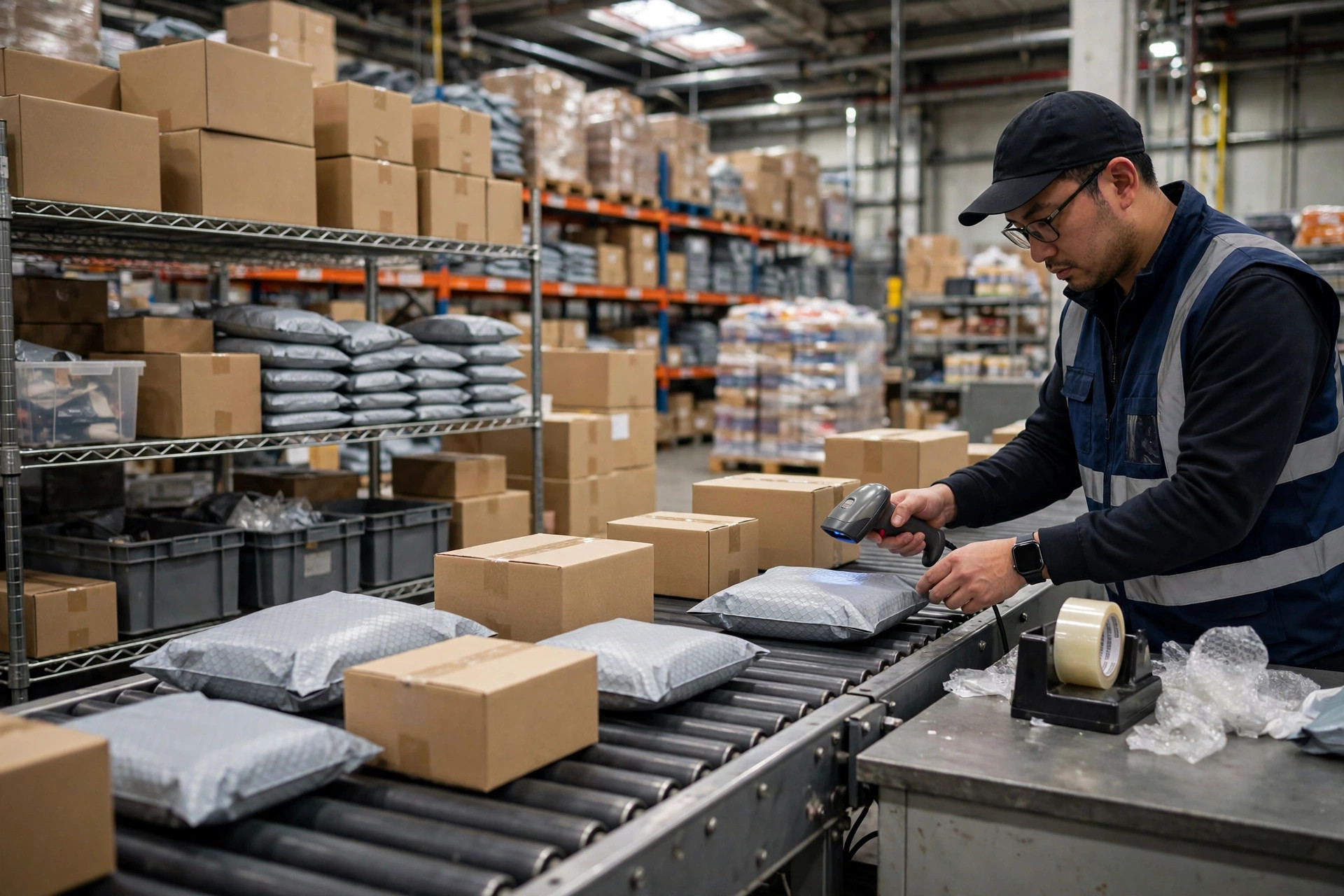
Last-mile is the second win. Domestic US parcel from the warehouse runs roughly $5–7 for 0.8 kg — 30–40% cheaper than cross-border direct — and delivery time shrinks from 10–15 days to 3–5, which lifts conversion and repeat purchase rates on its own.
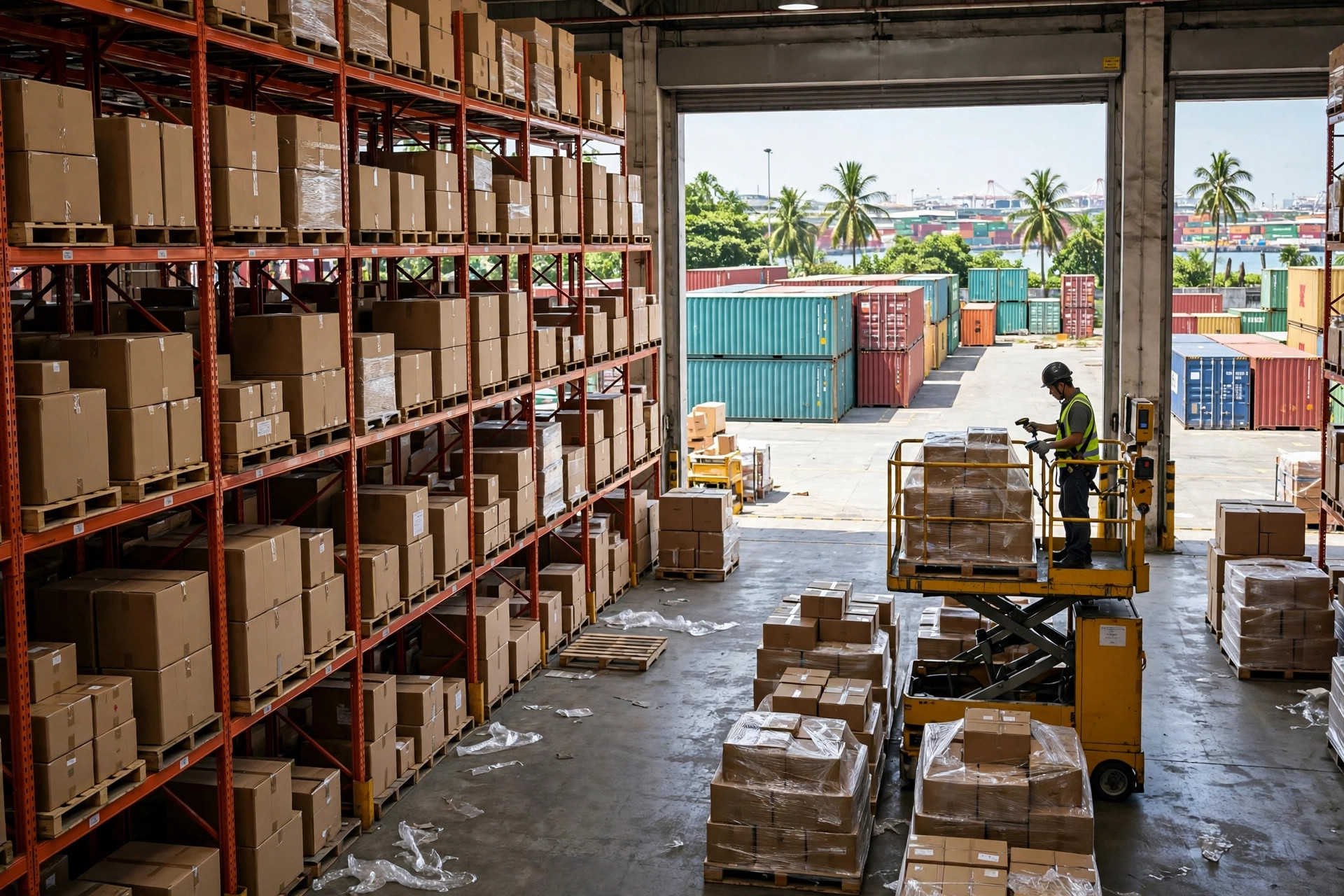
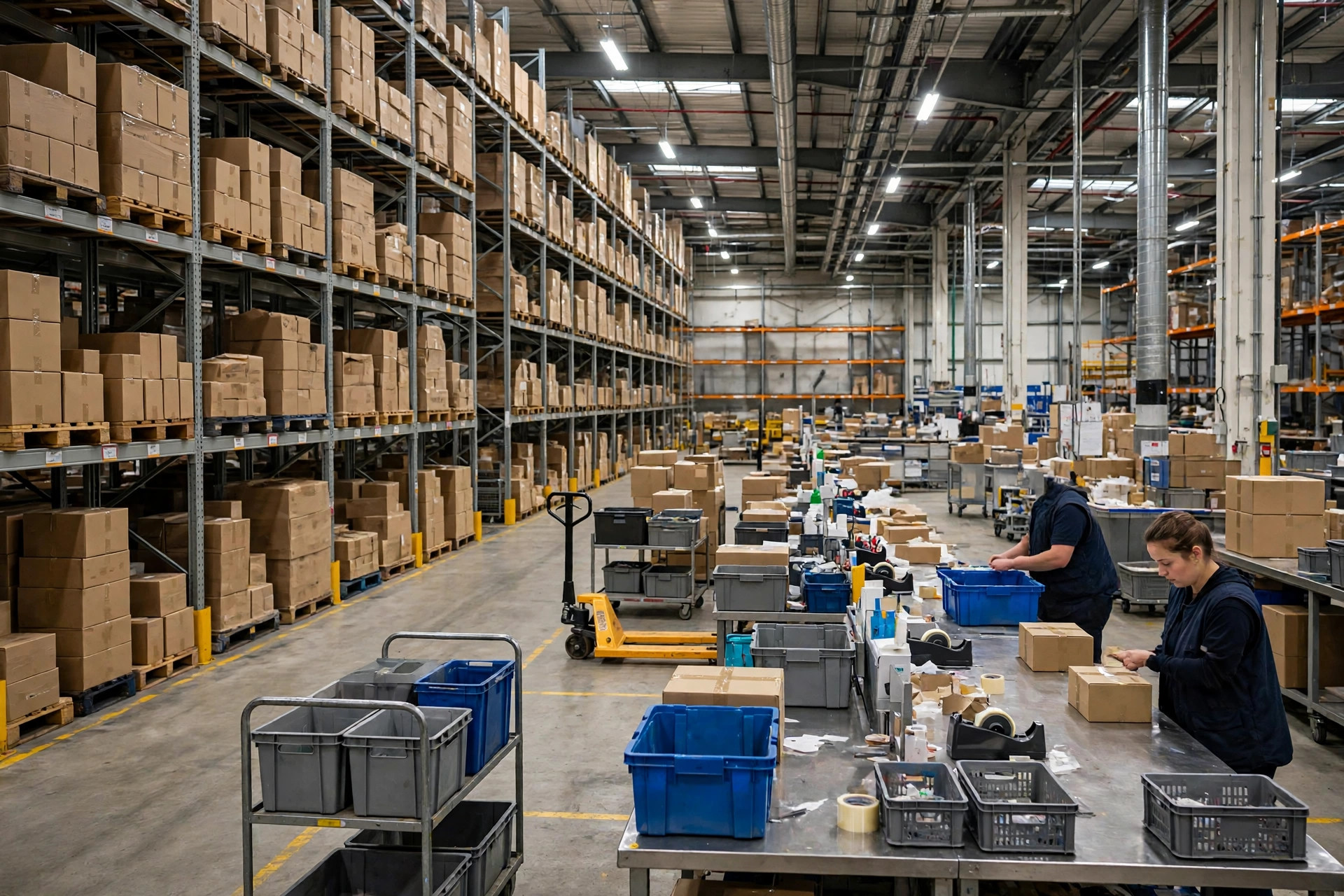
But bulk adds three costs dropshipping doesn't have: US warehouse storage (a pallet position in California commonly runs $30–50/month), capital tied up in transit and on the shelf (30–40 days on the water plus safety stock — at an 8% annual cost of capital it has to go into the per-order math), and dead-stock risk. Ship it over and it doesn't sell? Sending it back costs more than the goods are worth. It's sunk.
Working backward to your breakeven
The logic is one sentence: switch to bulk when the per-order logistics savings, times monthly volume, exceed bulk's extra fixed costs.
As a formula:
Breakeven monthly orders = bulk monthly fixed costs ÷ (dropship per-order cost − bulk per-order variable cost)
Let me run a worked example — explicitly hypothetical, using round illustrative numbers so you can plug in your own:
Take a SKU weighing 0.8 kg, selling at $25. Dropshipping: $2 fulfillment fee + $10 direct parcel + $1 amortized returns = $13 per order. Bulk: $0.30 amortized ocean freight + $6 last-mile + $1.50 inbound/outbound handling = $7.80 variable per order. Per-order gap: 13 − 7.80 = $5.20.
Bulk's monthly fixed costs: 20 pallet positions at $40 each = $800; capital cost on, say, $50,000 of inventory in transit and on hand ≈ $330/month. Total: $1,130.
Breakeven = 1,130 ÷ 5.20 ≈ 217 orders. So past roughly 220 orders a month, bulk starts winning for this SKU — and by 800 orders, per-order cost is 40%+ below dropshipping.
You only need three numbers of your own: current all-in dropship cost per order, bulk variable cost per order, and bulk monthly fixed costs. If the breakeven comes out below your actual volume, start stocking. If above, stay on dropship.
Test with dropship, scale with bulk
The formula gives you the cost optimum. Operations adds a second layer: capital and risk.
My standing advice hasn't changed in years: always test new products on dropship first. In the testing phase your biggest cost isn't logistics — it's being wrong about demand. Dropshipping lets you discover true conversion with near-zero inventory. Paying a few extra dollars per order during testing is buying information. Worth it.
Once monthly volume holds above your breakeven, transition — but don't go all in. First bulk shipment: 1.5 months of sales, not a quarter's worth. In 2022 I watched a pet-supplies seller move three containers to a New Jersey warehouse the moment his test data crossed the line. Then the marketplace changed a category policy, traffic halved, and three containers sat for nine months. Clearance didn't even cover cost. The breakeven tells you the cost optimum; it doesn't tell you to gamble.
One more detail: after switching, don't kill the dropship channel. Keep it as a relief valve — peak-season overflow, stockout windows. Two channels cost slightly more. The resilience isn't slightly better; it's in a different league.
Use this tomorrow: take your best-selling SKU and fill in three numbers — (1) your current all-in per-order dropship cost; (2) your bulk per-order variable cost (amortized ocean freight + last-mile + handling); (3) bulk's extra monthly fixed costs (storage + capital). Breakeven = (3) ÷ [(1) − (2)]. If it comes out below your current monthly volume, that SKU should start moving to bulk stocking next month.