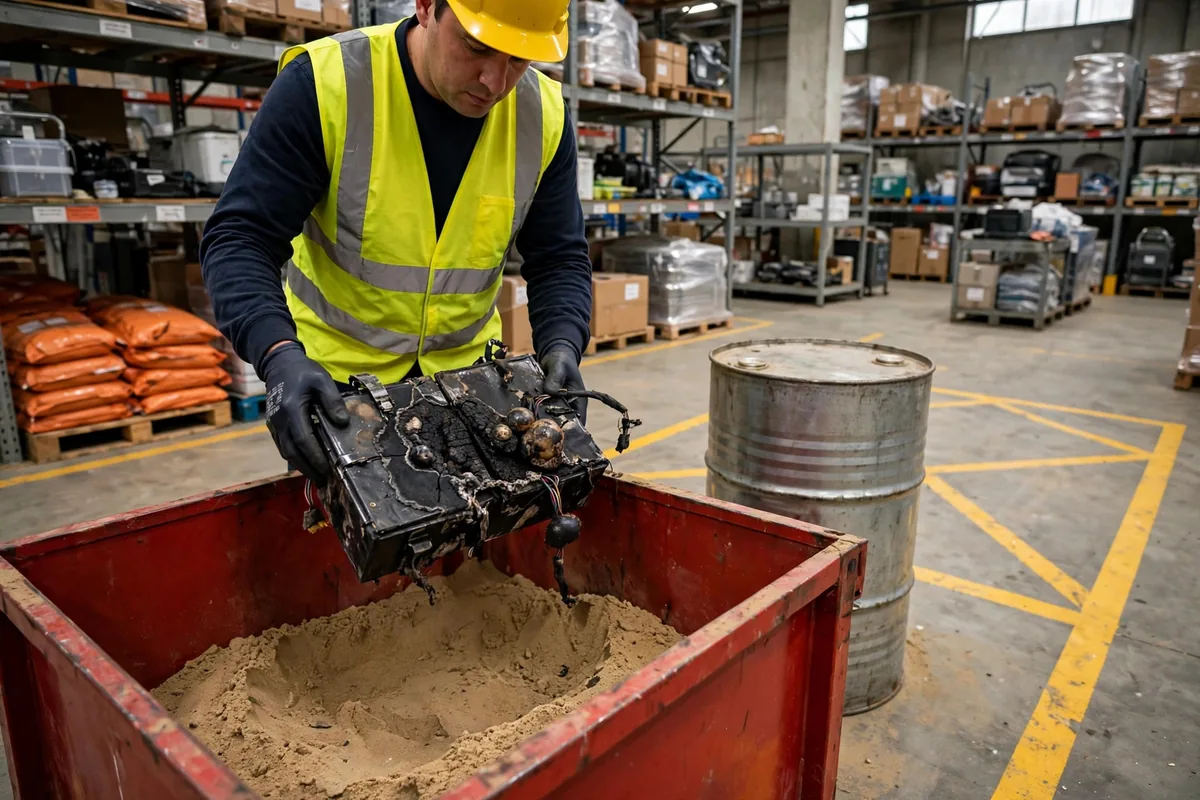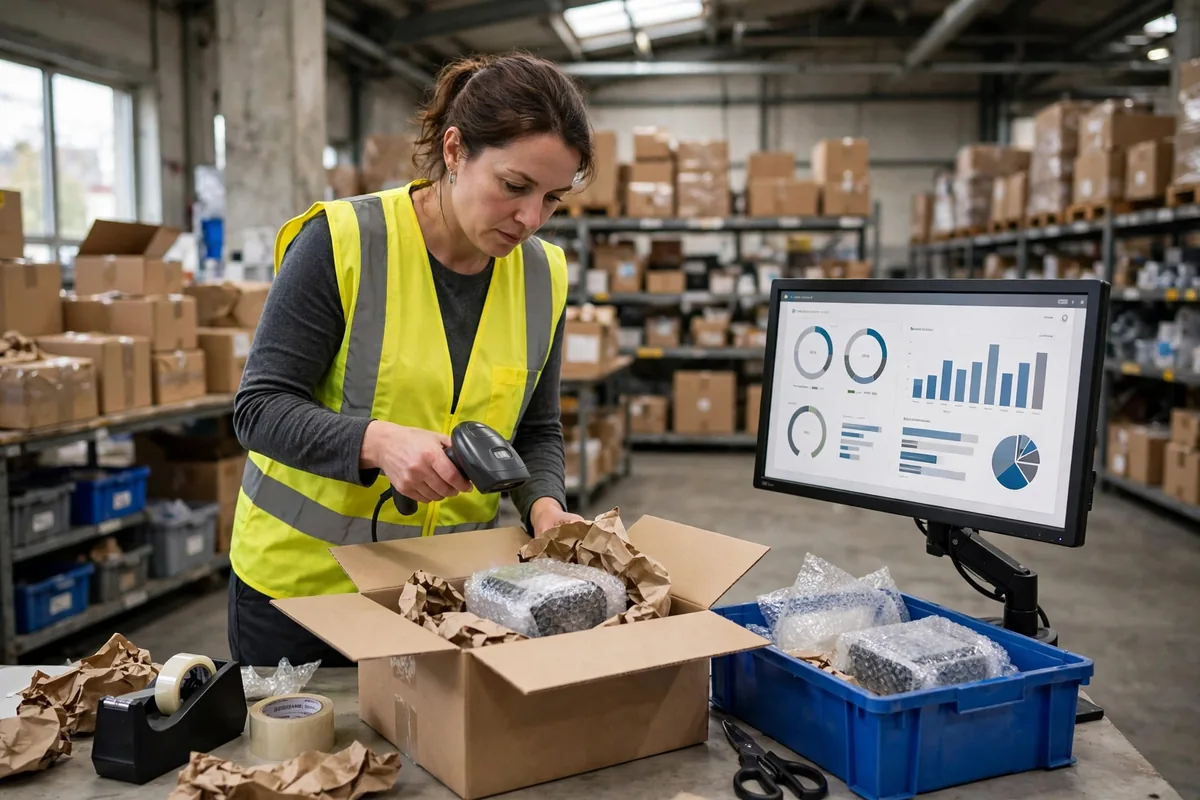
We had a client in Shenzhen selling home goods with a team of fewer than twenty people. After a big November sale, a broken OMS return and refund process nearly buried them. Thousands of orders had gone out in three days, and the return requests came in right behind them, dozens a day. The warehouse had to receive each parcel, inspect it, and log it before anything could move. Customer service was fielding the same question all day: when will I get my money back? One return stuck with me. A customer sent back a bedding set. The parcel sat unopened by the warehouse door for four days. She left a one-star review that said, in so many words, getting a refund was harder than placing the order. The owner told me later that in the week after that review, the store's conversion rate visibly slipped. That is the moment I keep coming back to whenever someone asks me what OMS return and refund process design is really about. It is not a back-office workflow. It is the second sale.
Most sellers negotiate a warehouse contract the same way. They argue hard over outbound shipping speed and storage fees, then skim past the returns page and sign. The trouble only shows up when returns actually arrive. The request lands in the system, but the warehouse cannot see it. The warehouse receives the goods, but finance will not release the refund. Finance wants to release it, but nobody can confirm whether the item came back in sellable condition. Every handoff stalls, and every stall costs trust.
Where OMS return and refund process design actually breaks
We had another client in Guangzhou selling women's clothing at a modest price point. Her business lived or died on repeat buyers. She worked it out in plain numbers: a loyal customer might order seven or eight times a year, and if one refund drags on for ten days or more, that customer is very likely shopping elsewhere next time. When refunds drag, disputes rise, and the marketplace notices — a store with more disputes pays for it in visibility, which means paying more for traffic to win back the same sales. Holding on to the money for a few extra days looks like protecting cash flow. In practice, you are trading repeat purchases and cheaper traffic for a very short delay.
Here is the part sellers rarely price in. I have sat across the table from plenty of clients — let us call them the甲方爸爸, the demanding client who pays the bills — who will fight over pennies on storage fees and never glance at the return handling fee. Then the contract starts running, and the real bill arrives: receiving, inspection, restocking, and disposal fees. Added together, those return charges often cost more than whatever was saved on storage.
Refund first, or inspect first? Pick your trigger
Every OMS return and refund process design comes down to one decision: at which point does the money go back? Change that point and the whole workflow, the risk, and the cost change with it. There is no answer that fits every seller. There is only the answer that fits your product.
| Refund trigger | Best for | Upside | Risk |
|---|---|---|---|
| Refund only after goods reach the warehouse | High-value, fragile, or easily swapped items | Money moves only when goods are in hand | The slowest experience for the buyer, and the most complaints |
| Refund after inspection passes | Most apparel and household goods | Balances speed with a real check, and disputes have evidence | Inspection queues can stall everything unless a deadline is agreed |
| Refund on carrier delivery scan | Low-value, standardised items | The best buyer experience, and the strongest repeat purchase | You refund before inspection, so swapped or damaged goods have to be chased afterwards |
Our Shenzhen client eventually changed their approach. For standard items under a low price threshold, the refund went out once the carrier scan confirmed delivery and the system matched the tracking number, with the warehouse inspection happening afterwards and problem parcels routed into a separate recovery flow. In the first month after the change, refund-related customer service contacts fell by nearly half. Here is the counterintuitive part: faster refunds did not push the return rate up. A lot of sellers worry that refunding early invites abuse. In real operations, the people who game the system are a small minority, while the ordinary buyers driven away by a slow refund are the majority. Refunding early looks like the seller and the 3PL taking on risk. In practice, you are paying a small cost on a few exception cases to keep a much larger group of customers.
That logic only holds if you define damaged and unsellable returns before they happen. What counts as damaged? What counts as no longer sellable? How many photos does the warehouse take, who takes them, and how many days do they have to reach a decision? Those answers belong in the process, not in someone's head on the warehouse floor. The worst arrangement I have seen is a contract that says refunds follow "the actual inspection result" while nobody has defined the inspection standard. Every exception then turns into a group chat with customer service, the warehouse, and finance each arguing a different version, and a single parcel can burn three days.
My rule is simple: give the OMS one main road for normal returns, and send only exceptions down a side road. A normal return should flow on its own — the request creates a return order, the warehouse scans the parcel on arrival, a passed inspection triggers the refund, and nobody has to click "next" by hand. An exception should freeze the refund automatically, capture photos as evidence, and push the case to a named person with a deadline, escalating on its own if that deadline passes. If the main road needs manual help, the exceptions will be chaos.
Negotiating the OMS refund process? Ask these three questions
When you sit down to negotiate a warehouse contract, treat the returns and refunds section as a test of the partner, not as paperwork. Ask these three questions, get the answers in writing, and only then talk about price.
Ask at which point the refund is triggered, and whether it can vary by product type or order value. Write the trigger into the contract, not into a verbal promise. When the trigger changes, the system configuration, the customer service script, and the warehouse workflow all have to change with it, so "we will work it out later" is where disputes are born. While you are there, ask whether the OMS supports different triggers for different categories — a system that supports that split gives you far more room to negotiate.
Ask who judges a damaged return, how many days they have, and what happens when they miss the deadline. You need a named decision-maker, a written standard, photo evidence, and an escalation path. If any one of those is missing, exception parcels will sit untouched in the system. Ask one more thing: if the buyer disagrees with the decision, what is the appeal route, and who pays for it?
Ask who pays when a refund goes wrong — a duplicate refund, a refund sent before the goods came back, a payment to the wrong account? Under a refund-first model, these rare events will happen, and agreeing the split before they happen is far cheaper than arguing about it afterwards. Some 3PLs cover losses caused by their own operating errors, others cover only system failures, and the wording varies from provider to provider. Get the exact wording before you sign. For marketplace-specific refund timelines and fee rules, check the platform's official policy as it stands at the time — those numbers change, and a contract that hard-codes them will be out of date within a year.
Next time you negotiate a contract, ask these three questions: when does the money go back, who decides on a damaged return, and who pays when a refund goes wrong. Answer those before you argue over price, and what you walk away with is more than a cheaper storage rate. It is a returns road your customers will actually be willing to walk again.
By Susan, 3PL Sales Director