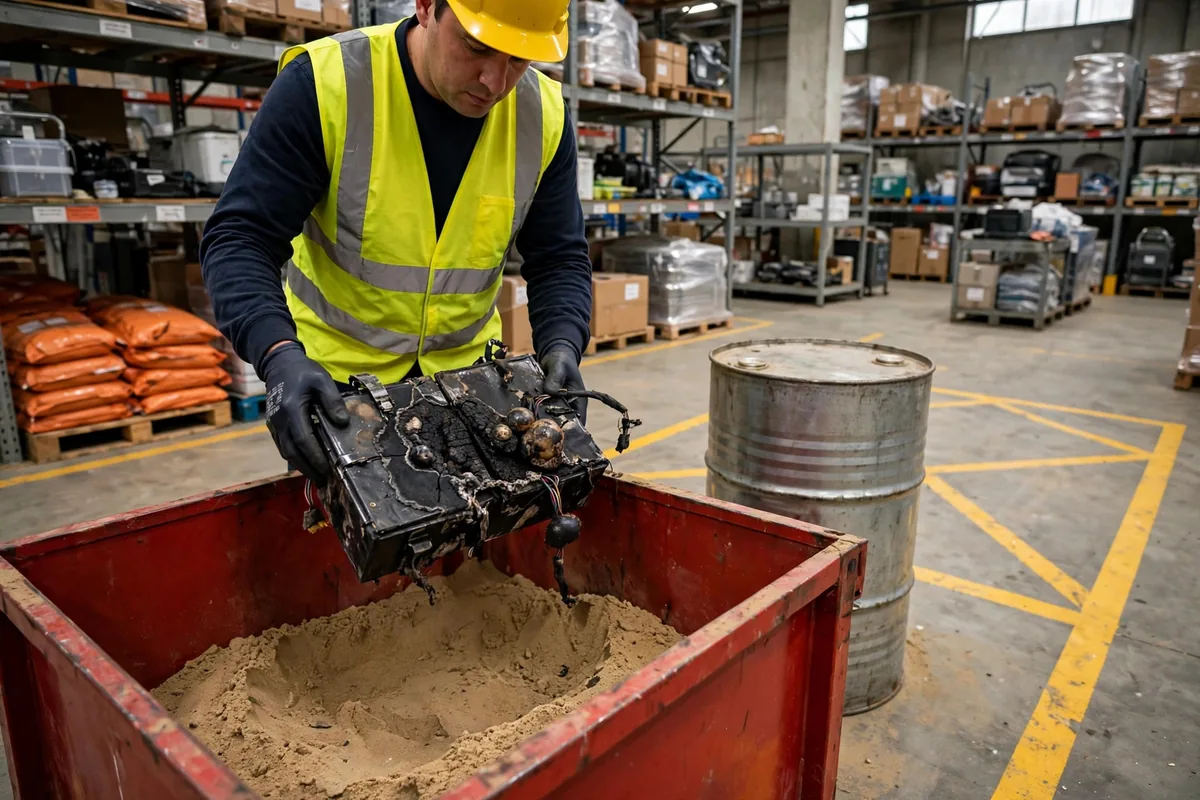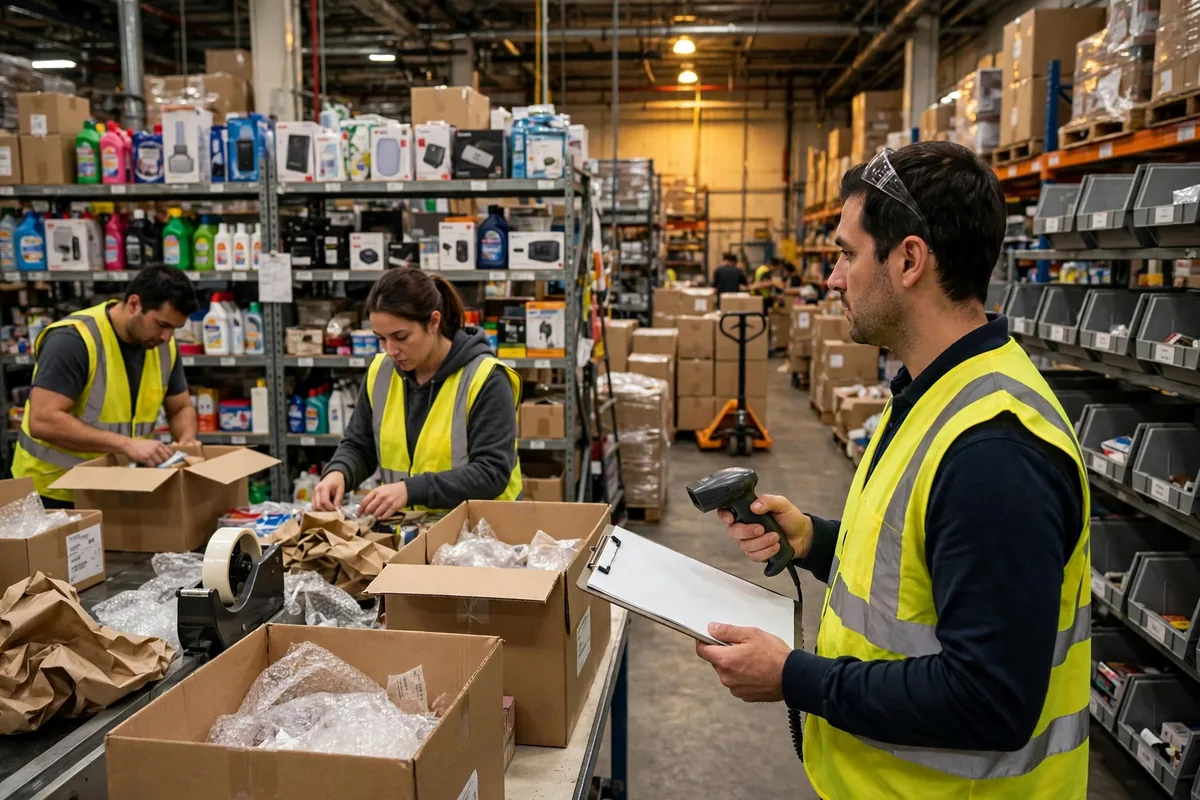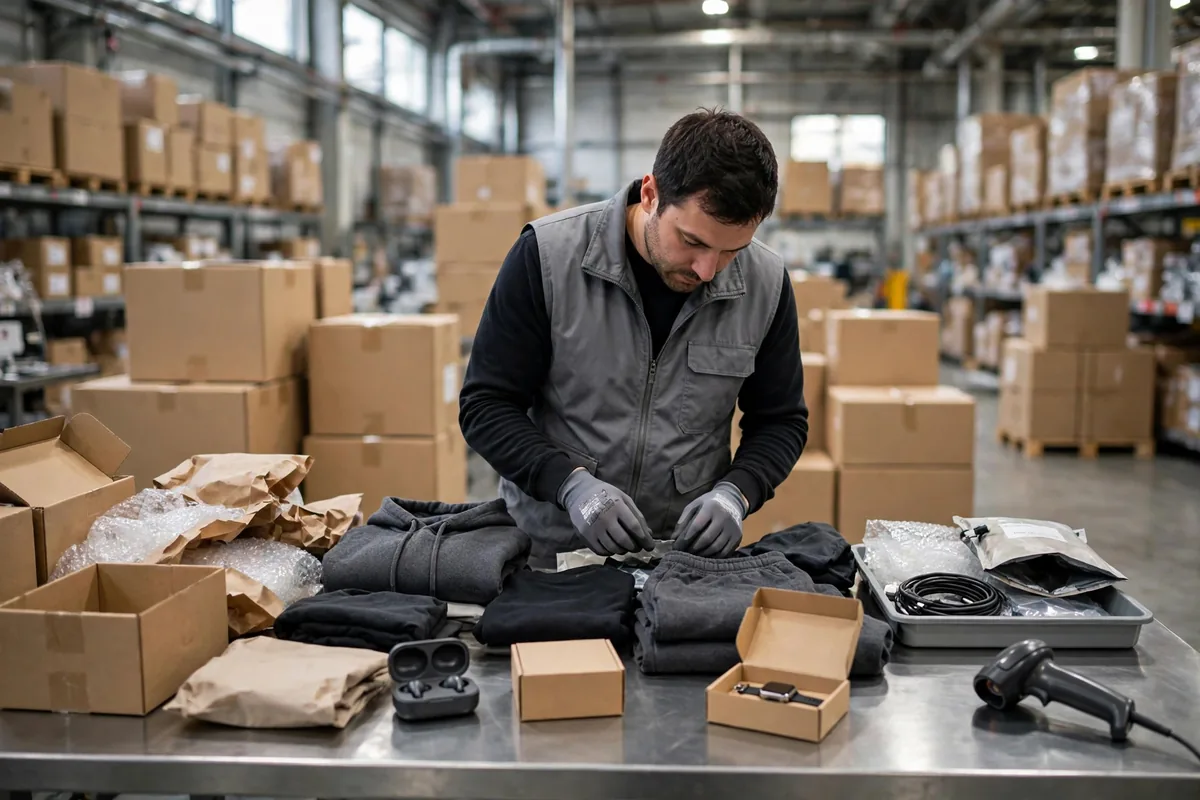
We have a client who sells women's fashion online. Last January, right after the returns season peaked, their OMS return refund workflow jammed completely. Three pallets of returned dresses sat waiting for inspection while customer service took more than 200 calls asking where the refunds were. The founder came to me and asked: we are not holding anyone's money hostage, so why is a refund this hard? I gave him one sentence back: refunds are never slow because of finance. They are slow because the process never treated the return as a real job in the first place.
That sounds harsh, and everyone on our side of the table knows it is true. In most OMS return refund workflow designs, nobody reads the returns half of the contract closely. The sales demo shows you ordering, picking, and shipping, all smooth and fast. The return leg is always "we will figure that out later." Then return volume spikes and everything surfaces at once: the goods arrive but the system does not know, inspection results never get entered, the refund instruction sits in finance, complaints explode, and the warehouse takes the blame.
The First Break in an OMS Return Refund Workflow: the Goods Arrive and Nobody Knows
We have another client selling phone accessories. After a big November promotion in 2025, more than 1,800 returns landed in a single week. Here was their process: the courier dropped returns at the dock, a warehouse worker opened boxes, counted items, wrote them on a sheet, and sent photos to customer service at the end of the shift. Service agents then created return orders in the OMS by hand, one at a time. The result: on average, 26 hours passed between a parcel arriving at the dock and the system knowing about it. For 26 hours, the customer saw "return in transit" on their phone, and the service agent could only say "please wait a little longer."
Here is the counterintuitive part: the most expensive step in a return is not inspection or the refund itself. It is waiting. Every extra day a returned item sits in the warehouse, its resale value drops. Fashion is the worst case. A seasonal style held for a week usually ends up in the clearance pile. The National Retail Federation and Happy Returns put the 2025 online return rate at 19.3% of online sales, roughly one order in five coming back. At that volume, return processing speed is money, not housekeeping.
The fix for this first break is concrete. Scan the return parcel the moment it reaches the dock. That scan should create the return order in the OMS immediately, with the status "received, awaiting inspection," visible to the customer at the same time. The scan code, the return label, and the original order number must be linked in the system in advance. Nobody should be matching order numbers by eye. What you save is not a few minutes. It is the hundreds of calls that never reach your service team.
Inspection Decides Whether the OMS Return Refund Goes Out the Same Day
Once the goods are identified, inspection is the second gate. Many warehouses keep their inspection standards on a wall chart and leave the actual call to whoever is on shift. One inspector calls a missing tag a B-grade item; the next day another one calls the same condition sellable at full price. The moment the standard drifts, the refund stalls. Finance will not release money, service will not answer the customer, and the goods sit in the inspection zone.
We have a client who learned this the expensive way. In June 2025, a batch of returned wireless earbuds waited nine days for an inspection verdict, because inspectors and service agents argued for three rounds over what counts as a "light sign of use." Of the 400-plus units, fewer than half could be resold at full price. Only after the numbers came in did the founder understand: inspection standards are not a quality department matter. They are a money matter, written into the OMS return refund workflow itself.
Keep inspection to three grades and no more. Grade A means good as new and resellable. Grade B means a minor flaw, sold at a discount. Grade C means scrap or return to the supplier. Each grade gets a photo reference card. The inspector scans the item, taps the grade, takes two photos, and the OMS routes it automatically: A goes back to stock, B goes to the discount area, C goes to scrap approval. The refund instruction should fire the day the inspection result lands, for grades A and B alike. Do not wait until the item is back on the shelf.
Why the OMS Return Refund Takes a Week: Four Hands Touch Every Refund
Now the money side. The question every customer asks is: you confirmed receipt, so why does the refund take another week? The answer is that a refund passes through four hands between the merchant and the customer's account: the merchant, the acquiring bank, the card network, and the issuing bank, each processing in batches. The published industry range is five to ten business days for a credit card refund to appear. Under US Regulation Z, a merchant that accepts a return must transmit the credit to the issuer within seven business days, and the issuer must then post it within three business days.
Read that carefully. The merchant controls only the first leg: the time between inspection approval and the refund instruction leaving the OMS. Drag that leg out by three days and the customer's wait stretches from seven days to ten. That is why the service metric in a return and refund workflow should never be "how many days until the customer sees the money." It should be "how many hours after inspection approval until the refund instruction is sent." Put that number in the service agreement and it becomes something you can actually enforce.
The table below is an illustrative example, showing what a single return really costs:
| Cost item | Illustrative example (per order) |
|---|---|
| Return shipping (merchant-paid) | $4.00 |
| Warehouse receiving, inspection, restocking labor | $2.20 |
| OMS and customer service handling | $1.30 |
| Markdown loss on resale | $3.10 |
| Total | $10.60 |
At 3,000 returns a month, that is more than $31,000 in processing cost alone. I run this math for every client before we sign, not to scare anyone, but because the client needs to see it: every day shaved off the return flow is real money. One day faster means one less day of stock sitting in inspection and dozens fewer calls to service.
Three Things the Contract Must Spell Out
This is my home turf. An OMS return refund workflow that lives only in an operations manual has no owner when things go wrong. It belongs in the contract appendix as a service standard. Three things to pin down in the negotiation:
Time limits by stage, not by slogan. Write down how many hours after arrival the parcel must be scanned into the system, how many hours inspection gets, and how many hours until the refund instruction goes out, each with a remedy if missed. "Processed promptly" means nothing. A number with a consequence means everything.
Ownership of exceptions. No-questions returns, quality defects, wrong items shipped, refused deliveries: who pays the freight in each case, who decides the inspection grade, and how the refund percentage is set. Agree on it before signing. The worst fight I have seen started with a return reason coded as "other" in the system and ended in a month-end reconciliation argument.
Fraud defenses. The same NRF report puts fraudulent returns at about 9% of all returns. Empty-box returns and swapped-item returns are not new. The OMS needs a return blocklist and a warning for high-frequency returns from one address, plus inspection photos kept as evidence. The point is not to punish honest customers. It is to let honest customers get their refunds faster.
Next time you negotiate a contract, ask these three questions: how many hours after a return reaches the dock before the system can see it? How many hours after inspection approval before the refund instruction goes out? Is there a fraud warning and evidence process for returns? Three questions, and you will know whether the other side truly understands returns or only knows how to demo the outbound flow.
By Susan, 3PL Sales Director