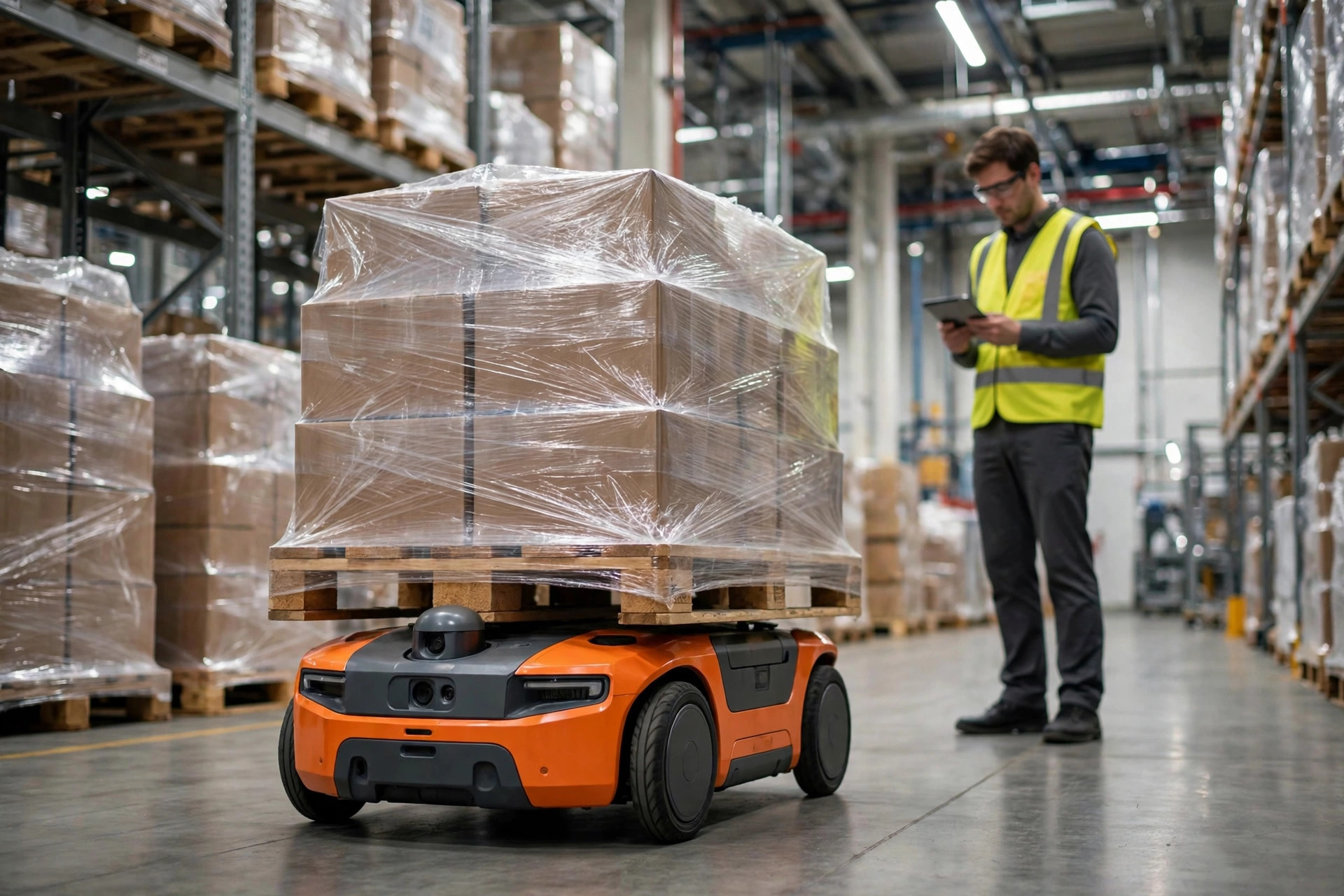
The same AMR has two legal paths to getting powered up inside a U.S. warehouse. Path one: send the model to a lab for NRTL listing — roughly $20,000 and up, a quarter or more of waiting, then unlimited units with no further fees. Path two: a field evaluation at the customer's site in the U.S. — a few thousand dollars a visit, done in weeks, but you pay again for every installation.
The regulation first, because some exporters still gamble on it. OSHA's 29 CFR 1910.303(a) requires workplace electrical equipment to be "approved," and 1910.399 defines "approved" as acceptable to OSHA via a Nationally Recognized Testing Laboratory recognized under 1910.7 — accepted, certified, listed, labeled, or otherwise determined safe. Section 1910.303(b)(2) adds that listed or labeled equipment must be installed and used per the listing instructions. In plain terms: the local electrical inspector (the AHJ) only recognizes an NRTL mark. Your CE paperwork from back home? Third-party evaluators have said it publicly: a CE mark alone is generally not enough in the U.S., because it is a manufacturer's self-declaration, not an independent certification.
So the question was never "do we need certification." It is "which path wastes the least money." Two bills, calculated one by one.
Bill one: what a listing actually costs
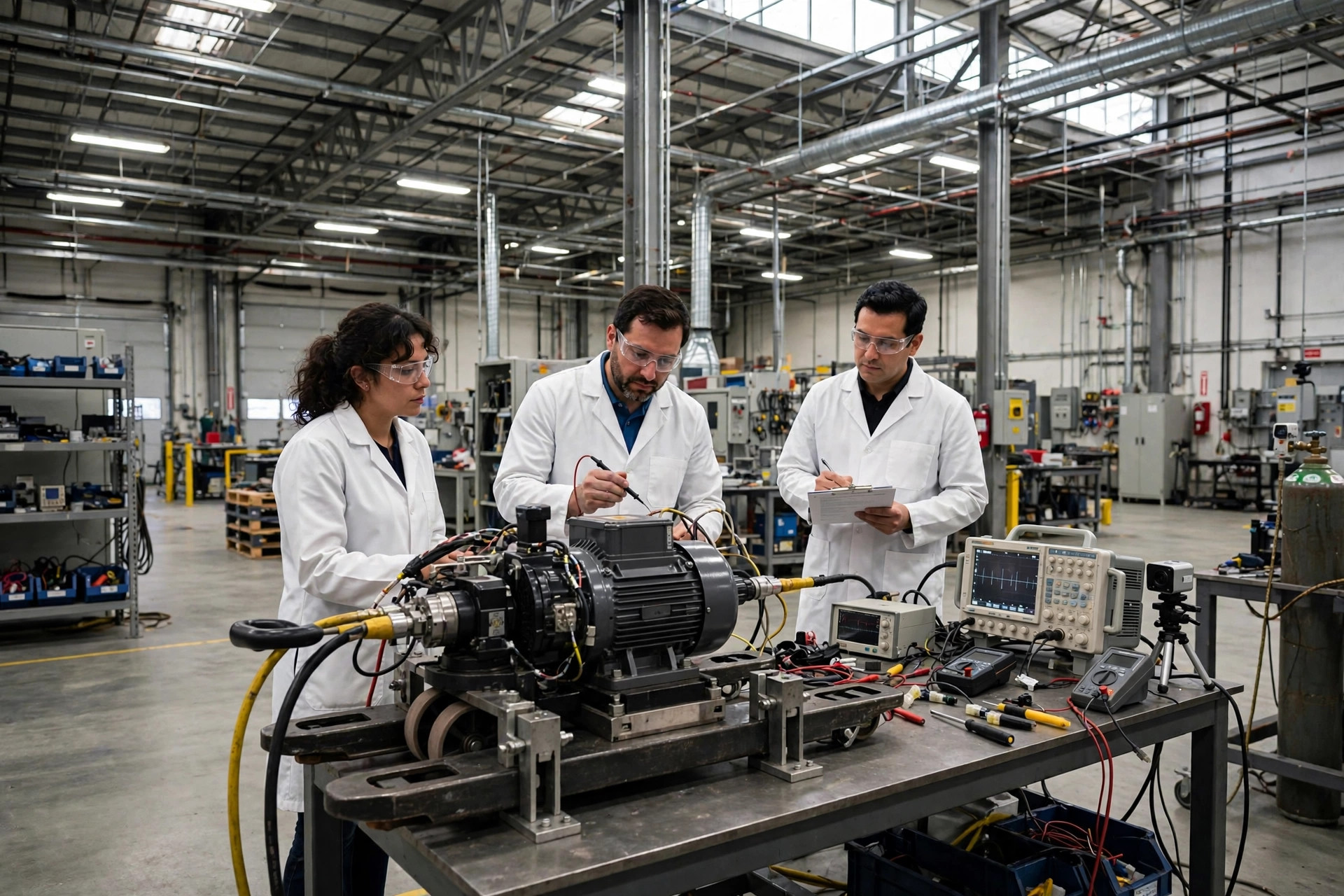
An NRTL listing applies to a model. You send one sample unit to the lab, it gets tested against the applicable standard — UL 508A for control panels, NFPA 79 for the electrical side of industrial machinery, ANSI/CAN/UL 3100 (first edition published 2021) for automated mobile platforms like AMRs. Pass, and the model is listed; every unit you ship afterward just carries the mark.
The cost structure breaks down like this. Testing fees are the big line. Practitioners on the Mike Holt electrical forum report that getting a panel shop qualified for UL 508A listing runs about $20,000 and takes about six months; a simple product's UL testing starts around $20,000 and goes much higher for complex equipment. Beyond testing, you pay for the standard documents, sample units, re-tests after failed rounds, and annual factory inspections once listed. And the line most people forget: time. A product delayed by a quarter loses a quarter of gross margin — that belongs on this bill too.
A listing has one advantage, but it is a hard one: marginal cost is zero. Unit 1 and unit 100 cost the same.
Bill two: what a field evaluation actually costs
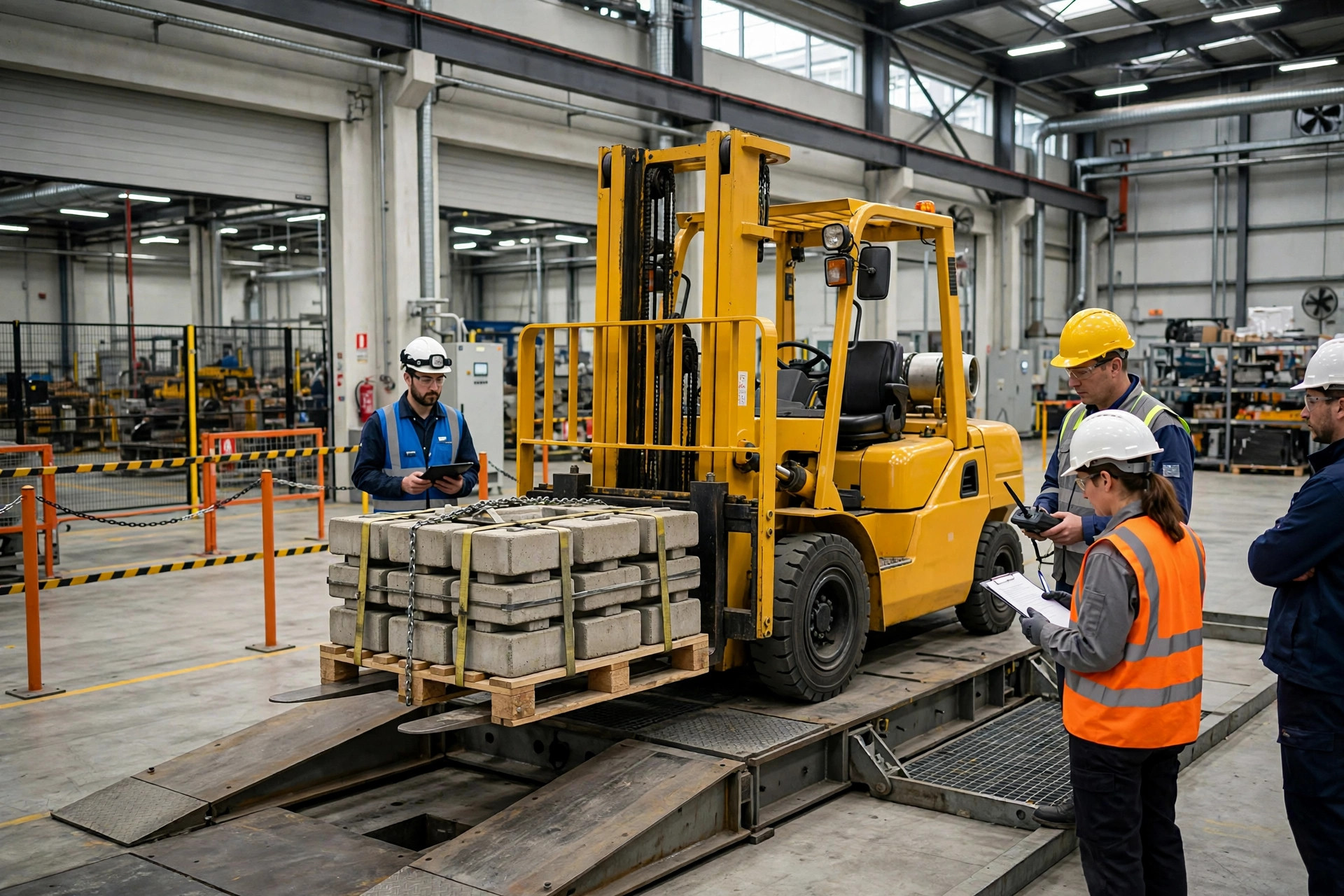
A field evaluation applies to the equipment already installed. An NRTL sends an engineer to the U.S. customer site and inspects the machine against the NEC, NFPA 79, UL 508A and similar standards (evaluation guidance includes NFPA 791). Non-compliant items get fixed and re-inspected; once it passes, the unit gets a field evaluation label plus a compliance report for the AHJ. Only then can it be energized.
The pricing logic is the opposite: pay per visit. One to three engineer-days on site, billed daily, plus travel and the report — typically low thousands per visit. TÜV SÜD's own process notes that in urgent "red tag" situations an engineer can be dispatched as soon as the next day.
But this path hides two traps. Trap one: nobody can quote the remediation cost before the evaluation is done. An IEEE Electrical Safety Workshop paper (ESW 2023) put it bluntly — field evaluations of non-listed equipment are "relatively expensive and time consuming," and the cost of modifying the equipment can only be known after the evaluation is completed. The day you sign the contract, that line on the budget is a question mark. Trap two: you pay per unit, every time. Three installations this year, three bills; five more next year, five more bills. The cost scales linearly with shipments and never amortizes.
Two cases where the math went wrong
In 2024, an AMR maker from Suzhou shipped six lift-type AMRs to a 3PL warehouse in Ontario, California. The container arrived, and the customer's electrical inspector said the words nobody wants to hear: no NRTL mark, no power. The equipment was already in the U.S., so a listing was out of the question — field evaluation was the only option. Six units, per-unit fees, two engineer trips, and then the emergency-stop circuit failed against NFPA 79 and had to be reworked and re-inspected. Per unit, the certification cost more than twice what a listing would have amortized to, and the project slipped five weeks. That money was wasted — for six units of one model, a listing (on the order of $20,000) would have amortized to roughly $3,000-plus per unit. The field-evaluation route cost more than double per unit.
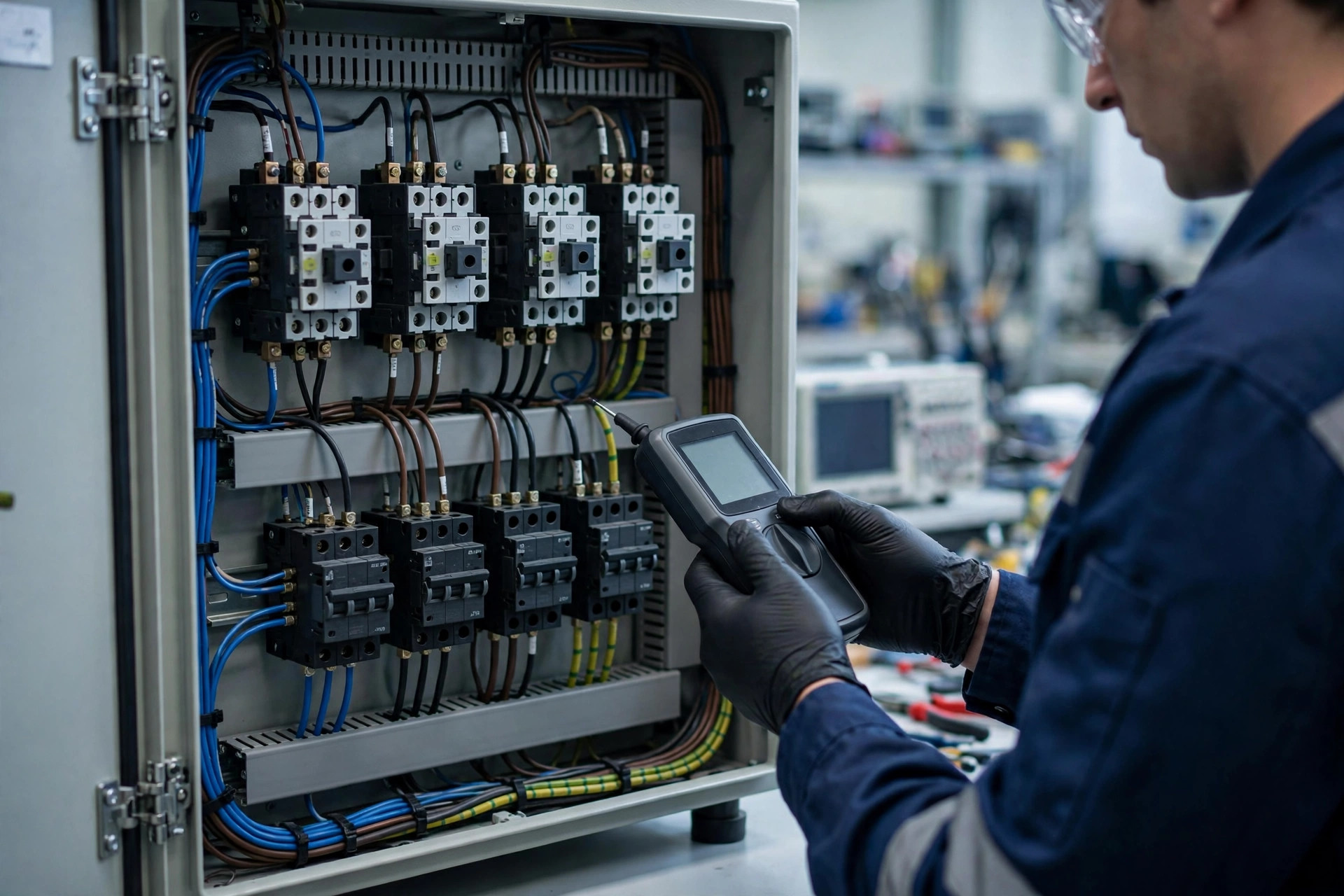
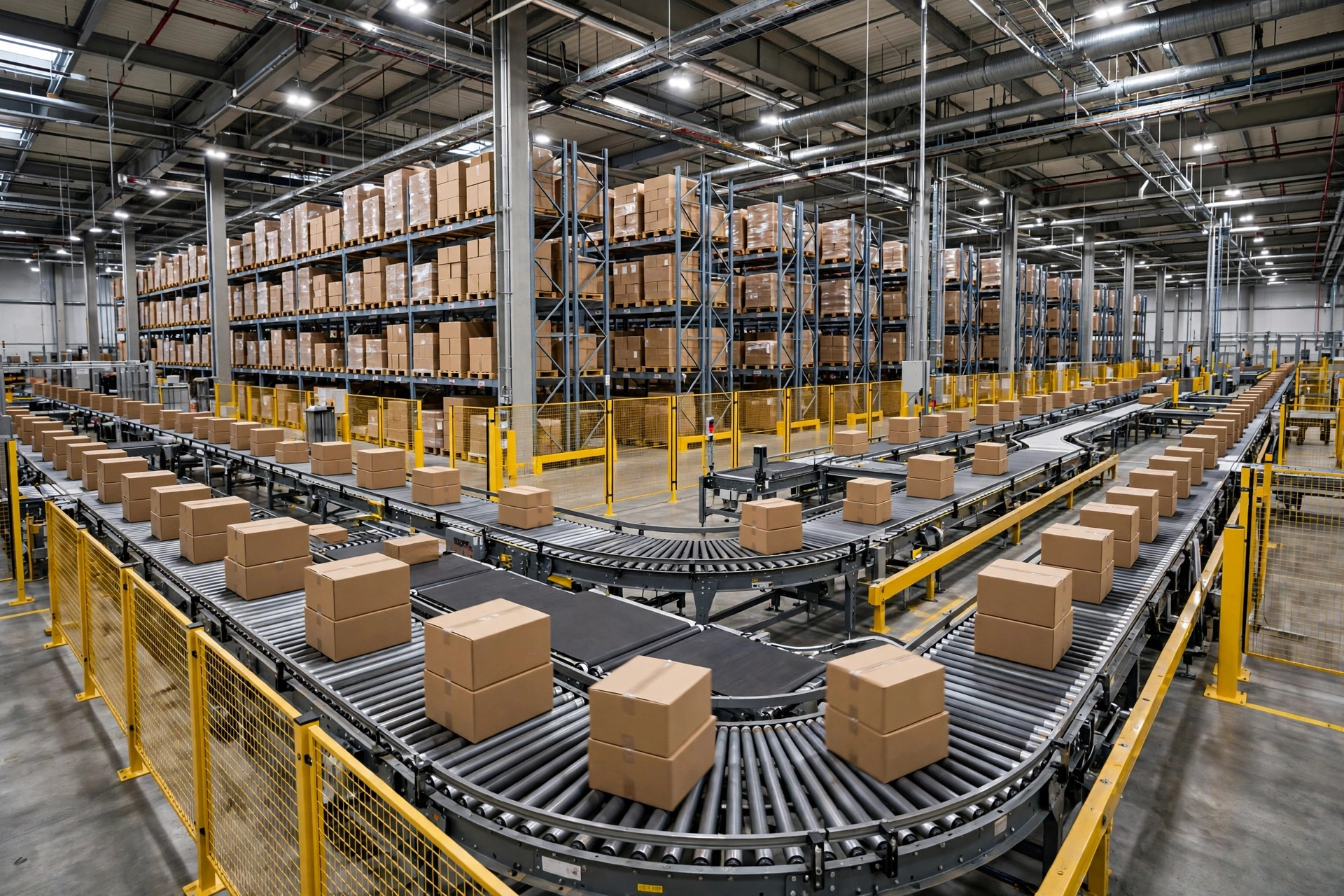
Early 2025, a conveyor-line integrator from Shenzhen shipped a full line to an e-commerce warehouse in Texas. The control panel had been built to CE standards back home. The AHJ only recognized an NRTL mark; the CE paperwork meant nothing. The evaluation found two non-compliances: the emergency-stop circuit did not meet NFPA 79, and wire fill inside the duct exceeded limits. They swapped in safety relays, re-routed the duct, and the engineer flew out a second time. Two site visits billed, parts and labor extra, and the customer waited two weeks for power. The lesson costs more than the first case: nobody could say what remediation would cost until the evaluation was finished, so the budget line stayed blank until the invoice arrived.
One table, one formula: how to choose
| NRTL listing | Field evaluation | |
|---|---|---|
| Billed against | The model, one time | Each unit / each visit |
| Cost scale | Simple products around $20K and up; complex equipment multiples of that | Low thousands per visit (engineer days + travel) |
| Timeline | Usually counted in quarters | Weeks, if things go smoothly |
| Coverage | Unlimited units of the listed model | Only the evaluated unit or batch |
| Biggest risk | Heavy upfront spend that never amortizes on low volume | Remediation cost unknown until evaluated; pay again per unit |
| Fits | The same model shipping in volume | Prototypes, one-off custom builds, emergencies |
(Typical industry quote ranges; confirm against each NRTL's quotation and schedule.)
The counterintuitive part: a field evaluation is not the cheap version of a listing. It is a listing bought on installment — at a very high interest rate. A listing is a fixed cost: pay once, ship unlimited. A field evaluation is a variable cost: pay per installation. The more you ship, the more it loses. Plenty of exporters treat field evaluation as the money-saving option. They have the math backwards.
Five places to find leverage:
First, outsource the control panel to a shop that already holds UL 508A listing. A North American panel builder's rule of thumb: getting the panel listed at the shop is the cheaper path every time. You do not need your own listing program — buying someone else's qualification is the cheapest money you will spend.
Second, specify Listed components, not just Recognized ones. UL Recognized is a component recognition with conditions of acceptability attached; fully Listed components cut a long list of questions out of the field evaluation.
Third, self-audit against NFPA 79 before the unit leaves your factory: e-stop circuits, safety door switches, wire colors, markings. Roughly seventy percent of remediation lists are these "small things," and fixing them at home costs a fraction of fixing them in Texas.
Fourth, get quotes from at least three NRTLs. OSHA recognizes a dozen or so (UL, Intertek/ETL, TÜV and others), and pricing and lead times differ meaningfully. Do not default to UL alone.
Fifth, for AMRs and anything with lithium batteries or functional safety, lean toward listing under UL 3100 from the start. Once batteries or safety functions get flagged in the field, remediation costs multiples of a control-panel fix. That is not a gamble worth taking.
The calculable conclusion:
Break-even units = total listing cost ÷ cost of one field evaluation
Worked example: a $24,000 listing against a $6,000 field evaluation breaks even at 4 units. From the 5th unit on, the listing saves roughly $6,000 per unit.
The decision rule: 4 or fewer units of one model per year, book the field evaluation; 5 or more, get the listing quoted now; for a single custom giant (a stacker crane, an AS/RS), listing is unrealistic and field evaluation is the only answer.
List the models you plan to ship to the U.S. next year, write the unit count next to each, and run the formula. Whether this money gets saved is not decided at the negotiating table. It is decided on the shipment plan.
By Lao Zhou, Logistics Cost Analyst