We have a client who runs ndola zambia copperbelt warehouse distribution for a living, supplying spare parts and protective gear to Copperbelt mines. When he came to me in 2022, his warehouse sat in Lusaka: buildings were easier to find there, staff easier to hire, landlords easier to deal with. But every load heading north spent most of a day on the road, and whenever a mine stopped a line and chased a part, his phones rang off the hook. He asked me one question: would moving to Ndola simply cost him more? I asked him to pull three months of urgent orders first. They were not the majority, but behind every one stood a mine losing production time, and what the customer deducted was never the freight. It was trust. That was the bill he actually had to settle.
Two kinds of freight under one roof
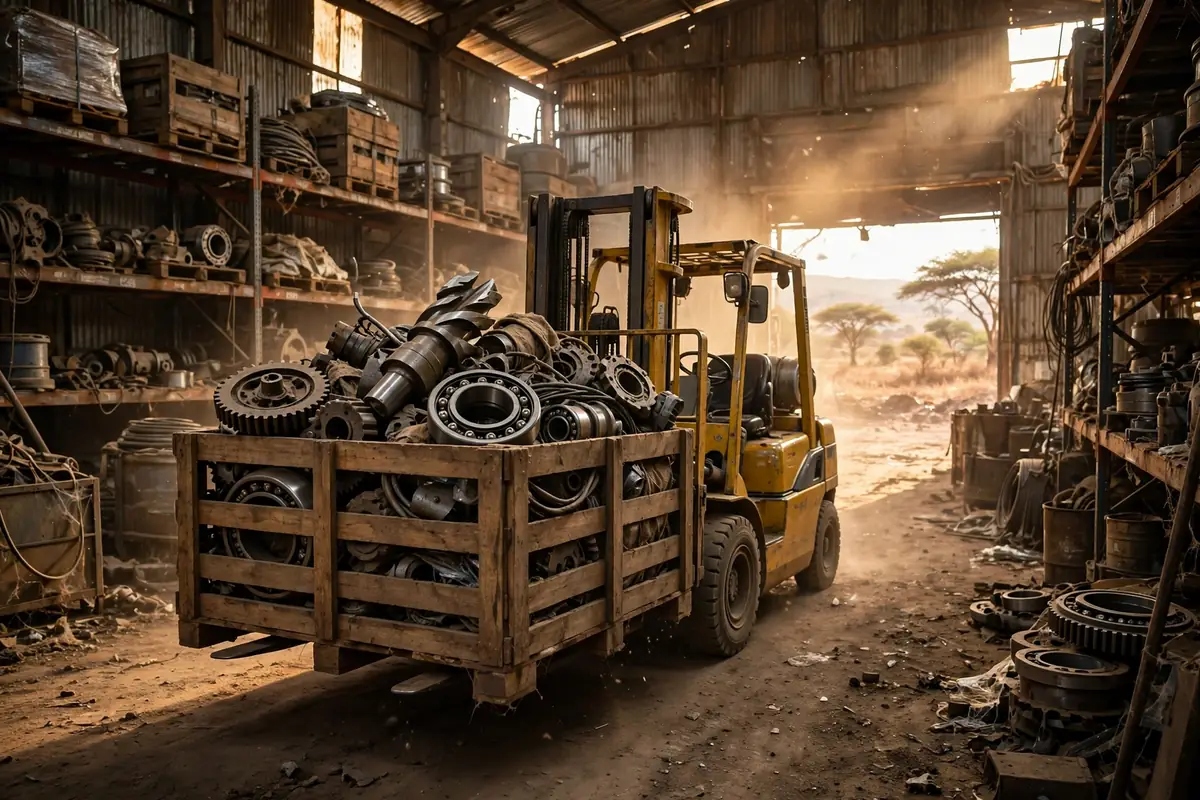
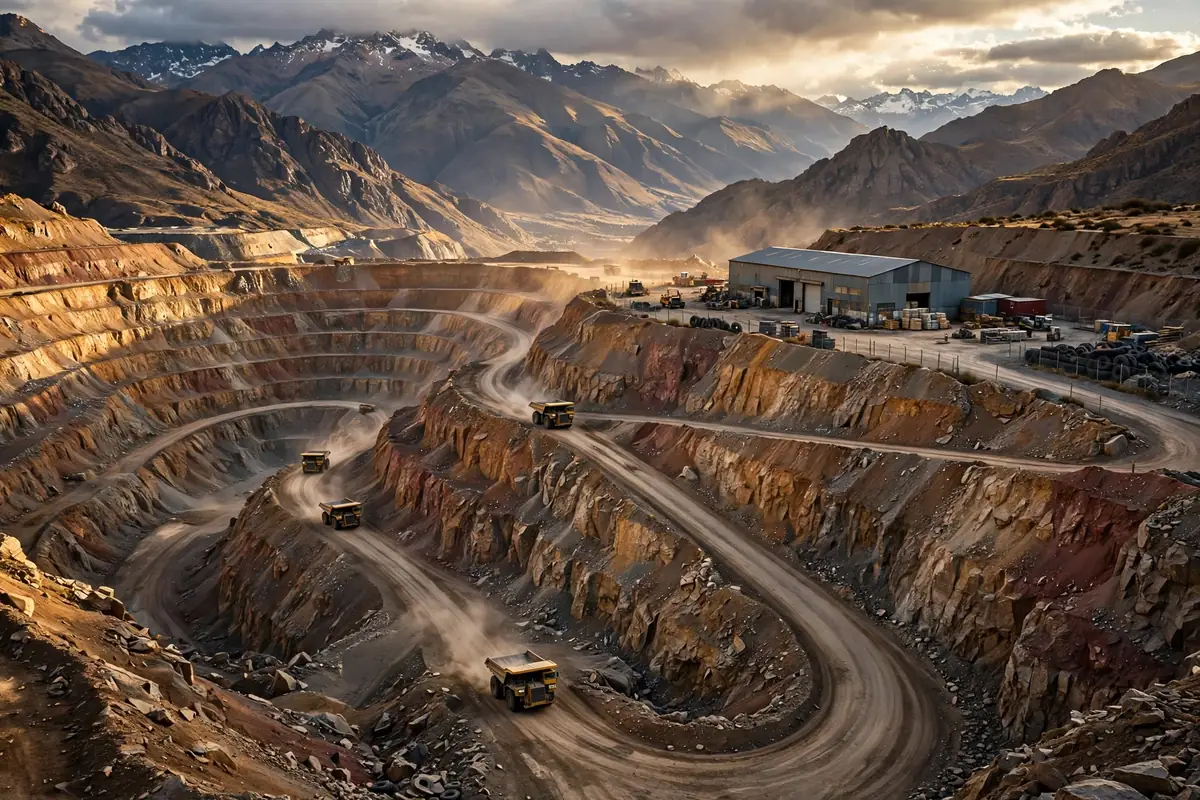
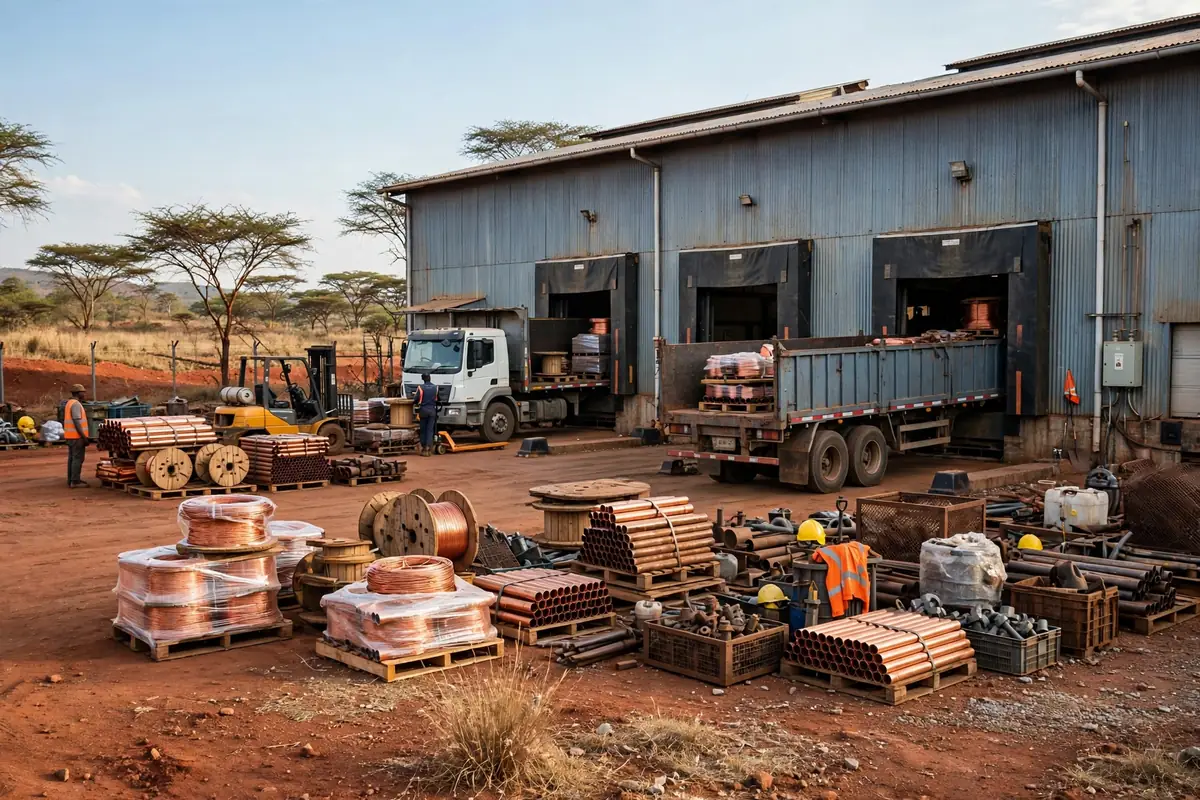
Mining cargo and consumer goods are two flows with different temperaments, and forcing them through one warehouse with one playbook guarantees trouble. Mining spares live by availability. A pump part may move only a few times a month, yet when a mine stops, a day of delay can cost more than the part itself. Materials connected with explosives carry their own storage and transport rules, so work to the latest Zambian regulations and each mine's entry standards, not warehouse folklore. Protective gear looks humble: gloves, goggles and boots are consumed as steadily as electricity, and if you run out once, the procurement manager remembers it for six months.
Consumer goods run on a different clock. A distributor supplying supermarkets and wholesalers in Ndola and Kitwe competes on turnover and shelf coverage. The goods are worth little per case, but the SKU list is messy and something is always about to run out. One customer learned this in the 2023 rainy season, when truckloads of household goods were stuck on the road and shelves sat empty for five days. Wholesalers quietly bought elsewhere, and by the time the trucks arrived, half the orders had gone cold. So the warehouse runs two logics at once: mining stock held for availability, consumer stock held for turnover. Sharing a building is fine. Sharing one inventory policy is not.
Here is the counterintuitive part: the closer you sit to the mines, the more carefully you must guard your margins. The nearer a mine believes you are, the more it treats urgent orders as normal service, and the more quietly it transfers its own safety stock problem onto your shelves. Accept everything, and your racks fill with other people's emergency baggage, cash gets trapped, and your own freight has nowhere to go. Nearness is a service advantage, not a promise to absorb everyone else's risk.
Three corridors into Ndola: the warehouse distribution route choice
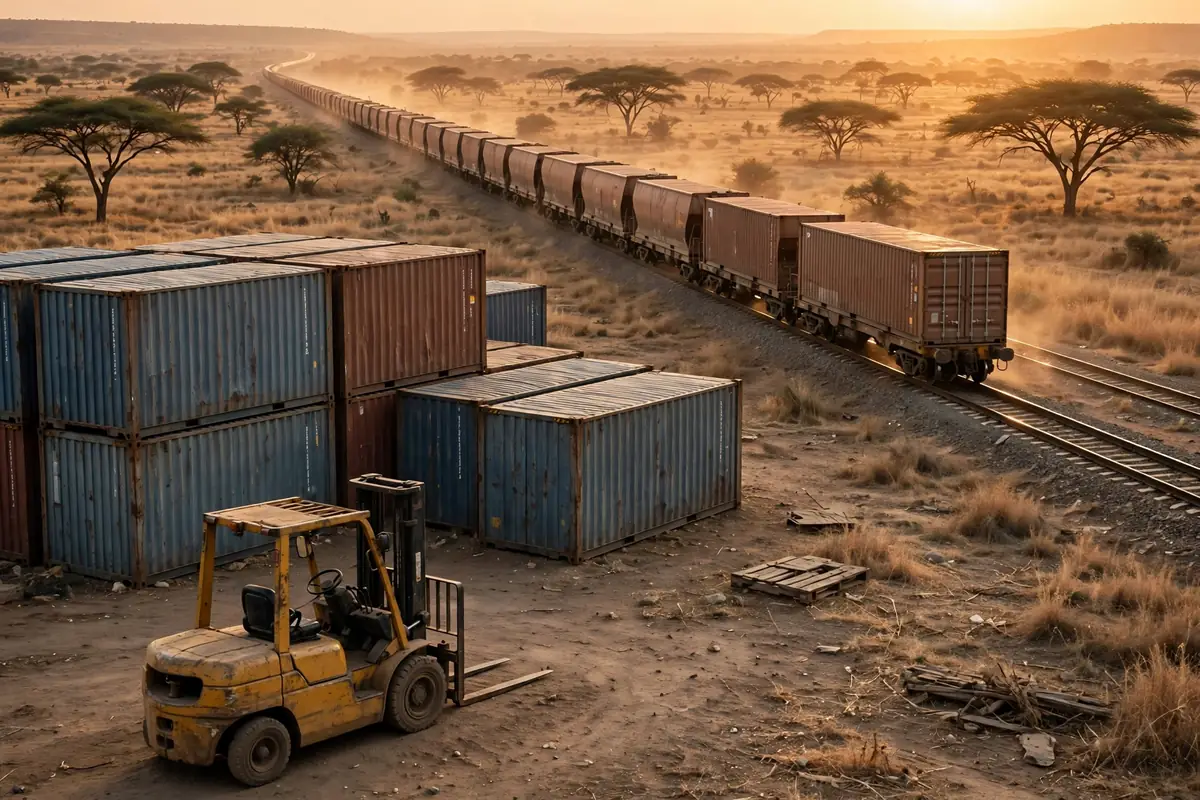
Freight reaches Ndola along three familiar corridors: in through Dar es Salaam, north from Durban, or into Lusaka first and then transshipped north. The right question is never which rate card looks cheapest. It is whether your freight can afford to wait. Dar es Salaam is comparatively direct, but every extra border step adds variance. Durban is the longest haul, yet carrier choices tend to be broader, suiting bulk replenishment planned well ahead. Lusaka is the most flexible, a consolidation point where cargo can be pooled and redirected, at the price of one extra handling and one extra inland leg. Check the latest published times and prices before committing.
The table below is an illustrative example only, invented to show the logic, not real pricing:
| Corridor (scenario only) | Best suited freight | Time variability | Where the real cost hides |
|---|---|---|---|
| Via Dar es Salaam | Planned replenishment, scheduled spares | Moderate | Buffer days for border waiting |
| Via Durban | Bulk, low-urgency cargo | More controllable | Long-haul freight buying schedule stability |
| Via Lusaka transshipment | Urgent orders, pooled cargo, top-ups | Most flexible | Extra handling, damage risk and fees |
Looking back on ndola zambia copperbelt warehouse distribution, he told me the most expensive corridor mistake was never the freight rate. It was the inventory the mistake forced him to carry: the less reliable the timeline, the more stock you must hold, and that cash quietly costs more than the freight you saved. So we split his freight: planned bulk on the long routes, urgent top-ups through Lusaka.
Rainy season changes the copperbelt warehouse maths
The rainy season is the variable every Zambian distribution plan has to bow to. Once the rains arrive, road conditions on some stretches deteriorate and transit times stretch; which roads are affected is a matter for local conditions and the latest official updates, not for a plan written months earlier in a dry office. Consumer distributors fear the season from both directions. Stock too little and shelves go empty; stock too aggressively and the warehouse becomes a cash trap. One small-appliance distributor I know stocked heavily before the 2024 rains, demand came in softer than expected, and the goods were still being cleared well into the following year, with storage and financing costs eating most of the margin. Mining spares sit at the opposite extreme: one rainy-season stockout can put a full annual contract at risk.
The safety stock calculation itself is not hard. What people get wrong is feeding it dry-season numbers. Take an illustrative example: a spare part with a replenishment cycle of two weeks in the dry season and four weeks in the rains, and an assumed monthly consumption of one hundred units purely for the scenario. Doubling the cycle alone adds roughly a month of consumption to the buffer you need. Nobody should copy that figure into a real plan; the point is that the cycle variable must switch to its rainy-season value. The practical fix is a pre-season review with each major customer: pull the critical SKU list, agree what must be doubled and what can tolerate a short gap, and write it into the plan. Done well, the rains become your moat. Done badly, they become your inventory graveyard.
Consignment for the mines: clauses that protect you
Running a VMI consignment operation binds customers tightest to an Ndola warehouse, and it is also the model most likely to bind the operator instead. Stock sits in your warehouse or at a consignment point near the mine, and the mine pays when it draws the goods. Once your stock feeds a mine's daily issue process, a competitor finds it hard to get in. But the inventory is your cash, the drawing pace is theirs, and if the contract never says who owns slow-moving stock, the argument is guaranteed.
I sat in on one consignment negotiation where the mine's procurement lead smiled and said: you stock it first, we settle what we use. It sounded generous. Generous, I told my client afterwards, is usually the most expensive word in a contract. The agreement he signed pinned down three clauses. Dead stock: any SKU untouched beyond an agreed number of days would be bought out by the mine or returned at its cost. A ceiling: each category carried a maximum stock value, anything above it needed written confirmation. Counting: every issue had to be scanned, and count differences were shared at an agreed ratio. The negotiation was tense for an afternoon. The relationship then ran for three years without a raised voice. Hard words spoken early buy easy years later.
Done properly, ndola zambia copperbelt warehouse distribution earns its money not from the thin spread on rent and handling, but from managing uncertainty on the customer's behalf: corridor uncertainty, rainy-season uncertainty, and how fast a mine draws consigned stock. Customers will pay for certainty, provided you priced your own risk first. The border trade with the DR Congo, just north of the Copperbelt, deserves the same caution: documentation and payment risk run higher than on domestic freight, so start with small trial shipments and only scale up once the paperwork and payment cycle are proven.
So is an Ndola warehouse worth opening? It depends less on Ndola than on the shape of your freight. If mining flows dominate and customers will sign longer agreements that pay for availability, it stands up. If your volume is mostly price-sensitive consumer sundries, a Lusaka base may beat the romance of the map. Next time you negotiate a contract, remember to ask these three questions. What response window for urgent orders is written down, in hours, and how is anything beyond it charged? Who decides dead stock and ceilings on consignment inventory, in writing? And when do we agree the pre-rains critical SKU list, and who signs it? Ask those three before you sign anything.
By Susan, 3PL Sales Director