After fifteen years behind the wheel, I can tell you the cargo I fear most isn't the heavy stuff. It's the cold stuff — and namibia beef is exactly that kind of cargo. A heavy load just makes you slow. A cold load with a broken chain gets inspected at the port, rejected, and sent back, and the whole container becomes your problem.
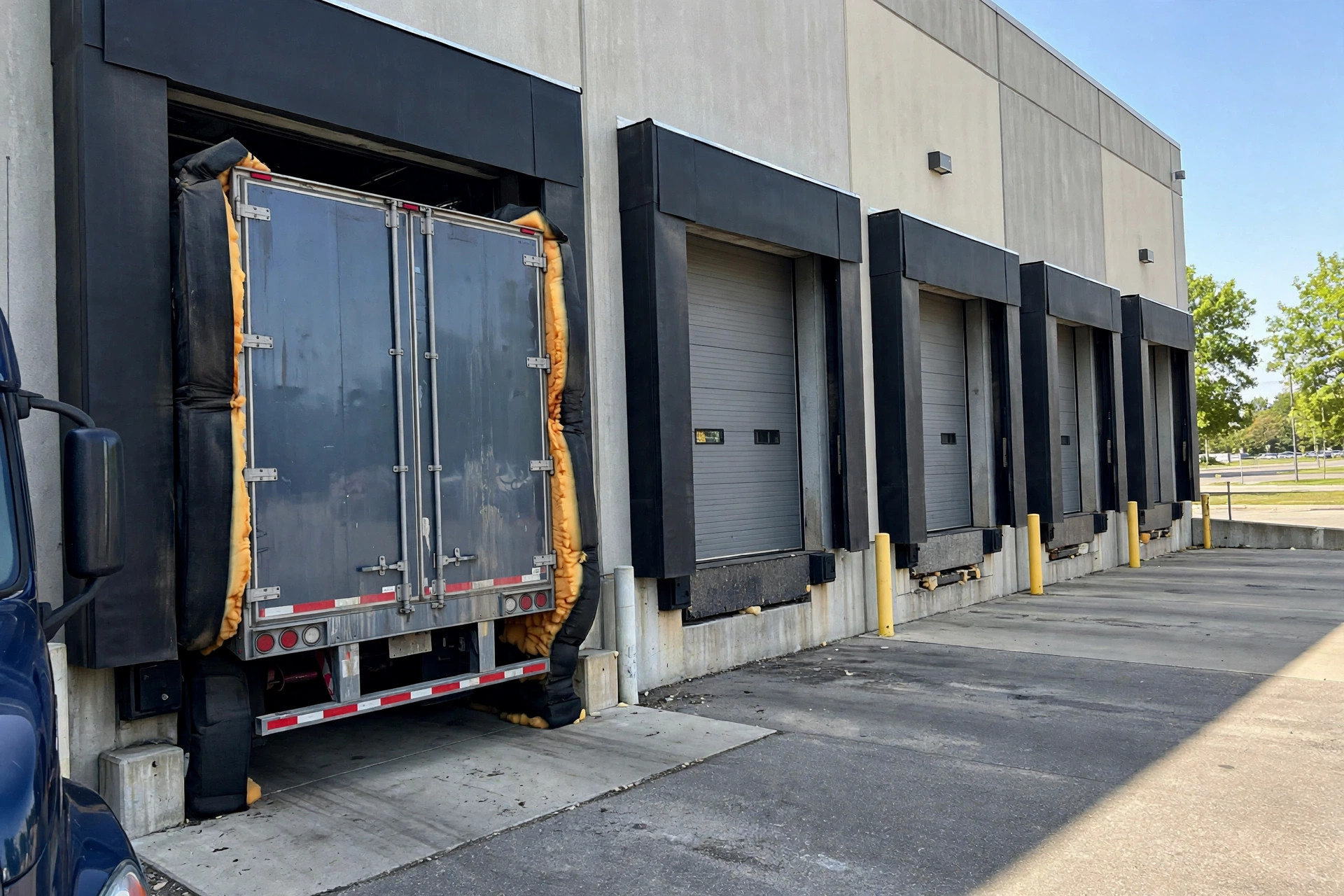
I've watched drivers queue outside a port with nowhere to plug in their reefer, the sun beating down, the temperature gauge inside the box climbing one notch at a time. There's nothing you can do at that point except watch. In this line of work, the winner isn't the fastest driver. It's the one who doesn't drop the baton at handover.
Namibia Beef by the Numbers: Where It Actually Goes
Get the money straight before talking about the road. Namibia exported about 22.7 million kilograms of beef in 2024. The biggest market was the European Union, about 13.25 million kilograms. South Africa took about 4.2 million, the United Kingdom about 3.1 million, Norway about 1.6 million, and China about 484,000 kilograms. Those figures come from Namibia's Livestock and Livestock Products Board and World Bank trade data.
Now look at the slaughter side. Meatco slaughtered 75,268 head of cattle in its 2024/25 financial year and sold 24,566 tonnes of beef. International markets brought in 84% of its revenue, and inside that slice, the EU accounted for 80%, Norway 18%, and China just 2%. The message is plain: Namibia's beef business lives or dies on European buyers, so European rules set the standard for the whole chain.
China deserves its own note. In March 2019, Namibia became the first African country to export beef to China, with a first shipment of just 21 tonnes. Small volume, but the door opened. Norway works on quota, about 1,200 tonnes a year, and once the quota is used up you wait for next year. Frozen boneless beef is the big export item: about 12.18 million kilograms in 2024, worth about 43 million US dollars, which works out to roughly 3.50 dollars per kilogram.
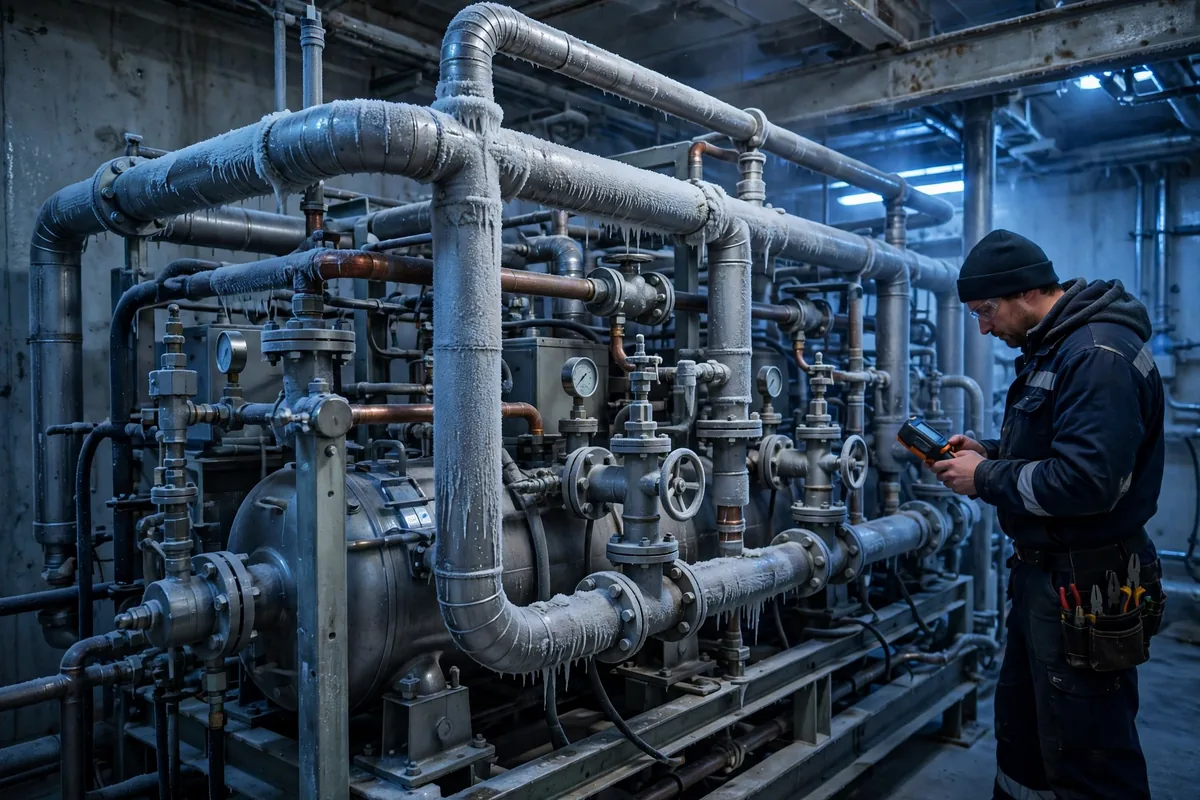
What does this tell a driver or a warehouse manager? The journey is long: from a ranch in the interior to the abattoir, into cold storage, then down to Walvis Bay and onto a ship for weeks at sea before it reaches Europe. On a run that long, the cold chain has no "close enough." It is either intact or it is broken.
One Broken Link Costs More Than One Container
Let me walk you through what a break actually costs. The example below is an illustrative example, with the figures worked out from the public numbers above. The lesson is real.
Take one 40-foot reefer loaded with 25 tonnes of frozen boneless beef. At roughly 3.50 dollars per kilogram, the cargo is worth about 88,000 dollars. The box leaves a cold store near Windhoek holding steady below minus 18 degrees Celsius, exactly where frozen beef belongs. It reaches Walvis Bay, the berth is congested, the container waits two days in the yard, the plug-in queue is full, and someone opens the doors for an inspection. By the time the shipping line checks again, the temperature inside has climbed. The buyer has two words for you: rejected, or half price.
Here is how the loss stacks up:
| What you lose | Rough amount (illustrative example) | | Cargo written down or rejected | About 40,000–88,000 dollars | | Ocean freight and port charges | Still payable in full | | Return or destruction costs | Extra, and the port sets the price | | Trust for the next order | The hardest thing to win back |
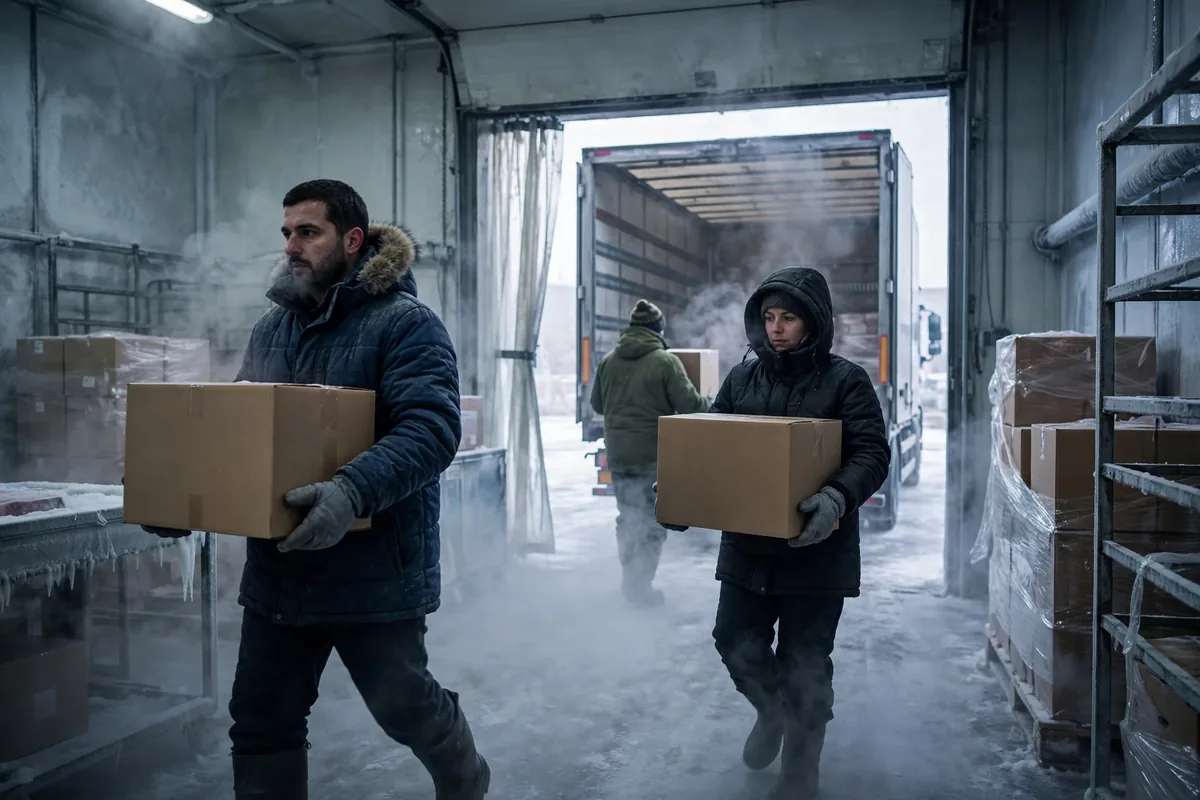
Here is the part that surprises most people: the most dangerous stretch is not the days on the road. It is the ten or fifteen minutes of loading, unloading, and handover. On the road the doors stay shut, the compressor runs, and the temperature holds. At the warehouse door, the doors swing open, forklifts roll in and out, warm air pours in, and pallets sit on the dock waiting. Those minutes are where chains break.
Colder is not automatically safer, either. The industry standard is chilled beef at 0–4 degrees Celsius and frozen beef at minus 18 degrees Celsius or below. Whatever the contract says, hold that number. Setting the box colder than agreed burns fuel, can damage the product, and leaves you with no one to blame but yourself when something goes wrong.
I heard about a driver — illustrative example again — who arrived at a warehouse with a load of chilled beef and was told to drop it on the dock because the cold room had just been cleared. He refused and waited two hours in his truck until the cold room was down to temperature. The warehouse staff thought he was being difficult. That load cleared inspection in Europe on the first try. The outfit next door that took the shortcut left their pallets baking on the dock all afternoon, and their shipment got held for inspection at the port and lost a week. In cold chain work, the people who hate hassle end up with the most hassle.
Keeping Namibia Beef Cold Is Won in the Handover Minutes
Namibia beef stays cold because of people, not because of one good machine. Every handover point has to be done by the book. Here is how I would do it, in the order the truck actually runs.
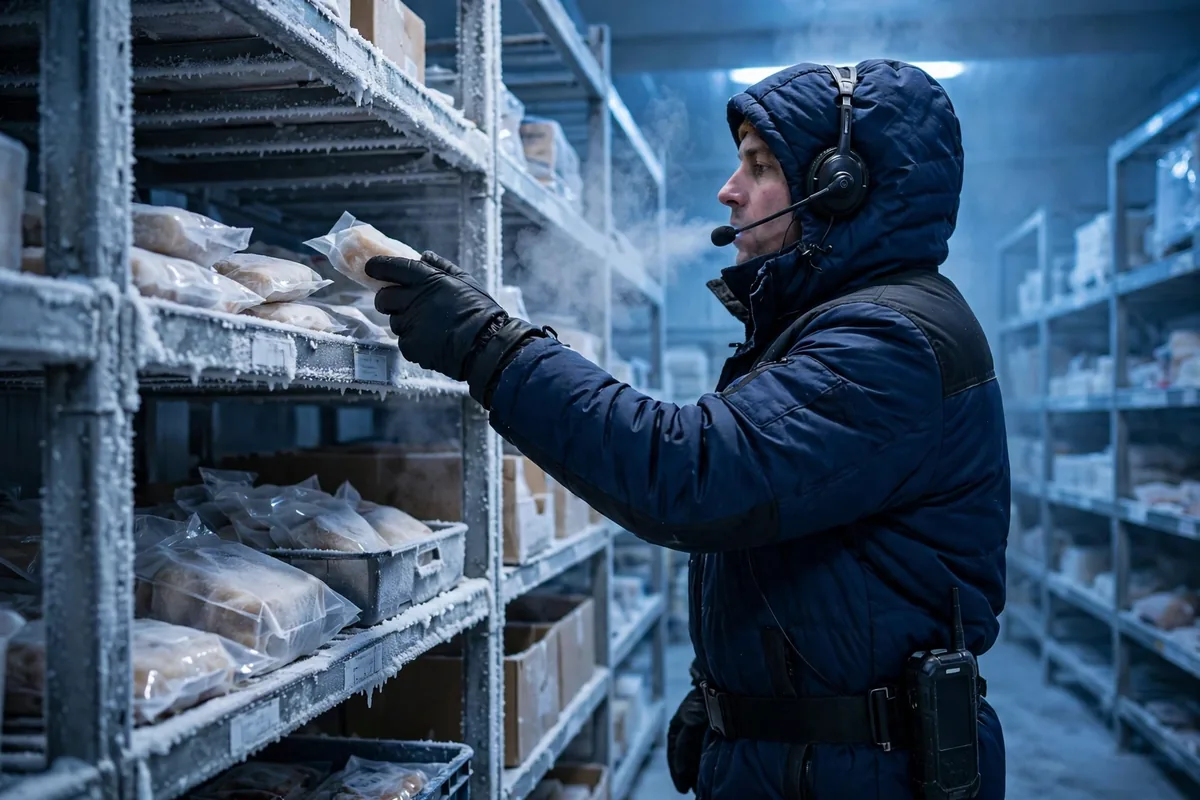
Before loading, the driver checks two things: the cold store thermometer and the reefer's pre-cooling record. If the box hasn't been pre-cooled to the contract temperature, don't load. Loading anyway is gambling with your own freight bill. On the shipper's side, get the paperwork ready early: veterinary certificates, quota documents. Norway's 1,200-tonne quota runs on a first-come basis, and if your papers hold the box at the port for an extra day, that's an extra day of risk.
At the warehouse, the dock is the battlefield. Cargo must not wait on a warm dock. Cold room doors open and close as needed, forklift drivers and warehouse staff agree on a rhythm, one load after another, and nothing sits outside in the sun. When the driver hands over, show the temperature logger data to the warehouse manager and get a signature. It looks fussy. When something goes wrong, that signature is the only thing that proves you did your job.
At Walvis Bay, plug in first, paperwork second. Don't get the order backwards. A sailing can wait. Temperature can't. And never mix chilled and frozen cargo in one box — they need different temperatures, and mixing them leaves both loads unhappy.
A truck fears an empty tank, and meat fears a broken cold chain. Ten extra minutes of care on an ordinary day saves you a whole container on a bad one.
By Shifu Zhao, Trucking Veteran (15 yrs)