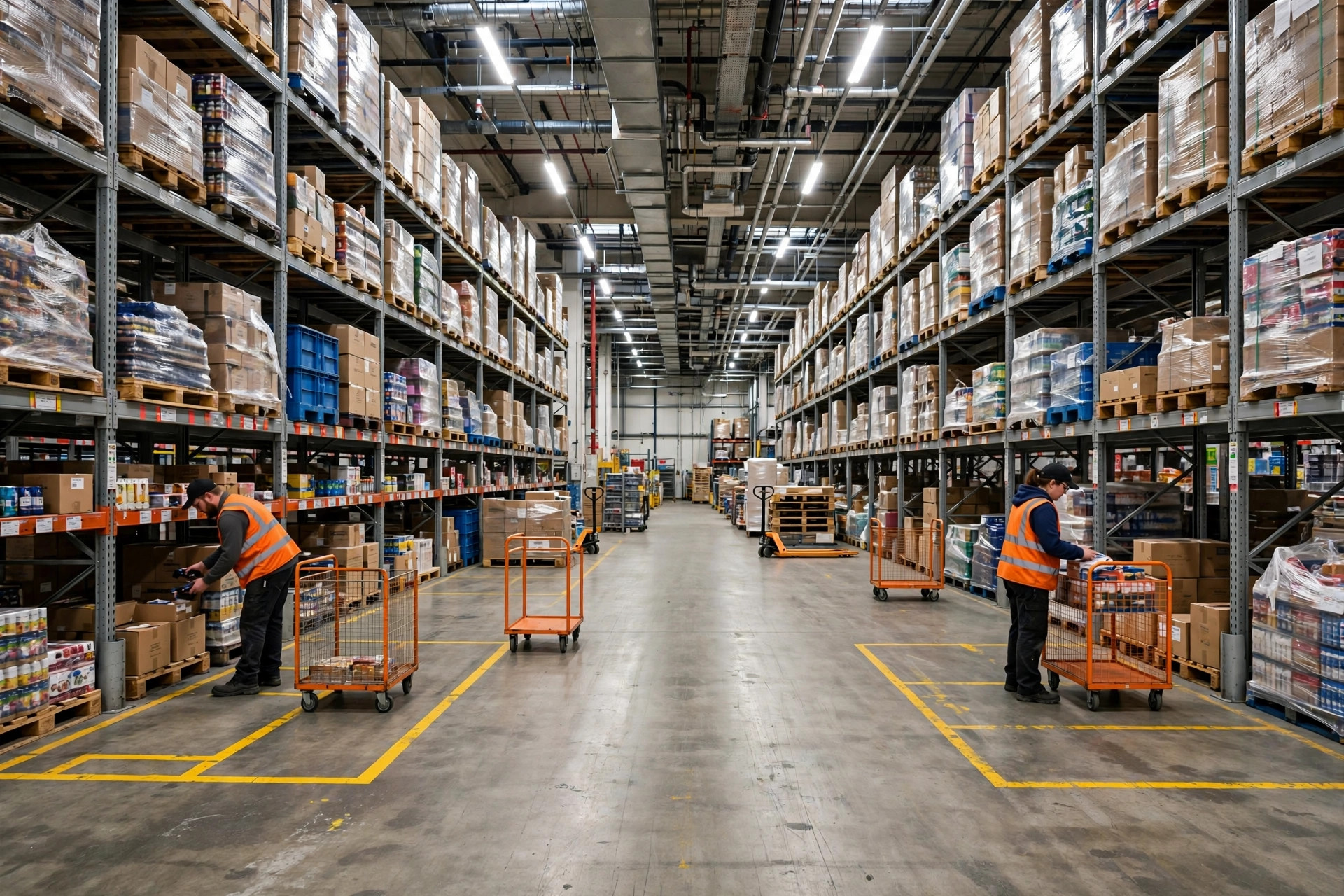
Here's my blunt take: if you're shipping fewer than 3,000 orders a day, zone picking will probably slow you down.
I know that's not what the consultants tell you. Zone picking is one of those ideas that sounds obviously right — divide the warehouse into zones, put a picker in each one, nobody walks the whole building. But zones come with a tax: handoffs, waiting, and a consolidation step at the end. Below a certain volume, that tax costs more than the walking it saves. I've watched warehouses learn this the expensive way.
During Thanksgiving week in 2023, I spent three days at a 120,000-square-foot e-commerce fulfillment center in the Inland Empire. Right before peak, they'd switched to six picking zones with eight pickers per wave. The result? A line of carts backed up at the consolidation station after every wave, and two or three zoned pickers standing around waiting for their neighbors to finish. Their on-time ship rate actually dropped in the first week of peak. My fix was embarrassingly simple: four zones during the day shift, two at night, and one more person at consolidation. Same volume, same headcount — on-time rate recovered.
That week nailed down something I'd been circling for years: the point of zoning isn't drawing neat boxes on a floor plan. It's making sure every picker always has work and nobody blocks anyone else's path. Everything else is decoration.
Slice by Work, Not by Square Footage
The most common mistake I see is zoning by area — cutting the floor plan into equal rectangles like a pizza. Warehouses don't work that way. Demand is lumpy. In most buildings, a handful of aisles generate the bulk of the picks.
Before you draw a single line, pull two weeks of wave data and map pick lines by aisle. If 80% of your picks land in three aisles, a six-zone layout means three of your pickers are standing around half the shift. Zones should hold roughly equal amounts of work, not equal amounts of floor. My rule of thumb: pick lines per zone per wave should stay within about 30% of each other. Area is just a reference point.
Get the granularity wrong in either direction and you pay for it. Too many zones — I saw a 60,000-square-foot 3PL in Rancho Cucamonga running ten zones — and you can't staff them all outside peak. Five people covering ten zones means everyone finishes their zone and then treks across the building to help someone else. Every extra zone adds another handoff: another wait, another chance for a mis-sort. Small zones, heavy handoff tax.
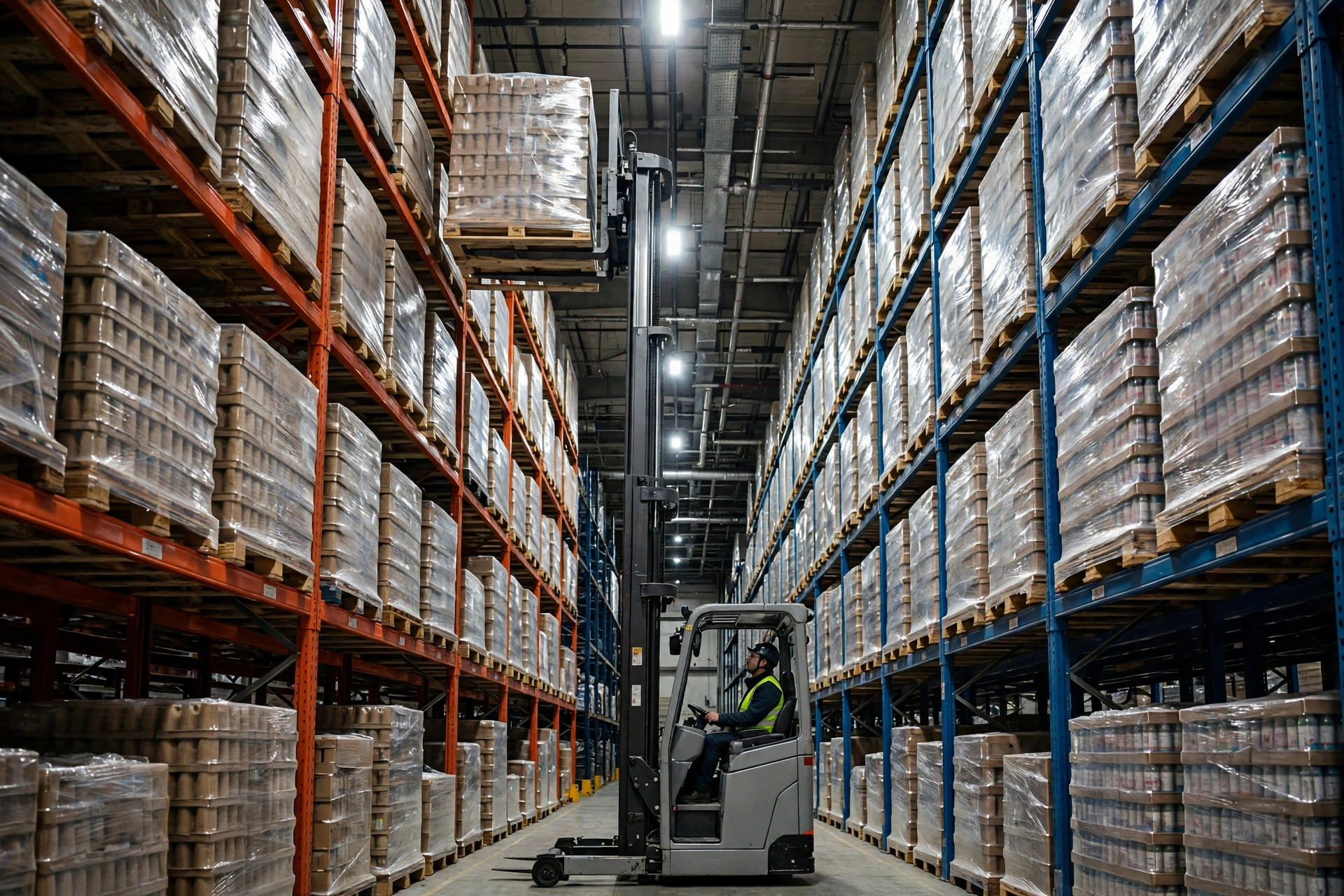
Too few zones, and pickers start fighting over aisles. Two carts going opposite directions in a standard-width aisle is a daily traffic jam. Worse is when two pickers reach for the same slot at the same time — it happens dozens of times a day, and error rates climb right along with tempers. In my experience, one aisle holds two pickers comfortably at most, and even then they should work opposite ends.
So how do you size zones? Start dead simple: one aisle, one zone. Run it for two weeks, then split any zone whose pick lines consistently run 30% above the rest, and merge any zone that's chronically starved. Zoning is tuned, not designed. Nobody gets it right on the first drawing.
Three Things to Lock Down Before You Draw
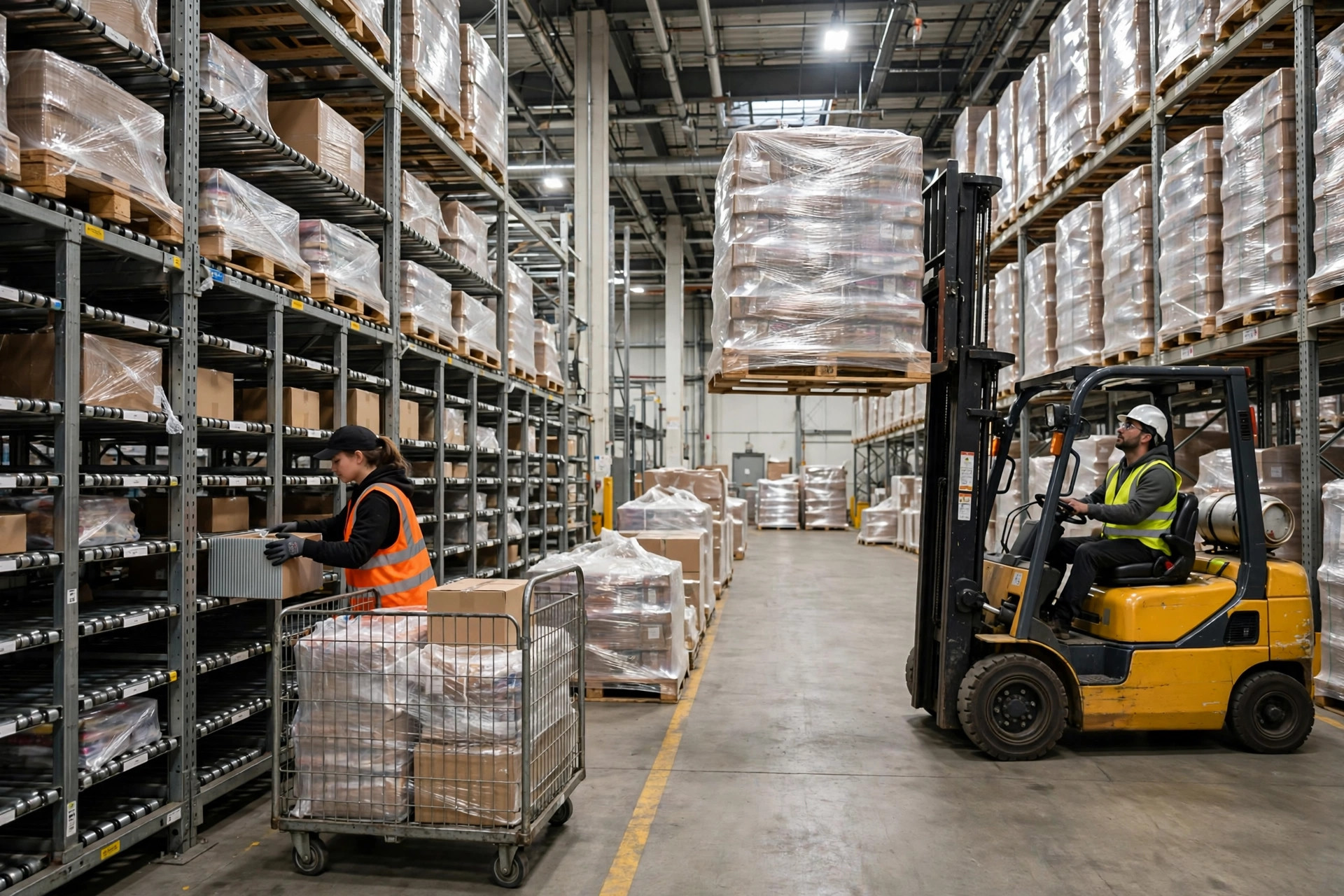
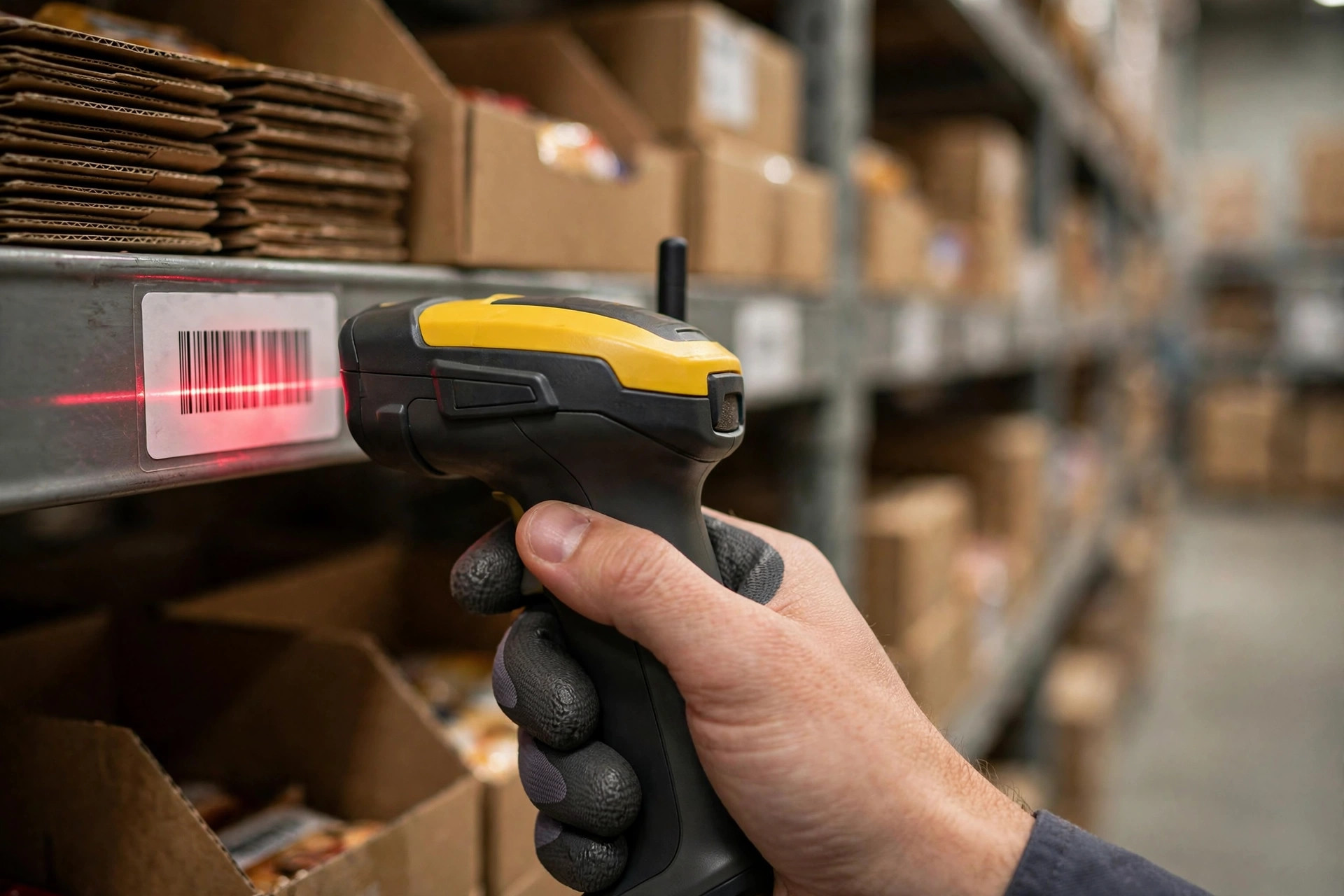
First, get your ABC classification done. This is non-negotiable. A-class SKUs must be concentrated — never let your fastest movers scatter across five zones, or every wave sends five pickers running for the same handful of items. Put A items in one or two zones, staff those zones with your veterans, and let them get so familiar they could pick blindfolded. B items follow the aisle sequence; C items go to the farthest zone, since nobody visits often anyway.
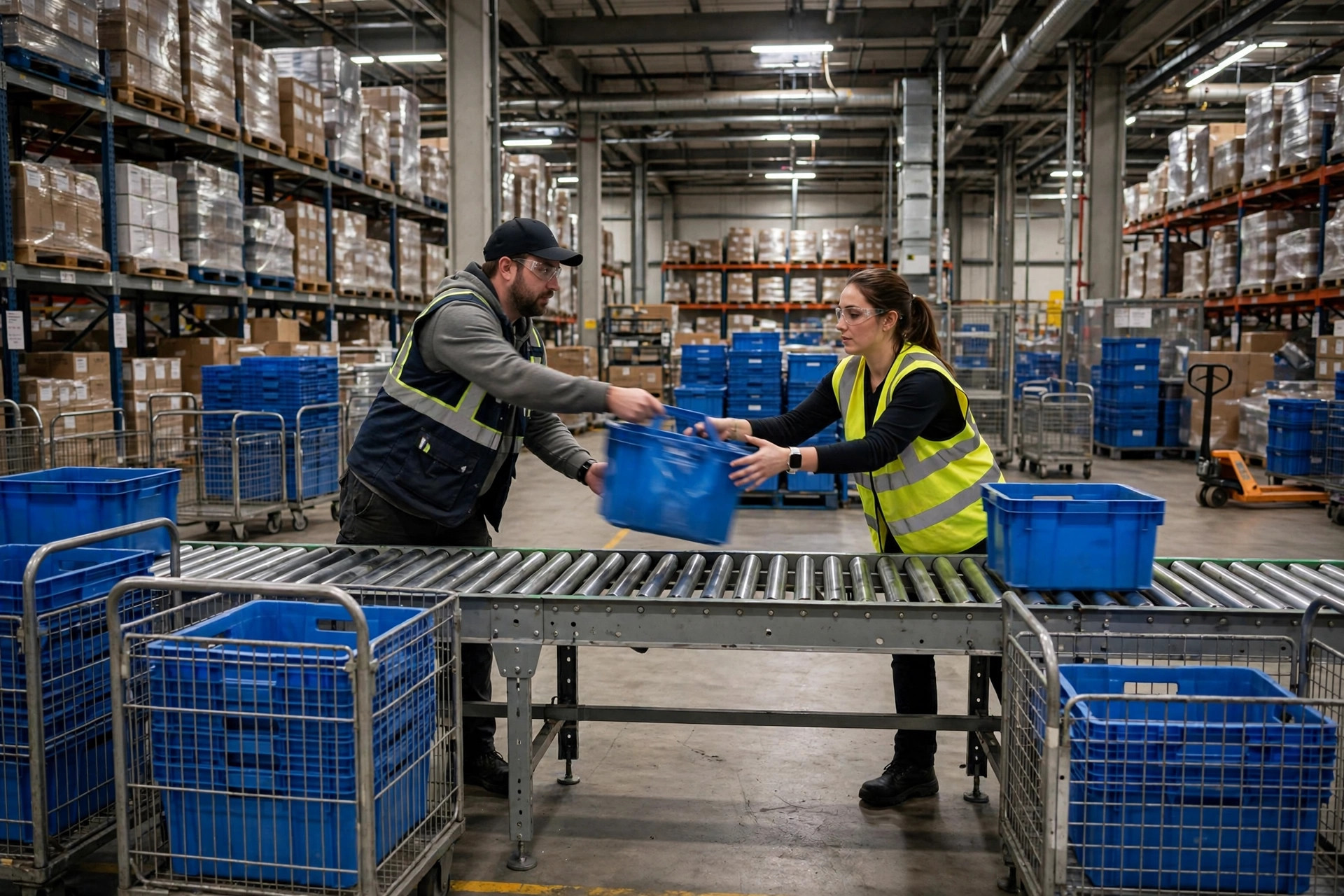
Second, plan the consolidation point before the zones, not after. Every zone's output has to come together somewhere, and that somewhere becomes your new bottleneck. I've seen beautiful zone maps feeding into a single table with one person at it. As a starting ratio: one consolidation station for every three to four zones, tightening to one per two zones in peak. And put consolidation where the zones' drop-off paths naturally converge — every step a picker pushes a cart to hand off freight is pure cost.
Third, keep waves small. Stuffing 800 orders into one wave makes zone-to-zone handoffs exponentially messier. I size a wave to "one cart": a picker heads out, comes back with a full cart, and the wave ends. That quantity varies by building — cart size, average unit cube — but two weeks of observation will tell you yours. Small waves are cheap to add; big chaotic waves are impossible to rescue. Adjusting wave size is a parameter change in the WMS. Fixing a floor in chaos is not.
Peak Season Staffing: Add People, Not Zones
Every October, a warehouse manager asks me: we're adding twenty temps for peak, should we redraw the zones? My answer is almost always no.
Temps struggle most with learning the zones. Redrawing the map, printing new diagrams, and training new hires on unfamiliar boundaries burns the entire first week of peak. The better move is to keep zones fixed and double up people inside them: the experienced picker picks, the temp stages product onto the cart behind them. Veteran plus rookie, productive in a day.
When should you actually add a zone? There's exactly one signal: a zone's picker finishes thirty-plus minutes early three days in a row and stands there waiting. Split that zone in two, put the new hire in the new half, and let the veteran keep their familiar ground. Nobody relearns anything.
And here's the part everyone forgets: undo it when peak ends. Temporary zones, temporary flow paths, temporary consolidation tables — all of it goes back to normal in January. I've seen buildings run their eight-zone peak layout into March, with four people covering eight zones and everyone playing multiple roles badly. It was slower than no zoning at all. Put an expiration date on every zone map, and assign someone to enforce it.
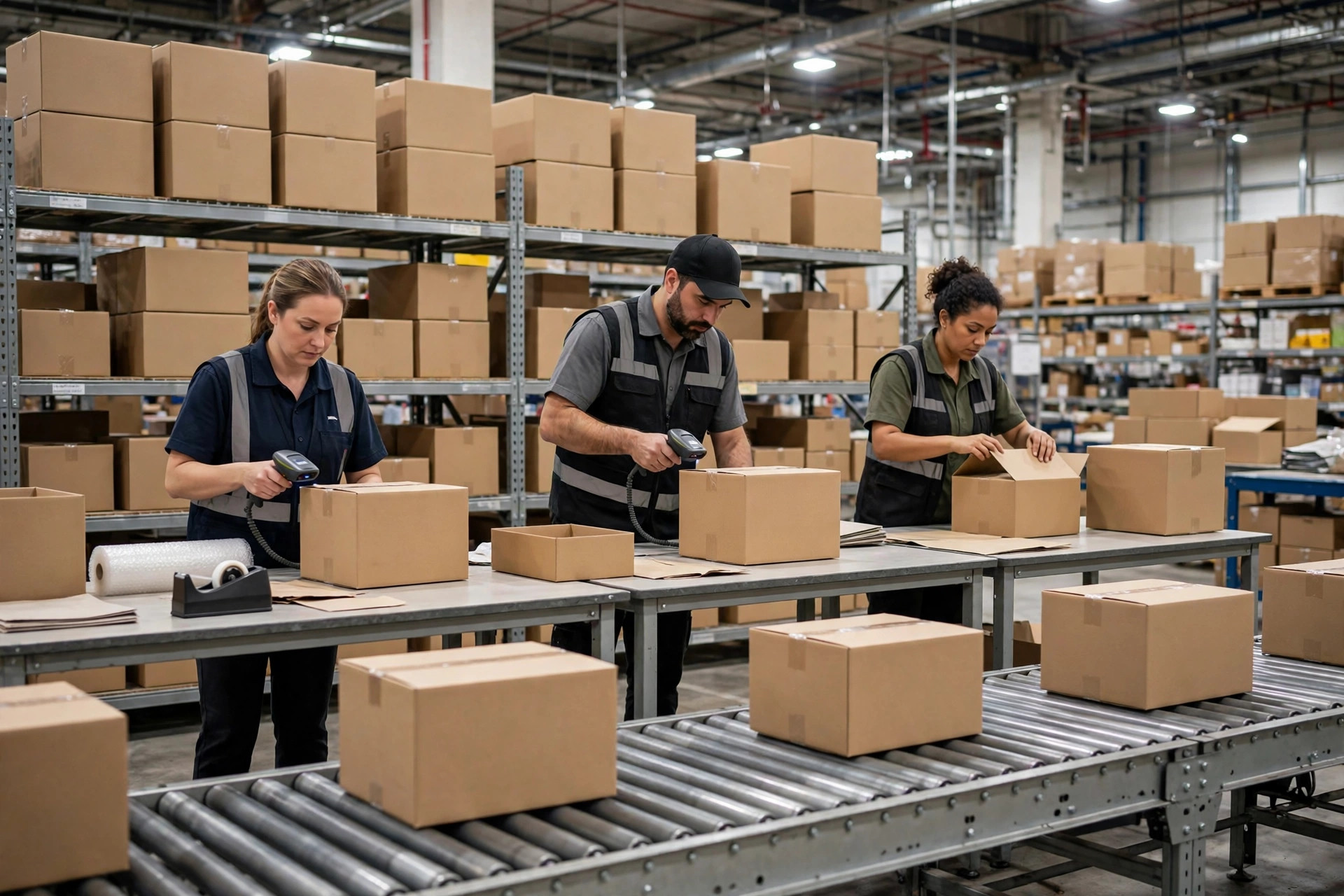
So back to my opening line. When does zone picking make sense? My threshold: around 3,000 orders a day, or at least six pickers active in the same wave. Below that, single-order full-bay picking — one person, one order, start to finish — is usually faster. No handoffs, no waiting, and when something goes wrong the picker knows exactly where it went wrong. Don't let anyone tell you it's unsophisticated. The "unsophisticated" method at the right scale is the optimal one.
One thing you can do tomorrow: export last week's wave data, tally pick lines by aisle, and sketch a heat map — even by hand. If 80% of the work sits in fewer than half your aisles, don't think about zones yet. Fix your ABC slotting first. Zoning is the last step, not the first.