We small warehouses cannot afford to burn that kind of money on morocco sardine export. Morocco is the world's largest exporter of canned sardines. Sardines make up more than 60% of its catch and over 90% of the raw material its canneries use. The glory is real, but so is the squeeze. Morocco's National Fisheries Office put sardine landings at 525,000 metric tons in 2024, down 46% from about 965,000 tons in 2022. Fewer fish, higher prices, and small shippers trying to ride along have to run their shared-container cold chain tighter than the big players do.
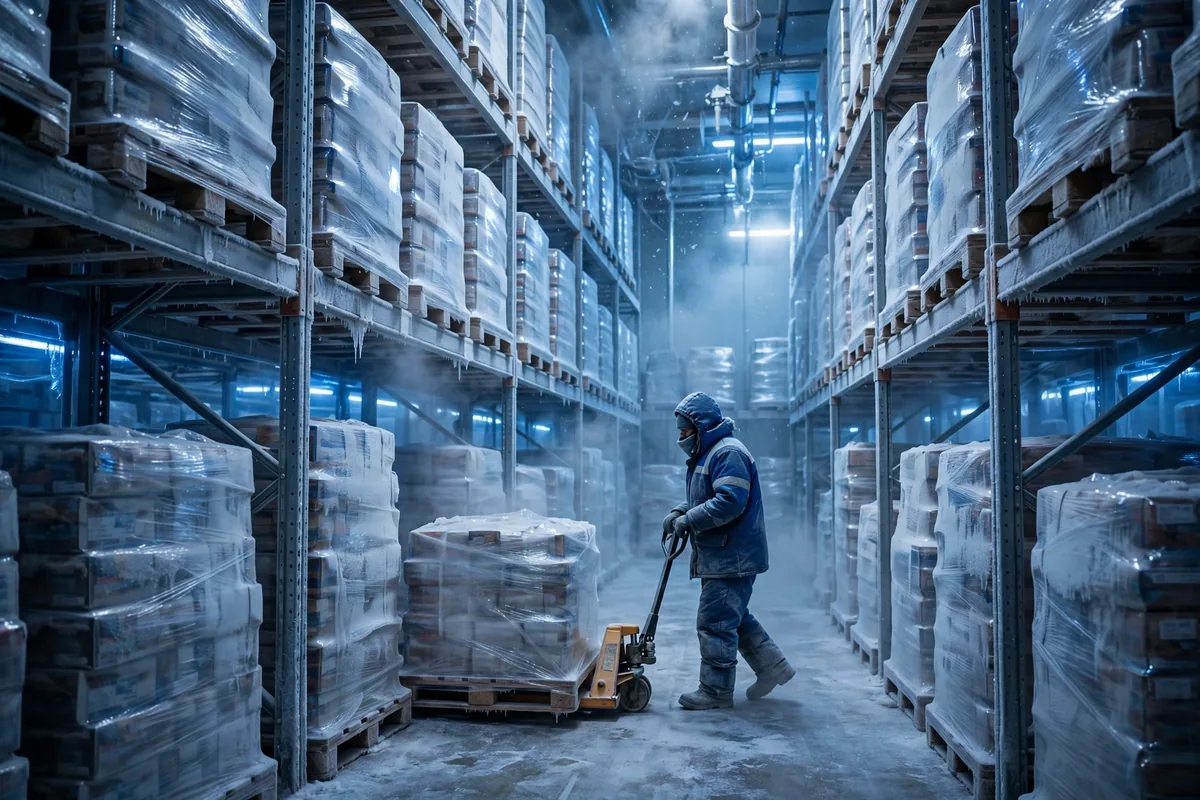
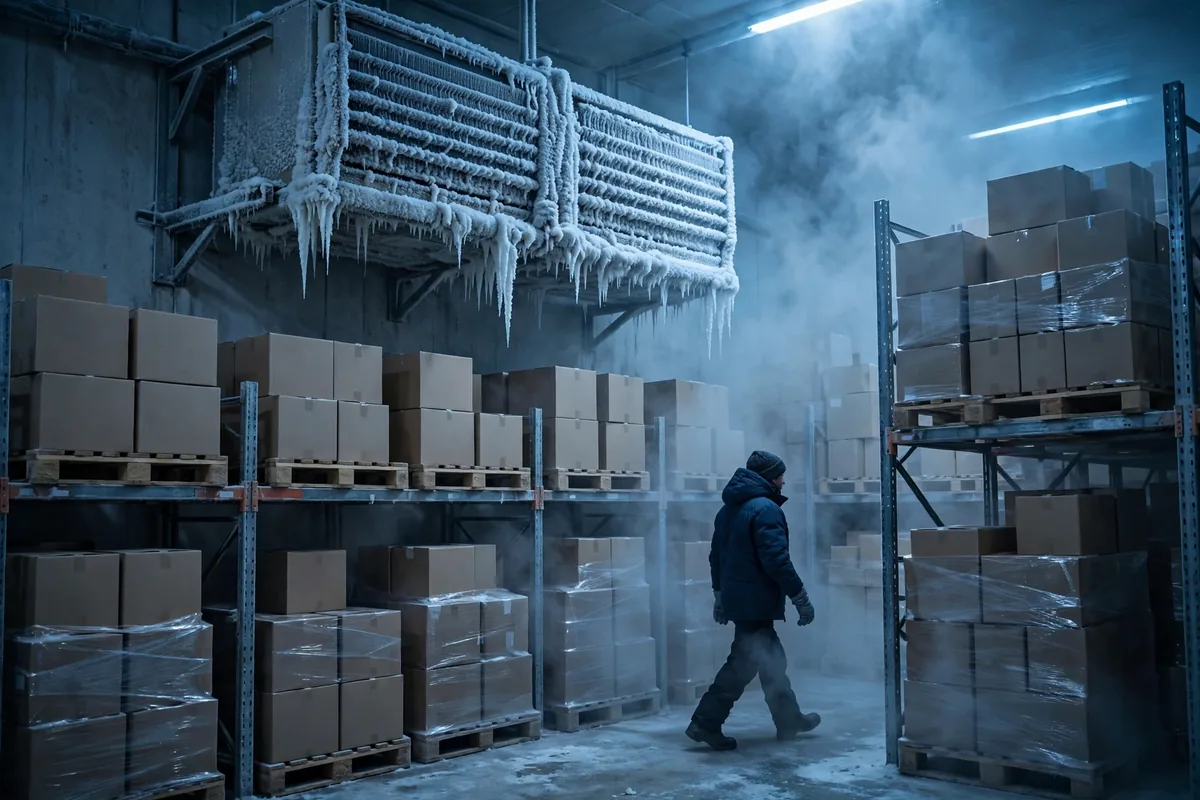
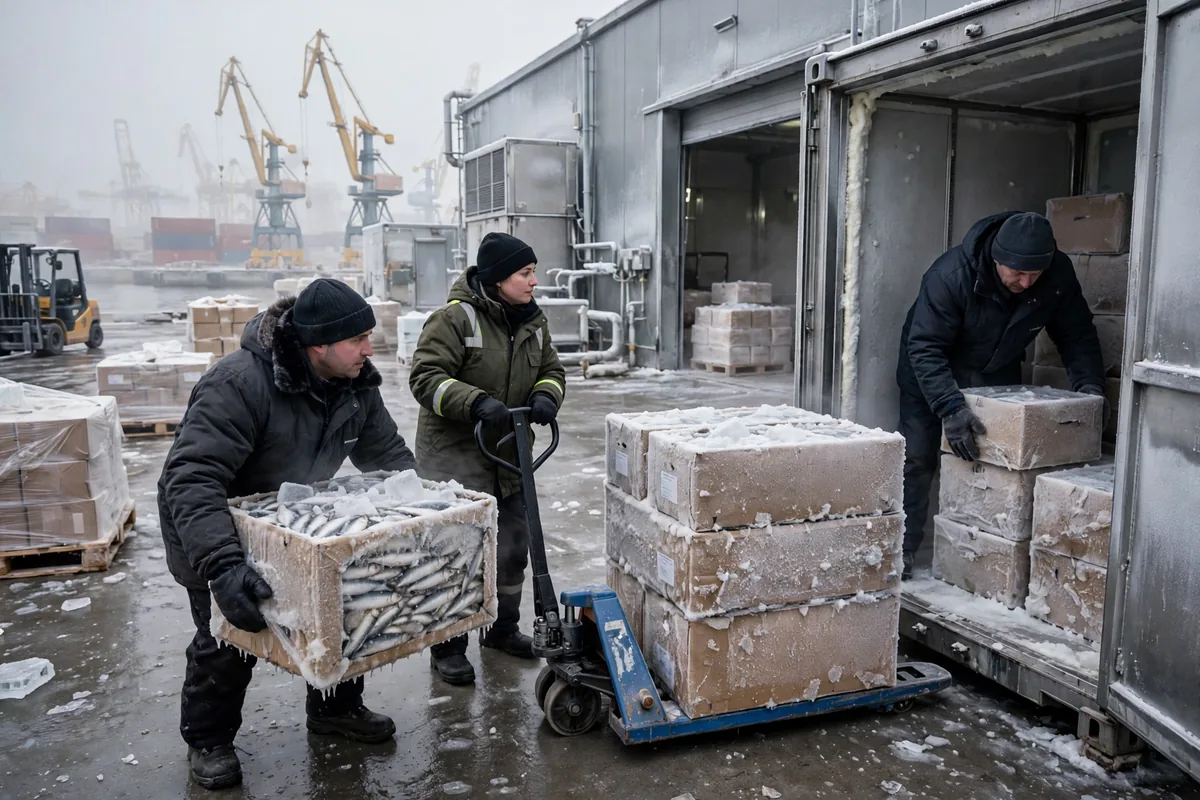
Our warehouse is 3,000 square meters with a team of about a dozen people, and our first morocco sardine export shipment nearly sank us. Several small shippers had pooled one container of frozen sardines landed at Agadir: blast-frozen, into cold storage, consolidated, everything looking smooth. Then on loading day the crew stacked the cartons right up to the ceiling to save space and blocked the airflow. The door end sat at minus 18 degrees Celsius while the far end had crept back above minus 10. At the destination the buyer inspected the load and downgraded half the container. We paid for the loss, the shipper lost a customer, and the whole job earned nothing while costing us a long-standing client relationship. When a big company loses a container, that is an incident. When a small warehouse loses one, that is an existential crisis.
Morocco Sardine Export: How Our First Order Nearly Sank Us
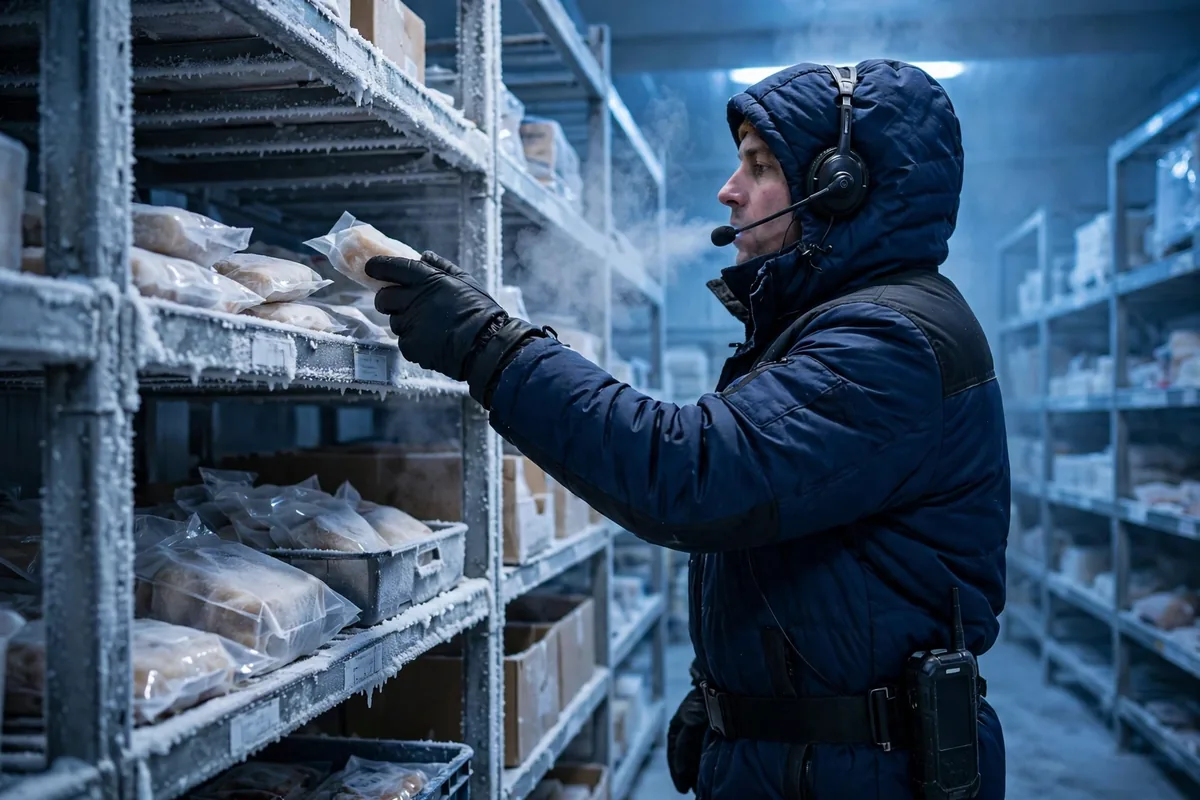
Sardines are far more delicate than beef. Frozen beef can sit for months. Sardines are oily fish, and once the fat oxidizes the fish turns rancid. The longer they sit in frozen storage, the worse it gets. The right way is simple to say and hard to do: blast-freeze them the moment they come ashore, get them frozen solid, then hold them below minus 18 degrees and never let them warm up. One warm-up costs a grade. Two warm-ups and the buyer cuts the price on the spot. Blast-freezing is where small warehouses bleed, because we do not own a freezing tunnel. We rent time in one, and while the fish wait in line at the dock for two extra hours, nothing shows on the invoice and everything shows in the quality.
Small shippers also need to know this: Morocco banned exports of frozen sardines from February 1, 2026, to protect domestic supply and hold prices down. The frozen route is closed for now, and what still moves is canned and processed product. That is bad news and good news at once. Bad, because the frozen consolidation jobs are gone. Good, because canned goods do not fear a broken chain, storage demands drop sharply, and the bar for sharing a container gets lower. Policy changes faster than fish stocks do. Stop watching it and you will have the container booked before you learn the cargo cannot leave.
Sharing a Container Is About Temperature, Not Boxes
Consolidation sounds like sharing a box. It is really sharing a temperature. Several shippers' goods go into one container with different arrival times, different packaging, and different degrees of freezing, and the temperature logger only cares about the result. Our homebrew fixes come in three parts. First, measure the core temperature of every batch before it enters the container. Anything below standard stays out, even if that means leaving space empty until the next batch. One bad batch drags the whole container down with it. Second, stack with air channels. Leave space at the ceiling, do not pack cartons flush against each other, and let the cold air circulate. Third, tape a handwritten temperature sheet to the container door: who measured it, when, and what it read. When the buyer at the destination asks questions, we have answers. These tricks are embarrassingly low-tech, but they work, and we do all three on every container now.
There is also money math in consolidation that people get wrong. Reefer power and port storage are charged per container, not per shipper, so the more shippers share, the less each one pays. But more shippers means more coordination: whose cargo goes in first, whose sits at the bottom, and who takes the blame when something goes wrong. Leave that vague and the argument starts after the damage is done. Our rule now is to open a group chat before consolidating and settle three things in writing: how costs are split, who bears which risk, and what the inspection standard is. Argue it out in the chat and the container arrives without an argument.
Morocco Sardine Export Gets Harder, and That Is Where Small Warehouses Win
Here is a hypothetical worked example. Suppose five small shippers each contribute 4 tons of frozen sardines to share one 40-foot reefer, 20 tons in total. Reefer freight, port storage, cold storage, and inspection fees are fixed per container, so splitting them five ways costs each shipper nearly half of booking a container alone. But if one shipper's temperature control slips, the whole container gets downgraded, and the freight saved does not cover the loss. Consolidation saves on freight and gambles on the reliability of everyone sharing the box. So we pick people before we pick cargo: proven shippers who follow the rules get priority, new shippers start with one small trial container, and we scale up only after the trial passes.
| Stage | Our small-warehouse fix | Where the money goes |
|---|---|---|
| Blast-freezing at landing | Book tunnel time ahead, never let fish wait | Tunnel rental, dock waiting |
| Cold storage | Separate batches by zone, first in first out | Zoned storage, door discipline |
| Consolidation and loading | Measure every batch, leave air channels, handwritten temperature sheet | Reefer power, port storage |
| Inspection at destination | Temperature log travels with the container | Downgrade deductions, claims risk |
The big companies' playbook is useless to us. They own cold stores, shipping schedules, and quality teams. What do we have? A handwritten temperature sheet, a circle of old shippers who follow the rules, and a refusal to break the chain. Fish are getting scarcer and rules are getting tighter, so morocco sardine export will only get pickier about who survives in it. The survivors will not necessarily be the biggest. They will be the most careful. Small warehouses have their own way of surviving, and it comes down to eight words: hold the temperature, and know the math.
By Xiao Ma, Small Warehouse Owner