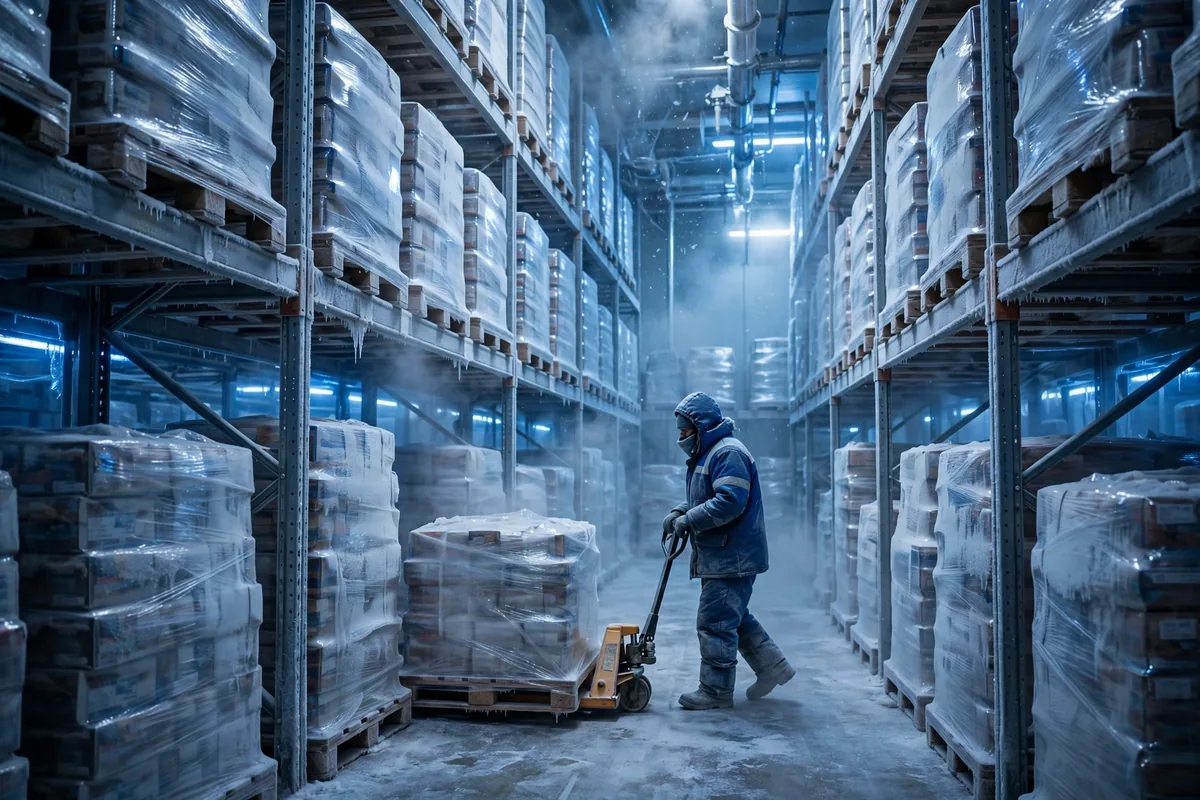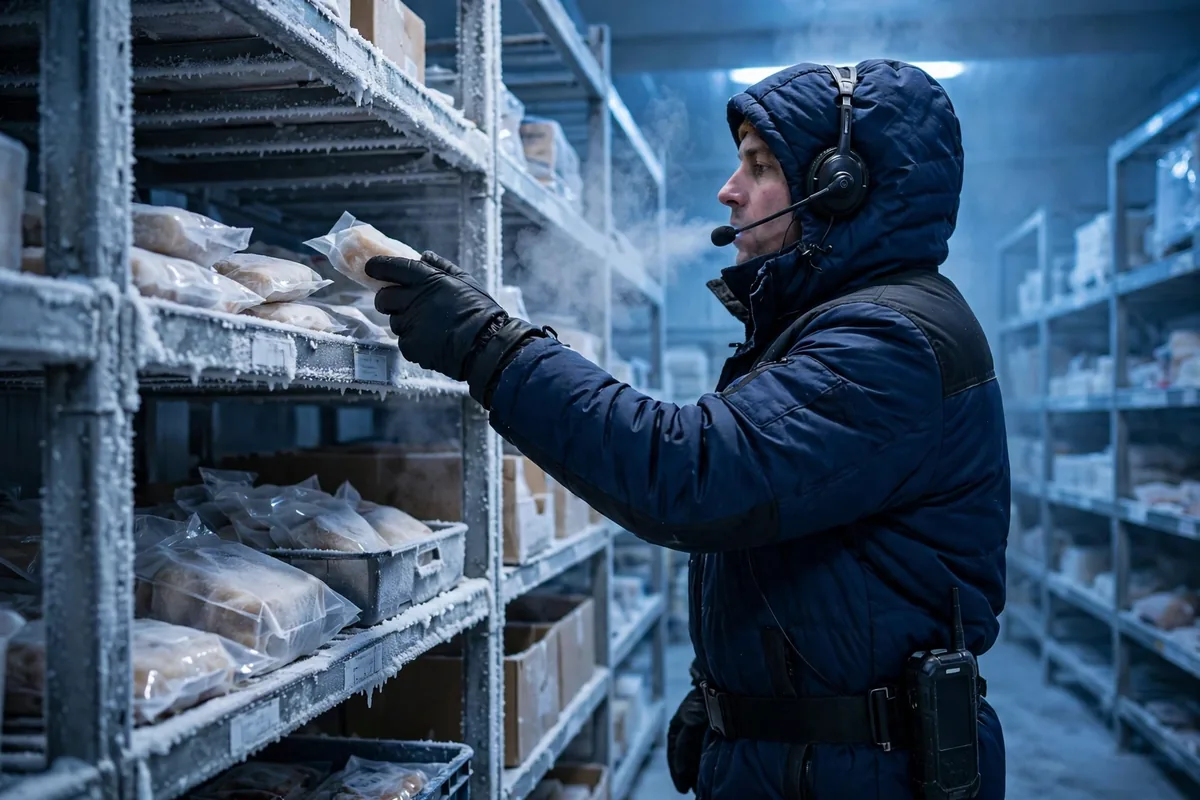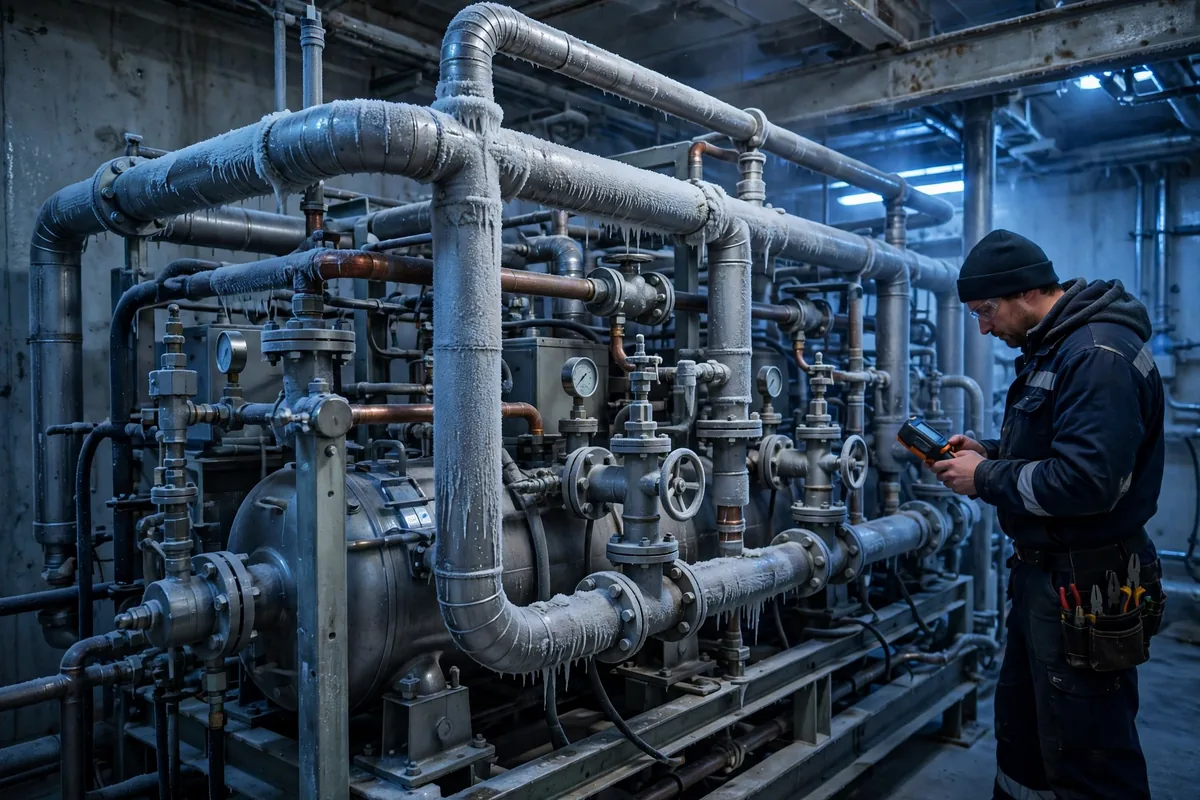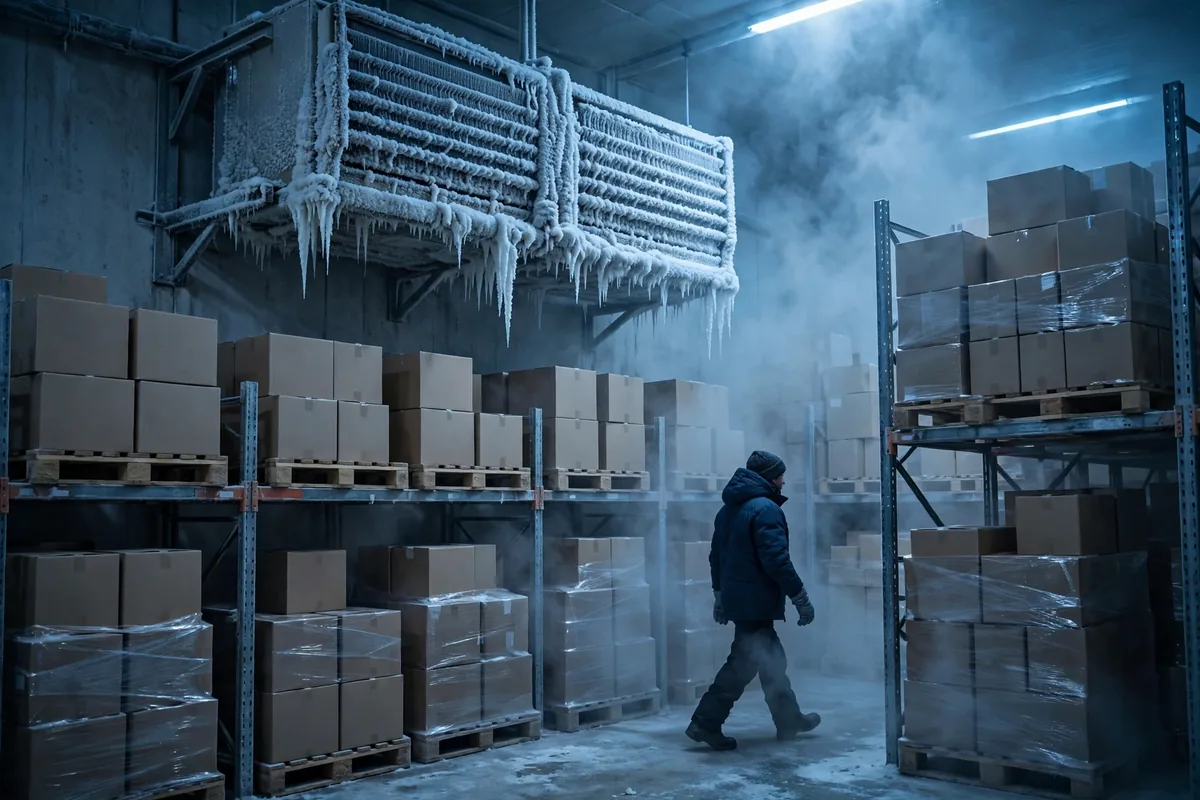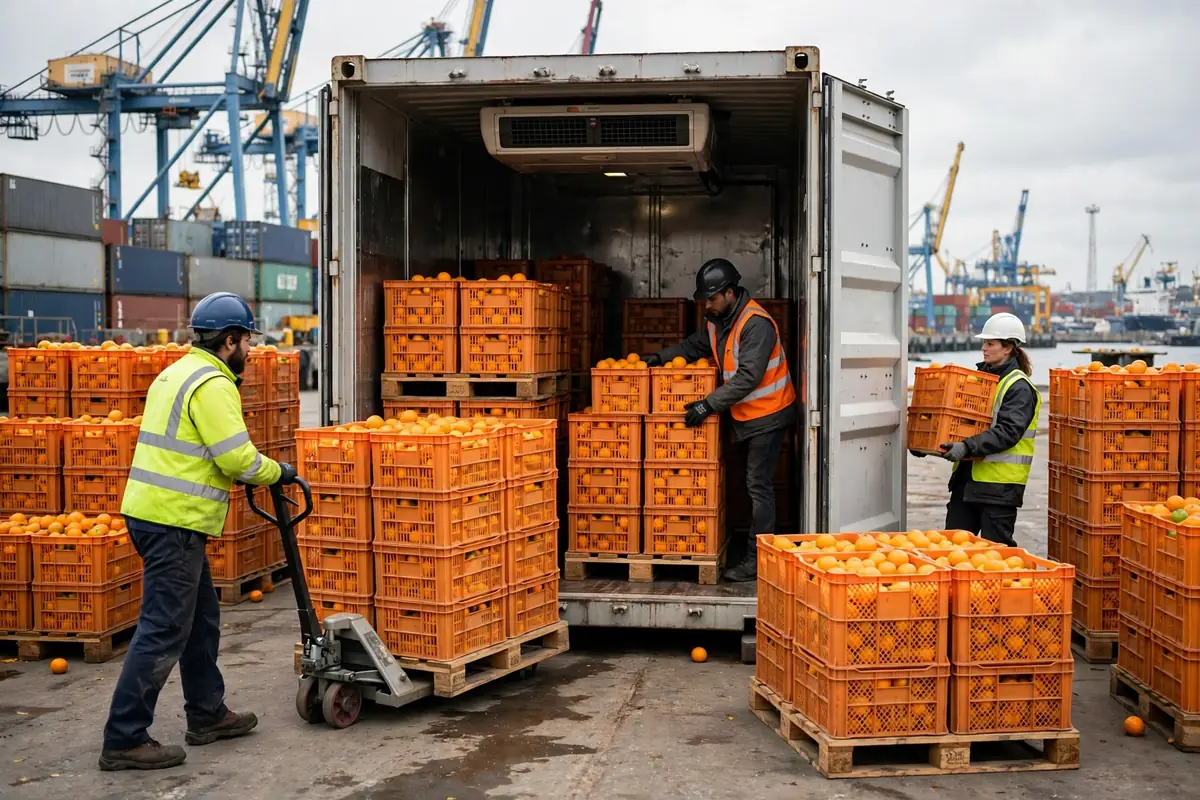
Let me be blunt: in the morocco citrus export warehouse cold chain business, the fruit is rarely the problem. The chain is. A perfect clementine on the tree becomes a rotten container in China the moment one link breaks, and every hour of work before that moment goes to waste. That is the trade-off nobody likes to talk about. Morocco has the volume, the acreage, and the season. What it needs is discipline at every handoff.
The numbers back the opportunity. According to the USDA citrus annual report of December 2025, Morocco's mandarin and tangerine production for 2025/26 is about 1.15 million tonnes, up about 4% year on year, with oranges at about 970,000 tonnes, up about 1%, and lemons and limes at about 48,000 tonnes. Exports tell the same story: mandarins and tangerines at about 550,000 tonnes, up about 2%, and oranges at about 85,000 tonnes. The previous season, 2024/25, saw orange exports of 84,600 tonnes, up about 38%, worth roughly 61 million US dollars. Production is concentrated where it should be: Berkane alone has more than 19,000 hectares of citrus, about 65% of it clementines, and Souss-Massa accounts for roughly a third of the country's orchards. The export season runs from October to the following April, which lines up neatly with China's winter and spring citrus window. Supply, scale, and timing are all there.
And yet I have seen too many people lose money on this trade by staring at the farm-gate price and forgetting that the cold chain is where the real cost sits.
Morocco Citrus Export Warehouse Cold Chain: Price the Broken Link Before You Price the Fruit
Late in the 2023 export season (illustrative scenario), a Chinese importer called me about a container of clementines out of Agadir. The outer cartons looked fine. A few layers in, the stems were mouldy and the peel had gone soft. The container lost half its value before it was even unloaded. We traced it back, and the fault was not on the ship and not at the destination port. The fruit had almost certainly sat too long at ambient temperature between the packing house and the port, then gone into a reefer still carrying field heat. Once the doors closed, the trapped warmth turned a multi-week voyage into an incubator. The loss on that one box — cargo value, freight, and destination handling combined — would have paid, on an illustrative basis, for an extra pre-cooling setup at the packing house for a whole season. The lesson is simple: money saved on pre-cooling is not saved at all. It comes back as spoilage, with interest.
Pre-cooling is not a cost. It is insurance. Fruit comes off the tree carrying field heat, and the sooner the core temperature comes down, the slower respiration and decay run. The window is measured in hours. Wait until tomorrow and no one can save it.
The Morocco Citrus Export Warehouse Cold Chain in Four Links
The whole route is four links: harvest, pre-cooling and grading, reefer transport, and port handover. None of them is hard on its own. The danger lives in the handoffs, where nobody is watching.
Harvest is about speed and gentle hands. Clementine peel is thin; one fingernail scratch is a wound, and a wound in a sealed container is a mould spot. A good packing house insists on gloves, padded picking crates, and same-day delivery to the plant. Fruit left overnight in the field starts losing the battle before it begins. Saving money on picking labour is the easiest saving in the business and the most expensive one at arrival.
Pre-cooling and grading are the second gate. Fruit is pre-cooled first, then graded and packed. Grading is not just about size. It is about pulling out damaged and diseased fruit, because one rotten piece in a sealed box can infect its neighbours. Cartons need ventilation holes, and stacking must leave air channels. A reefer cools by circulating cold air, not by freezing the fruit. Beginners often think colder is better. It is not. Citrus suffers chilling injury when it gets too cold: pitted peel and off flavour. Set points should follow the actual operating specification for the variety and the voyage.
Reefer transport is the third gate. The container must be pre-cooled before loading; putting warm fruit into a warm box forces the refrigeration unit to do the pre-cooling job, slowly and at high energy cost. Leave space for air circulation and never block the return airflow at the top. Once the doors close, the temperature logger is the only witness. The first thing a Chinese importer should check on arrival is the temperature curve: a flat line with no long excursions tells you more than the surface of the fruit ever will.
Port handover is the last gate. Agadir and Casablanca are the main export ports, and sailing schedules, trucking, customs, and gate-in times have to lock together. A container baking in the port yard for half a day climbs in temperature, and the carrier's cut-off time is a deadline, not a suggestion. Miss the sailing and the next one may be a week away. The export window cannot afford that. One detail people forget: the reefer unit on the truck from the packing house to the port. Some drivers switch it off to save fuel on a short run. The temperature climbs, and cooling it back down takes far longer than the fuel saved. That fuel is the cheapest money on the entire route. Never save it.
What Pre-Cooling Costs Versus What a Broken Link Costs
Talk is cheap, so here is an illustrative worked example. Every dollar in this table sits somewhere on the morocco citrus export warehouse cold chain, and the table shows which side of the ledger it lands on. Picture a mid-sized packing house handling about 2,000 tonnes of mandarins in one export season, shipped as roughly 80 reefer containers.
| Item | Illustrative figure | Note |
|---|---|---|
| Pre-cooling and grading | About 30–50 US dollars per tonne | Equipment depreciation, labour, power |
| Temperature logger and inspection | About 20–40 US dollars per container | One logger per box; your evidence at arrival |
| Loss on one broken-link container | Half the cargo value or more | Freight and port charges still payable in full |
| Cutting the breakage rate from 5% to 1% | About 3 fewer spoiled boxes in 80 | That saving is pure margin |
The table says one thing: pre-cooling money is small and visible; breakage money is large and invisible. On these illustrative figures, avoiding three spoiled containers in eighty more than pays for a full season of pre-cooling. Go the other way, and the saving on pre-cooling is wiped out by a single bad box, plus the trust of the buyer. Lose a customer's confidence over one season's arrivals and the door back in is far narrower than the door you first walked through.
Here is the counterintuitive part: the cold chain is not about being cold. It is about being steady. Citrus is living fruit. Too cold brings chilling injury, peel pitting, and lost flavour. The skill is holding temperature in the right band without swings, from pre-cooling through loading, transport, and port handover. Steady is the craft.
Three Inspection Tips for Chinese Importers
First, write the cold chain into the contract. Pre-cooling requirements, loading temperature, a logger travelling with every container, and arrival temperature standards, item by item. "Maintain the cold chain" on its own means nothing when something goes wrong.
Second, check the temperature curve before you check the fruit. A flat curve with no long excursion earns a normal sampling rate. A curve with a break, even if the fruit looks fine on the surface, calls for heavier sampling and documented evidence. Photograph the logger data at the moment of receipt.
Third, price the total landed result, not the unit price. Fruit two cents cheaper at origin with five extra points of spoilage is not cheaper at all. On an illustrative basis, 5% extra loss on a container wipes out the procurement saving and adds handling costs on top. The genuinely cheap cargo is the one that arrives intact.
I have seen too many people treat export as orchard plus container. It is a relay race, and the baton is dropped at the handover. Morocco's fruit is good and its production base is solid. The difference is whether someone watches every handoff. If you are a Chinese importer, do not start with the price. Ask three questions: when is pre-cooling done, when is loading finished, and does a temperature logger travel with the box? If those have no clear answer, the price does not matter yet.
By Lao Mi, Supply Chain Veteran (20 yrs)