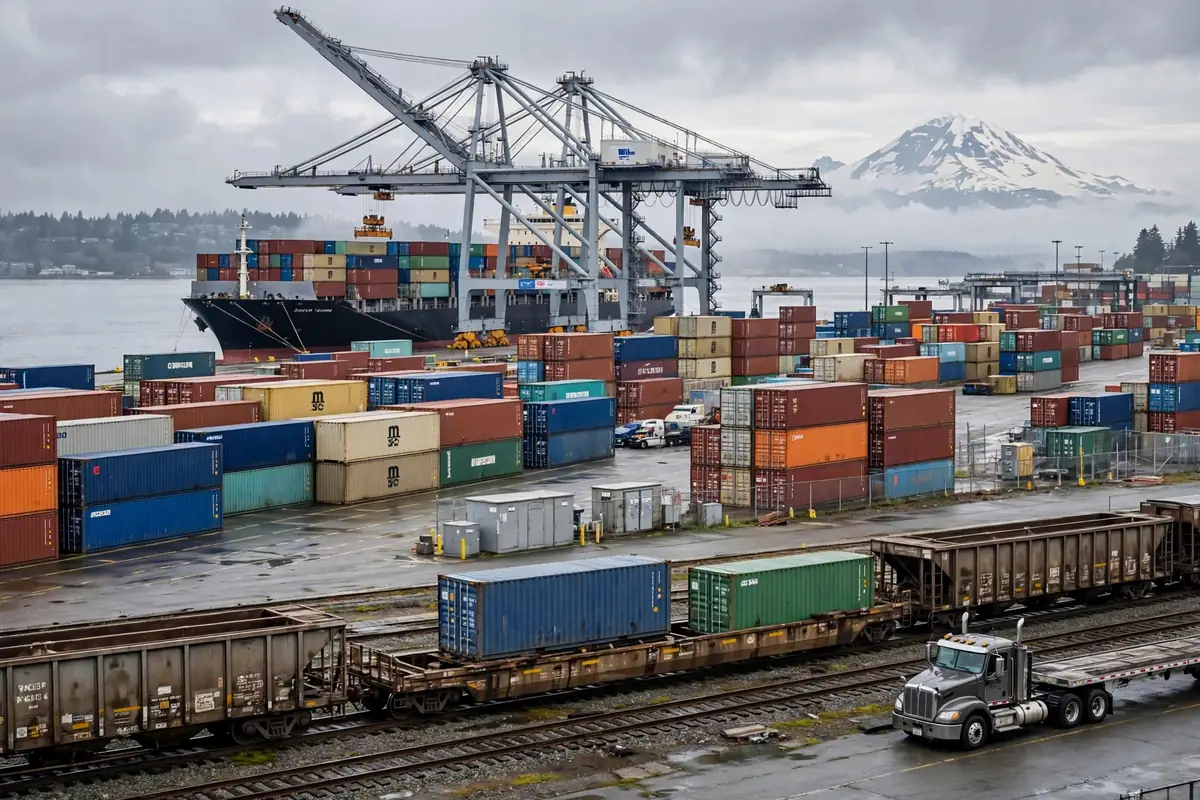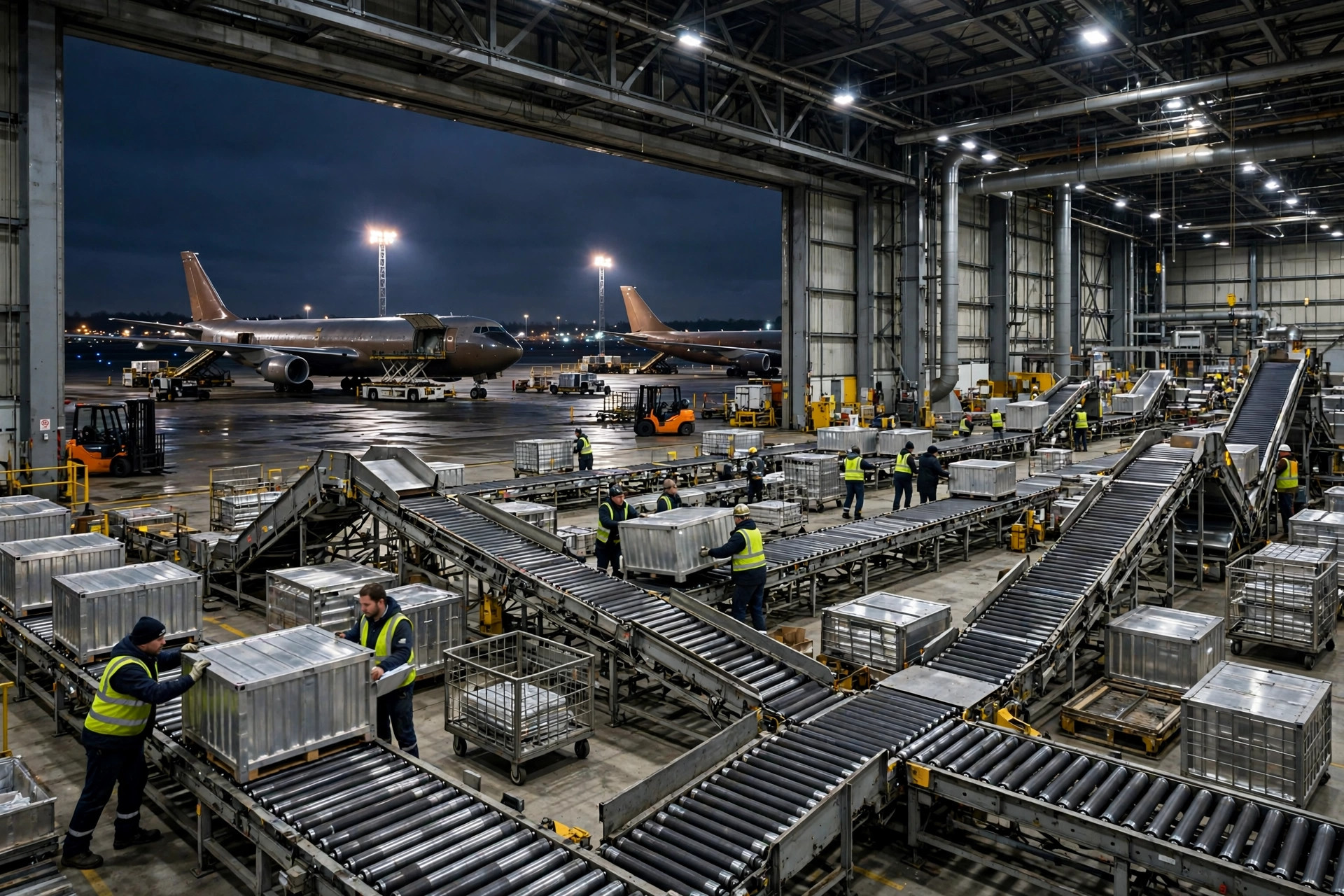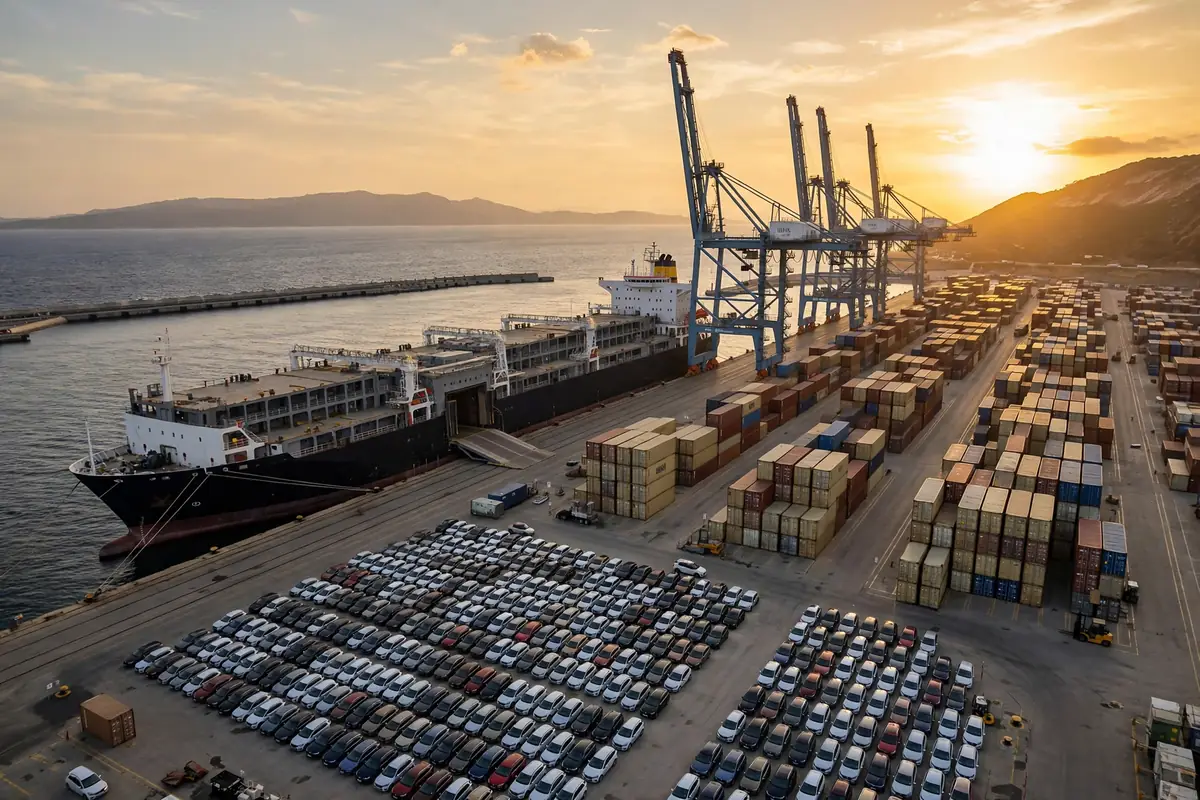
Morocco automotive logistics has been showing up more and more often in European supply chain discussions, and the starting point of those discussions is usually not a factory. It is a port. Roughly one million finished vehicles a year pass through the Tanger Med port complex for export, and behind that number sits a chain that is now fully formed: European orders, Moroccan factories, and back to European markets, with ports and warehouses in between deciding how smoothly the chain turns. To understand the system, the question is not how much capacity any single plant has, but how the port, the industrial parks, and the warehouses lock together.
Morocco automotive: an industry that grew out of a port
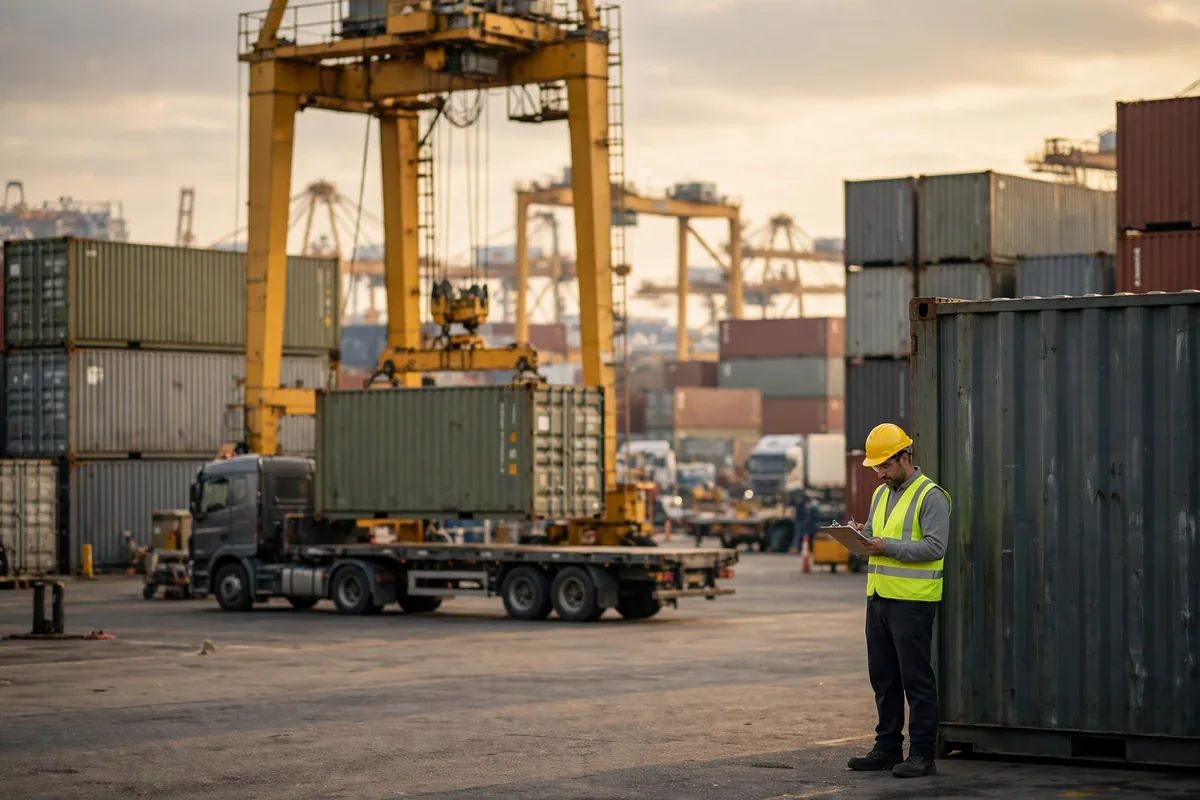
Tanger Med sits about 45 kilometres northeast of Tangier, on the southern shore of the Strait of Gibraltar, with Tarifa in Spain only about 15 kilometres across the water. That geography is itself an asset: the complex handles around 11 million containers, making it the largest port in Africa and the Mediterranean, and its industrial platform hosts about 1,100 companies, with exports worth roughly 8 billion euros in 2020. The port was not built as an afterthought to the factories. It was the first piece of the layout, and the factories followed it.
Renault's Tangier plant, in Melloussa about half an hour from the port, started production in 2012 with an initial annual capacity of 170,000 vehicles. By 2015 it had produced 288,053 vehicles, up 26 percent year on year, and the plan at the time was to push annual capacity toward the 400,000 mark. In the same period, PSA Group announced in 2015 a 557-million-euro investment in a new plant at Kenitra, initially planned for 90,000 vehicles and engines a year, with room to expand to 200,000. That plant, now part of Stellantis, started operations in June 2019 with annual output of around 200,000 cars, and in July 2025 Stellantis announced a further 1.2-billion-euro expansion aimed at doubling capacity.
Read as a timeline, the expansion has been close to a straight line: the port grows, the plants follow, the suppliers follow, and the port grows again. Government incentives played a part, including tax relief for automakers in their first years of operation, which lowered the cost of being first. But tax holidays expire. What keeps companies in place is the physical distance between port and plant, and the logistics cost structure that comes with it.
Sequencing warehouses: the small building that runs the line
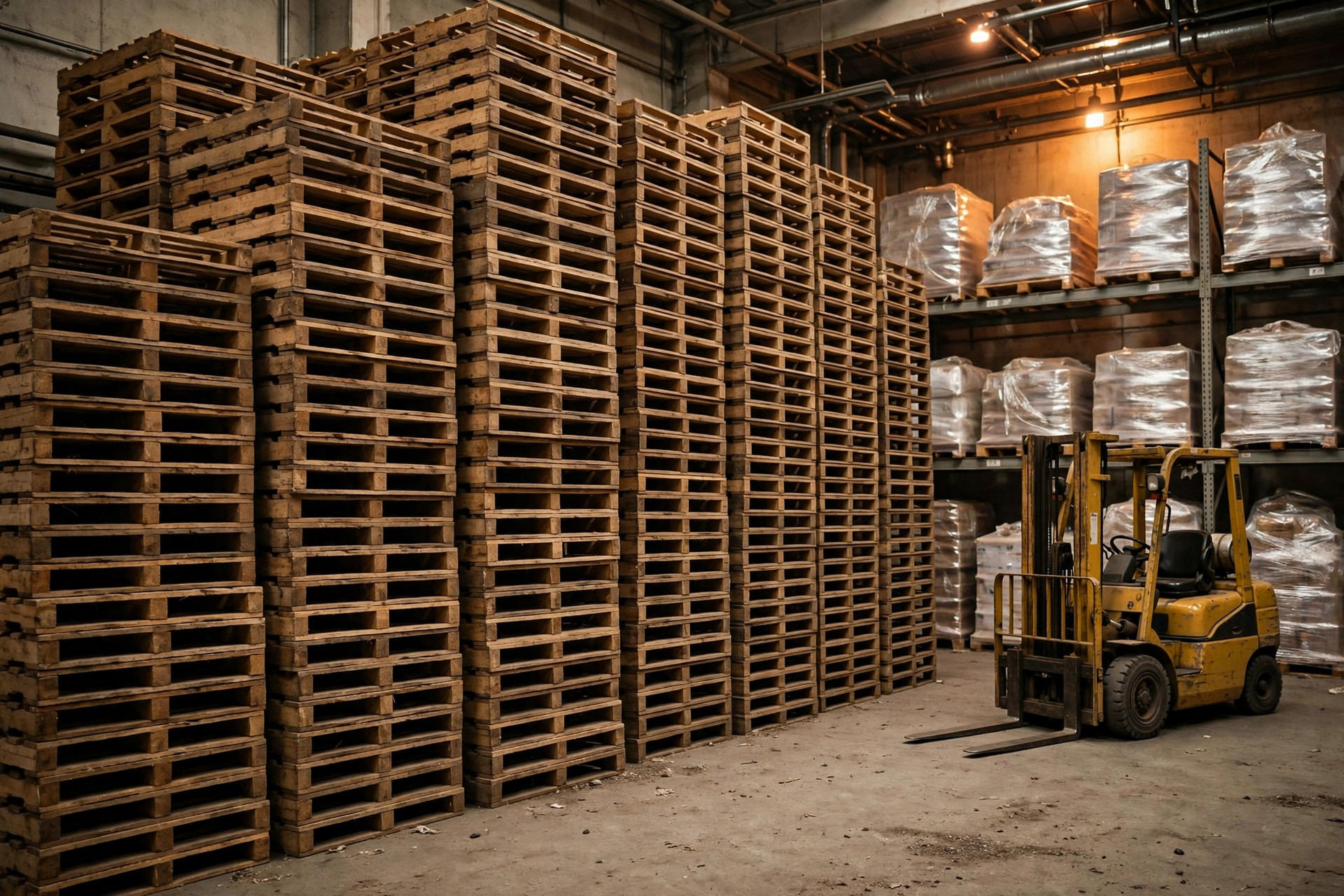
An assembly line works in minutes. Dozens of cars come off the line every hour, each one configured differently: seat colour, wheel size, option packages. Parts cannot simply be piled up at the line in bulk. They have to arrive in production order, on the beat. That is the job of the sequencing warehouse. Suppliers deliver parts in bulk, workers inside re-sort them against the shift's production sequence, and the parts go to the line in exactly the order the cars are built.
A sequencing warehouse is usually small, a few hundred to a few thousand square metres, holding only a few hours of stock. Its value is not how much it stores, but that it never runs dry. That is the operating logic of Morocco automotive logistics at plant level: the supplier cluster around Renault's Tangier plant grew on exactly this principle, with parts makers setting up next to the carmaker and sequencing centres next to the assembly hall, so transport distances shrank from cross-border to cross-site. If one part is missing, the whole line stops, and the loss is counted by the minute. A few hours of buffer inside the sequencing warehouse is the fuse for the entire chain.
There is a common misunderstanding here. When people talk about automotive logistics, they look at the size of the big warehouses and the value of the stock inside them. But what actually keeps a car plant running is often this unremarkable small building. A bonded warehouse can be large and hold weeks of stock; a sequencing warehouse cannot hold stock at all. It holds certainty. Its performance is not measured by inventory turnover but by on-time delivery and zero stock-out days, which is almost the opposite of traditional warehousing logic.
Bonded warehousing behind the port
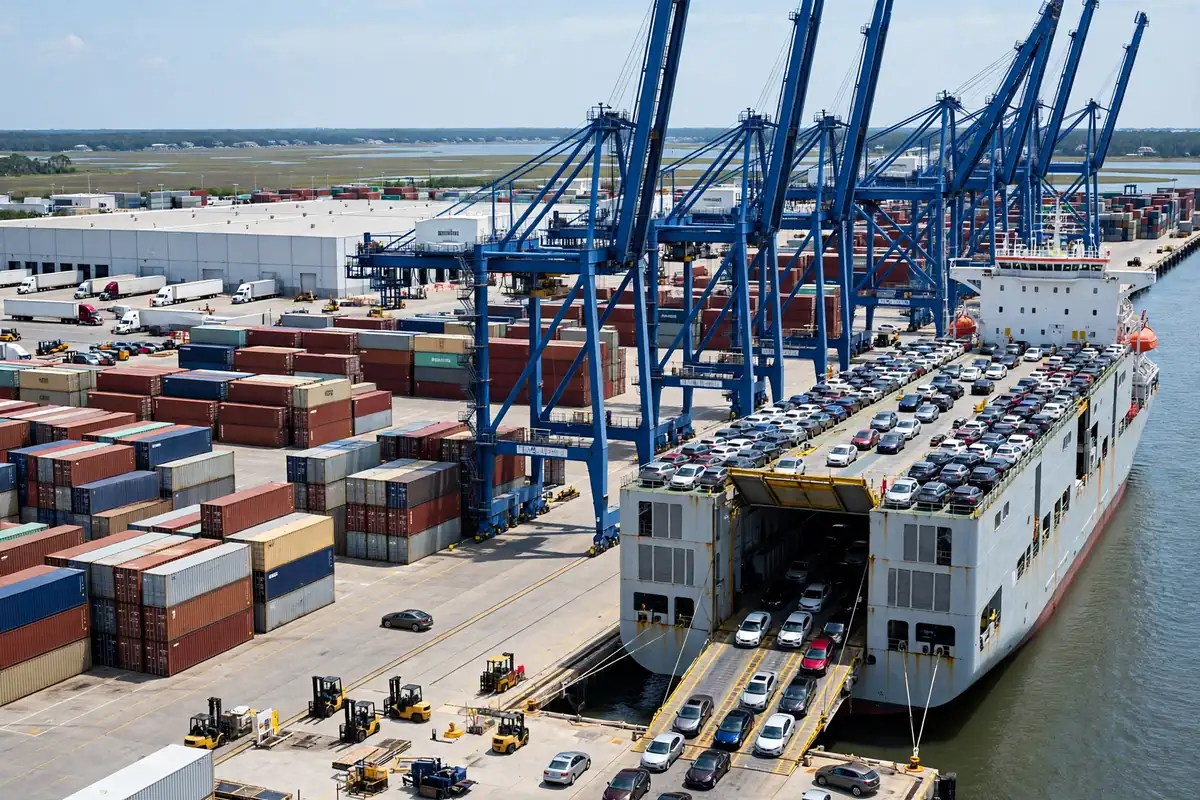
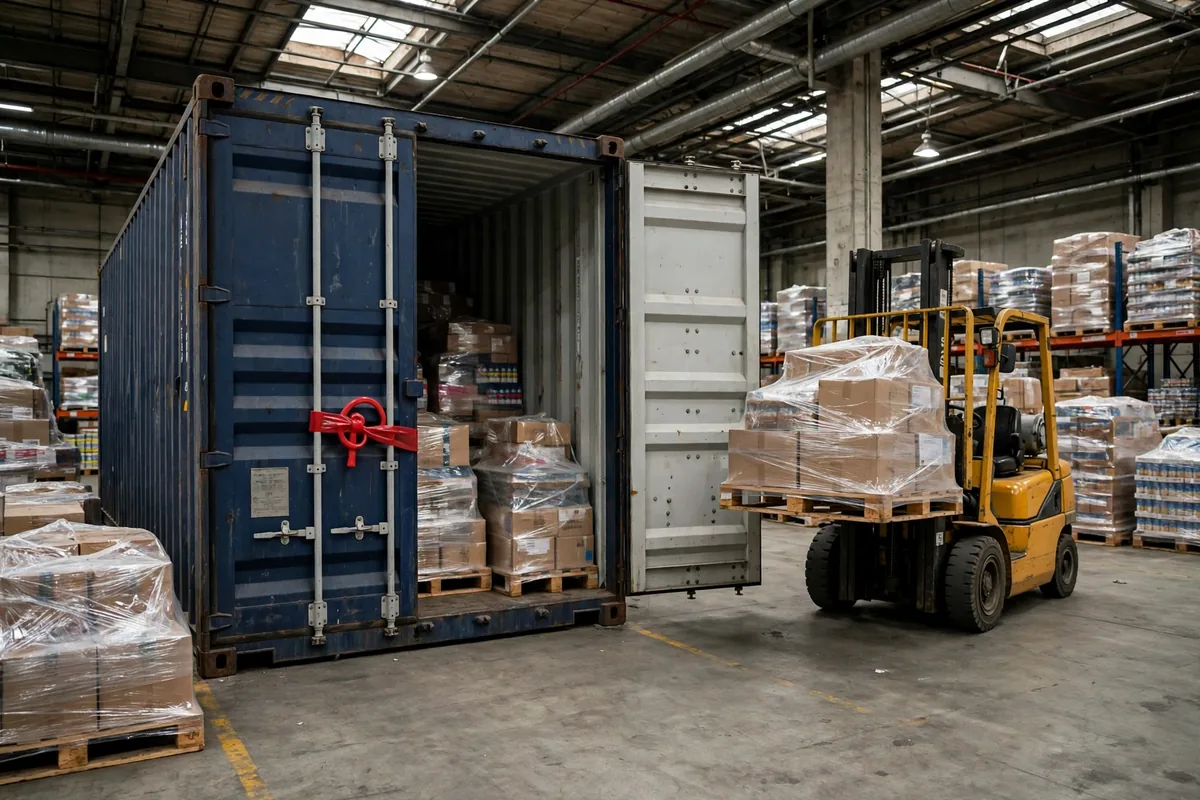
The bonded warehouses behind the port play a different role. Imported parts and CKD kits can sit in bonded storage, be consolidated and split, with duty deferred until the goods genuinely enter production or the domestic market. Finished vehicles for export are gathered in the port zone, inspected, scheduled, and loaded in bulk when the roll-on roll-off vessel berths. With about one million vehicles a year leaving through Tanger Med, this port-warehouse linkage is what Morocco automotive logistics is built on: the warehouse is not an appendage of the port, it is an extension of the port's throughput.
The differences between the three supply models are easier to see side by side. The figures in this table are illustrative assumptions, used only to show how the structures differ:
| Supply model | Inventory level | Line-side footprint | Stock-out risk | Best fit |
|---|---|---|---|---|
| Direct to line | Near zero | High | High | High-frequency common parts, supplier next door |
| Sequencing centre | A few hours | Low | Low | Multi-configuration parts, delivered in order |
| Bonded bulk stock | Days to weeks | None at the line | Medium | Imported parts, CKD kits, export consolidation |
The trade-off is visible in the table: the lower the inventory, the less pressure on the line, but the more coordination the system demands. Direct delivery looks cheapest, yet it puts all the risk on the supplier's punctuality. Bonded bulk stock looks safest, yet it ties up the most capital and space. The sequencing centre sits in the middle, trading a few hours of buffer for the stability of the whole line, and in the auto industry that is a trade worth making.
What Morocco automotive logistics looks like next
By 2025, the shape of the sector is clear enough to describe. In the north, Tangier anchors finished-vehicle exports and a parts cluster that fit together tightly. In the centre, Kenitra is the second growth pole, with Stellantis's expansion underwriting it. Chinese investment is also entering the picture, with BYD among the earliest Chinese carmakers to lay out a presence. The evidence for the trend is the timeline itself: Renault's start in 2012, Kenitra's start in 2019, and a 1.2-billion-euro expansion announced in 2025. Each step has come sooner than the last, and each one has been bigger.
The counter-intuitive judgement is that Morocco's real moat is not cheap labour. Wage advantages are always replaced by the next low-cost location. The Strait of Gibraltar is not moving, the European market 15 kilometres away is not moving, and neither are the port, the industrial parks, and the supplier base that have already been built. Labour cost explains why the first factories came. The port and the industrial ecosystem explain why they stayed, and why the next ones keep coming.
One question is worth keeping open. Electric vehicles are pushing the battery to the centre of the supply chain, and the battery is the heaviest, most expensive, and hardest part to move. In the combustion-engine era, Morocco won its position with a port-plus-factory combination. In the electric era, will the logic of battery supply chains change how much that combination is worth? The port, the factories, and the warehouses may each give a different answer, and that disagreement is the variable most worth tracking over the next few years.
By Dr. Chen, Supply Chain Researcher