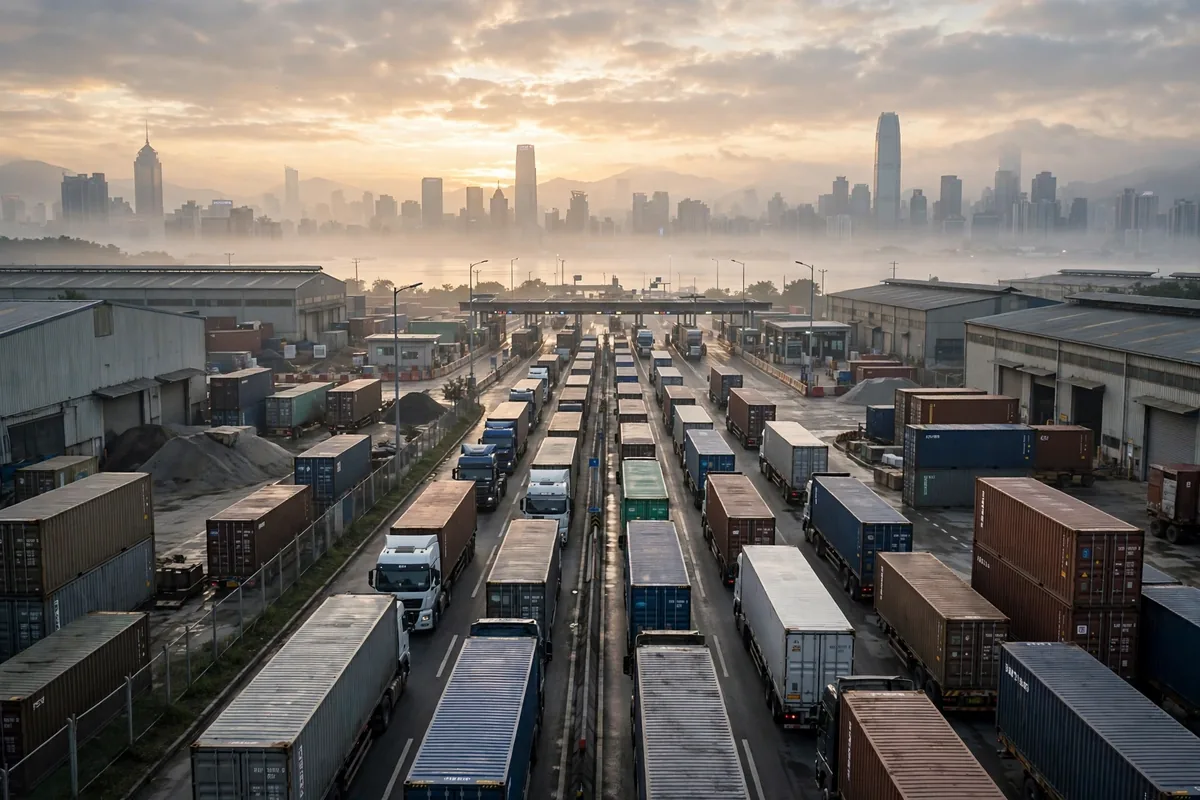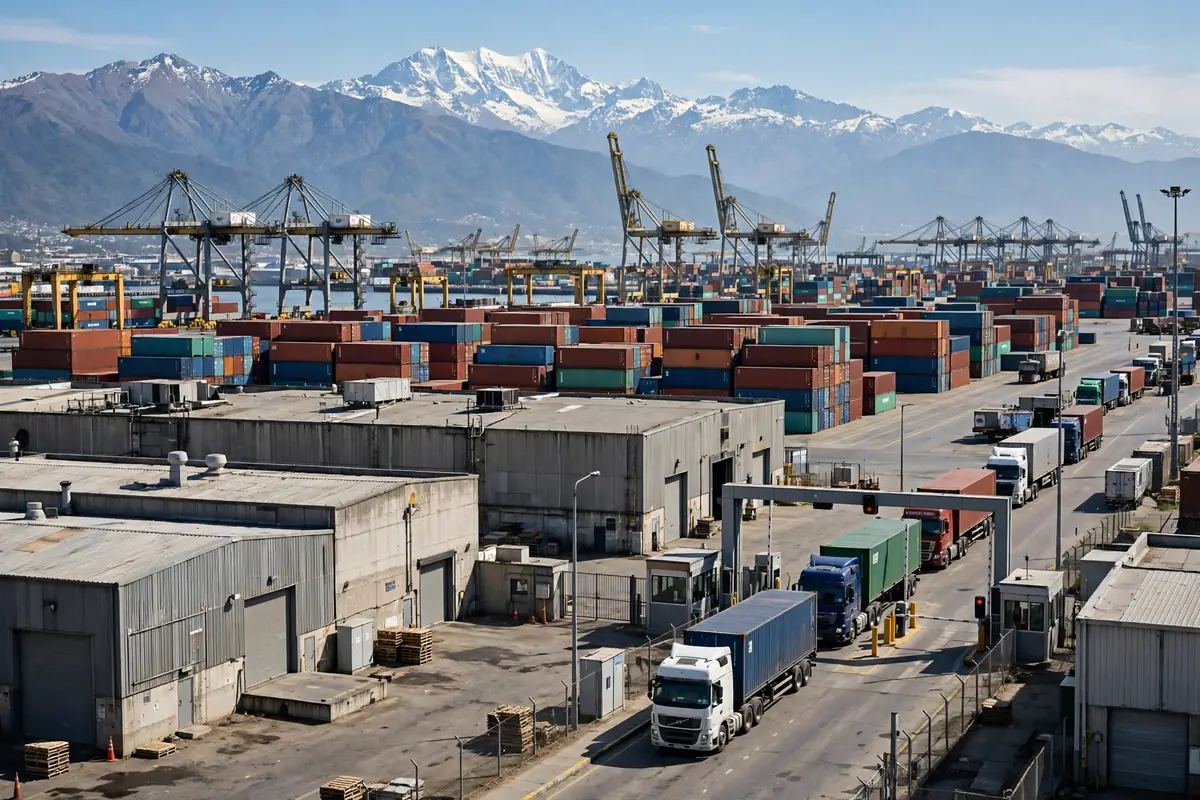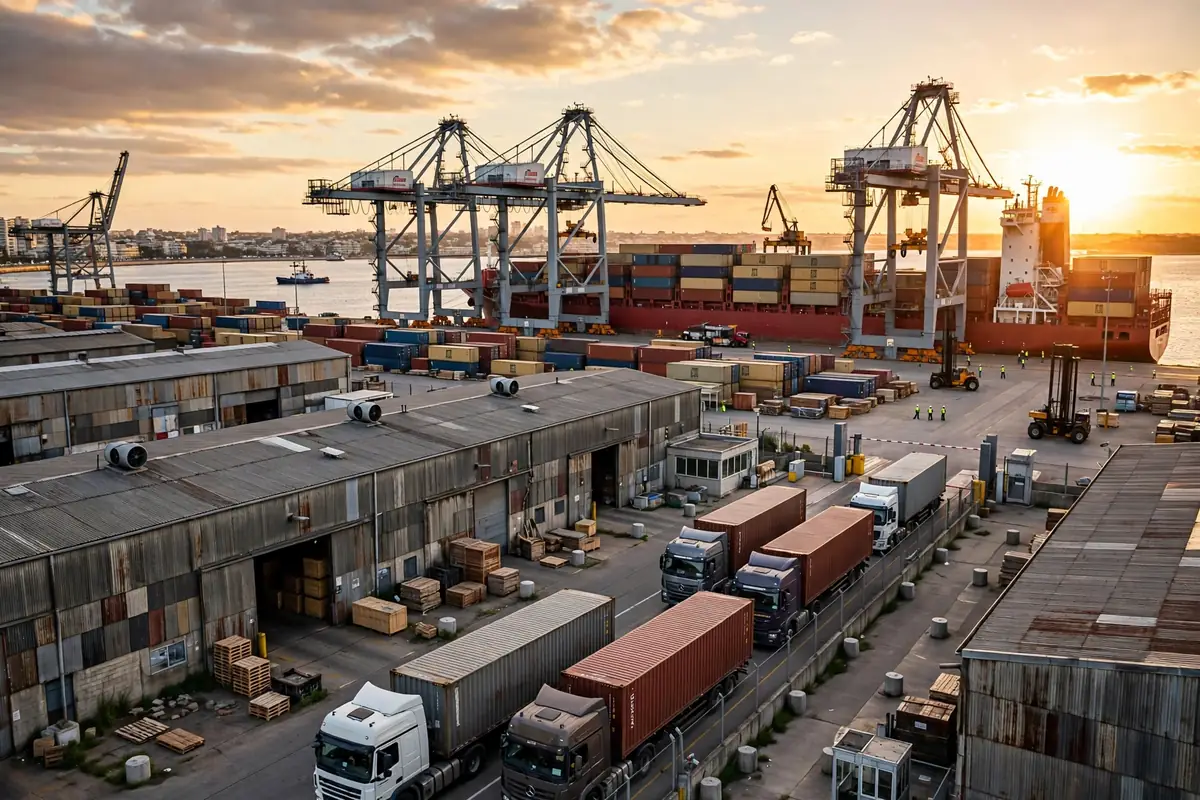
Let me tell you: montevideo uruguay warehouse logistics is not really about where the warehouse sits. My first run into Montevideo taught me that. I made the mistake many cargo owners make: I found a warehouse that looked close to the port on a map and figured we were safe. Then the truck reached the port area and I learned the truth — distance is not the hard part. Getting in and out is. Queues, inspection steps, paperwork windows: lose a little time at each and your day is gone. After fifteen years on the road, I put it this way: it is about how a truck moves — in, out, and through every checkpoint in between.
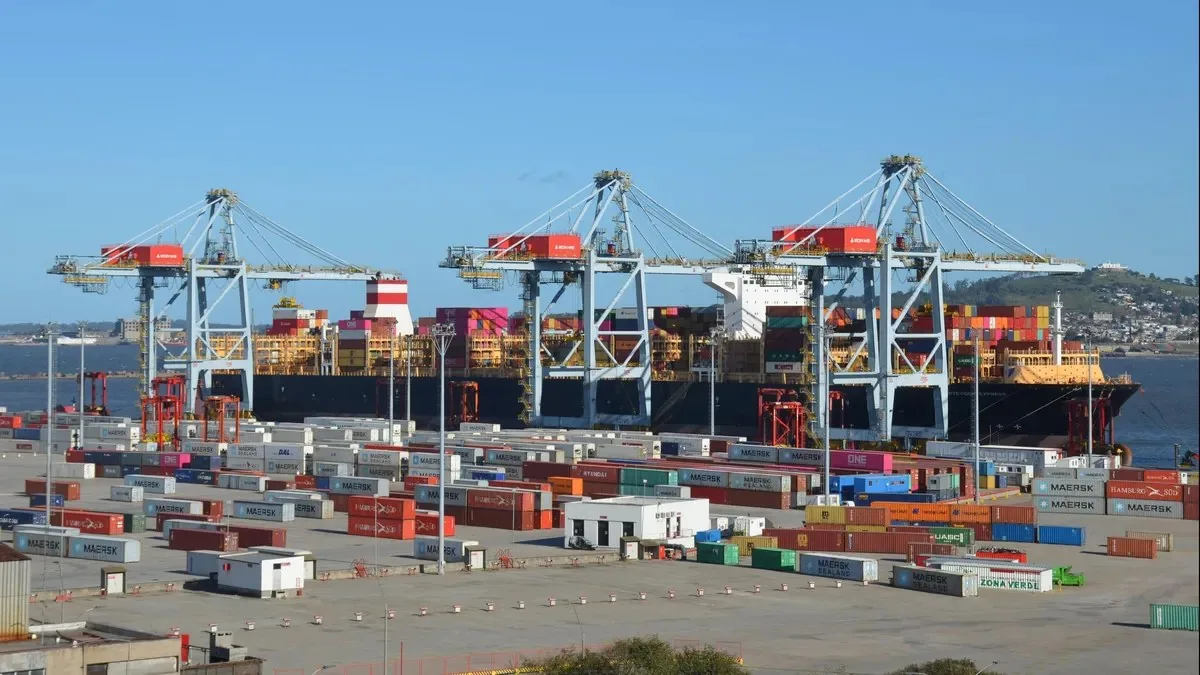
Montevideo is Uruguay's main gateway: the port, the ocean freight, and the highways inland and toward neighboring countries all pass through here. If you import for distribution, stage transshipment, or supply the Uruguayan market, you cannot route around it. But that does not mean any warehouse will do.
Choosing the warehouse for montevideo uruguay warehouse logistics: near the port is not the same as cheap
When I judge a warehouse, I look at three things, all worth more than the rent number.
First, how smooth is the road to and from the port? Some warehouses sit a short straight-line distance away but force trucks through congested city streets, where peak traffic can eat half a day. Others sit a bit farther out but open onto a steadier main road, where a driver can predict the trip. A predictable road beats one that is shorter on paper. Unpredictability turns into waiting time and dispatch chaos.
Second, can the yard and dock serve a truck? Some buildings were designed for vans: tight yards, small turning space, dock heights that do not match a full-size truck. The driver makes three attempts to back in, loading crawls, and the rent you saved evaporates. When you visit, drive the loop first: gate in, turn around, dock, gate out. An experienced driver knows in one pass whether the place works.
Third, what freight is it really for? Fast-moving local distribution wants a warehouse plugged into the delivery network, ready for small, frequent runs. Longer-dwell transshipment freight cares more about storage and clean paperwork handoffs. Force both into one building and both suffer.
A concrete story. Some years back, a home-goods importer rented a cheap warehouse near the port for the obvious reason: it was near the port. Peak season arrived, and container trucks and local delivery vehicles fought over the same single gate, queuing onto the street. He moved the big transshipment freight to a more distant site with a proper yard, keeping only fast-turning local stock near the port. Both flows smoothed out. The building was never the problem. The freight was in the wrong place.
My own lesson cost me a sailing. A warehouse once released my load about forty minutes late, the port queue did the rest, and I missed the vessel cut-off. Sailings are not missed at sea. They are missed at the warehouse gate and the port gate. Since then, my first sentence to any cargo owner is: drive the route with me first, then we talk about rent.
Working the port and the city: where montevideo uruguay warehouse logistics actually jams
Port work breaks into four steps.
Step one: paperwork moves before the truck does. Pickup, inspection, and release information must say the same thing in the warehouse's system, the agent's hands, and the driver's cab. The worst wait in this trade is not traffic. It is standing at a window, freight sealed behind you, while one number does not match. Traffic is weather. A paperwork mismatch is self-inflicted, and can be eliminated the day before.
Step two: respect the time windows. Port and warehouse both have busy and quiet rhythms. Stagger container moves into steadier hours and put local deliveries on a different clock, so two streams of trucks are not fighting over one gate. A staggered plan outperforms extra hands every time.
Step three: local last-mile knowledge. Delivering inside Montevideo runs on street knowledge no map shows an outsider: which roads restrict trucks, which hours traffic chokes a street, where a truck can stand to unload. That knowledge lives with local drivers and warehouse teams. A partner who knows the streets is worth more than a small saving on rent.
Step four: plan for the bad day. An inspection hold, a late container, a power cut that stops loading — none of this is exotic in a South American port city. What matters is the chain: who calls whom, where the truck waits, and what the fallback is. A warehouse with no exception plan does not have one bad day. It has three confused ones.
The table below is the rough scoring method I give cargo owners. The scores are a clearly hypothetical worked example — not measured data and not any official standard. Score each candidate from one to five on port access, yard and dock, paperwork handling, and local delivery reach, then weight by your freight: raise the paperwork weight for transshipment, the delivery weight for local distribution. The highest weighted total is closest to your real cost.
| Factor | Near-port small site (hypothetical) | Farther large-yard site (hypothetical) | What to check |
|---|---|---|---|
| Port access smoothness | 3 | 4 | Time one real run at peak hour |
| Yard and dock | 2 | 5 | Can a big truck turn and dock cleanly |
| Paperwork handling | 3 | 4 | How practiced the document and inspection handoff is |
| Local delivery reach | 5 | 3 | Routes to your main drop points |
Here is the counter-intuitive trade-off: the warehouse farther from the port can be cheaper overall. Instinct says near the port saves transport money. But near-port sites often carry higher rent, smaller yards, and a congested gate, and driver waiting burns money daily. A site a little farther out, with better conditions and a predictable road, can win the full account. Do not measure distance with a ruler. Measure time with a clock. In trucking, time is the real money.
Running toward Argentina and Brazil: cross-border is about the handoff, not the nerve
Freight out of Montevideo regularly heads toward Argentina in one direction and Brazil in the other. I will not quote tax rates or fee numbers here. Those change, differ by product, and an old number from someone's article will only hurt you. The cross-border leg has three rules that do not change.
First, the big cost is usually not on the road. It is at the handoff. Border paperwork, inspection, and waiting: one inconsistent detail and the truck stops. Align the full document package, number by number, before departure. Half an hour of checking is cheap. A day parked at a border is not.
Second, plan by the corridor's real passing rhythm, not by map distance. North toward Brazil or west toward Argentina, distance and travel time are two different things. Peak season, holidays, and weather can double the time on the same stretch. Build buffer in. Arriving early beats racing a border deadline; racing makes accidents and extra waiting.
Third, understand the free-zone warehousing concept — but do not half-understand it. Uruguay has free-zone arrangements for warehousing and logistics, and many cargo owners come for the flexibility in transshipment and regional distribution. The warning, in driver language: which goods qualify, how long they can stay, what procedures apply, and what rules govern moving goods into the local market must all be checked against current official Uruguayan rules, item by item with a local professional, before you sign anything. A warehouse whose paperwork runs clean sends trucks out clean. A warehouse whose paperwork is vague will park your truck in its yard, however cheap the rent — and a parked truck burns money by the hour.
One road story. I once ran a cross-border load north alongside another truck. Its documents held one detail that did not match the freight, and it sat at the handoff for most of a day. My truck had spent twenty minutes checking documents and seal numbers item by item, and rolled straight through. Same road, same day. In this trade, the work is done before departure.
My closing advice is all bought with road time. One: choose the warehouse by driving the route — one real run beats ten pages of brochure. Two: align paperwork before departure, above all on cross-border work. Three: never compare rent alone; waiting time, yard conditions, and paperwork competence belong in the total. Four: for free zones and special arrangements, check current official rules first and sign second; never sign on a verbal promise. Get the road right and the warehouse follows. Get it wrong and no warehouse will save your schedule.
By Shifu Zhao, Trucking Veteran (15 yrs)