Here is a question I ask every warehouse manager I meet: what does one mispick cost you?
Almost everyone answers with the reship cost. Almost everyone is wrong — not slightly wrong, but wrong by a factor of three or more. After twenty years running and fixing warehouses across the US, I have watched this blind spot quietly eat margins at operations of every size. Let me walk you through the real math, because once you see it, you cannot unsee it.
The bill arrives in installments
A single mispick does not cost you once. It bills you six or seven times.
The first charge is money you already spent before anyone noticed the mistake: the pick labor, the pack materials, the outbound freight. All of it, gone. The shipment might as well have been thrown in a dumpster.
The second charge is the return trip. Who pays return shipping on a seller-error return? On the major marketplaces, that is on you, the seller. And return parcels rarely enjoy the discounted rates you negotiated for outbound volume — a small-parcel return often costs about as much as the original shipment, sometimes more.
The third charge is the reship: another pick, another pack, another parcel. Stop and count: by now you have paid for logistics three times on a single customer order — outbound, return, reship.
The fourth charge is customer service time. The buyer emails, calls, opens a case. Your team investigates, apologizes, arranges the replacement. Half an hour of handling per mispick is a conservative estimate, and when you load the labor cost, that is several more dollars walking out the door.
The fifth charge is the one almost nobody books: damage and devaluation. Returned goods come back with opened packaging and missing tags. Apparel, cosmetics, anything where "new condition" matters — a meaningful share of returns can never go back on the shelf at full price and gets liquidated instead. The exact share varies by operation, but "we will just resell it" is wishful thinking in most categories I have seen.
The sixth charge lives on the platform side. On Amazon and Walmart, mispicks feed directly into your order defect rate. A bad review, a claim, a performance warning — none of them deduct cash from your account, but traffic and Buy Box share are real money. One mispick review can drag a listing's conversion rate down for weeks, and winning it back costs ad spend nobody budgets for.
Let me put illustrative numbers on this so the scale lands (these are worked examples to show magnitude, not industry statistics). Take a $50 small-parcel order: roughly $12 of outbound cost wasted, $10 for the return leg, $12 for the reship, $5 of service time, and maybe $15 in devaluation on the returned unit. That is over $50 in direct cost — more than the item itself. And we have not touched reviews or lost customers yet.
More than the item itself. Sit with that for a moment.
Now do the other side of the ledger
Once you have priced the mispick, pricing the audit station becomes simple arithmetic.
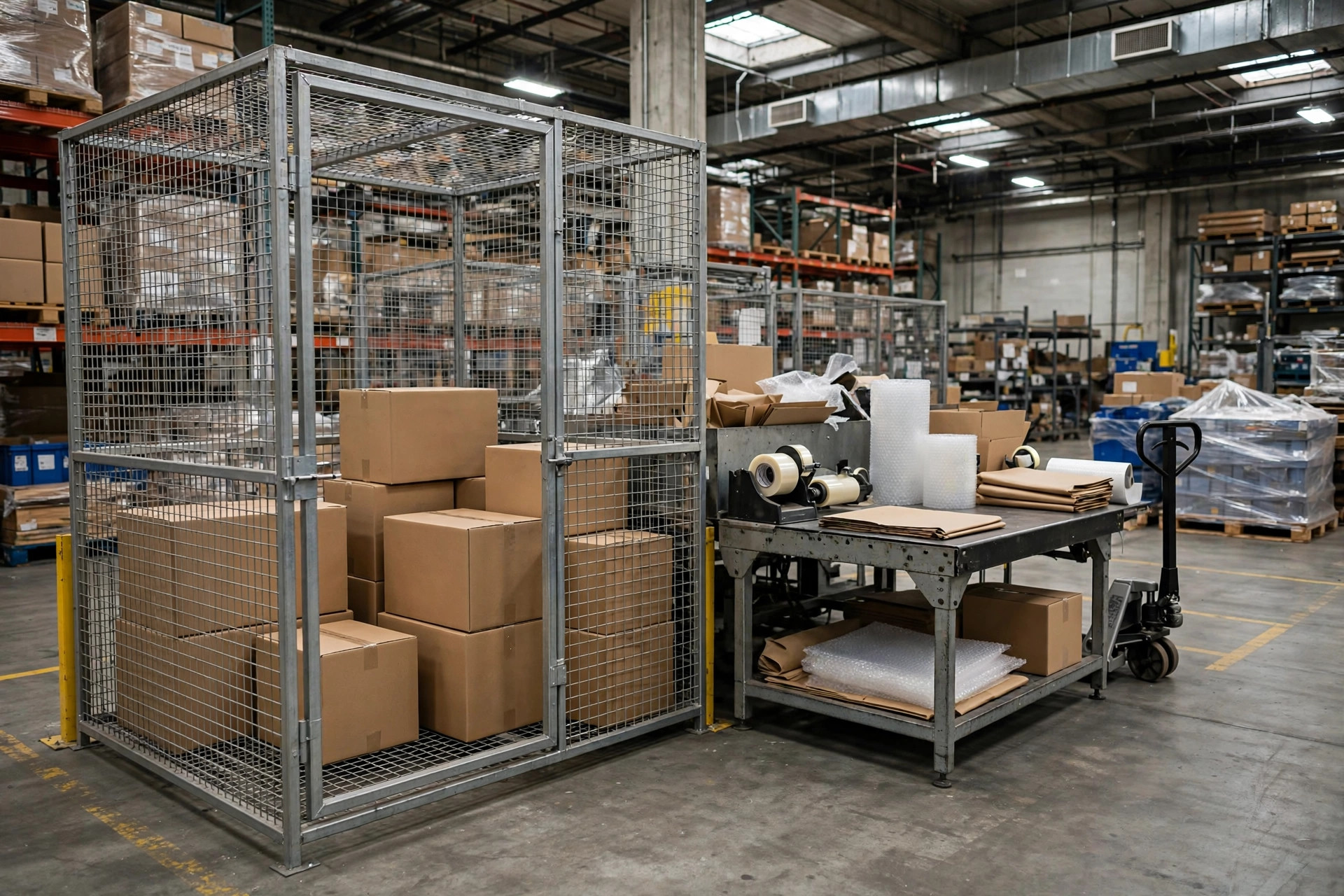
A full-time pack-out auditor in a US warehouse costs tens of thousands of dollars a year, all in. How many orders can one person verify in a day? It depends on your units per order and process design, but several hundred a day is typical.
The formula is straightforward — which means the first step is a number most managers cannot produce: your current mispick rate. Pull the last three months of mispicks and divide by total orders. If you cannot answer that, you have already found your first problem. You cannot cut a cost you do not measure.
Back to the worked example: say you ship 30,000 orders a month at a 0.3% mispick rate. That is 90 mispicks a month. At $50-plus each in direct cost, you are burning $4,000 to $5,000 a month — $50,000 to $60,000 a year. One audit position very likely costs less than that, before counting the reviews and claims it prevents.
But "add a person" is not the whole answer. The format of the audit matters enormously, and I have seen three tiers in the field.
The weakest is paper re-checking: an auditor eyeballs the picked goods against the pick ticket. Human eyes auto-approve anything they have "already seen." The catch rate is miserable. It is mostly theater.
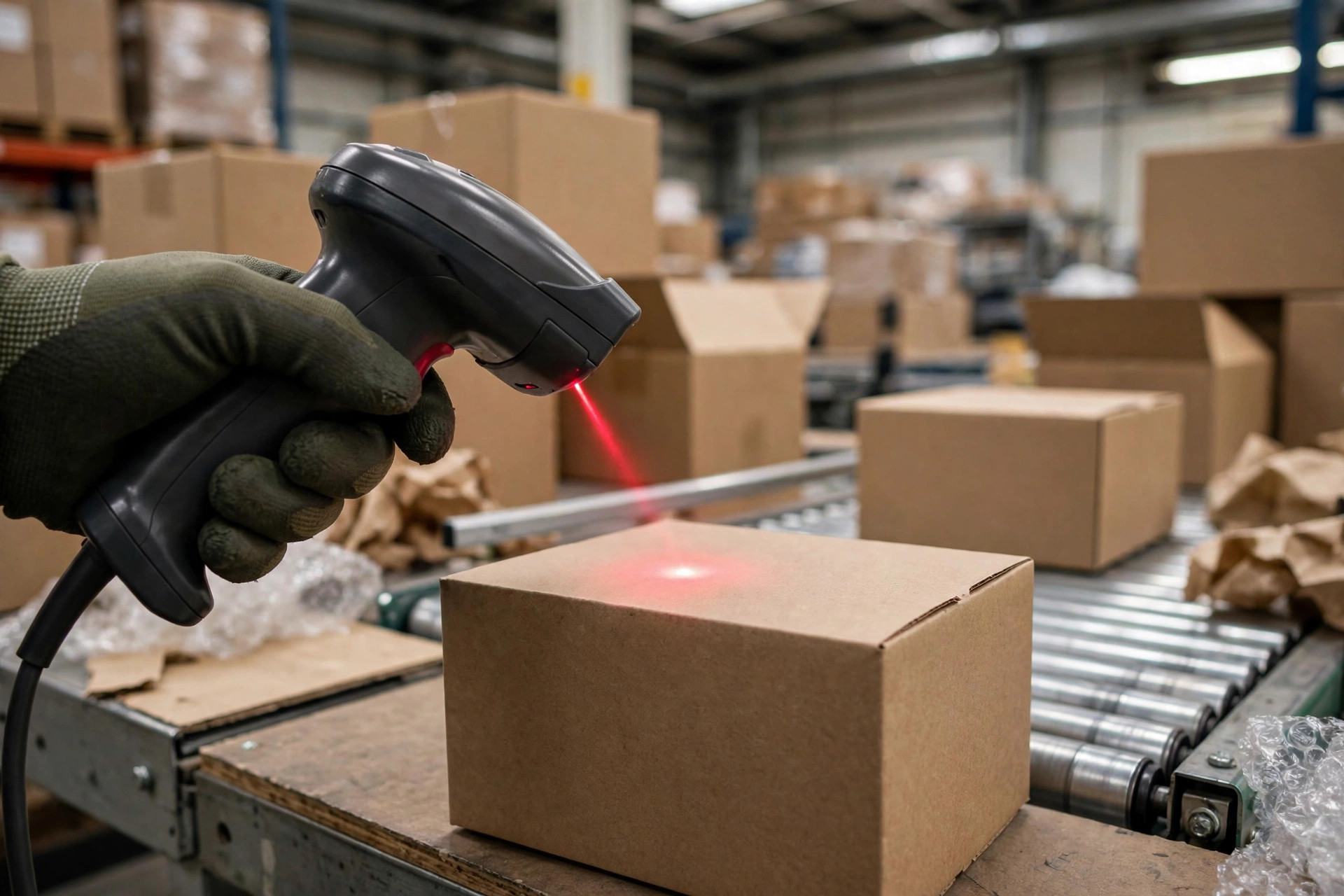
The best value is scan verification: before sealing the box, scan the item barcode and the order barcode, and let the system compare. Mismatch, and the order locks. One scanner plus one system checkpoint can cut your mispick rate by an order of magnitude.
The third option is weight verification: the system knows each SKU's weight, the parcel goes on a scale, and deviations trigger an alert. It shines for single-SKU-dominant flows with distinct weights, and it degrades for multi-item mixed picks where weights are close together.
My call, and I will not hedge it: if you ship more than ten thousand orders a month and still lack scan verification, that is the highest-return investment in your building. Do the audit right before you automate anything.
The most expensive savings I have seen
Around 2019, a home-goods client cut their audit step to save headcount. The logic was "our pickers know the products, mistakes will not happen." Within three months the mispick rate climbed from just over 0.1% to above 0.4%. Worse, they sold dinnerware sets — one wrong mug meant the whole set came back, and the dimensional-weight return freight cost more than the original outbound.
When we ran the post-mortem, the headcount savings from cutting two audit positions did not even cover two months of mispick losses. That was before counting the extra ad spend needed after the store rating slid. They reinstated the audit with scan verification, and the mispick rate was back under 0.1% within a month.
I distilled that lesson into one line: the audit is not a cost center; it is the margin's goalkeeper. Every dollar you save by cutting it comes back as several dollars of mispick cost somewhere else.
There is a second trap, subtler: auditing in name only. The scanners are bought, the system check is live — and then at peak, a supervisor disables verification to "get shipments out first." The mispick rate rebounds, and the whole investment is wasted. Once the audit goes live, it is law. Nobody bypasses it for throughput. Bypass it once, and the rule is dead.
Where to start tomorrow
Do not rush to hire. Tomorrow, do this instead: pull the last three months of mispicks and count them properly — how many orders, how many came back, how many were reshipped, how many service tickets trace back to mispicks. Compute your own true cost per mispick.
With that number in hand, the audit decision stops being a gut call and becomes arithmetic. Most warehouses do not suffer from unwillingness to change; they suffer from not knowing what they are losing. Get the number first, and every decision after it gets easier.
So — what is your mispick rate right now? If you cannot answer, then the first line item this article leaves you with is to start counting.