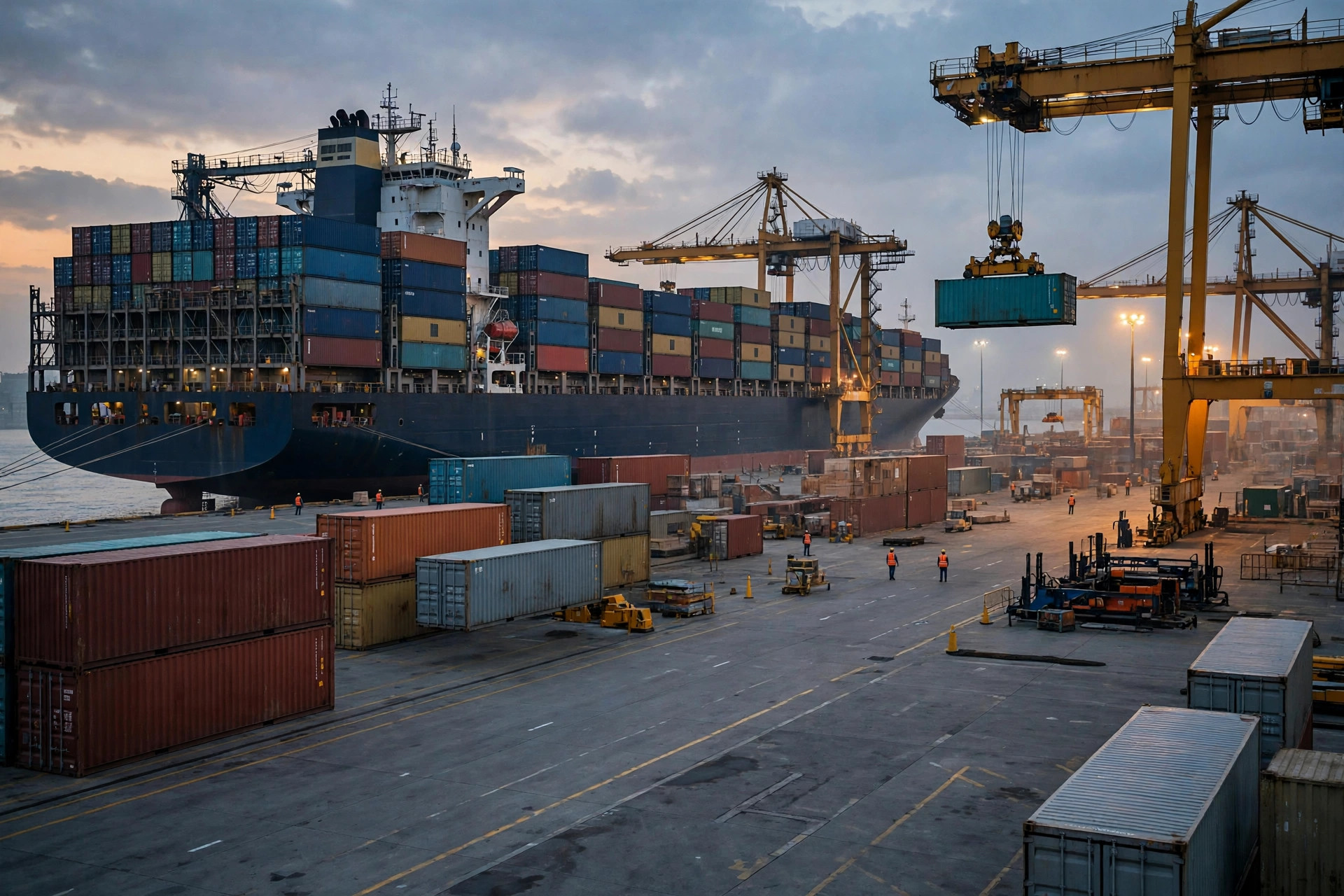
Let me tell you something. Last August I was sitting in a pickup line outside the Port of Long Beach — forty-some trucks ahead of me, cab baking like an oven in the sun. The driver next to me rolled down his window and said his box was Matson. Ship arrived yesterday, he was pulling the container this morning. Meanwhile my load, off a regular sailing, had been sitting inside the terminal for six days waiting to be discharged.
After all these years behind the wheel, I've figured out something most people get wrong about the "fast" in Matson fast boat: it's not really about the days at sea.
What Matson Fast-Boat Transit Times Actually Look Like
Let's get the numbers on the table so nobody's guessing.
Matson's main express string is CLX, calling Shanghai and Ningbo straight through to Long Beach. Shanghai to Long Beach runs about 11 days port to port; Ningbo is more like 12 to 13. There's also CLX+, calling Shanghai, Xiamen, and Ningbo with direct service to Oakland — roughly 12 to 14 days at sea — built for cargo headed to Northern California and the Pacific Northwest. The carrier publishes on-time performance above 98%, and I believe it, because in all my years hauling Matson boxes I can count the missed schedules on one hand.
Compare that with a standard carrier's transpacific service: 15 to 20 days at sea is normal, and with extra port calls, 25-plus days is nothing unusual. So the fast boat saves you about five to seven days on the water.
But those five to seven days? They're not the real story.
Fast Boat vs. Regular Sailing, Side by Side
| Matson Expedited (CLX) | Standard Ocean Freight | |
|---|---|---|
| Routing | Shanghai/Ningbo direct to Long Beach, no detours | Multiple port calls or transshipment, longer route |
| Ocean transit | ~11 days Shanghai to Long Beach | ~15–20 days, longer with more calls |
| After arrival | Dedicated Long Beach terminal, usually available next day | Shared terminals, peak-season queues of days to weeks |
| Schedule reliability | 98%+ on-time, extremely stable | Varies by lane and season |
| Door to door to a West Coast FBA warehouse | ~15–18 days | ~25–30 days or more |
| Freight cost | Clear premium | Cheaper |
| Exact rate gap | Per the carrier's latest quote | Per the carrier's latest quote |
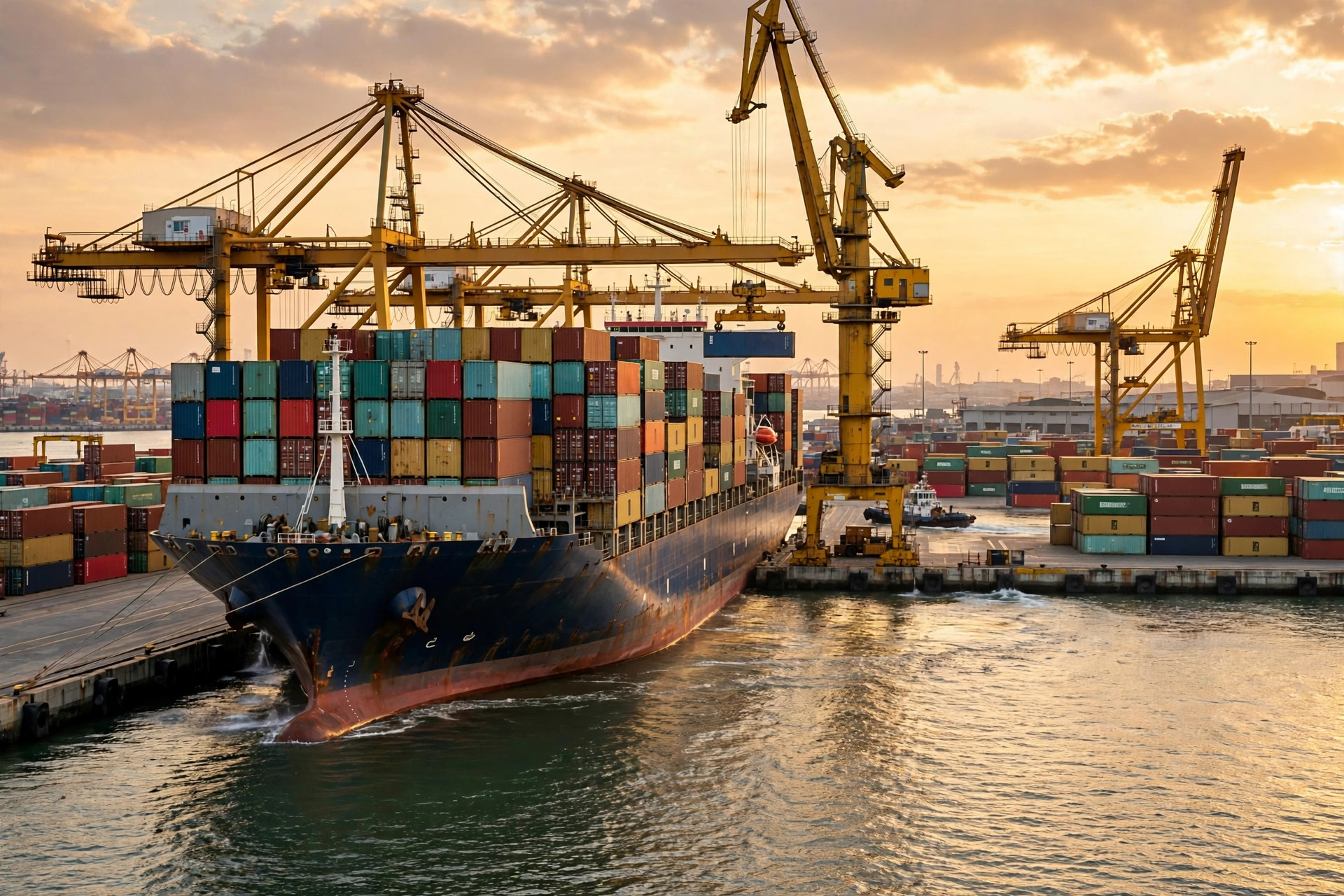
See it? Five days faster at sea, and then another big chunk saved after arrival. Matson runs its own dedicated terminal in Long Beach — its ships don't wait in line for a berth behind everybody else's, discharge is fast, and pickup is fast. When the ports jammed up badly in 2021 and 2022, ships at the public terminals sat at anchor for weeks while Matson's vessels kept berthing and working. The whole industry watched that happen.
The Counterintuitive Part: What You Save Isn't the Sea Days — It's the Queue After Arrival
This is the thing I most want sellers to understand, and I'm going to say it plain.
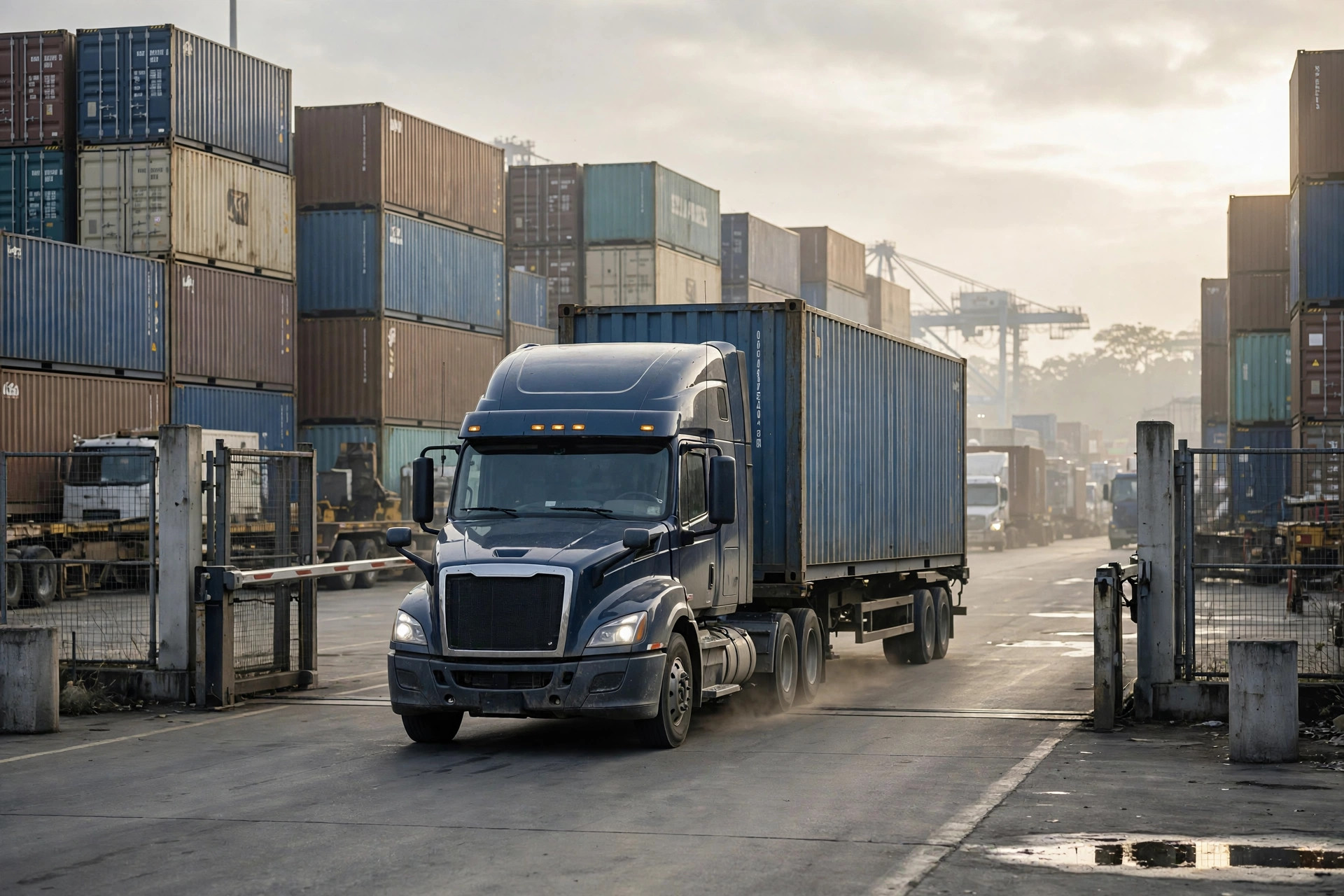
Five days at sea is math you can do. What kills you is the part you can't calculate: the ship arrives today — do you get your box tomorrow? In three days? Or does it sit in the terminal for three weeks? On a regular sailing in peak season, that wait is a lottery ticket.
For an e-commerce seller, the scariest thing isn't slow — it's uncertain. If your goods hit the warehouse on September 20, you can line up your ad spend, your off-Amazon promotions, your FBA appointments back in August. If it's "sometime late September, maybe mid-October," you can't plan a thing. What Matson's premium really buys you is turning the after-arrival stretch into something predictable — reliable schedules, a dedicated terminal, next-day availability. You get a date you can write into your plan.
Here's the truly counterintuitive bit: for some cargo, the fast boat is the cheaper option. Do the math with me.
Last August, a seller friend in Shenzhen shipping Bluetooth earbuds — battery products — needed a restock before Black Friday. The goods stuffed in Ningbo, loaded in Shanghai onto CLX: 11 days at sea, discharged at Matson's dedicated Long Beach terminal, box out the next day, customs plus trucking, door to door in under 18 days, straight into an ONT8 Amazon warehouse. Made the first Black Friday replenishment wave with room to spare. (Battery goods are fine on Matson, but the declaration has to be honest and clean — MSDS and UN38.3 test reports, no shortcuts.)
The flip side: a seller moving Christmas decorations tried to save on freight with a regular sailing. Between the longer voyage and the public-terminal queue, the goods reached the warehouse when the Christmas season was already half over. That inventory sat until the following year, and the storage fees ate the freight savings and then some. Saving on freight and ending up with dead stock — that's stepping over dollars to pick up dimes.
What Cargo Is Worth the Premium
After all these years, here's my short list of cargo that earns its way onto the fast boat:
First, high-value bestsellers you can't afford to stock out on. One day out of stock means burned ad spend and a sliding ranking — that costs far more than the freight premium. The fast boat is insurance for your winners.
Second, battery-powered small electronics. Matson accepts properly declared battery cargo. Air is too expensive for this stuff, regular ocean is too slow — the fast boat sits right in the sweet spot.
Third, first-batch test orders. You don't know if a new product will sell. Air-freighting a few hundred kilos is brutal, and a month on the water is too long to wait for an answer. Fifteen to eighteen days door to door is the most comfortable rhythm for testing.
Fourth, tight FBA replenishment windows. Amazon warehouse appointments and stock-out warnings run on the clock, and the fast boat's schedule actually lines up with them.
Going the other way: low-value heavy goods, routine off-season restocks, and anything ultimately bound for the East Coast (Matson only calls Long Beach and Oakland — East Coast needs another plan). No reason to pay the premium there; the regular boat does fine.
Peak-Season Booking: Three Things to Remember
One: book three to four weeks ahead in peak season. Matson space is the hot ticket when it counts. Last-minute bookings are basically a fantasy — locking space early beats everything else.
Two: pick the string by final destination. Southern California, the Southwest, or anything transloading across the country — CLX into Long Beach. Northern California or Seattle-area destinations — CLX+ into Oakland saves you a leg of inland trucking.
Three: know the difference between "the carrier's fast boat" and a forwarder's "guaranteed delivery" product. Matson itself doesn't sell door-to-door time guarantees; those are forwarder products built on top of Matson's schedule, and their reliability lives or dies on the forwarder's customs and trucking muscle. Read the compensation terms before you sign — customs exams and extreme weather are standard carve-outs, and you should know that going in.
After all these years, I live by one saying: in logistics, expensive has its reasons and cheap has its price. The extra money you're spending isn't buying a few days of ship speed — it's buying the ability to sleep at night.
By Shifu Zhao, Trucking Veteran (15 yrs)