Let me tell you something. After all these years on the road, the thing I dread most is not a long haul. It is getting stuck at the warehouse gate.
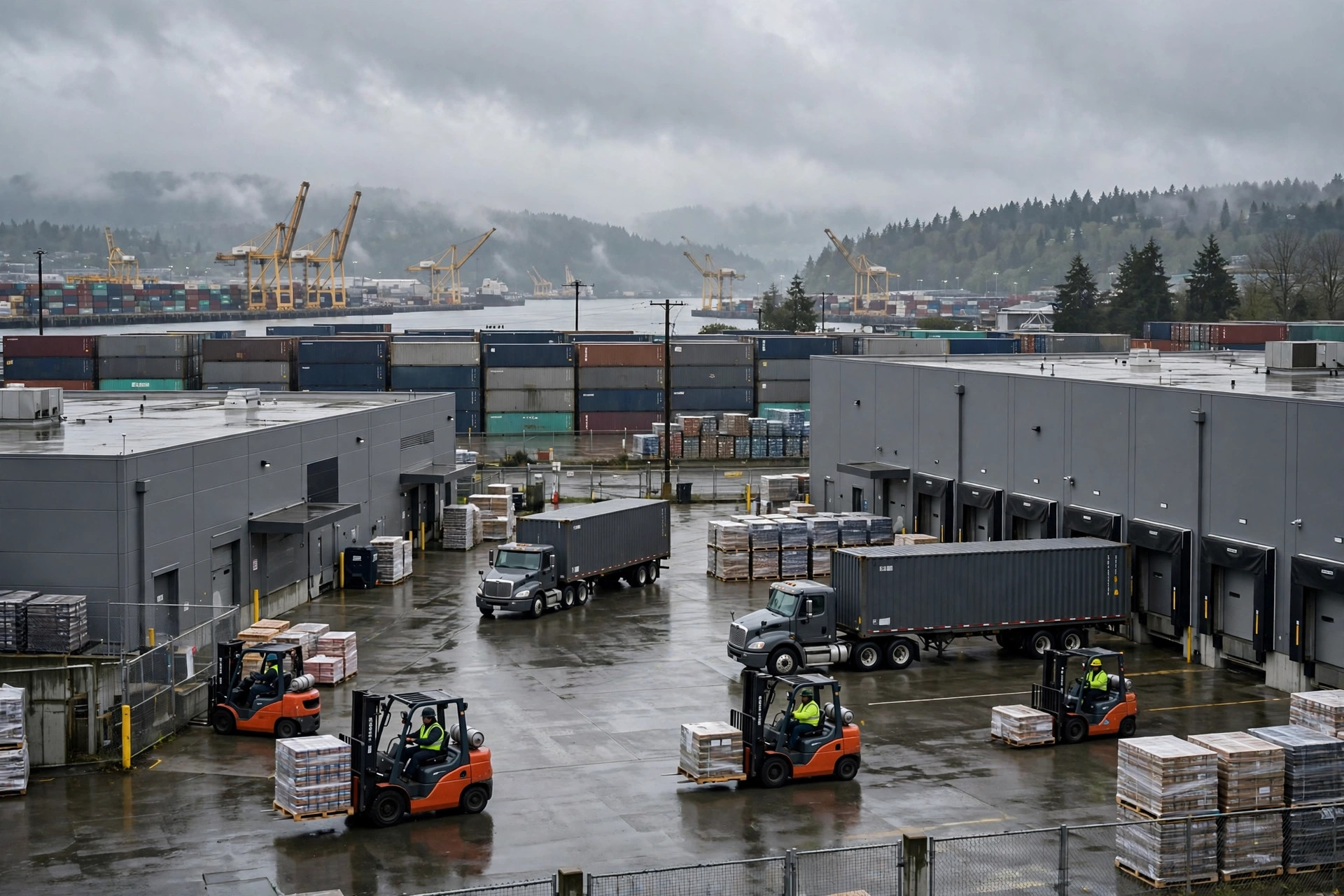
A couple of years back I ran a load into Maracaibo for a shipper who had rented a warehouse right by the port. On paper it looked perfect: the ship comes in, the cargo comes off, and it rolls straight into the warehouse. Then my truck got there, and the whole plan fell apart at the gate. The streets around the port were narrow, big trucks and small cars all jammed together, and the line of trucks waiting to get into yards stretched as far as I could see. We spent the entire day outside that gate and only got into the yard after dark. And the yard itself was small. Turning a tractor around took a man on the ground waving me through, and there was one forklift working while two other trucks waited ahead of me. The shipper kept calling me, and I kept telling him the same thing: I am here, but I cannot unload. Being close to the port was real, but when the truck cannot get in and the cargo cannot come off, that closeness is worth nothing.
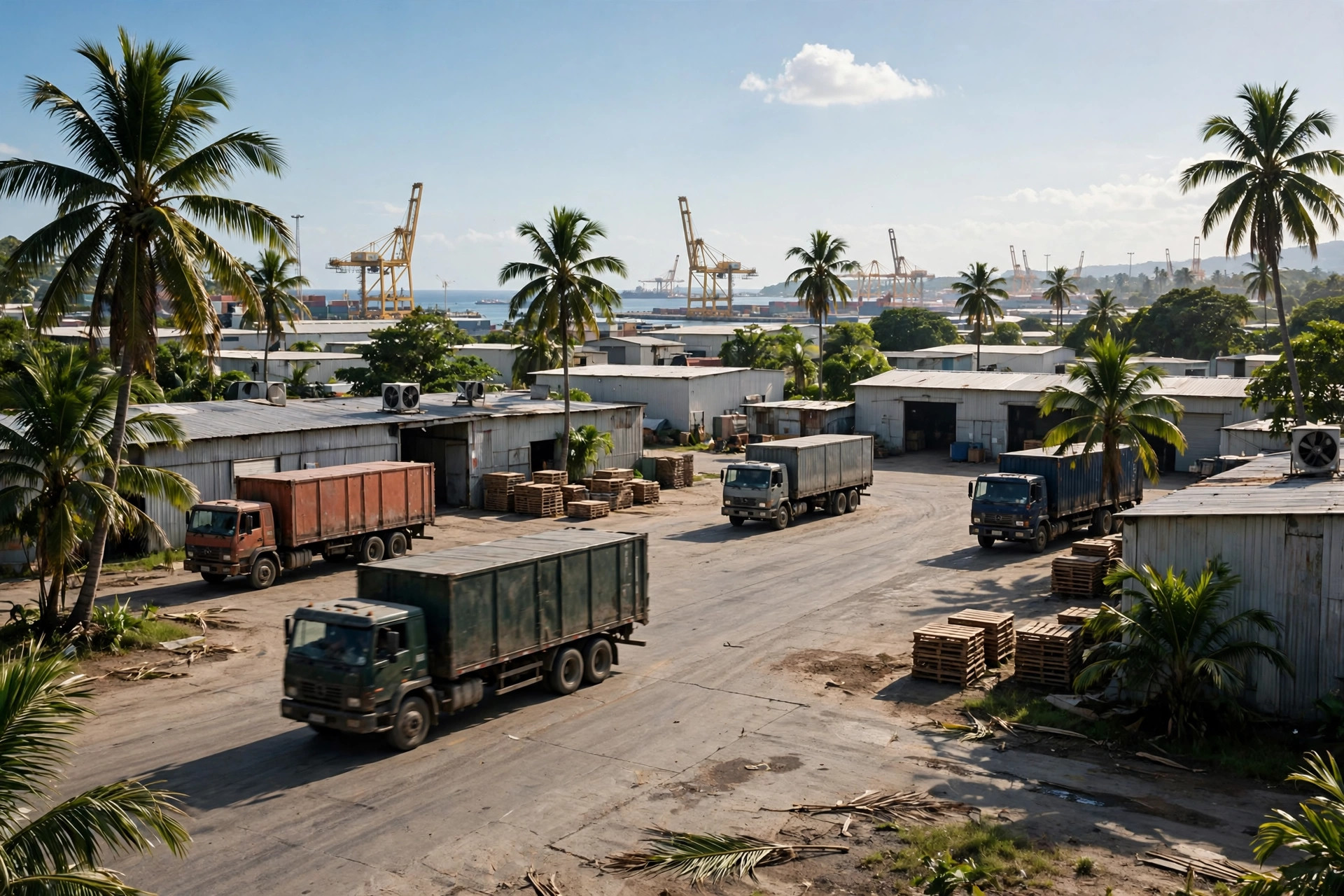
Later I delivered to a warehouse out in the suburbs of Maracaibo, and it was a different world. It was not near the port and not in the city center, just a big open yard outside town with room for several big trucks at once. Turning around, queuing up, loading at night, none of it was a squeeze. The people there told me they are not afraid of trucks arriving at night. The yard has lights, the guards are there all night, and when a truck arrives, work starts. I got there in the late afternoon and was unloaded before dark, and the next morning my empty truck was already on its way back. Driving into the city to deliver took longer, and the morning rush into town eats up time, but the load moved from gate to dock to road without a hitch. No waiting at the gate, no phone calls in the middle of the night asking where the truck is. Any driver will tell you the same: an extra half hour on the road is nothing. What kills you is arriving at a warehouse that cannot take your load.
Close to the Port Looks Good Until You Reach the Gate
A port-side warehouse has one real advantage: the cargo is right there. Imports come off the ship and can be shuttled into the warehouse over a short distance. But the price of that advantage is out in the open. The roads are narrow, traffic is heavy, and the yards are small, so queuing is a normal part of the day. When port working hours shift, the line at the gate shifts with them, and a truck that arrives on time still might not unload on time.
Port-side space also suits only a certain kind of cargo. It works for fast-moving imports that come in and go straight back out on a fixed vessel schedule. It does not work well for long storage, big sorting jobs, or breaking bulk into smaller deliveries, because a small yard simply cannot handle that kind of work. If the volume is small and the turnaround is fast, the port side can work. Once the volume grows, or the job needs unpacking, sorting, and sending goods onward inland, a small port-side yard runs out of room fast.
The Suburban Yard Is Where a Driver Sleeps Easy
The math for a suburban warehouse runs the other way around. The trip to the port and to the city center is longer, but a big yard, smooth entry and exit, and the ability to work at night add up to something worth more than the extra miles: they save the driver's waiting time and the shipper's coordination headaches. I have watched night loading at a suburban warehouse in Maracaibo. The lights go on, the forklifts start moving, and trucks roll in and out one after another without waiting for morning. For deliveries across the city and the towns around it, a suburban location sits in the middle, so no direction is a big detour.
Morning and evening traffic into the city can be slow, and the last stretch of an urban delivery needs extra time built into the schedule, agreed with the customer in advance. But there is a difference between being stuck in traffic and being stuck at a gate. Traffic you can roughly predict. A queue at a gate has no timetable at all.
The Border Corridor Runs Smooth Until It Does Not
Then there is the third option: putting a warehouse along the corridor toward the Colombian border. For anyone moving goods across the border or supplying both sides, this route looks smooth on a map. Cargo comes from the port and heads straight toward the border without doubling back through the city. I will tell you plainly, though, that a warehouse on this corridor cannot be picked from a map alone. Road conditions, fuel stops, safe places to park, and night driving all have to be checked by actually driving the route. Cross-border loads also carry more paperwork and more handover points, and when one link jams, the whole truck waits on the road. The warehouse building itself is almost the least of it. What matters is whether there are reliable support points along the route, people who can step in when a truck breaks down or a load needs an urgent short transfer. Without that backup, whatever you saved on the route can disappear in a single delay.
| Location | Access and yard | Best suited for | What to watch out for |
|---|---|---|---|
| Port side | Close to the ship, but narrow roads, small yards, long queues | Fast-turning imports on a fixed vessel schedule | Gate queues and unloading waits eating into delivery time |
| Suburb | Big yard, smooth entry and exit, night work possible | Long storage, sorting, deliveries across the city and nearby towns | City rush hours and extra time for urban delivery |
| Border corridor | Direct route toward the border, no doubling back through the city | Cross-border distribution, supplying both sides of the border | Support points along the route, paperwork handover, night driving safety |
That table looks simple, but it hides a judgment that surprises most shippers: the warehouse with the most room to negotiate on rent is not always the cheapest warehouse. A port-side warehouse looks cheap because it is close to the cargo, but a day lost at the gate costs driver time, idle equipment, and a string of worried phone calls from the customer. A border-corridor warehouse looks cheap because the route is direct, but one bad delay on the road can cost more than months of rent savings. The genuinely cheap warehouse is the one where a truck arrives, gets to work right away, and leaves. Yard size, night working capability, and what the gate queue looks like on a normal day will tell you more about the true cost of a load than any rent figure. Rents and labor conditions in this market move fast, so before signing, check current local conditions rather than budgeting from last year's prices.
If you are thinking about setting up a warehouse to serve Maracaibo, my advice is one thing: do not sign first. Ride along with a truck and run the whole route yourself. From port pickup to warehouse gate, from the warehouse out to the city and toward the border, see where the road jams, how long the gate takes, and whether night loading is possible. When you visit a warehouse, do not just listen to the landlord. Talk to the people working in the yard: what time does the gate open, is anyone on duty at night, is there a backup forklift when one breaks down, does the yard flood in the rainy season. Those questions sound small, but every one of them decides whether a truck can get to work when it arrives. Ask about the local partners too, the short-haul fleets and the loading crews, and whether they can add hands in peak season. I have seen too many warehouses that looked beautiful in the contract and could not take a truck at the gate. An old saying among drivers goes like this: where the road is open, business flows. Get the warehouse gate open, and the rest of the business follows.
By Shifu Zhao, Trucking Veteran (15 yrs)