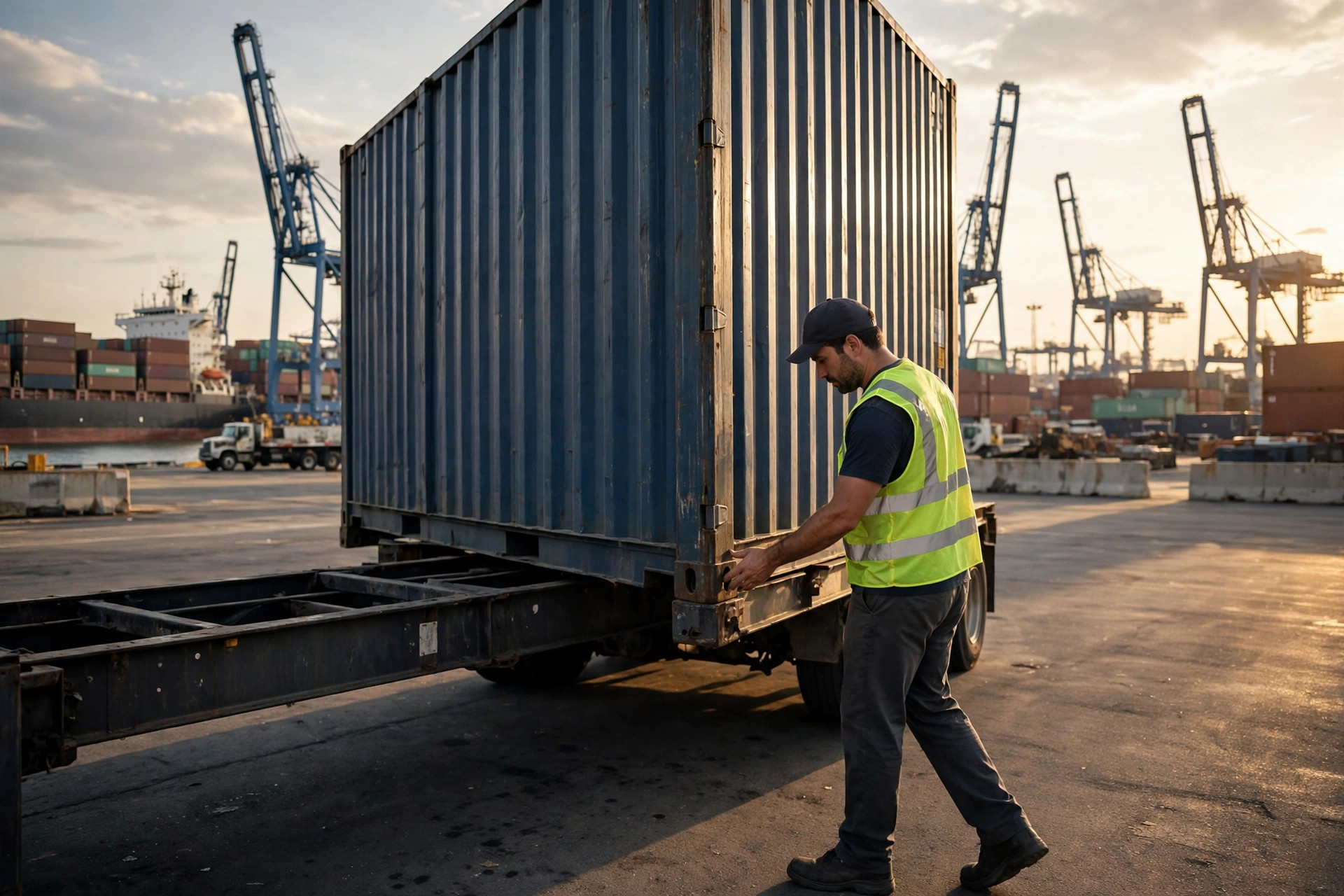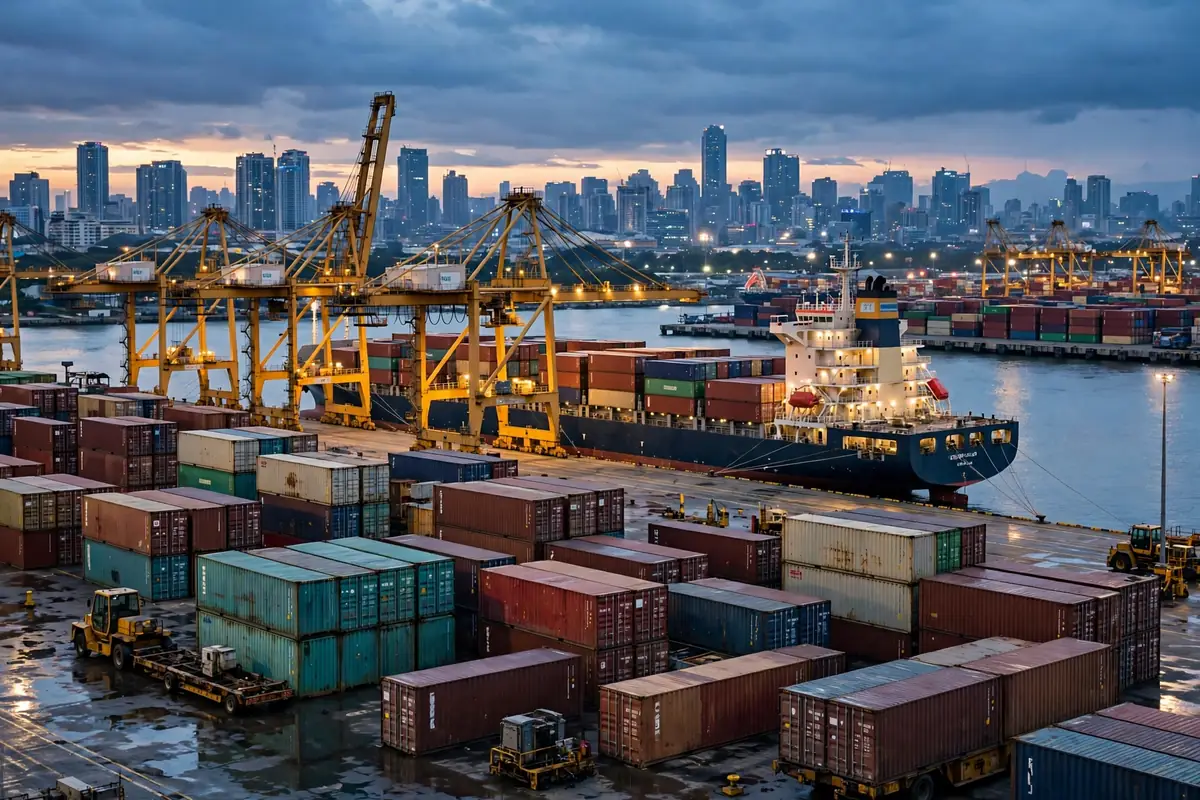
We had a client taking his first shot at Manila Philippines port warehouse logistics — a small home-appliance seller out of Shenzhen. The cargo reached Manila and then just stopped. He called me: "Susan, the vessel has berthed. Why isn't my cargo in the warehouse yet?" I asked how long the boxes had been sitting in the port. "Almost a week," he said. I told him to stop chasing the warehouse and call the terminal instead — his containers were already past the free storage period. He went quiet. In his head, a berthed vessel meant cargo in the warehouse, and the days in between were free.
That bill is where a lot of first-timers to the Philippines get it wrong.
Manila Philippines port warehouse logistics is not a one-port, one-warehouse problem. The Philippines is an archipelago, and cargo arriving in Manila has only reached the front door. From there it still has to be split, moved between islands, and delivered the last mile. Port, warehouse, and inter-island transport — three bills bolted together.
Manila Philippines Port Warehouse Logistics Starts With Two Terminals
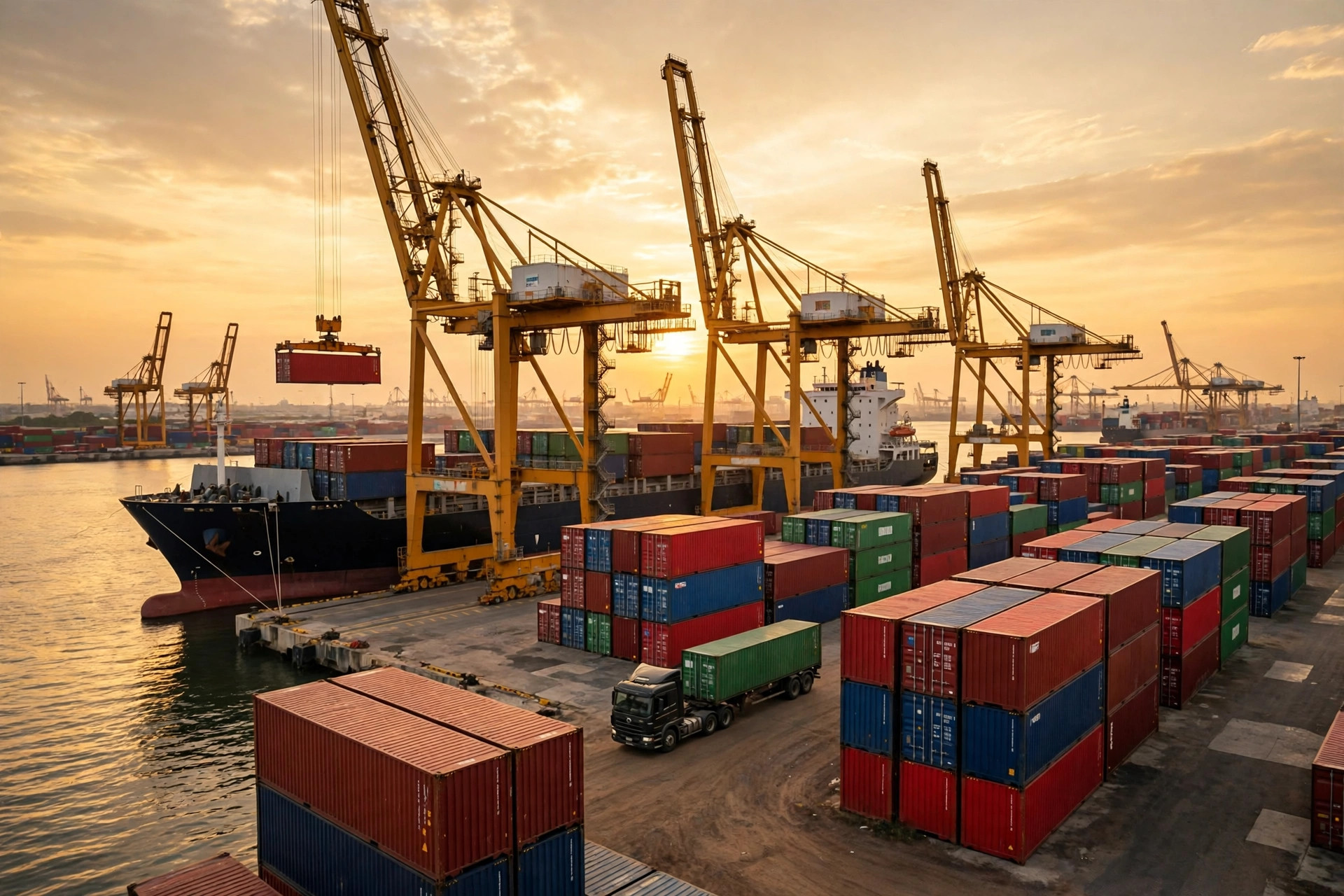
Start with the terminals. Manila's port is really two terminals doing two different jobs: the Manila International Container Terminal (MICT) and Manila South Harbor. Philippine Ports Authority figures put MICT at 2.95 million TEU in 2024, up 5.08% year on year, and South Harbor at 1.29 million TEU, up 6.92%. Together, about 4.24 million TEU. MICT alone handles around 70% of Manila's cargo and is operated by ICTSI; South Harbor is run by ATI in partnership with DP World.
The two terminals have different personalities. MICT is the big one — Berth 8 can take 18,000-TEU vessels, and after expansion its annual capacity will reach 3.5 million TEU. On December 22, 2025, MICT set a single-year record of 3 million TEU. More vessels, more services — that is its strength. But big terminals have big-terminal problems: in December 2024, MICT's yard utilization was 71%. South Harbor's was 59%.
We had another client, an auto-parts seller, who insisted on MICT for every Manila shipment. "The big terminal is the safe one," he said. I asked him how urgent his cargo was. Urgent, he said — his customers were waiting for shelf stock. Then I told him to look at South Harbor. The gap between 59% and 71% yard utilization is not just a number; it is the time your box spends queuing in the yard waiting to be picked up. The biggest terminal is not always the fastest terminal. The more cargo concentrates in one place, the more crowded the yard gets — and that is a bill plenty of shippers calculate backwards.
| MICT | Manila South Harbor | |
|---|---|---|
| 2024 throughput | 2.95 million TEU (+5.08%) | 1.29 million TEU (+6.92%) |
| Share of Manila cargo | Around 70% | The remainder |
| Yard utilization, Dec 2024 | 71% | 59% |
| Operator | ICTSI | ATI in partnership with DP World |
| Standout | Berth 8 takes 18,000-TEU vessels; expansion lifts annual capacity to 3.5 million TEU | A relatively roomy yard |
A table like that looks cold, but at the negotiating table it is the warmest thing you own. Walk in with it and you are no longer saying "I heard" — you are saying "here are the numbers." It is also the table I reach for whenever a client asks me about Manila Philippines port warehouse logistics: it turns a vague worry about congestion into a concrete choice between two terminals.
The Congestion Bill Lives in the Contract, Not at the Terminal
Then there is congestion. Mention Manila port and most people picture gridlock. The Philippine Ports Authority numbers tell a different story: in September 2024, the average container dwell time was 5.4 days — the lowest on record. Volumes are climbing — MICT just set a single-year record of 3 million TEU — and dwell time is falling. Terminal efficiency has genuinely improved over recent years. What actually hurts is the free storage period written into the contract.
Free storage is five days. Average dwell is 5.4 days. Put those two numbers together and you have the whole story: on average, your box is likely to owe storage charges. I will not invent a rate for you — check the terminal's latest published tariff — but you can do the arithmetic yourself. Worked example: take a hypothetical shipment of ten boxes. At the average dwell time, each box runs about 0.4 days over the free period. Ten boxes, four box-days of overstay charges. The bigger the volume, the less you can afford to shrug at that line.
So when you negotiate, do not just stare at the ocean freight and the warehousing rate. Can the free storage period be extended? How does the overstay tariff step up, and is there a cap? If a vessel delay pushes you over the free period, whose responsibility is that? Ask those three questions before the contract is signed and you will save yourself a far more expensive argument after the cargo lands. Shippers love to haggle over freight and then quietly hand the savings back in storage charges.
Here is something only the sell side usually knows: the free storage period is negotiable. Steady volume and a long-term relationship make terminals and forwarders willing to talk. If you never ask, nobody offers. The moment you ask, the other side knows you have done your homework.
Manila Philippines Port Warehouse Logistics in an Island Nation: Gateway and Distribution Are Two Different Bills
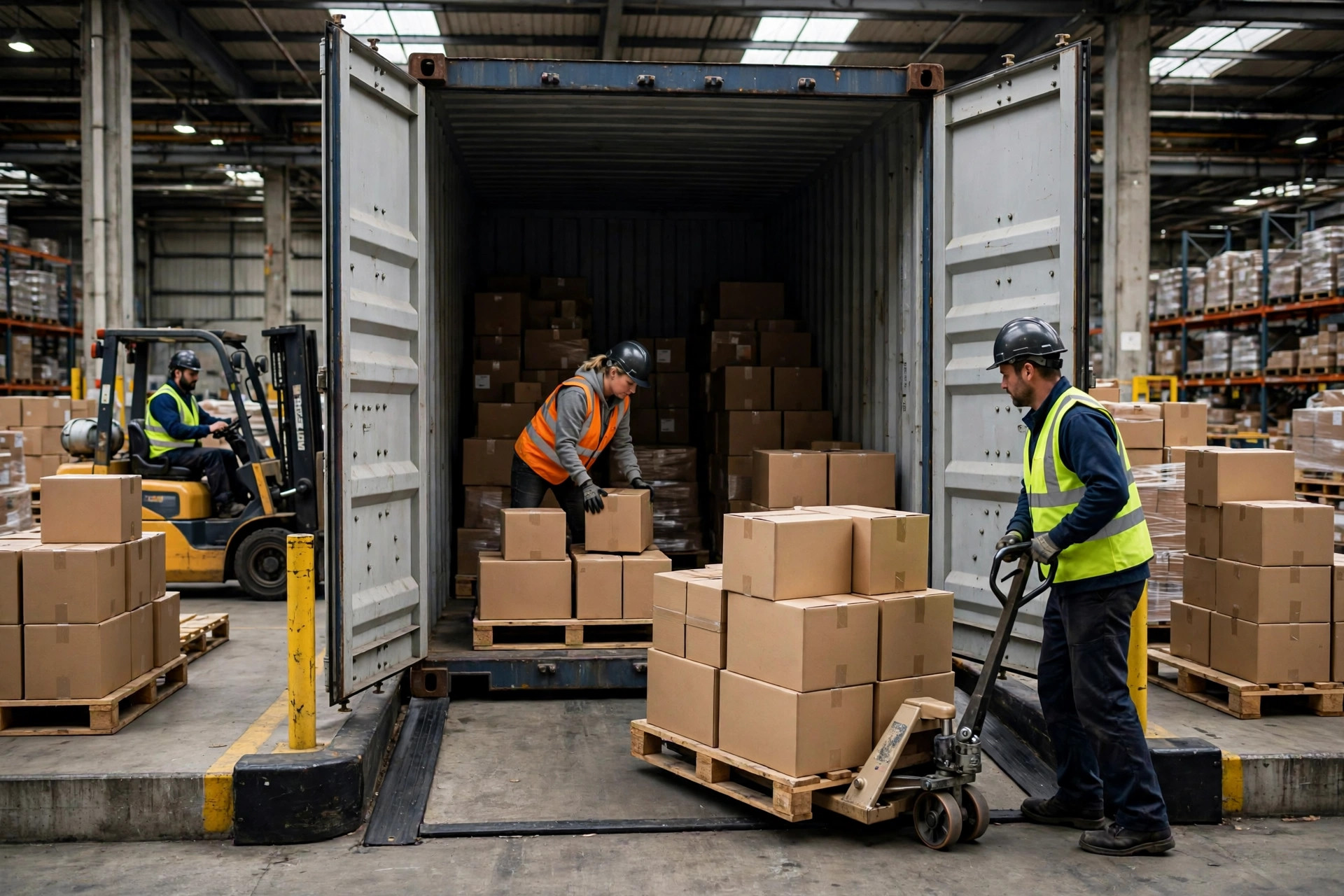
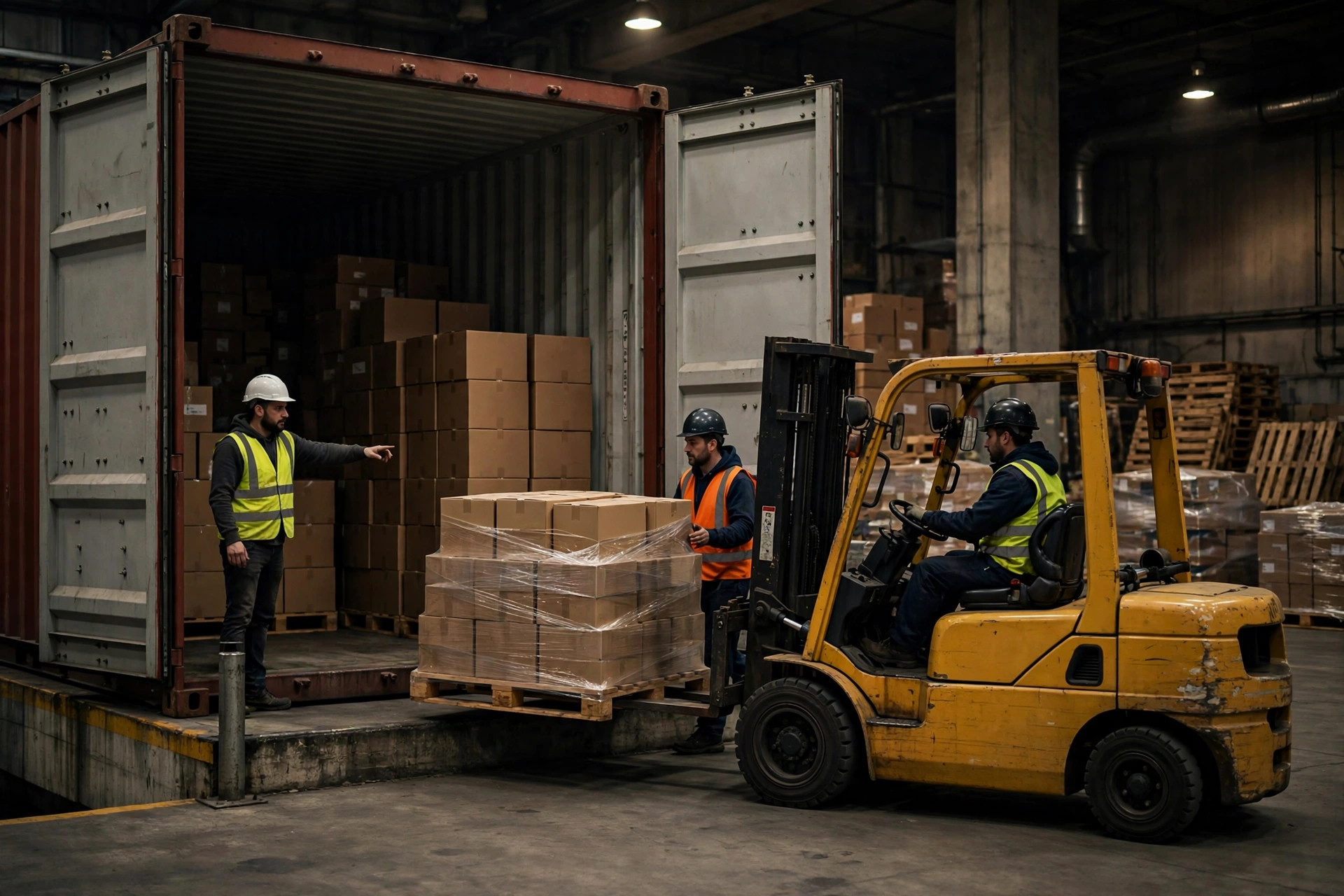
Finally, the warehouse. In Manila, there are two warehouse bills. One is the gateway warehouse, hugging the port, doing receiving, customs clearance, and break-bulk. The other is the distribution warehouse, pushing stock out to the islands, doing the job of getting goods into consumers' hands. Plenty of sellers budget for the first and discover the second only after the cargo has landed on an island.
My advice for a first run in the Philippines: do not rush to lease space beyond Manila. Get one node working first — which terminal the vessel calls at, how many free days you have, how long pickup takes, how long the warehouse needs to turn stock around for distribution. Once you know the numbers on that lane by heart, then talk about expanding outward. In an archipelago, warehouse logistics is won on steady rhythm, not on the number of warehouses.
Next time you negotiate a contract, ask these three questions: how many days of free storage, and can we extend it? How is the overstay tariff calculated, and is there a cap? If a vessel delay causes the overstay, who bears the cost? Once you have the answers, look at the quote again — that is when you are seeing a real Manila Philippines port warehouse logistics quote.
By Susan, 3PL Sales Director